AI Glasses Trend: Shipments Surge 263% in H1 2026
The market for AI-powered glasses is experiencing unprecedented growth. Global shipments of these devices increased by 263% in the first half of 2026 compared to the same period in 2025, according to Counterpoint Research. Notably, this surge is driven by glasses without augmented reality displays – simpler models equipped with a camera, speakers, and a microphone are proving most popular.
This trend has positioned Meta as the dominant player, largely due to its Ray-Ban Meta smart glasses. While companies like Apple, Google, and Samsung are developing their own offerings, Meta has secured a strong advantage in a category that is rapidly developing into a significant business area and a potential future battleground for consumer hardware.
Meta's Dominance in Non-Display AI Glasses
Meta captured an impressive 94% of global shipments for AI glasses without displays in the first half of 2026. Their unit volume grew by approximately 260% year-on-year. Competitors such as Xiaomi and Alibaba each accounted for about 1%, with the remaining 4% distributed among other manufacturers. These figures are significant, especially considering that 96% of AI glasses shipped lacked a display.
The success is primarily attributed to the second generation of Ray-Ban Meta glasses, which have been better received than the company's initial foray into this market. EssilorLuxottica, the owner of Ray-Ban and Meta's partner in this venture, previously stated that over 7 million pairs were sold in 2025, with plans to scale production to around 10 million units annually.
Geographically, North America leads with approximately 50% of non-display AI glasses shipments, followed by Western Europe at 28%. Other regions include Australia (4.4%), Asia-Pacific (4%), Latin America (3.8%), India (3.7%), China (3%), and the UAE (around 2%).
Apple Prepares Entry Amidst Faster Growth in Displayed AR Glasses
Apple is expected to make a significant entrance into the market. Reports indicate that Apple is developing its own smart glasses, anticipated for a 2027 launch, to compete directly with Ray-Ban Meta. These devices are expected to feature a camera, microphones, and speakers, with AI integration via Siri and the Apple Intelligence ecosystem. A more advanced version with an augmented reality display is planned for a later release.
Interestingly, the smaller segment of AI glasses that incorporate augmented reality displays is growing at an even faster rate. Shipments in this category increased by 449% year-on-year during the same period. However, this high percentage is from a smaller base, diminishing its overall impact.
In the AR display glasses market, the leader is Rokid with approximately 41% of the market share, followed by Meta at 37%, Even Realities at 11%, Alibaba at 7%, and INMO at 2%. China accounts for 45% of shipments in this category, slightly ahead of North America's 41%.
Fresh materials — Technology News
Google Pixel Devices Hit by Nightmare Bug: September Update Locks Out Some Users
Updating your phone should be a simple process: install, restart, and continue. But imagine completing the update, entering your usual unlock pattern, and the phone not even letting you finish it. Your photos and messages remain, but you're locked out. This is the predicament some Google Pixel
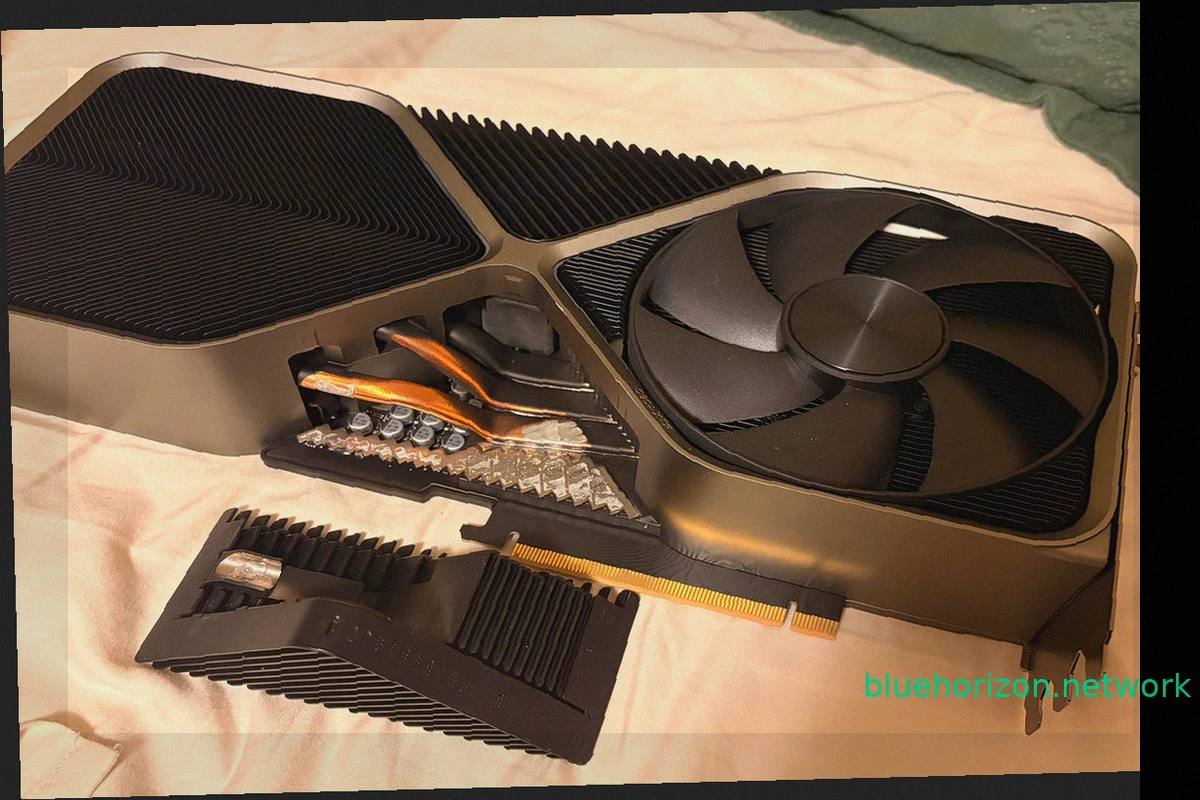
NVIDIA GeForce RTX 4090 Founders Edition Loses Part of Its Heatsink After Three Years
A NVIDIA GeForce RTX 4090 Founders Edition has presented an unusual problem, not with its power connector, but with its heatsink. This incident is unique, as a portion of the graphics card's massive heatsink literally detached while its owner was moving the computer. This wasn't a decorative c

Russian Missiles Strike Infrastructure of 1337x, Second Largest Torrent Tracker, Hitting Piracy
Russian missile attacks have damaged infrastructure belonging to popular torrent trackers like 1337x. Between September 23 and 27, 2026, Russia conducted strikes targeting data centers and communication facilities in Kyiv. These attacks temporarily disrupted internet access for approximately 1
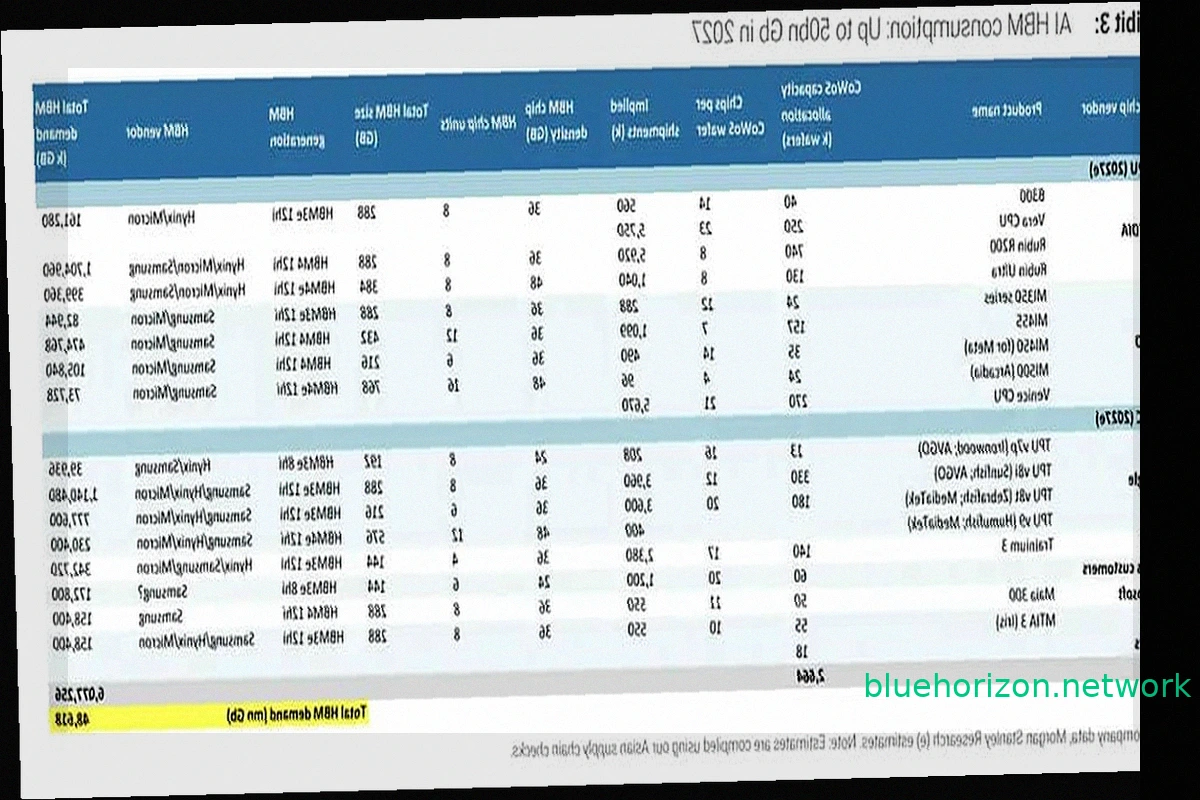
NVIDIA, Google, and AMD Poised to Control 85% of HBM Memory Demand by 2027
The "you'll own nothing and be happy" meme is finding a parallel in hardware, specifically memory. NVIDIA, Google, and AMD are set to command 85.4% of the global High Bandwidth Memory (HBM) demand by 2027, according to Morgan Stanley estimates. These three buyers will largely dictate the pace
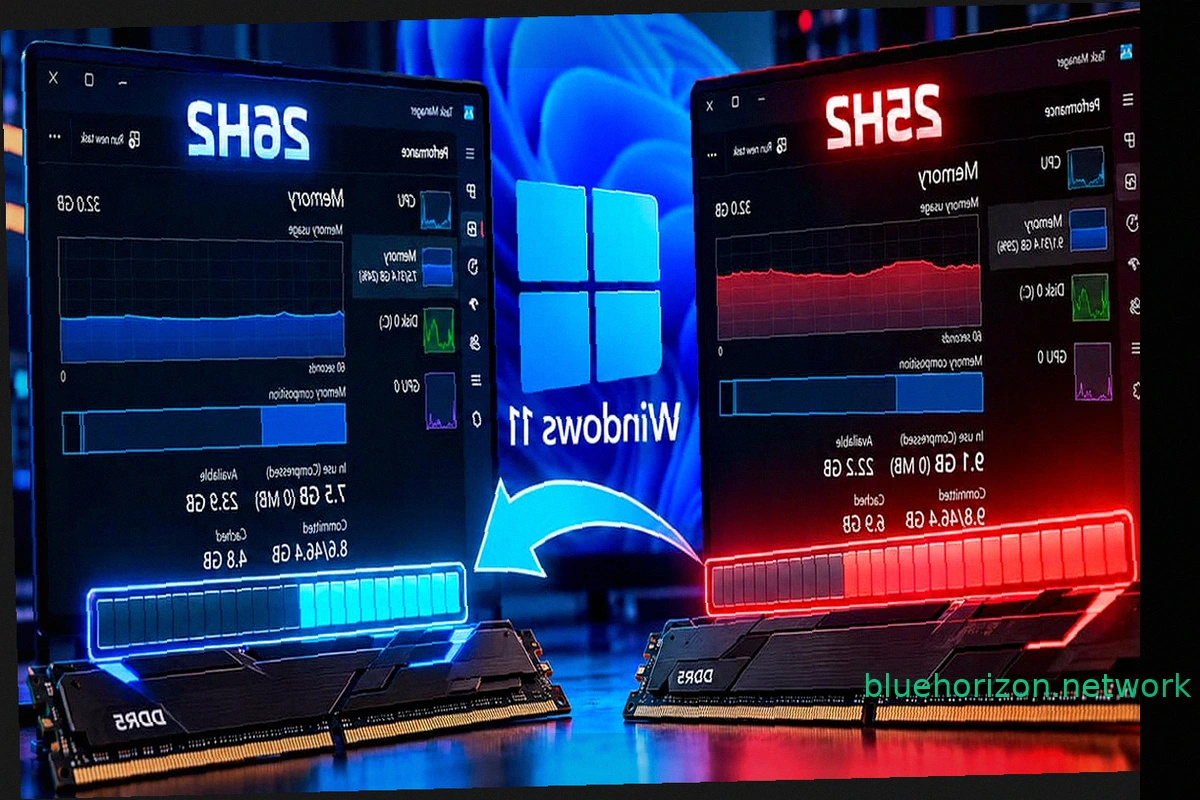
Windows 11 26H2 Reduces RAM Consumption by Up to 2 GB, But 8 GB Machines Still Struggle
Windows 11 26H2 is rolling out optimizations for RAM management. Some users report a noticeable decrease in RAM usage after installing this update, with certain systems showing a reduction of up to 2 GB compared to Windows 11 25H2 upon startup. However, initial findings suggest this improvemen

RTX 5090 fails with DLSS 5 after 48 hours for Chinese streamer
NVIDIA's RTX series introduced Tensor Cores, enabling technologies like DLSS. Early DLSS versions offered a noticeable drop in image quality compared to native resolution. DLSS 2 brought significant improvements, and DLSS 3 achieved parity or even superiority over native rendering. DLSS 4 cont