NVIDIA, Google, and AMD Poised to Control 85% of HBM Memory Demand by 2027
The "you'll own nothing and be happy" meme is finding a parallel in hardware, specifically memory. NVIDIA, Google, and AMD are set to command 85.4% of the global High Bandwidth Memory (HBM) demand by 2027, according to Morgan Stanley estimates. These three buyers will largely dictate the pace for a critical component in Artificial Intelligence, a sector currently shaping the entire technological landscape.
It's crucial to distinguish this HBM from standard PC RAM or gaming graphics card memory. HBM is stacked memory designed for AI accelerators like GPUs and TPUs. These projections, while from a reputable investment bank, offer a clear view of the major players consuming this essential resource.
NVIDIA, AMD, and Google to Account for Nearly Three-Quarters of HBM by 2027
NVIDIA leads the projected demand with 37.3%, closely followed by Google at 36%. AMD contributes an additional 12.1%, leaving the remaining global buyers with just 14.6% of the predicted demand. This concentration is striking, considering the numerous companies aiming to compete in the AI space.
While diverse chip designs can foster competition, the underlying need for powerful memory remains. NVIDIA has already disclosed substantial supply and capacity commitments, escalating from $119 billion to $279 billion in just one quarter – a 134.5% surge. These commitments are tied to data center systems, including memory and manufacturing facilities.
These are not immediate expenditures solely for 2027 HBM, but rather multi-year commitments, some adjustable. Nonetheless, the scale underscores NVIDIA's strategy: securing future production capacity now.
HBM Production Impacts More Than Just AI Hardware
The connection to everyday users lies in DRAM wafer production, which is finite. Micron has indicated that producing HBM3E requires approximately three times the wafer capacity of DDR5 for an equivalent bit output on the same node. This means HBM production places a significant demand on silicon resources.
Consequently, a greater allocation of resources to HBM production can increase pressure on the available capacity for other DRAM products. While these figures don't predict exact RAM kit prices, they help explain why PC users might view the expansion of AI with concern.
The meme highlights an extreme; the serious aspect is the concentrated demand and multi-billion dollar commitments. For companies seeking to innovate, designing a superior accelerator might be only half the battle. The other half will be securing memory production, its timeline, and its cost.
NVIDIA, AMD, and Google appear poised to secure the lion's share of HBM stock for 2027 and likely beyond, leaving limited options for other companies.
Fresh materials — Technology News
Google Pixel Devices Hit by Nightmare Bug: September Update Locks Out Some Users
Updating your phone should be a simple process: install, restart, and continue. But imagine completing the update, entering your usual unlock pattern, and the phone not even letting you finish it. Your photos and messages remain, but you're locked out. This is the predicament some Google Pixel
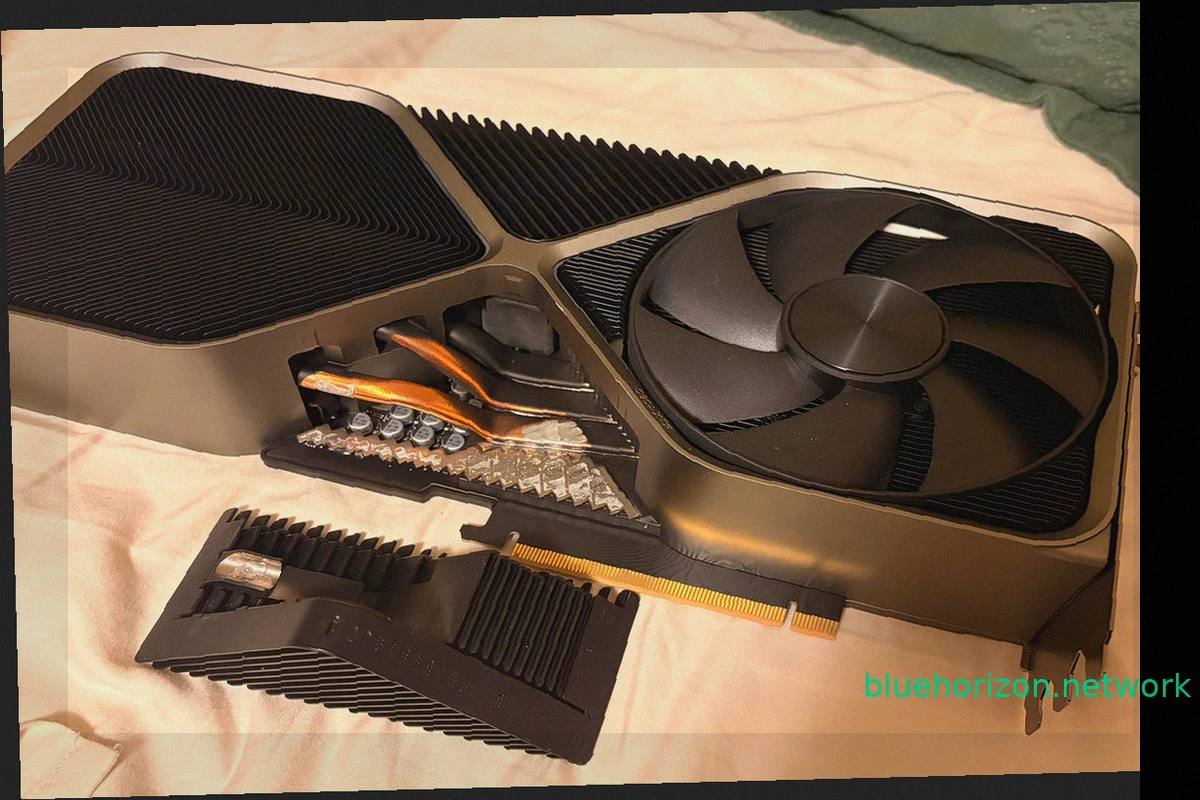
NVIDIA GeForce RTX 4090 Founders Edition Loses Part of Its Heatsink After Three Years
A NVIDIA GeForce RTX 4090 Founders Edition has presented an unusual problem, not with its power connector, but with its heatsink. This incident is unique, as a portion of the graphics card's massive heatsink literally detached while its owner was moving the computer. This wasn't a decorative c

Russian Missiles Strike Infrastructure of 1337x, Second Largest Torrent Tracker, Hitting Piracy
Russian missile attacks have damaged infrastructure belonging to popular torrent trackers like 1337x. Between September 23 and 27, 2026, Russia conducted strikes targeting data centers and communication facilities in Kyiv. These attacks temporarily disrupted internet access for approximately 1
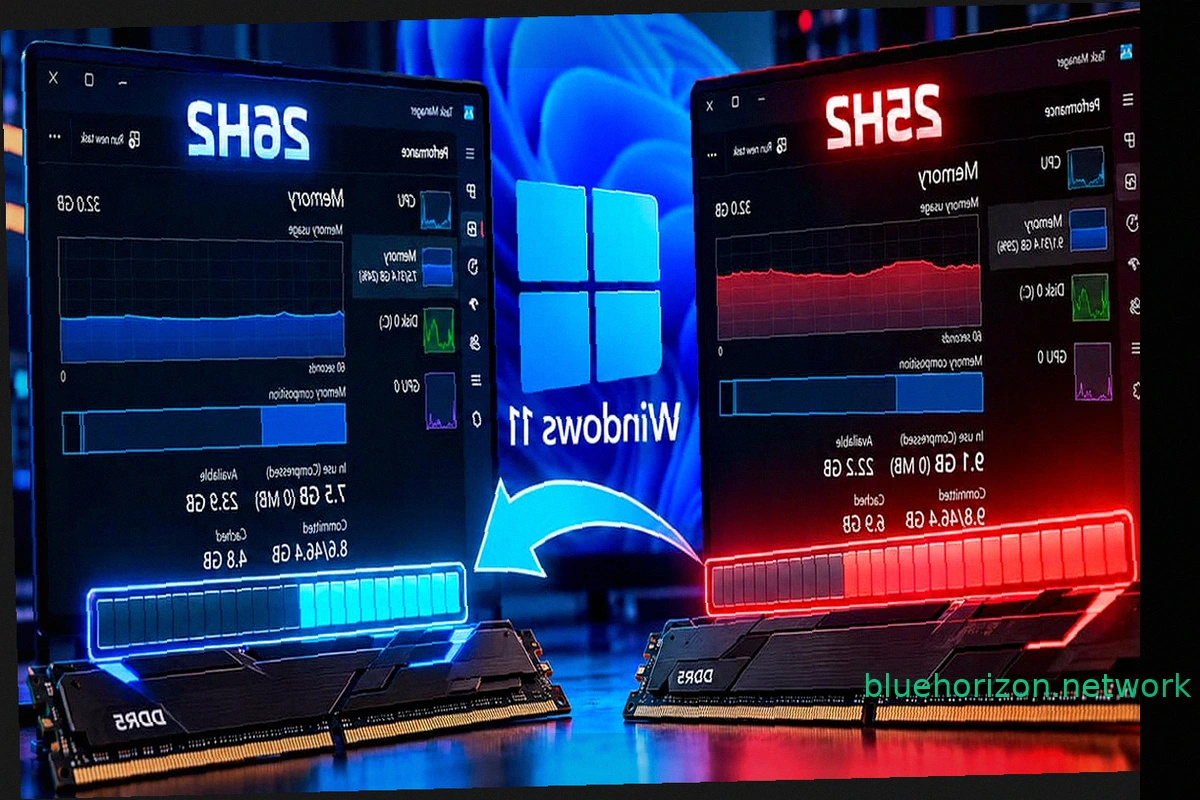
Windows 11 26H2 Reduces RAM Consumption by Up to 2 GB, But 8 GB Machines Still Struggle
Windows 11 26H2 is rolling out optimizations for RAM management. Some users report a noticeable decrease in RAM usage after installing this update, with certain systems showing a reduction of up to 2 GB compared to Windows 11 25H2 upon startup. However, initial findings suggest this improvemen

RTX 5090 fails with DLSS 5 after 48 hours for Chinese streamer
NVIDIA's RTX series introduced Tensor Cores, enabling technologies like DLSS. Early DLSS versions offered a noticeable drop in image quality compared to native resolution. DLSS 2 brought significant improvements, and DLSS 3 achieved parity or even superiority over native rendering. DLSS 4 cont
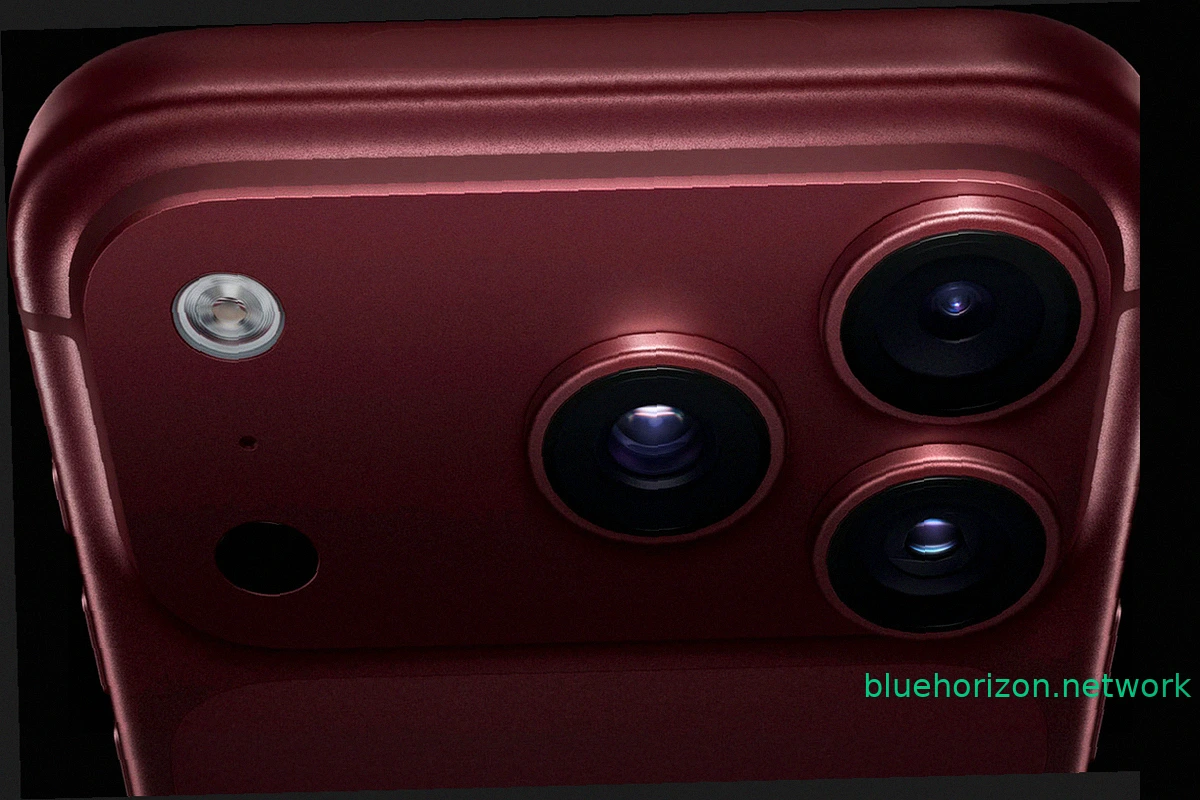
iPhone 18 Pro's Vapor Emulator Matches GTX 1650 Performance in GTA V
Apple set the standard for modern smartphones with its first iPhone in 2007, a benchmark that Android platforms later strived to meet in terms of performance. This led to a competitive era where advancements in mobile technology were consistently matched and surpassed by rivals. Today, Apple ap