Amazon Leo Poised to Compete with Starlink After Reaching Satellite Milestone
Amazon is nearing the commercial launch of Amazon Leo, its satellite internet initiative formerly known as Project Kuiper. Following its most recent launch aboard a United Launch Alliance (ULA) Atlas V rocket, the company has now deployed over 390 satellites into low Earth orbit. According to
Amazon is nearing the commercial launch of Amazon Leo, its satellite internet initiative formerly known as Project Kuiper. Following its most recent launch aboard a United Launch Alliance (ULA) Atlas V rocket, the company has now deployed over 390 satellites into low Earth orbit. According to Chris Weber, Amazon Leo's vice president of business and product, this significant number allows Amazon to begin offering continuous service in its initial target latitudes.
It's important to note that Amazon is not yet discussing global coverage on par with Starlink. Instead, they are focusing on an initial service rollout this year. Weber acknowledged that substantial work remains, including raising the newly launched satellites to their operational altitudes. However, he confirmed that Amazon has completed enough missions to commence service, with subsequent launches intended to expand coverage and capacity.
With Nearly 400 Satellites in Orbit, Amazon Leo Gears Up for Launch: Starlink Faces Competition
The latest launch occurred just this week, on July 2nd. A ULA Atlas V 551 rocket successfully placed 29 new satellites into orbit from Cape Canaveral, bringing Amazon Leo's total deployed satellites to 396. This mission marked the final flight of the Leo Atlas campaign; future missions with ULA will transition to the Vulcan rocket. The Vulcan is expected to accelerate deployment, as it can accommodate larger payloads. While Atlas V rockets carried between 27 and 29 Amazon Leo satellites per mission, Vulcan is estimated to carry approximately 45 satellites, a potential increase of up to 67% per launch.
Amazon Leo's objective is to provide broadband connectivity from low Earth orbit to regions where terrestrial networks are unavailable or impractical. Its architecture integrates satellites, ground stations, fiber optics, internet connection points, and user terminals. Amazon plans to offer three antenna/subscription tiers: Leo Nano, providing speeds of up to 100 Mbps download; Leo Pro, offering up to 400 Mbps; and Leo Ultra, targeted at businesses, with up to 1 Gbps download and 400 Mbps upload.
Reuters reports that the service is expected to commence operations near the North and South Poles, gradually expanding towards the equator as Amazon Leo adds more satellites to its constellation. With fewer than 400 satellites, the network can offer continuity in specific regions but not yet robust global coverage. Therefore, it will not immediately reach territories heavily dominated by Starlink.
For Now, Starlink Remains Dominant with 25 Times More Satellites in Orbit
Currently, a direct comparison between Amazon Leo and Starlink is not feasible. SpaceX boasts around 10,000 Starlink satellites, whereas Amazon is still in the initial phase of a constellation projected to exceed 3,200 satellites. This substantial difference will impact coverage, capacity, and stability, particularly during the early months of Amazon Leo's service.
Indeed, the initial rollout of Amazon Leo could resemble Starlink's early beta phase in 2020. This translated to a functional experience but was characterized by outages, coverage limitations, and a strong dependence on user location. It's also worth recalling that Starlink began with nearly 900 satellites, offering speeds between 50 and 150 Mbps and latencies of 20 to 40 ms. Today, Starlink benefits from a much denser network, delivering an average of 200 Mbps download speeds and latencies around 25 ms. At least Amazon Leo is launching with significantly more advanced satellites compared to Starlink's initial offerings.
Amazon's primary bottleneck is not the manufacturing of Leo satellites but rather the pace of launches. The company has secured approximately 100 launch contracts with ULA, Blue Origin, Arianespace, and SpaceX. However, some key rockets crucial for accelerating deployment, such as New Glenn and Vulcan, have experienced delays or technical issues. Nevertheless, with the minimum threshold now met, Amazon Leo transitions from a distant promise to become Starlink's first genuinely significant competitor in the satellite internet market for consumers, businesses, governments, and aviation connectivity. This development is essential for incentivizing price competition.
Fresh materials — Technology News
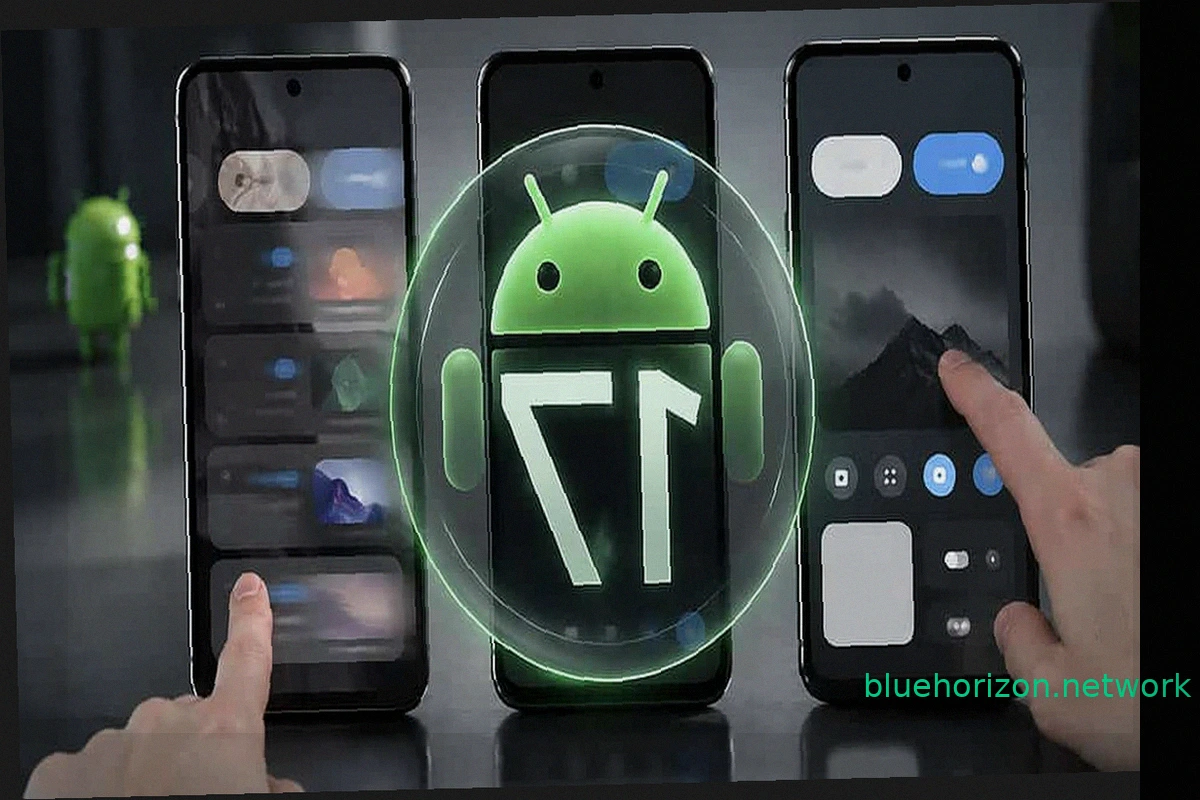
Google Pixel Devices Hit by Nightmare Bug: September Update Locks Out Some Users
Updating your phone should be a simple process: install, restart, and continue. But imagine completing the update, entering your usual unlock pattern, and the phone not even letting you finish it. Your photos and messages remain, but you're locked out. This is the predicament some Google Pixel
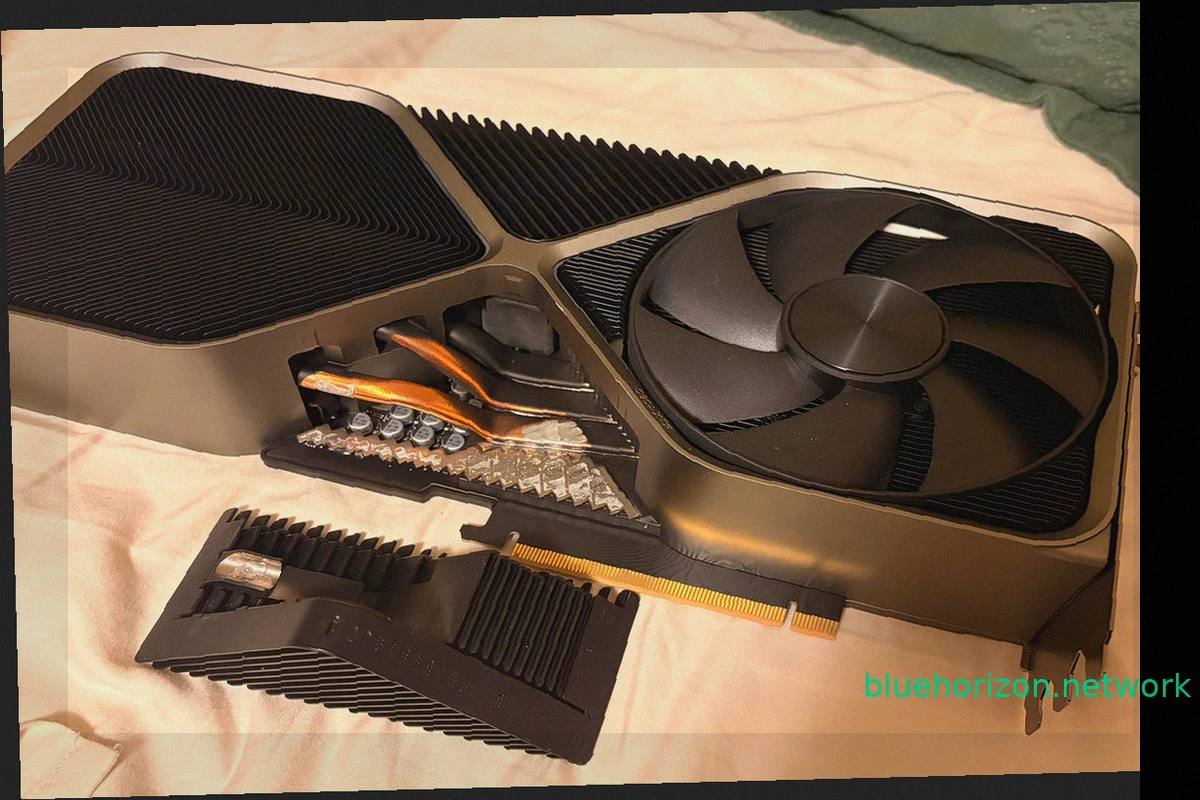
NVIDIA GeForce RTX 4090 Founders Edition Loses Part of Its Heatsink After Three Years
A NVIDIA GeForce RTX 4090 Founders Edition has presented an unusual problem, not with its power connector, but with its heatsink. This incident is unique, as a portion of the graphics card's massive heatsink literally detached while its owner was moving the computer. This wasn't a decorative c

Russian Missiles Strike Infrastructure of 1337x, Second Largest Torrent Tracker, Hitting Piracy
Russian missile attacks have damaged infrastructure belonging to popular torrent trackers like 1337x. Between September 23 and 27, 2026, Russia conducted strikes targeting data centers and communication facilities in Kyiv. These attacks temporarily disrupted internet access for approximately 1
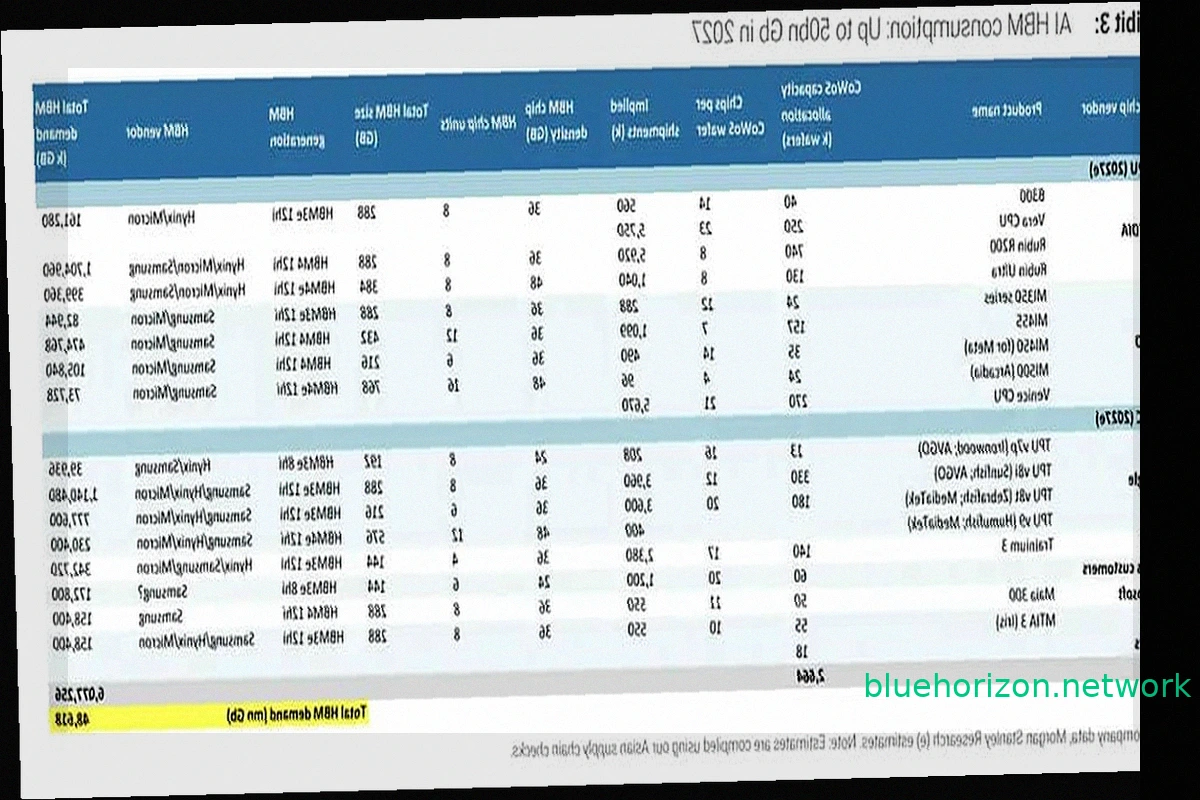
NVIDIA, Google, and AMD Poised to Control 85% of HBM Memory Demand by 2027
The "you'll own nothing and be happy" meme is finding a parallel in hardware, specifically memory. NVIDIA, Google, and AMD are set to command 85.4% of the global High Bandwidth Memory (HBM) demand by 2027, according to Morgan Stanley estimates. These three buyers will largely dictate the pace
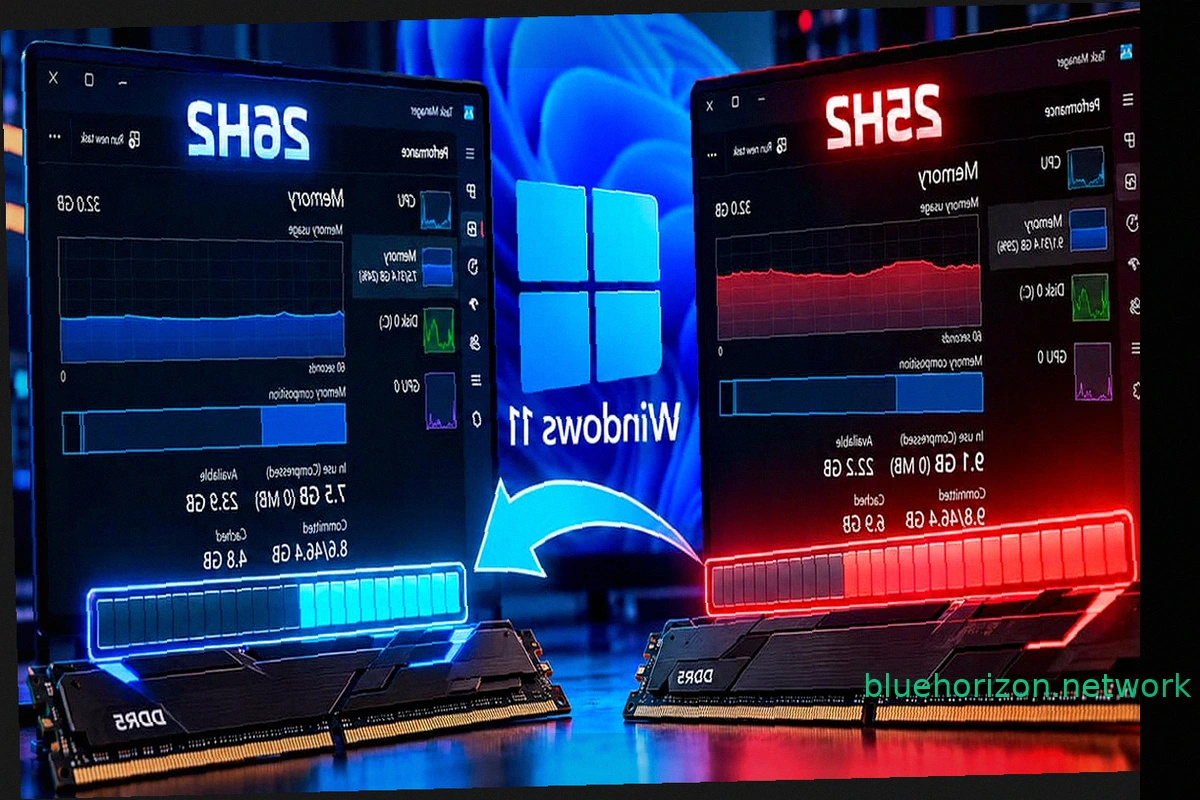
Windows 11 26H2 Reduces RAM Consumption by Up to 2 GB, But 8 GB Machines Still Struggle
Windows 11 26H2 is rolling out optimizations for RAM management. Some users report a noticeable decrease in RAM usage after installing this update, with certain systems showing a reduction of up to 2 GB compared to Windows 11 25H2 upon startup. However, initial findings suggest this improvemen

RTX 5090 fails with DLSS 5 after 48 hours for Chinese streamer
NVIDIA's RTX series introduced Tensor Cores, enabling technologies like DLSS. Early DLSS versions offered a noticeable drop in image quality compared to native resolution. DLSS 2 brought significant improvements, and DLSS 3 achieved parity or even superiority over native rendering. DLSS 4 cont