AMD Ryzen 7 9800X3D Highlights Extreme RAM: DDR5-6000 Matches or Beats DDR5-8000 in Gaming
The idea of buying faster RAM to gain FPS seems logical, until tests show the cost of that improvement. This isn't new, as past performance debates have included DDR5-4400 configurations and synchronized FCLK, MCLK, and UCLK. Now, the AMD Ryzen 7 9800X3D is back in the spotlight. TechPowerUp's comparison shows DDR5-6000 with tuned latencies matching or exceeding DDR5-8000. A striking detail: even DDR5-4800 comes remarkably close in average performance. Is the premium for higher speeds and lower latency justified?
The analysis tested eight configurations with varying speeds, latencies, capacities, and module counts. All were run through eight games using an RTX 4090 at High settings, across 1080p, 1440p, and 4K resolutions. These results are therefore specific to those conditions, where the graphics load plays a significant role.
Ryzen 7 9800X3D Sees Only a 1% FPS Gain Moving from DDR5-4800 to DDR5-8000
Here's the crucial data that challenges the expensive RAM theory: transitioning from 4,800 to 8,000 MT/s represents a 66.7% increase in transfer rate. However, average FPS improves by only about 1% at 1080p and 1440p, based on rounded percentages. At 4K, all eight configurations perform identically (100%), indicating the GPU is the bottleneck, with memory speeds and latencies unable to overcome this limitation.
This outcome is not surprising. The more the GPU limits performance, the less room there is for memory differences to matter. What's notable is the minimal gap at 1080p too, though maintaining High settings prevents completely ruling out a slight graphical limitation.
Differences grow somewhat in the 1% lows, which reflect performance during the slowest frames. Compared to DDR5-4800, the top configuration achieves 4% more at 1080p, 3% at 1440p, and 4% at 4K. While an improvement, it's not a transformative leap in experience.
DDR5-6000 with Tuned Latencies: Lower MT/s, Top-Tier Results
The DDR5-6000 CL30 ULL, configured with 30-38-38-32 timings, ties for the lead or tops all six aggregated graphs. Against DDR5-8000, it matches average FPS across all three resolutions and 1% lows at 1080p and 1440p. At 4K, 1% lows are 104% versus 103%.
The single 16 GB DDR5-6000 module is also surprising; it retains nearly all average FPS despite using a single channel. However, at 1440p, its 1% lows fall approximately 5.1% below the leading configurations.
So, considering the data, we return to the initial question: is extreme RAM worth the premium? These tests do not show a performance advantage in games that justifies the extra cost.
While a specific Counter-Strike 2 result at Low settings (625 FPS vs 618 FPS) is needed to evaluate a less GPU-bound scenario, the practical conclusion is already strong: chasing 8,000 MT/s doesn't guarantee more FPS, and well-tuned DDR5-6000 performs exceptionally well.
Fresh materials — Technology News

Google Pixel Devices Hit by Nightmare Bug: September Update Locks Out Some Users
Updating your phone should be a simple process: install, restart, and continue. But imagine completing the update, entering your usual unlock pattern, and the phone not even letting you finish it. Your photos and messages remain, but you're locked out. This is the predicament some Google Pixel
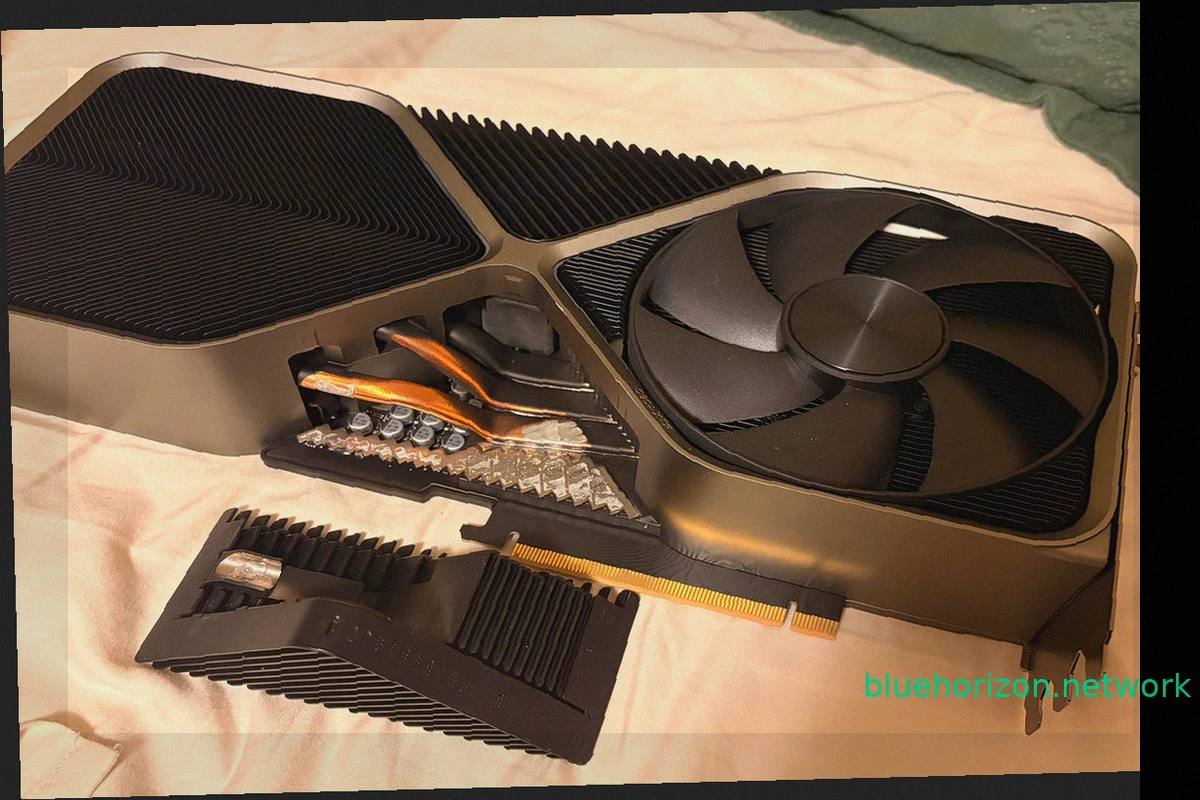
NVIDIA GeForce RTX 4090 Founders Edition Loses Part of Its Heatsink After Three Years
A NVIDIA GeForce RTX 4090 Founders Edition has presented an unusual problem, not with its power connector, but with its heatsink. This incident is unique, as a portion of the graphics card's massive heatsink literally detached while its owner was moving the computer. This wasn't a decorative c

Russian Missiles Strike Infrastructure of 1337x, Second Largest Torrent Tracker, Hitting Piracy
Russian missile attacks have damaged infrastructure belonging to popular torrent trackers like 1337x. Between September 23 and 27, 2026, Russia conducted strikes targeting data centers and communication facilities in Kyiv. These attacks temporarily disrupted internet access for approximately 1
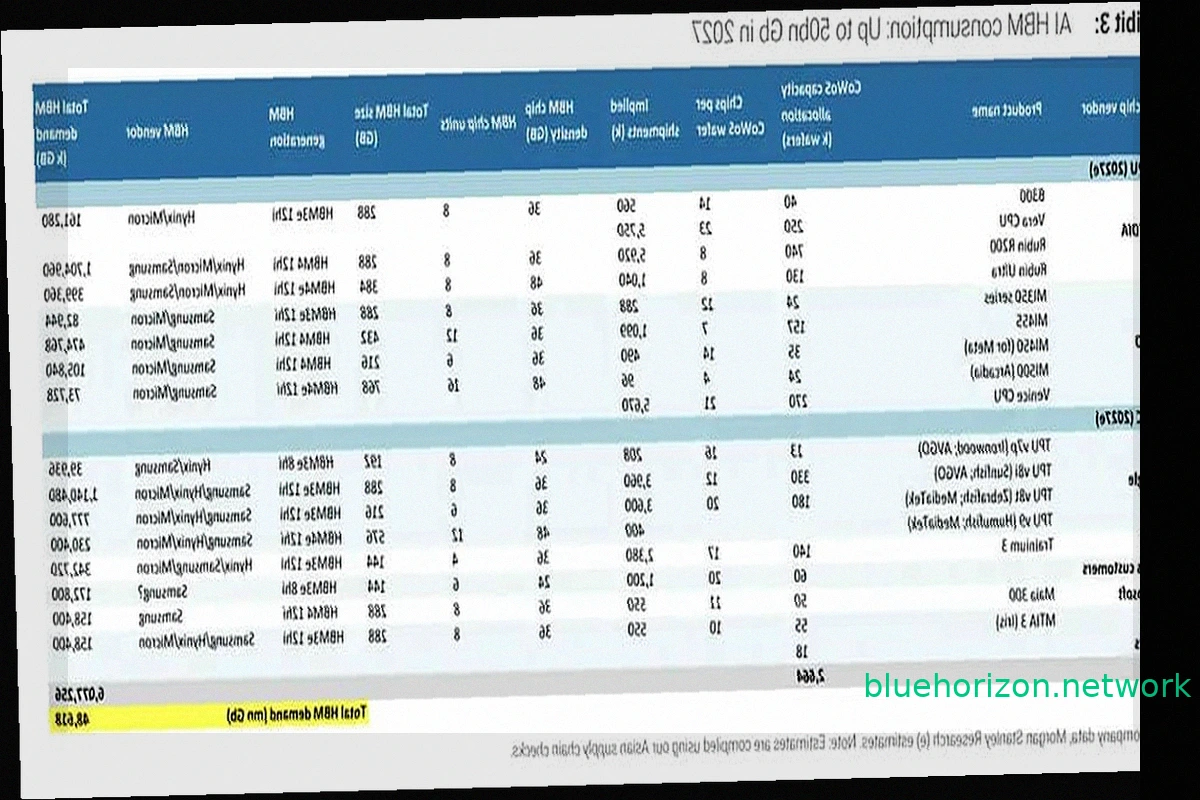
NVIDIA, Google, and AMD Poised to Control 85% of HBM Memory Demand by 2027
The "you'll own nothing and be happy" meme is finding a parallel in hardware, specifically memory. NVIDIA, Google, and AMD are set to command 85.4% of the global High Bandwidth Memory (HBM) demand by 2027, according to Morgan Stanley estimates. These three buyers will largely dictate the pace
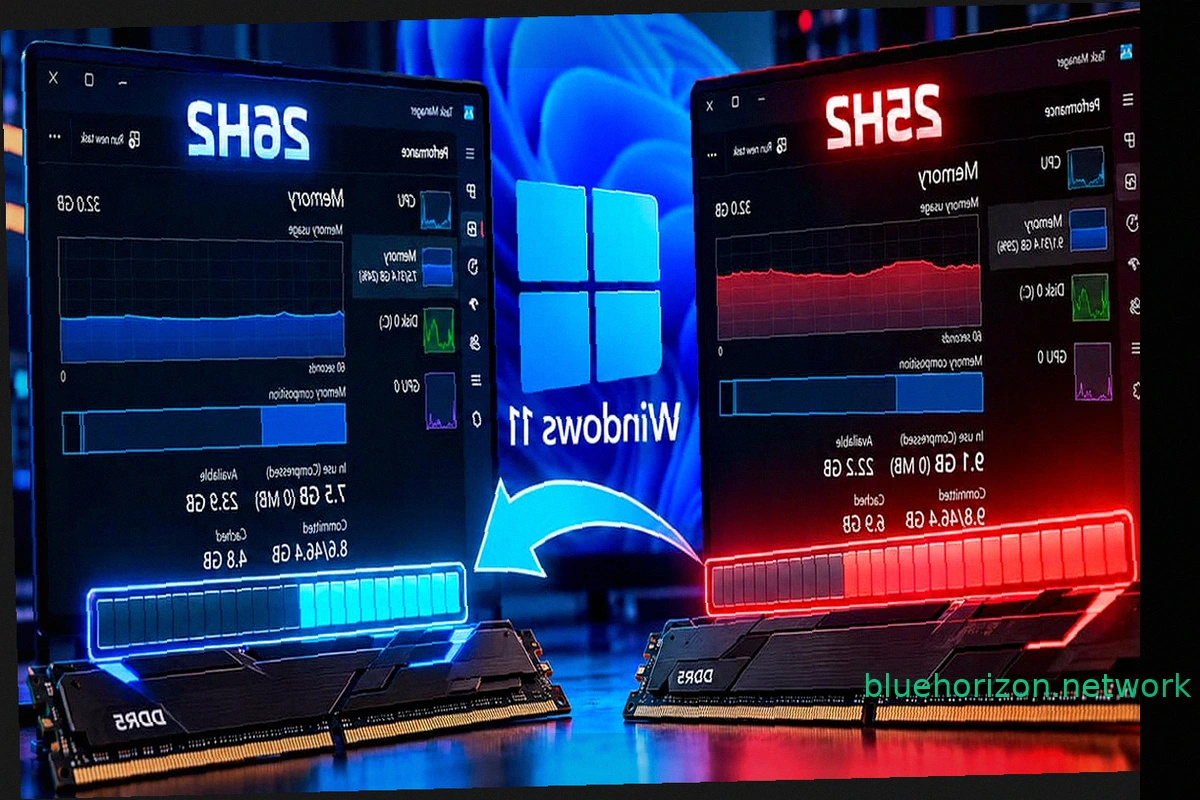
Windows 11 26H2 Reduces RAM Consumption by Up to 2 GB, But 8 GB Machines Still Struggle
Windows 11 26H2 is rolling out optimizations for RAM management. Some users report a noticeable decrease in RAM usage after installing this update, with certain systems showing a reduction of up to 2 GB compared to Windows 11 25H2 upon startup. However, initial findings suggest this improvemen

RTX 5090 fails with DLSS 5 after 48 hours for Chinese streamer
NVIDIA's RTX series introduced Tensor Cores, enabling technologies like DLSS. Early DLSS versions offered a noticeable drop in image quality compared to native resolution. DLSS 2 brought significant improvements, and DLSS 3 achieved parity or even superiority over native rendering. DLSS 4 cont