AMD Unleashes Ryzen 7 9750X and Ryzen 5 9650X: Boosting Zen 5 Speeds to Counter Intel Core Ultra 200S Plus, But at a Cost
A recent leak from chi11eddog suggests an aggressive response from AMD to Intel's upcoming Core Ultra 200S Plus processors. AMD is reportedly preparing two new Zen 5 CPUs, the Ryzen 7 9750X and Ryzen 5 9650X, designed to directly succeed the Ryzen 7 9700X and Ryzen 5 9600X. While built on the same core architecture, these new chips will feature significantly higher clock speeds and, consequently, a dramatically increased Thermal Design Power (TDP).
This strategic shift by AMD raises questions: why commit to nearly doubling the TDP to compete with Intel's new series, which, despite a similar IPC, lags slightly in gaming due to a lack of additional cache? The rationale behind this decision is more nuanced than it appears.
AMD Ryzen 7 9750X & Ryzen 5 9650X: Pushing Zen 5's Mid-Range TDP Envelope
Let's first examine the leaked technical specifications before diving into the strategic implications. On paper, these new chips might seem like less efficient options compared to their predecessors. According to chi11eddog, the Ryzen 7 9750X will feature 8 cores and 16 threads, alongside 32 MB of L3 cache, with a base clock speed of 4.2 GHz and a boost frequency of 5.6 GHz, all within a 120W TDP. Similarly, the Ryzen 5 9650X will sport 6 cores and 12 threads, also with 32 MB of L3 cache, boasting a 4.3 GHz base clock and a 5.5 GHz boost, also rated at 120W TDP.
The significant changes become clear when comparing them to their direct predecessors. The Ryzen 7 9700X had a 3.8 GHz base clock, 5.5 GHz boost, and a 65W TDP. The Ryzen 5 9600X, on the other hand, offered a 3.9 GHz base, 5.4 GHz boost, and also a 65W TDP.
These figures clearly illustrate the aggressive shift. Both new CPUs see a +400 MHz increase in their base clock speeds: approximately a +10.5% jump for the Ryzen 7 9750X (from 3.8 GHz to 4.2 GHz) and a +10.3% increase for the Ryzen 5 9650X (from 3.9 GHz to 4.3 GHz). However, the boost frequency improvements are minimal, around +100 MHz, translating to a mere +1.8% for the Ryzen 7 and +1.9% for the Ryzen 5. This begs the question: why would AMD launch such processors, especially when Intel is stepping up its game?
Efficiency Wanes, Marginal General Performance Gains
| Cores / Threads | Base Freq. | Max Freq. | L3 Cache | TDP | Price | |
|---|---|---|---|---|---|---|
| Ryzen 9 9950X3D | 16 / 32 | 4.3 GHz | 5.7 GHz | 128 MB | 170W | $699 |
| Ryzen 9 9950X | 16 / 32 | 4.3 GHz | 5.7 GHz | 64 MB | 170W | $599 |
| Ryzen 9 9900X3D | 12 / 24 | 4.4 GHz | 5.5 GHz | 128 MB | 120W | $599 |
| Ryzen 9 9900X | 12 / 24 | 4.4 GHz | 5.6 GHz | 64 MB | 120W | $469 |
| Ryzen 7 9850X3D | 8 / 16 | 4.3 GHz | 5.6 GHz | 96 MB | 120W | $499 |
| Ryzen 7 9800X3D | 8 / 16 | 4.2 GHz | 5.2 GHz | 96 MB | 120W | $479 |
| Ryzen 7 9750X | 8 / 16 | 4.2 GHz | 5.6 GHz | 32 MB | 120W | TBD |
| Ryzen 7 9700X | 8 / 16 | 3.8 GHz | 5.5 GHz | 32 MB | 65W | $329 |
| Ryzen 5 9650X | 6 / 12 | 4.3 GHz | 5.5 GHz | 32 MB | 120W | TBD |
| Ryzen 5 9600X | 6 / 12 | 3.9 GHz | 5.4 GHz | 32 MB | 65W | $249 |
| Ryzen 5 9600 | 6 / 12 | 3.8 GHz | 5.2 GHz | 32 MB | 65W | TBD |
The most striking detail from the leak is the dramatic jump in TDP from 65W to 120W, an increase of approximately 84.6%. Essentially, AMD is nearly doubling the power consumption to achieve only a roughly 10% increase in base frequency and less than 2% in boost frequency. While this might seem illogical at first glance, there's a strategic rationale.
The explanation lies in sustained performance. A 400 MHz increase in base frequency demands consistently higher voltage and current. Since the boost frequency sees minimal change, it's not the primary driver. AMD's objective here isn't about achieving higher peak clock speeds in short bursts, but rather maintaining elevated frequencies for extended periods, especially during demanding, sustained workloads.
AMD understands that Intel's anticipated gains won't solely be in peak benchmark scores, but more importantly, in the improved FPS (frames per second) in gaming, driven by enhancements across various frequency-dependent areas, particularly internal buses like D2D (Die-to-Die). By maintaining the same core count, cache size, and manufacturing node, AMD is leveraging additional power to remain competitive against the Core Ultra 200S Plus lineup. This isn't about fundamentally improving Zen 5's architecture in these specific SKUs, but rather pushing it to its limits to avoid losing ground to Intel in the crucial mid-range and upper-mid-range segments, especially concerning gaming performance. Given that these particular processors lack 3D V-Cache, which typically helps manage TDP more efficiently, achieving a 400 MHz base clock increase necessitates nearly doubling the power consumption – a strategic trade-off.
Fresh materials — Technology News

Google Pixel Devices Hit by Nightmare Bug: September Update Locks Out Some Users
Updating your phone should be a simple process: install, restart, and continue. But imagine completing the update, entering your usual unlock pattern, and the phone not even letting you finish it. Your photos and messages remain, but you're locked out. This is the predicament some Google Pixel
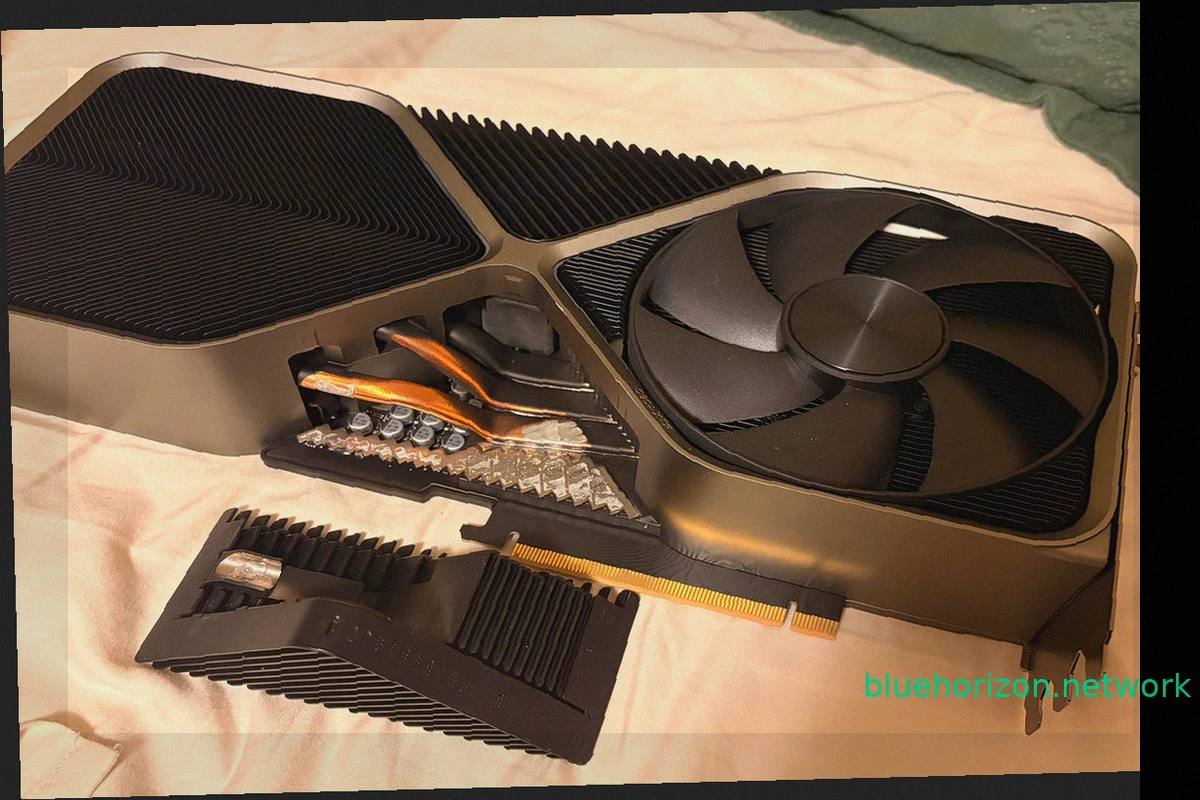
NVIDIA GeForce RTX 4090 Founders Edition Loses Part of Its Heatsink After Three Years
A NVIDIA GeForce RTX 4090 Founders Edition has presented an unusual problem, not with its power connector, but with its heatsink. This incident is unique, as a portion of the graphics card's massive heatsink literally detached while its owner was moving the computer. This wasn't a decorative c

Russian Missiles Strike Infrastructure of 1337x, Second Largest Torrent Tracker, Hitting Piracy
Russian missile attacks have damaged infrastructure belonging to popular torrent trackers like 1337x. Between September 23 and 27, 2026, Russia conducted strikes targeting data centers and communication facilities in Kyiv. These attacks temporarily disrupted internet access for approximately 1
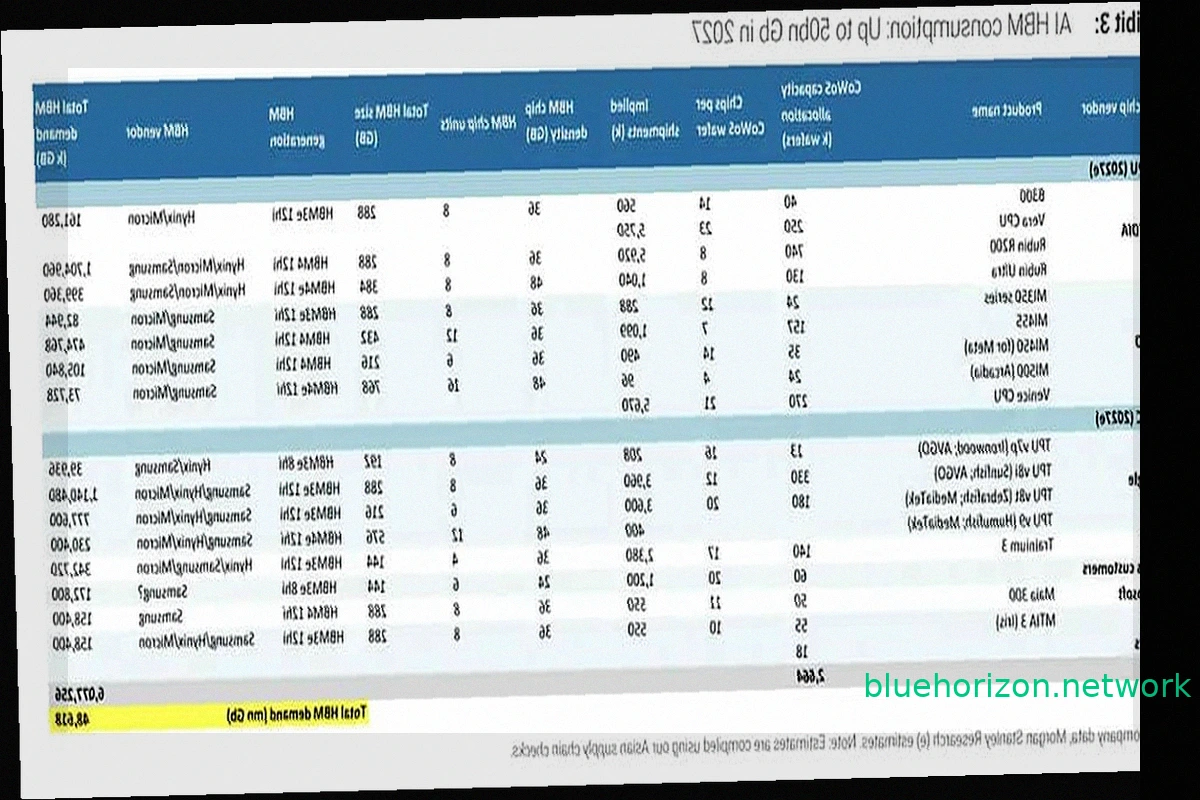
NVIDIA, Google, and AMD Poised to Control 85% of HBM Memory Demand by 2027
The "you'll own nothing and be happy" meme is finding a parallel in hardware, specifically memory. NVIDIA, Google, and AMD are set to command 85.4% of the global High Bandwidth Memory (HBM) demand by 2027, according to Morgan Stanley estimates. These three buyers will largely dictate the pace
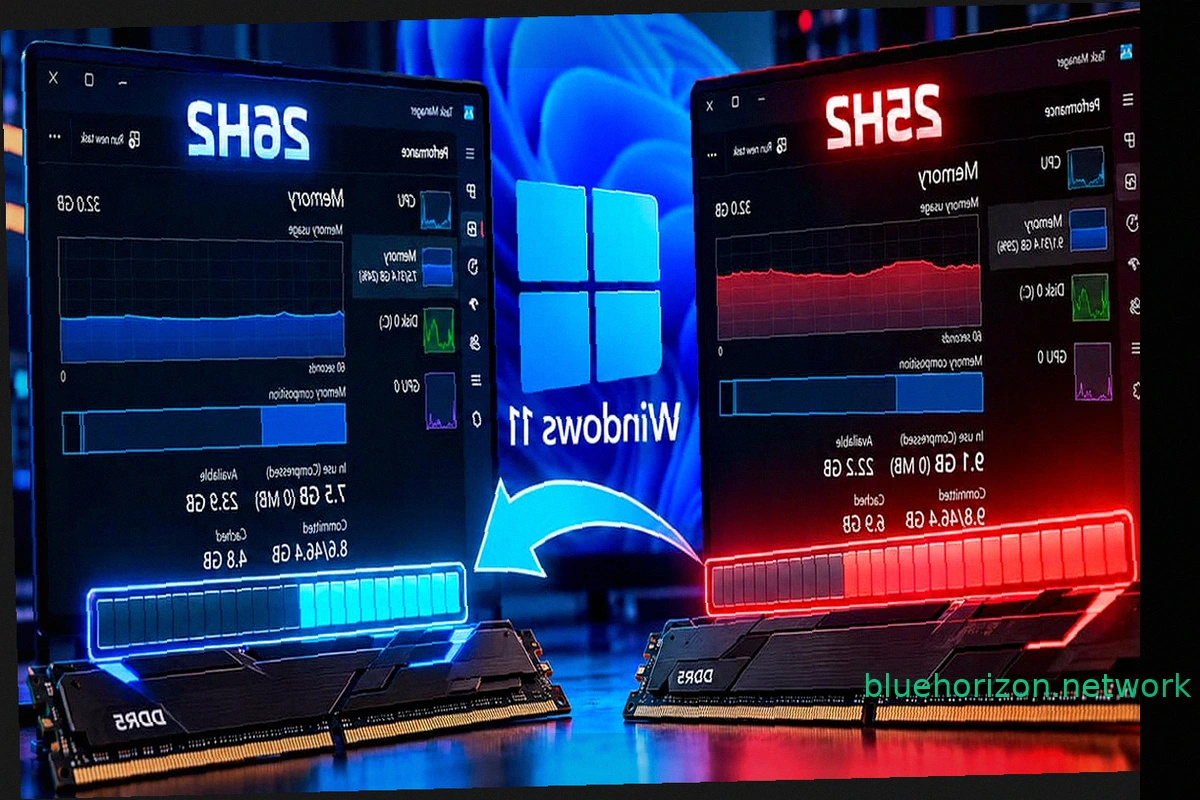
Windows 11 26H2 Reduces RAM Consumption by Up to 2 GB, But 8 GB Machines Still Struggle
Windows 11 26H2 is rolling out optimizations for RAM management. Some users report a noticeable decrease in RAM usage after installing this update, with certain systems showing a reduction of up to 2 GB compared to Windows 11 25H2 upon startup. However, initial findings suggest this improvemen

RTX 5090 fails with DLSS 5 after 48 hours for Chinese streamer
NVIDIA's RTX series introduced Tensor Cores, enabling technologies like DLSS. Early DLSS versions offered a noticeable drop in image quality compared to native resolution. DLSS 2 brought significant improvements, and DLSS 3 achieved parity or even superiority over native rendering. DLSS 4 cont