Anthropic Embeds Invisible Watermarks in Claude's Text and Images
Anthropic is introducing a subtle yet significant change: Claude will begin embedding machine-readable markings within the content it generates or processes. This invisible "fingerprint" will apply to both text and compatible image files, a move that, while not overtly visible, carries considerable implications.
This initiative stems from the transparency requirements of the European Union's AI Act. However, Anthropic has opted to implement these measures globally, a decision that has understandably sparked considerable controversy.
Claude's Invisible Fingerprint for Text and Images
For text, Claude will embed an invisible watermark directly into the generated content. Anthropic states that this watermark will not be visually apparent, nor will it alter the text's meaning, quality, or readability. Crucially, this mark is an integral part of the text itself, meaning it will persist even when the content is copied and pasted elsewhere and may even survive certain subsequent modifications.
This capability means that text originating from Claude and subsequently shared on websites, documents, emails, or other platforms could retain this embedded signal. This is particularly contentious given Anthropic's concurrent development of tools for third parties to detect these markings.
The integration doesn't stop at text. Claude will also embed provenance information into compatible files it generates or processes. Anthropic specifically mentions formats such as PNG, JPG, and SVG, where it will utilize digitally signed metadata based on the open standard C2PA.
This metadata will indicate that a file has passed through Claude and will also allow for verification of any subsequent alterations. It's important to note that this is not a visible watermark superimposed on an image, but rather digital information incorporated within the file itself.
All Claude Platforms Subject to New Regulations
This system will be present across new compatible models used via Claude, Claude API, Claude Code, Claude Cowork, and Claude Tag. It will also extend to third-party services such as AWS, Google Cloud, and Microsoft Foundry, although the full range of watermarking functionalities may not be available on all of these latter platforms.
Notably, this entire effort is a response to European obligations that came into effect on August 2, 2026. However, Anthropic is rolling out this watermarking globally, meaning European regulations will influence Claude's functionality for users in virtually every country.
A significant paradox emerges here: the detection of a watermark does not definitively prove that Claude originated the content. It's possible the AI was only used for tasks like editing, translation, summarization, or format conversion of human-created material.
Conversely, the absence of a watermark does not guarantee that the content is human-generated. Extensive editing, translation, screenshots, format changes, or simply removing metadata can cause the signal to disappear.
Anthropic is therefore building something far more ambitious than another unreliable AI content detector (which are notoriously inaccurate). They are creating an integrated traceability infrastructure within Claude, designed to accompany content beyond the platform itself. This infrastructure will, in the future, enable third parties to verify if AI has been involved in its creation.
Fresh materials — Technology News

Google Pixel Devices Hit by Nightmare Bug: September Update Locks Out Some Users
Updating your phone should be a simple process: install, restart, and continue. But imagine completing the update, entering your usual unlock pattern, and the phone not even letting you finish it. Your photos and messages remain, but you're locked out. This is the predicament some Google Pixel

NVIDIA GeForce RTX 4090 Founders Edition Loses Part of Its Heatsink After Three Years
A NVIDIA GeForce RTX 4090 Founders Edition has presented an unusual problem, not with its power connector, but with its heatsink. This incident is unique, as a portion of the graphics card's massive heatsink literally detached while its owner was moving the computer. This wasn't a decorative c

Russian Missiles Strike Infrastructure of 1337x, Second Largest Torrent Tracker, Hitting Piracy
Russian missile attacks have damaged infrastructure belonging to popular torrent trackers like 1337x. Between September 23 and 27, 2026, Russia conducted strikes targeting data centers and communication facilities in Kyiv. These attacks temporarily disrupted internet access for approximately 1
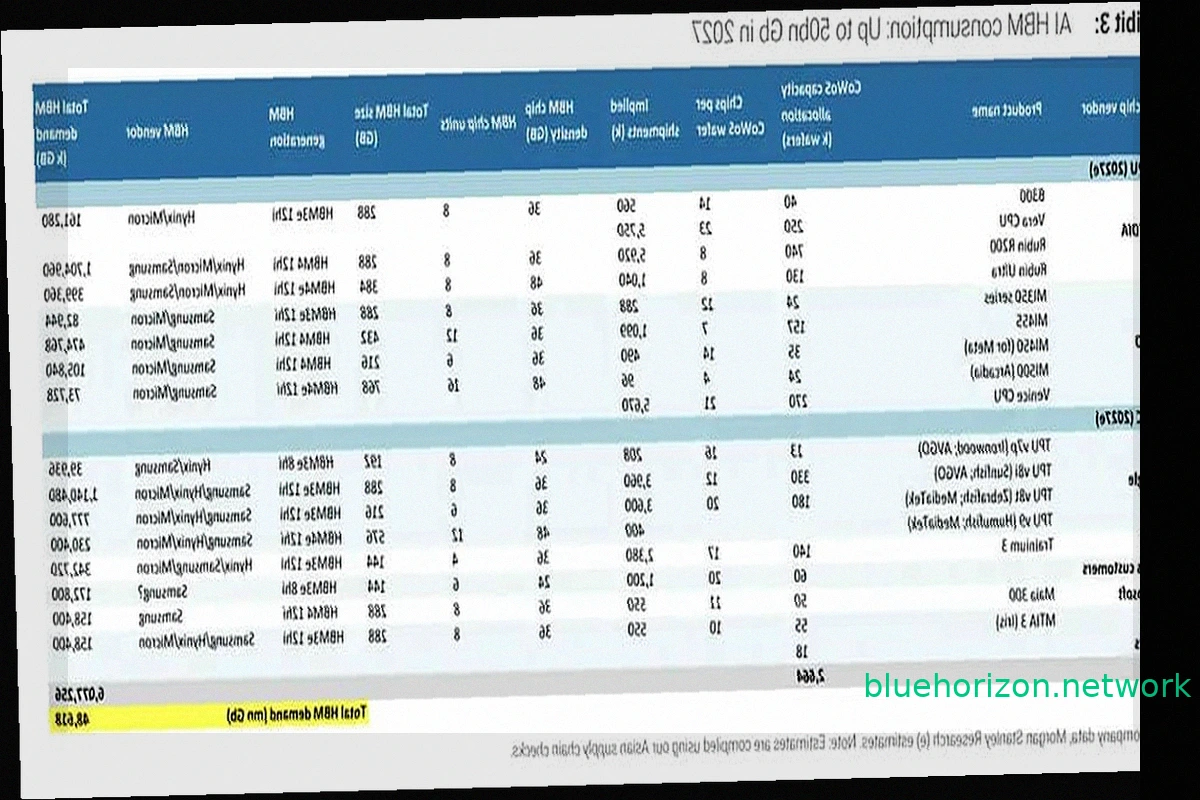
NVIDIA, Google, and AMD Poised to Control 85% of HBM Memory Demand by 2027
The "you'll own nothing and be happy" meme is finding a parallel in hardware, specifically memory. NVIDIA, Google, and AMD are set to command 85.4% of the global High Bandwidth Memory (HBM) demand by 2027, according to Morgan Stanley estimates. These three buyers will largely dictate the pace

Windows 11 26H2 Reduces RAM Consumption by Up to 2 GB, But 8 GB Machines Still Struggle
Windows 11 26H2 is rolling out optimizations for RAM management. Some users report a noticeable decrease in RAM usage after installing this update, with certain systems showing a reduction of up to 2 GB compared to Windows 11 25H2 upon startup. However, initial findings suggest this improvemen

RTX 5090 fails with DLSS 5 after 48 hours for Chinese streamer
NVIDIA's RTX series introduced Tensor Cores, enabling technologies like DLSS. Early DLSS versions offered a noticeable drop in image quality compared to native resolution. DLSS 2 brought significant improvements, and DLSS 3 achieved parity or even superiority over native rendering. DLSS 4 cont