Apple's Strategy with the MacBook Neo: Challenging Windows, Intel, and AMD in Laptops with Low Prices
Apple is preparing an unusual strategy within its laptop lineup to challenge its main rivals. While the PC market faces a projected decline of 9.2% by 2026, according to TrendForce, the company plans to launch its MacBook Neo at a significantly lower price than any current version. The objective is not merely to sell a new model but to expand the macOS user base in the entry-level segment, a territory dominated by Windows laptops powered by Intel and AMD processors. This marks the beginning of a market-entry strategy that Apple will execute with the MacBook Neo, notably leveraging its aggressive pricing.
With an estimated price of $599, and potentially as low as $499 for the educational market, Apple aims to compete directly in the $500 to $800 range, a price segment it has practically never entered. This is the core focus of the Cupertino-based company's approach.
Apple to Use Price as Main Weapon in MacBook Neo Strategy to Attract Users from Microsoft, Intel, and AMD

This move has a very clear interpretation: Apple aims to grow precisely when the PC market is undergoing a contraction phase due to various ongoing crises in the sector. Furthermore, it plans to do so with a product designed to attract users who would typically purchase a Windows laptop.
Specifically, TrendForce estimates that the launch of the MacBook Neo could boost MacBook shipments by 7.7% in 2026 and raise macOS market share to 13.2% of the global laptop market. If acceptance is strong and forecasts hold, Apple could sell between 4 and 5 million units of this model in its first year.
This is no small figure, considering Apple competes in a market historically dominated by manufacturers relying on Windows and Intel or AMD CPUs. It would represent an unprecedented overtake.
Apple's Control and Amortized Hardware Allow Unprecedented Price Pressure Against Rivals

As known, the MacBook Neo is expected to use the A18 Pro chip, the same SoC Apple employs in its high-end iPhones. This allows for considerable cost reduction, as Apple controls the silicon design and can reuse a mass production platform that has already been amortized.
In contrast, Windows laptop manufacturers rely on external CPUs, with Intel and AMD now focusing their efforts on AI. Furthermore, they use a wide variety of hardware configurations, which complicates cost control, especially when prices of key components rise.

Apple, on the other hand, can afford to launch a cheaper laptop thanks to its vertical integration and a very limited number of configurations. They optimize, control, and achieve better prices through volume. Not even Qualcomm can do that with Arm and TSMC.
The most debated aspect of the MacBook Neo will likely be its base configuration, which starts with 8 GB of RAM with no possibility of expansion. This could draw criticism if the device is used for more demanding tasks, but given the lightweight nature of macOS, it doesn't seem to be a hindrance in this entry-level market segment.
Selling Hardware to Charge for Software: The Growing Business Model for Many Companies

Even so, Apple seems to be taking that risk because the primary objective is not to compete on raw power, but to increase the number of users within its ecosystem with a cheap, affordable laptop featuring thoroughly proven hardware quality.
If the MacBook Neo successfully attracts students and new users, Apple will not only sell hardware but also expand its customer base using services like iCloud, Apple Music, or the App Store.
In other words, it would be a "Win-Win" situation, where the affordable laptop could become the gateway to Apple's services business. This strategy explains why the company is willing to lower prices in a market where almost all other manufacturers are doing the exact opposite. With this approach, the MacBook Neo could become a silent Trojan horse, penetrating the heart of the traditional laptop market. Will they succeed? We'll know in a year, but if they do... it will be pure dynamite for their rivals.
Fresh materials — Technology News
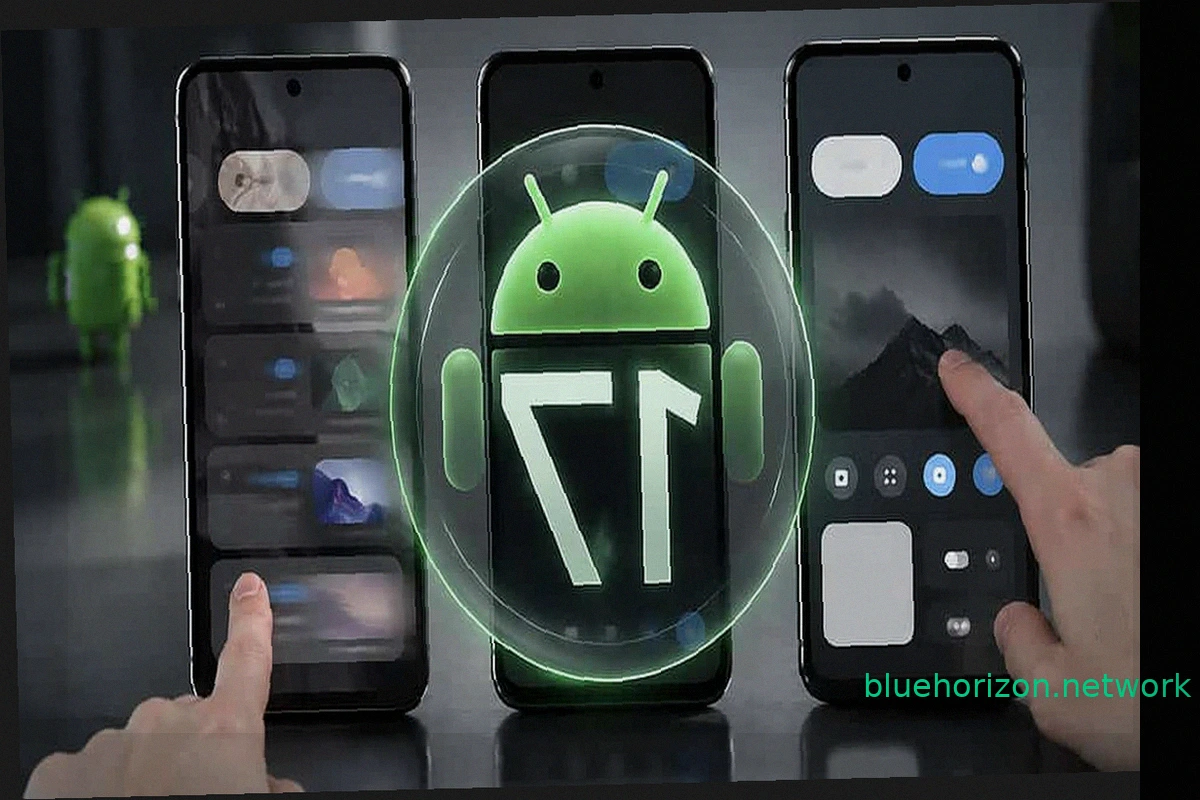
Google Pixel Devices Hit by Nightmare Bug: September Update Locks Out Some Users
Updating your phone should be a simple process: install, restart, and continue. But imagine completing the update, entering your usual unlock pattern, and the phone not even letting you finish it. Your photos and messages remain, but you're locked out. This is the predicament some Google Pixel
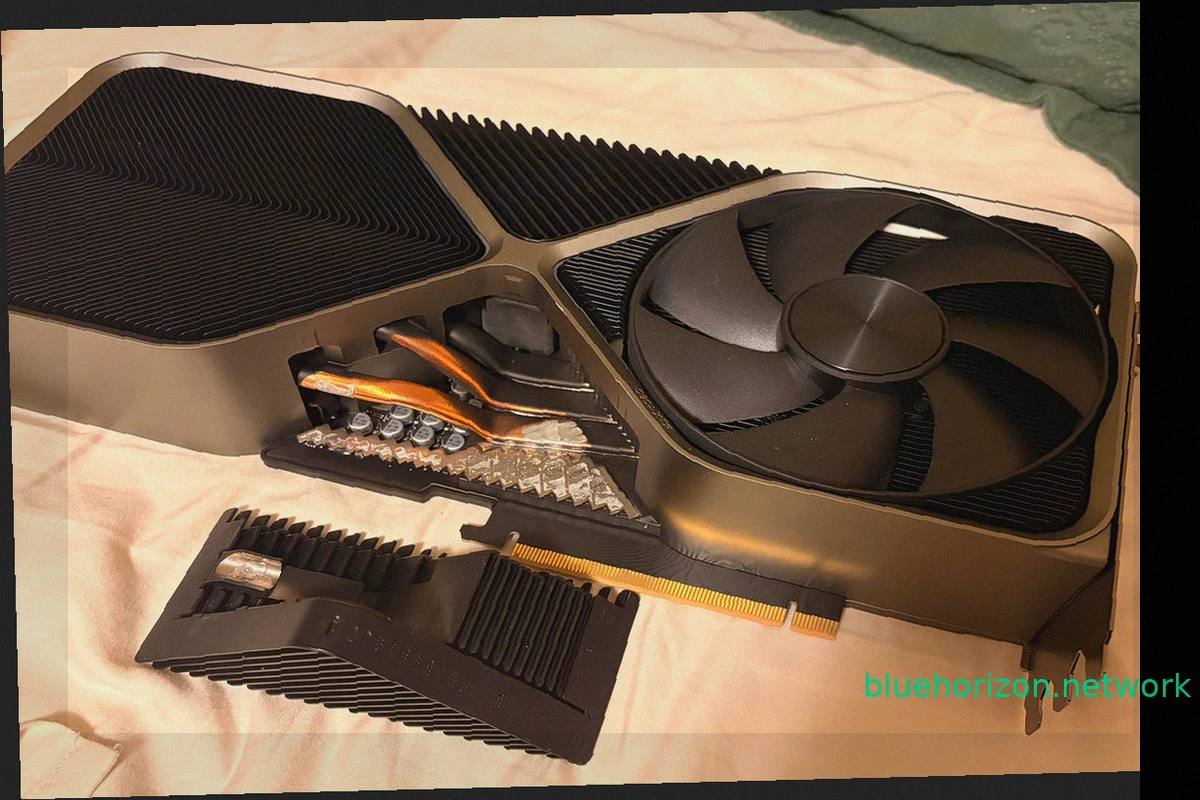
NVIDIA GeForce RTX 4090 Founders Edition Loses Part of Its Heatsink After Three Years
A NVIDIA GeForce RTX 4090 Founders Edition has presented an unusual problem, not with its power connector, but with its heatsink. This incident is unique, as a portion of the graphics card's massive heatsink literally detached while its owner was moving the computer. This wasn't a decorative c

Russian Missiles Strike Infrastructure of 1337x, Second Largest Torrent Tracker, Hitting Piracy
Russian missile attacks have damaged infrastructure belonging to popular torrent trackers like 1337x. Between September 23 and 27, 2026, Russia conducted strikes targeting data centers and communication facilities in Kyiv. These attacks temporarily disrupted internet access for approximately 1
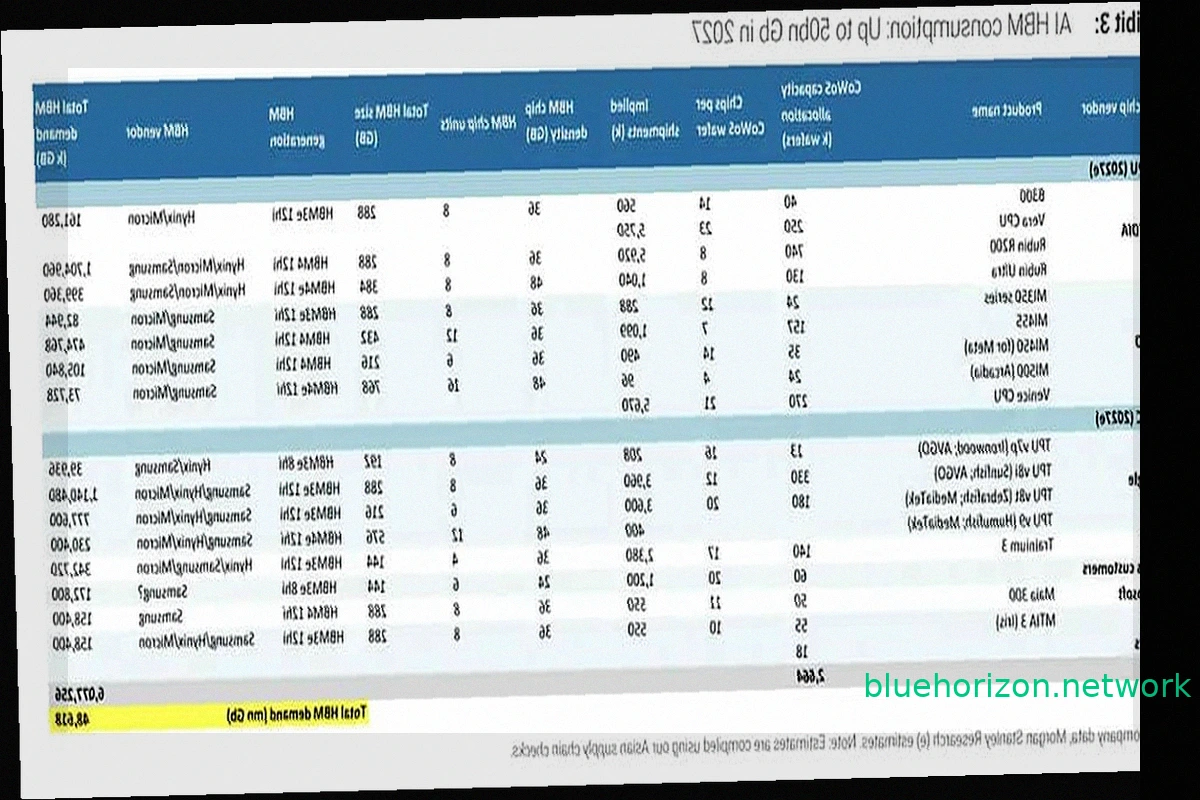
NVIDIA, Google, and AMD Poised to Control 85% of HBM Memory Demand by 2027
The "you'll own nothing and be happy" meme is finding a parallel in hardware, specifically memory. NVIDIA, Google, and AMD are set to command 85.4% of the global High Bandwidth Memory (HBM) demand by 2027, according to Morgan Stanley estimates. These three buyers will largely dictate the pace
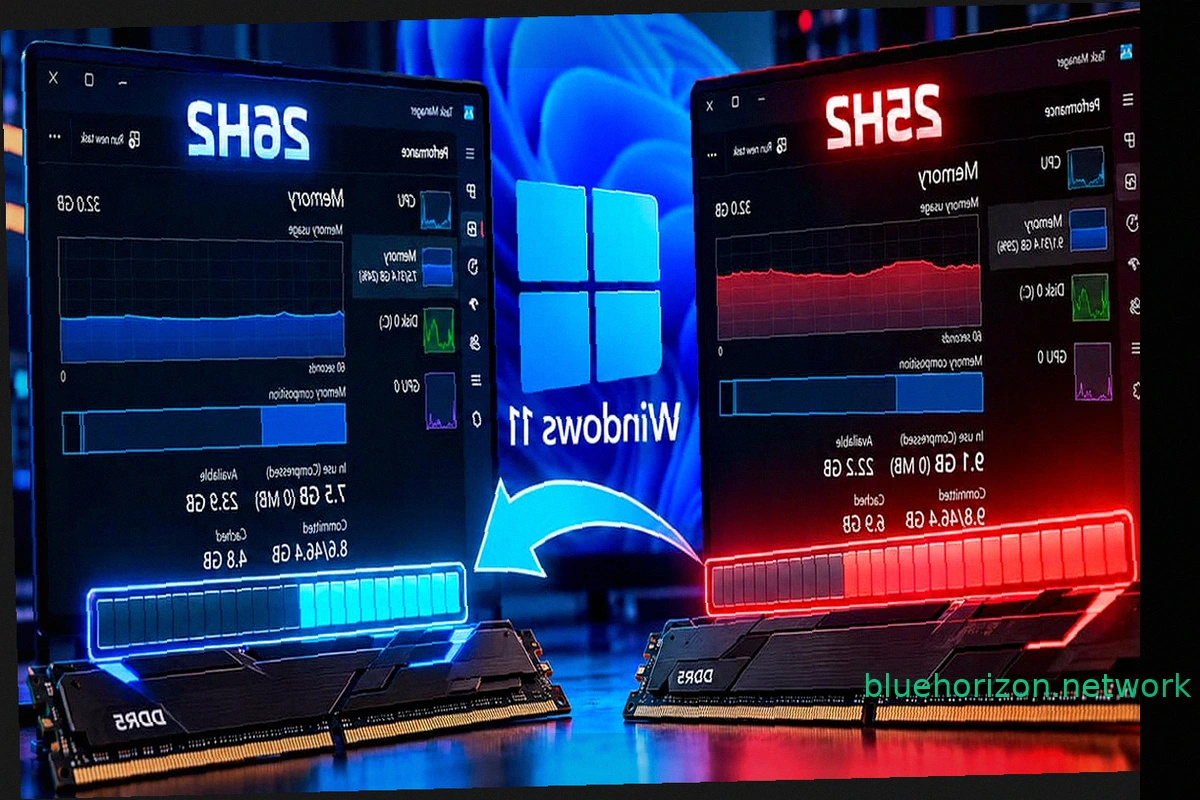
Windows 11 26H2 Reduces RAM Consumption by Up to 2 GB, But 8 GB Machines Still Struggle
Windows 11 26H2 is rolling out optimizations for RAM management. Some users report a noticeable decrease in RAM usage after installing this update, with certain systems showing a reduction of up to 2 GB compared to Windows 11 25H2 upon startup. However, initial findings suggest this improvemen

RTX 5090 fails with DLSS 5 after 48 hours for Chinese streamer
NVIDIA's RTX series introduced Tensor Cores, enabling technologies like DLSS. Early DLSS versions offered a noticeable drop in image quality compared to native resolution. DLSS 2 brought significant improvements, and DLSS 3 achieved parity or even superiority over native rendering. DLSS 4 cont