ASRock Unveils Z890 Taichi 10th Anniversary Edition: Featuring a Unique Fractured Design
ASRock, renowned for its innovative motherboard designs, is celebrating a significant milestone with the introduction of the ASRock Z890 Taichi 10th Anniversary Edition. This new motherboard pays tribute to the highly acclaimed Taichi family, which has marked ASRock's strong presence in the high-end hardware segment since the original X99 Taichi debuted in 2016.
This special anniversary edition distinguishes itself with a truly unique visual design. While the upper section of the board adopts a more understated style complemented by elegant golden accents, the lower part immediately captures attention with an intricate radial pattern that strikingly resembles a fractured CD or DVD. This distinctive aesthetic offers a modern and visually compelling appeal.
Technical Specifications of the Z890 Taichi 10th Anniversary Edition

Beyond its eye-catching design, the specifications for the Z890 Taichi 10th Anniversary Edition appear to mirror those of the standard Z890 Taichi. It is engineered to support the latest LGA 1851 socket and boasts a robust 20+1+2+1+1 phase VRM, equipped with 110A SPS, ensuring exceptional stability and superior overclocking capabilities for enthusiasts.
In terms of connectivity, the motherboard offers a primary PCIe 5.0 x16 slot for the graphics card, directly powered by the CPU, alongside an additional PCIe 4.0 x16 slot managed by the chipset. It also incorporates multiple M.2 slots for high-speed storage solutions and a dedicated M.2 module for advanced wireless connectivity, supporting Wi-Fi 7 (802.11be 2x2) across 2.4 GHz, 5 GHz, and 6 GHz frequency bands.

For memory, the board supports four DDR5 modules with impressive speeds of up to 9,600 MHz. While the official pricing and launch date for this special anniversary edition have yet to be announced, the standard ASRock Z890 Taichi model is currently available on the market, typically retailing in the range of 450-470 euros.
Fresh materials — Technology News
Google Pixel Devices Hit by Nightmare Bug: September Update Locks Out Some Users
Updating your phone should be a simple process: install, restart, and continue. But imagine completing the update, entering your usual unlock pattern, and the phone not even letting you finish it. Your photos and messages remain, but you're locked out. This is the predicament some Google Pixel
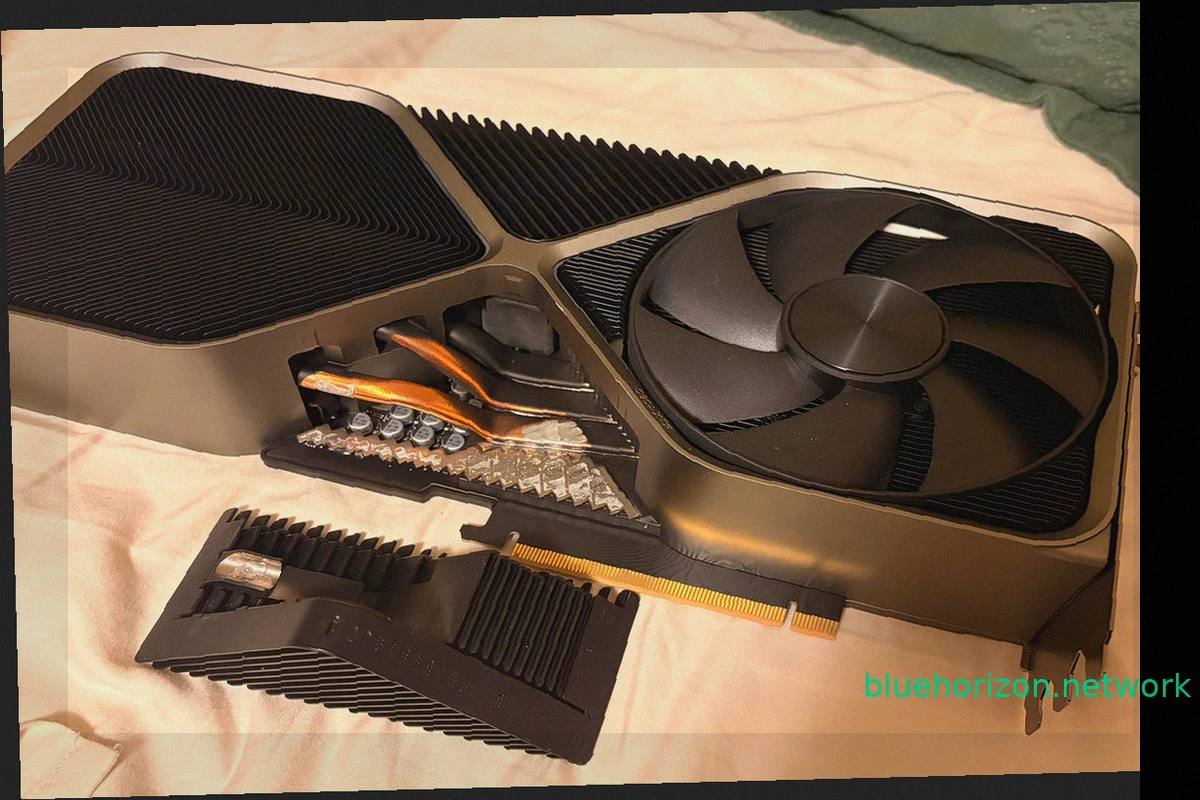
NVIDIA GeForce RTX 4090 Founders Edition Loses Part of Its Heatsink After Three Years
A NVIDIA GeForce RTX 4090 Founders Edition has presented an unusual problem, not with its power connector, but with its heatsink. This incident is unique, as a portion of the graphics card's massive heatsink literally detached while its owner was moving the computer. This wasn't a decorative c

Russian Missiles Strike Infrastructure of 1337x, Second Largest Torrent Tracker, Hitting Piracy
Russian missile attacks have damaged infrastructure belonging to popular torrent trackers like 1337x. Between September 23 and 27, 2026, Russia conducted strikes targeting data centers and communication facilities in Kyiv. These attacks temporarily disrupted internet access for approximately 1
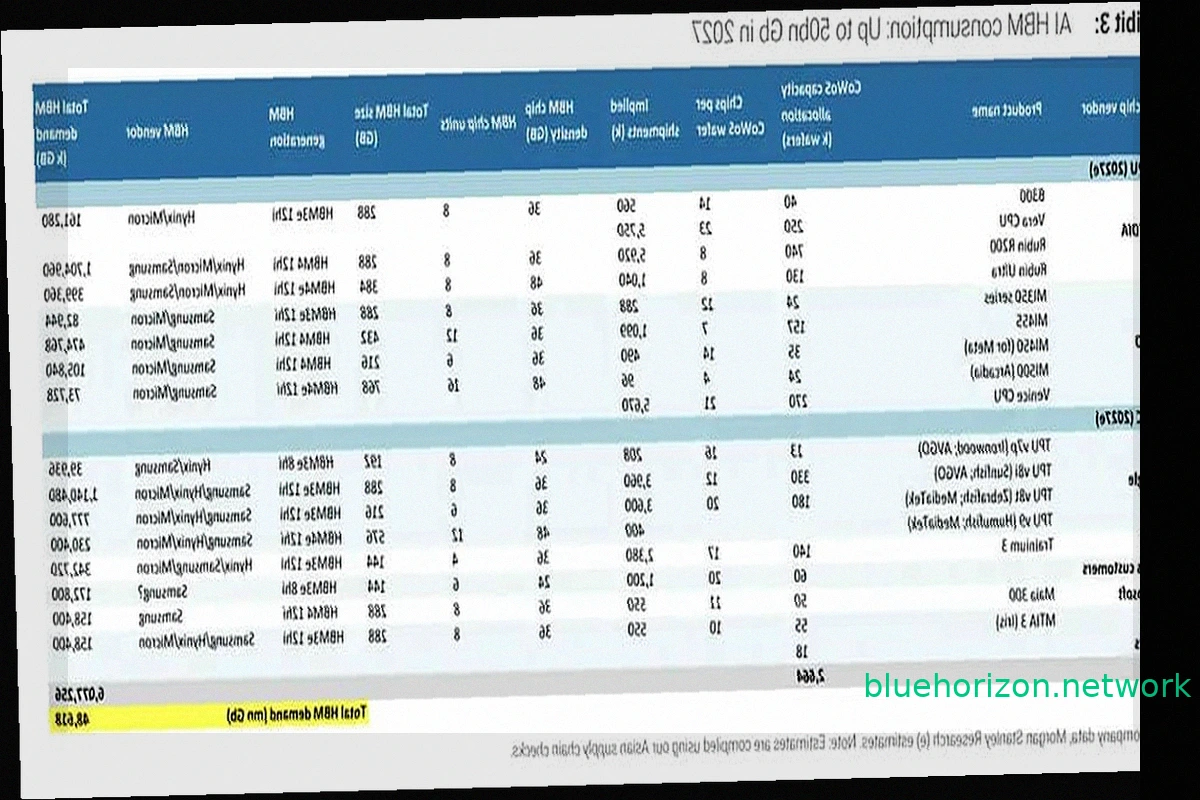
NVIDIA, Google, and AMD Poised to Control 85% of HBM Memory Demand by 2027
The "you'll own nothing and be happy" meme is finding a parallel in hardware, specifically memory. NVIDIA, Google, and AMD are set to command 85.4% of the global High Bandwidth Memory (HBM) demand by 2027, according to Morgan Stanley estimates. These three buyers will largely dictate the pace
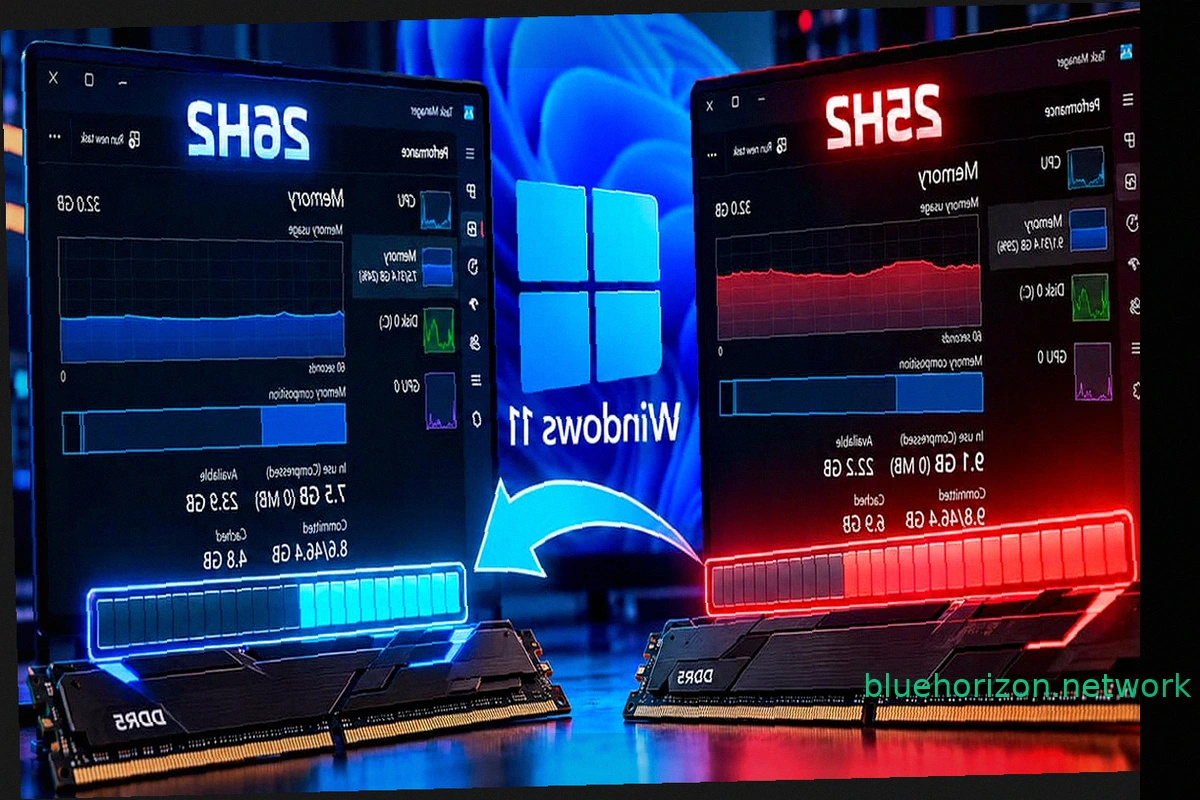
Windows 11 26H2 Reduces RAM Consumption by Up to 2 GB, But 8 GB Machines Still Struggle
Windows 11 26H2 is rolling out optimizations for RAM management. Some users report a noticeable decrease in RAM usage after installing this update, with certain systems showing a reduction of up to 2 GB compared to Windows 11 25H2 upon startup. However, initial findings suggest this improvemen
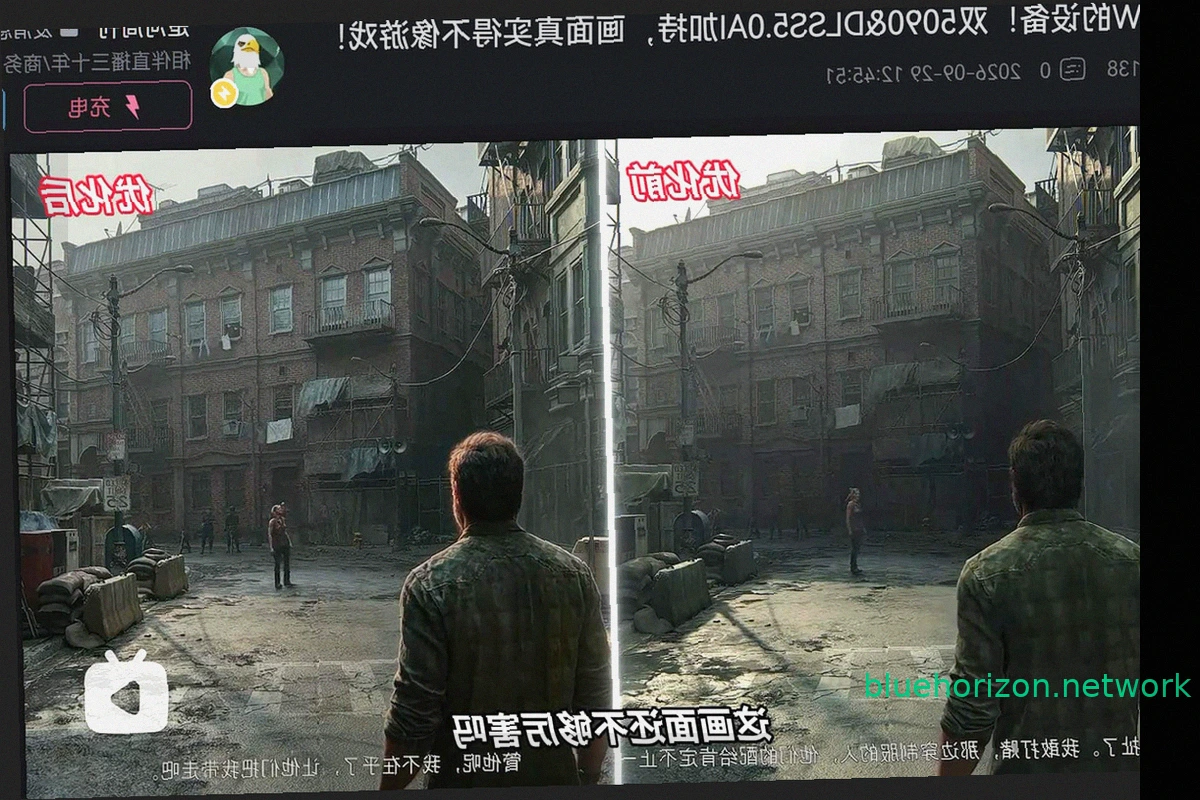
RTX 5090 fails with DLSS 5 after 48 hours for Chinese streamer
NVIDIA's RTX series introduced Tensor Cores, enabling technologies like DLSS. Early DLSS versions offered a noticeable drop in image quality compared to native resolution. DLSS 2 brought significant improvements, and DLSS 3 achieved parity or even superiority over native rendering. DLSS 4 cont