ASUS Prepares for Historic Price Hikes as DRAM Shortages Intensify
ASUS is reportedly preparing for its most significant and aggressive PC price increases to date. This substantial hike is primarily attributed to the depletion of existing stocks of inexpensive memory. Manufacturers are finding it increasingly difficult to absorb the escalating costs of DRAM/RAM and NAND/SSD, further complicated by ongoing CPU supply challenges. In Taiwan, price increases of up to 30% are anticipated, with suggestions that these pressures could inevitably extend to other global markets if they persist.
ASUS had previously signaled upcoming price surges since December 2025, identifying them as a major market trend. In early January, the company communicated to its customers and partners that strategic price adjustments would be applied to a portion of its product catalog starting January 5th. These initial price increases were linked to cost pressures on DRAM and NAND/SSD, driven by shifts in supply chain production capacity, rising manufacturing costs, and strong demand fueled by artificial intelligence (AI).
New ASUS Price Hikes in Taiwan Expected Immediately
An ASUS executive informed the Taiwanese agency UDN that, beginning in April, the PC market in Taiwan is expected to see price increases ranging from 25% to 30%, potentially even higher for specific products. This escalation is directly connected to an extreme scarcity of DRAM and SSDs, alongside a shortage of Intel and AMD processors in certain segments. It's important to note that production capacity for consumer components has been redirected towards more profitable server hardware for AI applications, both for memory and processors/graphics cards.
ASUS is not an isolated case. Market analyst TrendForce has revised its forecast upwards for the second quarter of 2026, predicting a new price increase of 90-95% for conventional DRAM. Concurrently, NAND Flash is projected to rise by 55-60%. For consumers, this could translate to RAM module price increases exceeding 100% as major manufacturers exhaust their remaining "cheap" memory inventory.
As indicated, these price challenges are not exclusive to ASUS. TrendForce and CNA have reported similar actions or warnings from other manufacturers such as Lenovo and Acer, reinforcing the notion of an industry-wide pressure rather than an isolated commercial decision. When RAM becomes scarce and more expensive, it affects the entire industry.
What Now Seems Expensive May Soon Be a Bargain
The DRAM market is currently facing a complete collapse, with NAND memory now also beginning to experience similar issues, indicating an impending surge in SSD prices. Data centers focused on AI are intensely straining the available supply of all types of memory, processors, and graphics chips. This demand is expected to lead to a double-digit decline in sales for the consumer PC and smartphone markets in 2026.
Specifically, IDC analysts predict an 11.3% drop in the global PC market. Despite this sales volume decrease, revenues are projected to grow due to a significant rise in average prices. The market for entry-level and low-end computers is expected to be the most severely impacted, primarily because AMD and Intel find it less profitable to manufacture these types of processors, opting instead to increase production of higher-margin server-grade CPUs.
Consequently, Taiwan will be the first to experience the impact of these global cost pressures. Following this, the mechanism of price increases, potentially exceeding 30%, could gradually extend to other markets. ASUS will likely adjust price hikes regionally based on market competitiveness and as existing "cheap" hardware inventory is depleted.
Fresh materials — Technology News

Google Pixel Devices Hit by Nightmare Bug: September Update Locks Out Some Users
Updating your phone should be a simple process: install, restart, and continue. But imagine completing the update, entering your usual unlock pattern, and the phone not even letting you finish it. Your photos and messages remain, but you're locked out. This is the predicament some Google Pixel
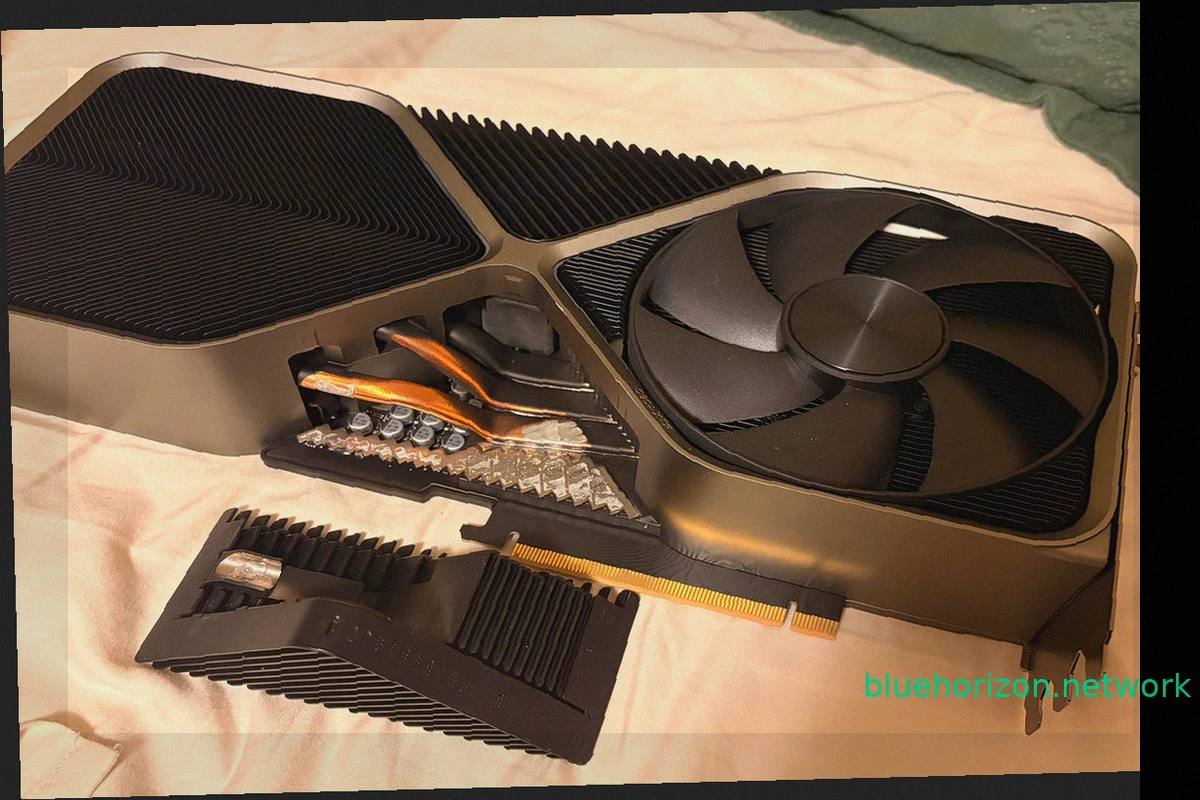
NVIDIA GeForce RTX 4090 Founders Edition Loses Part of Its Heatsink After Three Years
A NVIDIA GeForce RTX 4090 Founders Edition has presented an unusual problem, not with its power connector, but with its heatsink. This incident is unique, as a portion of the graphics card's massive heatsink literally detached while its owner was moving the computer. This wasn't a decorative c

Russian Missiles Strike Infrastructure of 1337x, Second Largest Torrent Tracker, Hitting Piracy
Russian missile attacks have damaged infrastructure belonging to popular torrent trackers like 1337x. Between September 23 and 27, 2026, Russia conducted strikes targeting data centers and communication facilities in Kyiv. These attacks temporarily disrupted internet access for approximately 1
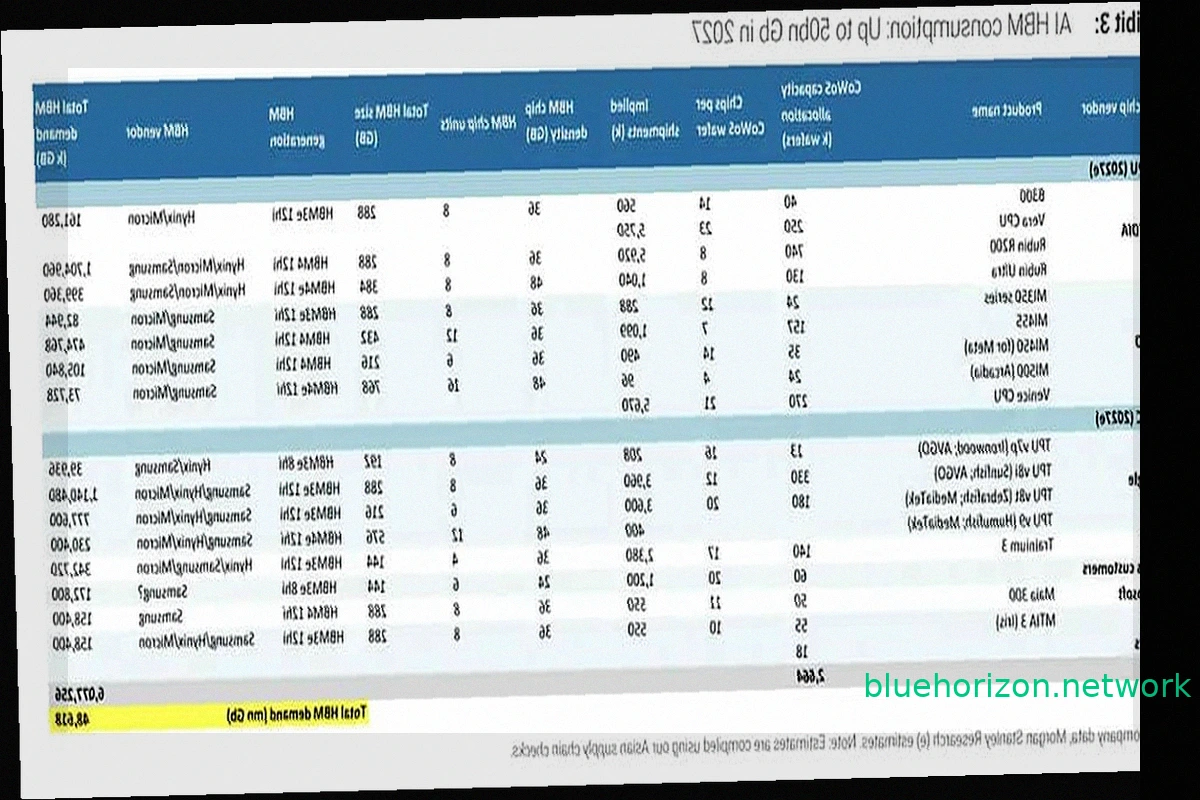
NVIDIA, Google, and AMD Poised to Control 85% of HBM Memory Demand by 2027
The "you'll own nothing and be happy" meme is finding a parallel in hardware, specifically memory. NVIDIA, Google, and AMD are set to command 85.4% of the global High Bandwidth Memory (HBM) demand by 2027, according to Morgan Stanley estimates. These three buyers will largely dictate the pace
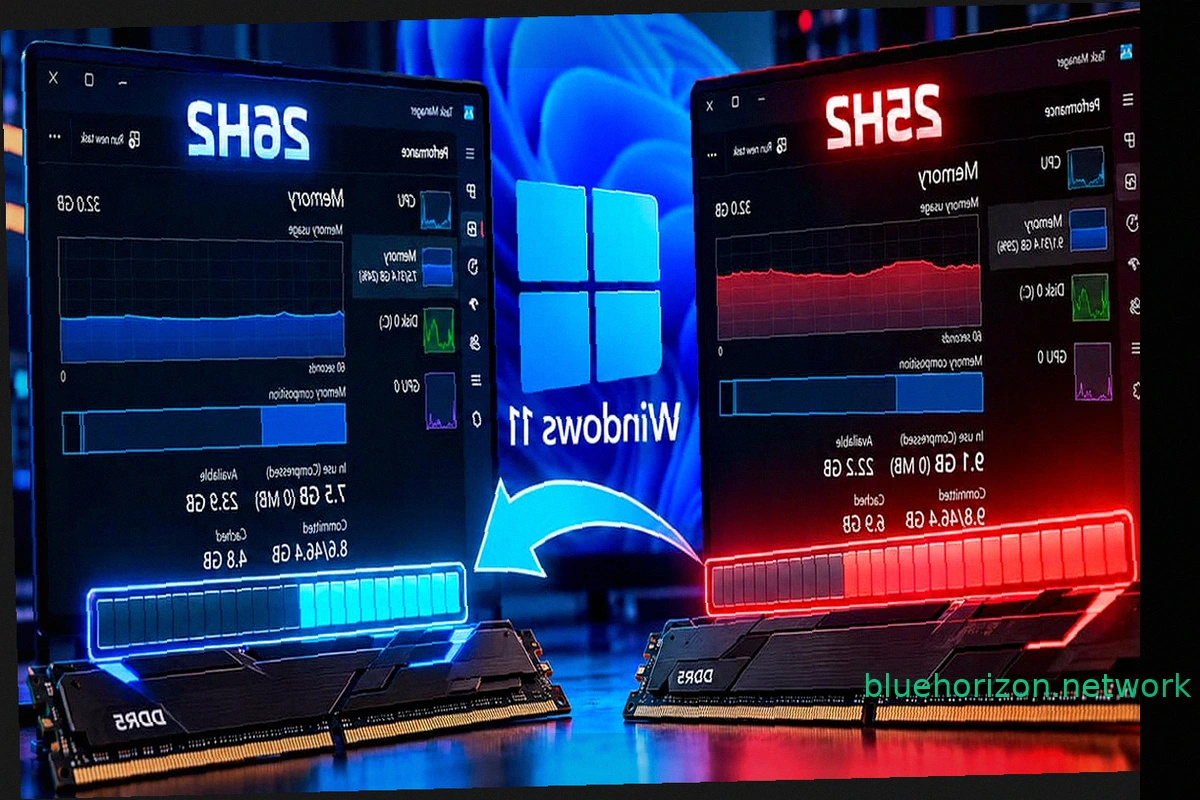
Windows 11 26H2 Reduces RAM Consumption by Up to 2 GB, But 8 GB Machines Still Struggle
Windows 11 26H2 is rolling out optimizations for RAM management. Some users report a noticeable decrease in RAM usage after installing this update, with certain systems showing a reduction of up to 2 GB compared to Windows 11 25H2 upon startup. However, initial findings suggest this improvemen

RTX 5090 fails with DLSS 5 after 48 hours for Chinese streamer
NVIDIA's RTX series introduced Tensor Cores, enabling technologies like DLSS. Early DLSS versions offered a noticeable drop in image quality compared to native resolution. DLSS 2 brought significant improvements, and DLSS 3 achieved parity or even superiority over native rendering. DLSS 4 cont