ASUS Zenbook A16 (UX3607OA) with Snapdragon X Elite Extreme: Price, Specs & Release
Discover the ASUS Zenbook A16 (UX3607OA), a premium ultrabook featuring the powerful Snapdragon X Elite Extreme SoC, a stunning 3K OLED display, Ceraluminum chassis, and up to 22 hours of battery life. Learn about its specifications, performance, and €2,299 price in Spain.
ASUS has officially announced the availability of its new high-performance ultrabook, the ASUS Zenbook A16 (UX3607OA), in Spain. This cutting-edge device stands out by incorporating Qualcomm's new flagship Snapdragon X Elite Extreme SoC, designed specifically for Windows 11 laptops. Beyond its powerful processor, the Zenbook A16 integrates several premium features, including a vibrant OLED display and a high-capacity battery, aiming to redefine the ultrabook experience.
A significant innovation in this laptop is its chassis, crafted from Ceraluminum, a proprietary material developed by ASUS. Ceraluminum uniquely blends the lightweight properties of aluminum with the exceptional hardness and scratch resistance of ceramic. This is achieved through a plasma ceramization process: the aluminum base undergoes an electrolytic bath using pure water and minerals under high voltage, transforming its surface into a durable ceramic layer. This makes the device more resilient against impacts, scratches, and daily wear and tear.
ASUS Zenbook A16 (UX3607OA) Ultrabook Specifications
At its core, the ASUS Zenbook A16 (UX3607OA) is powered by the Snapdragon X Elite Extreme SoC (X2E94100), Qualcomm's top-tier chip for portable computers. Manufactured by TSMC on a 3nm process, this SoC features an 18-core CPU, comprising 12 high-performance cores (reaching up to 5.00 GHz) and 6 efficiency cores (clocked at 3.60 GHz). Integrated alongside the CPU is the Adreno X2-90 GPU, operating at 1.85 GHz, and an NPU delivering 80 TOPS for AI workloads. The system is further equipped with a substantial 48 GB of LPDDR5X RAM running at 9,523 MT/s, providing a bandwidth of 228.6 GB/s.
For context, the Snapdragon X Elite Extreme achieves impressive Geekbench scores of 4,033 points in single-core and 23,198 points in multi-core tests. This performance is comparable to high-end desktop processors like the AMD Ryzen 9 9950X or Intel Core Ultra 9 285K, all while maintaining significantly lower power consumption. However, it's important to note that actual performance may vary with x86 software running via emulation on the ARM-based CPU. The Adreno X2-90 GPU's benchmark performance is on par with a NVIDIA GeForce RTX 3050 Laptop or AMD Radeon 890M.
Thus, the ASUS Zenbook A16 (UX3607OA) offers remarkable power for an ultrabook. It also includes a 1 TB PCIe 4.0 SSD for fast storage and a 70 WHr battery promising up to 22 hours of autonomy (or 6 to 8 hours under intensive workloads). All these features are packed into a chassis measuring 16.5 mm at its thickest point (13.8 mm at its thinnest) and weighing just 1.2 kilograms.
Additional Specifications
The display on the ASUS Zenbook A16 (UX3607OA) is a stunning 16-inch OLED panel featuring a 3K resolution of 2,880 x 1,800 pixels with a 120 Hz refresh rate. This panel boasts a rapid 0.2-millisecond response time, reaches a peak brightness of up to 1,100 nits for HDR content, and covers 100% of the DCI-P3 color space. An HD infrared camera supporting Windows Hello facial recognition is also integrated.
Connectivity options include two USB4 ports, one USB 3.2, HDMI 2.1, an SD 4.0 card reader, and a 3.5 mm headphone jack. Wireless connectivity is handled by Wi-Fi 7 and Bluetooth 5.4. The ultrabook also features a backlit chiclet keyboard, a precision touchpad, 130W fast charging via USB-C, and a six-speaker sound system. It comes pre-installed with Windows 11 Home.
The ASUS Zenbook A16 (UX3607OA) is officially launching in Spain at a recommended price of 2,299 euros, with shipments commencing on April 30th. It is anticipated that similar pricing and availability dates will apply across the rest of Europe.
Fresh materials — Technology News
Google Pixel Devices Hit by Nightmare Bug: September Update Locks Out Some Users
Updating your phone should be a simple process: install, restart, and continue. But imagine completing the update, entering your usual unlock pattern, and the phone not even letting you finish it. Your photos and messages remain, but you're locked out. This is the predicament some Google Pixel
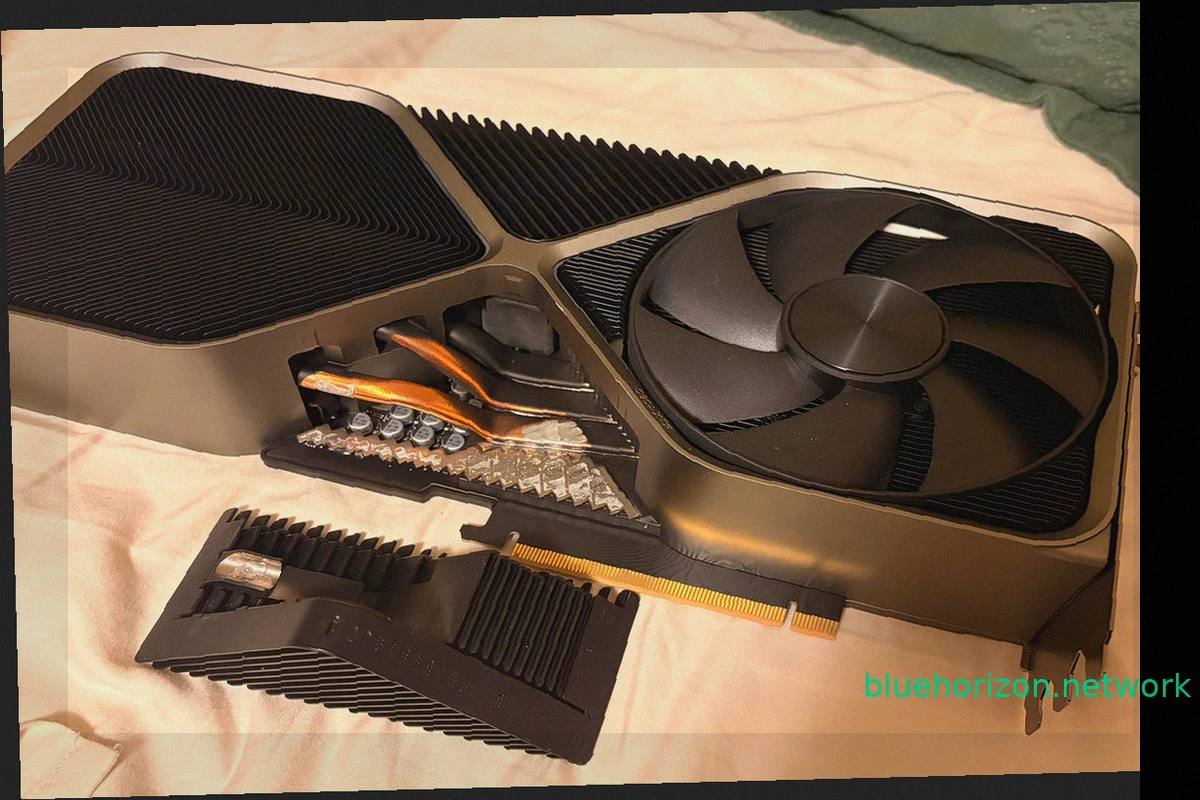
NVIDIA GeForce RTX 4090 Founders Edition Loses Part of Its Heatsink After Three Years
A NVIDIA GeForce RTX 4090 Founders Edition has presented an unusual problem, not with its power connector, but with its heatsink. This incident is unique, as a portion of the graphics card's massive heatsink literally detached while its owner was moving the computer. This wasn't a decorative c

Russian Missiles Strike Infrastructure of 1337x, Second Largest Torrent Tracker, Hitting Piracy
Russian missile attacks have damaged infrastructure belonging to popular torrent trackers like 1337x. Between September 23 and 27, 2026, Russia conducted strikes targeting data centers and communication facilities in Kyiv. These attacks temporarily disrupted internet access for approximately 1
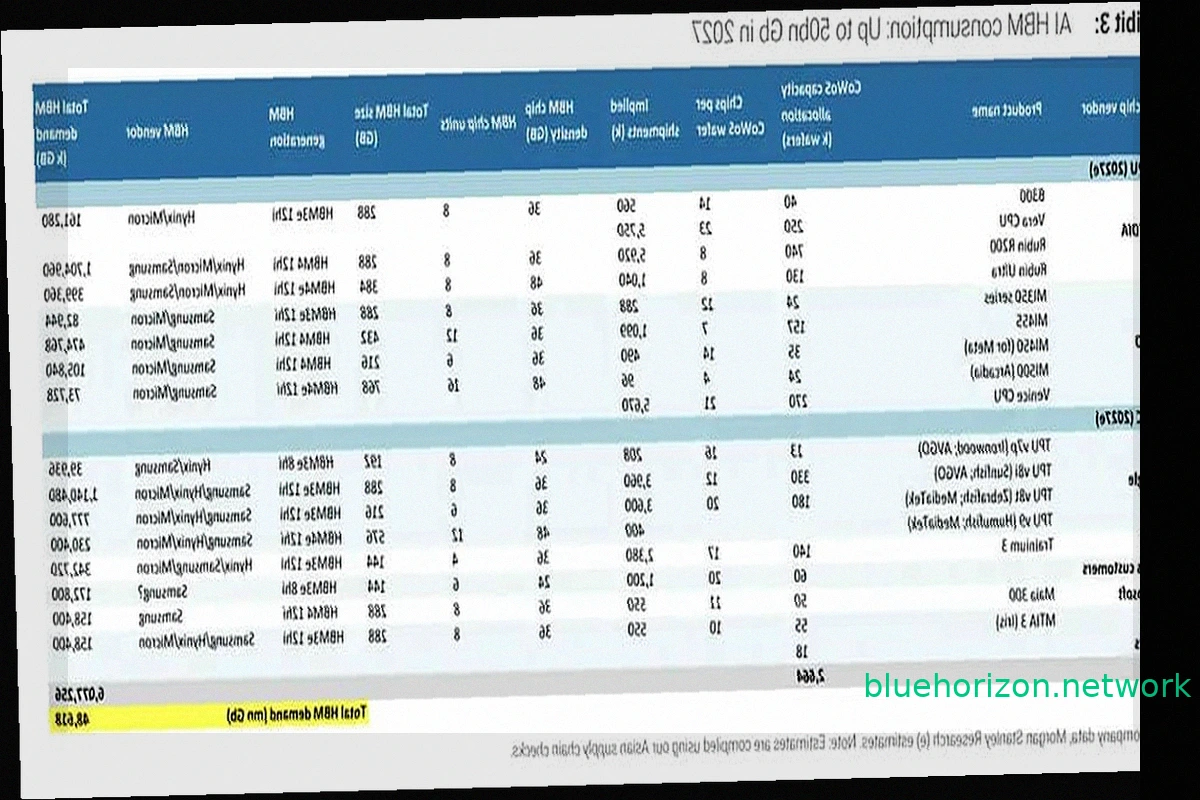
NVIDIA, Google, and AMD Poised to Control 85% of HBM Memory Demand by 2027
The "you'll own nothing and be happy" meme is finding a parallel in hardware, specifically memory. NVIDIA, Google, and AMD are set to command 85.4% of the global High Bandwidth Memory (HBM) demand by 2027, according to Morgan Stanley estimates. These three buyers will largely dictate the pace
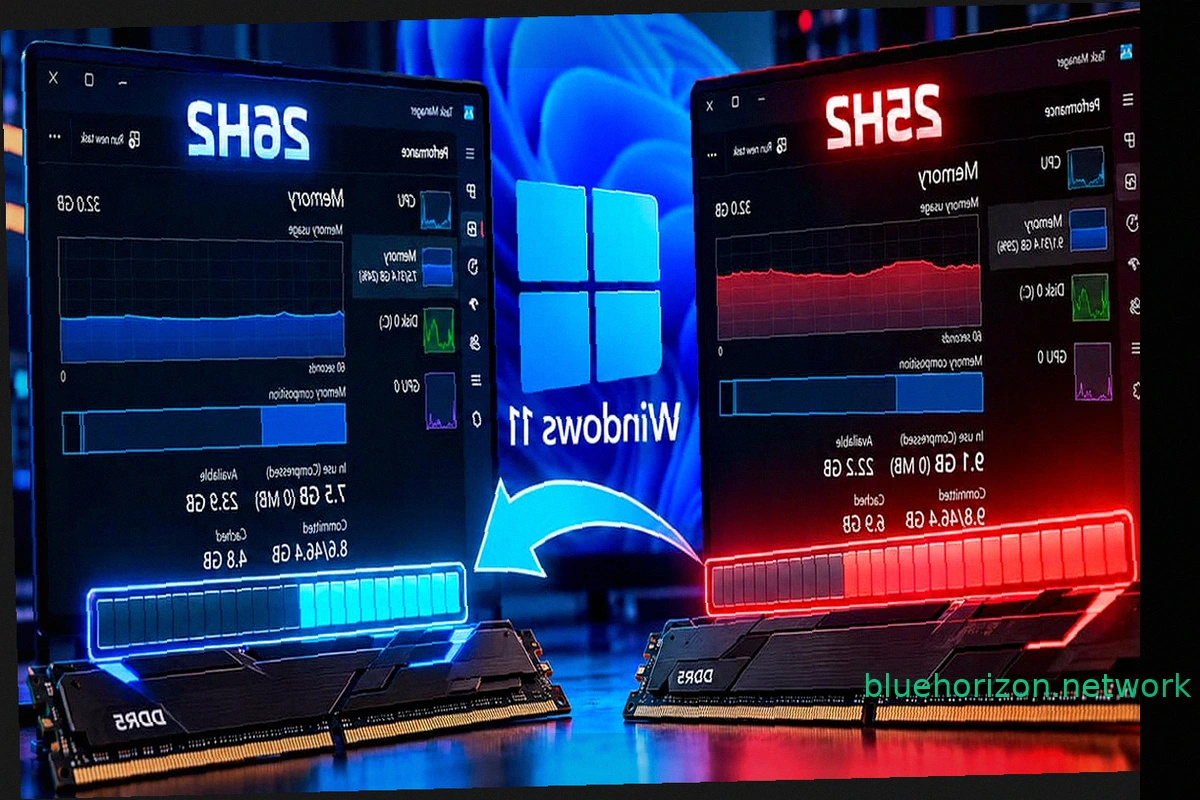
Windows 11 26H2 Reduces RAM Consumption by Up to 2 GB, But 8 GB Machines Still Struggle
Windows 11 26H2 is rolling out optimizations for RAM management. Some users report a noticeable decrease in RAM usage after installing this update, with certain systems showing a reduction of up to 2 GB compared to Windows 11 25H2 upon startup. However, initial findings suggest this improvemen

RTX 5090 fails with DLSS 5 after 48 hours for Chinese streamer
NVIDIA's RTX series introduced Tensor Cores, enabling technologies like DLSS. Early DLSS versions offered a noticeable drop in image quality compared to native resolution. DLSS 2 brought significant improvements, and DLSS 3 achieved parity or even superiority over native rendering. DLSS 4 cont