Bazzite Enhancements for NVIDIA GPUs
Bazzite is preparing a series of improvements specifically for systems equipped with NVIDIA GeForce graphics cards. These enhancements aim to address common issues related to system suspension, resuming from sleep, and GPU power consumption when idle. While these changes are already implemente
Bazzite is preparing a series of improvements specifically for systems equipped with NVIDIA GeForce graphics cards. These enhancements aim to address common issues related to system suspension, resuming from sleep, and GPU power consumption when idle. While these changes are already implemented, they are currently only available within the distribution's testing branch.
These fixes are particularly relevant for laptops and systems with hybrid graphics, where a dedicated GPU not entering sleep mode correctly can negatively impact performance. On laptops, this leads to unnecessary power drain, affecting battery life. For desktops, the issue manifests as the GPU generating unwanted heat while idle. Bazzite users, who rely on this Fedora Atomic Desktop-based OS as a community alternative to SteamOS, are expected to welcome these improvements, especially given that most gamers use NVIDIA GPUs.
Bazzite Implements New Power-Saving Mechanisms for NVIDIA GeForce GPUs
The modifications were introduced in the testing-44.20260801.2 version, which added a new configuration file, nvidia-power.conf. This file enables the parameters NV_reg_EnableS0ixPowerManagement=1 and NV_reg_DynamicPowerManagement=0x02. The former introduces S0ix suspend support on compatible platforms, while the latter allows the driver to dynamically manage the power state of the dedicated GPU.
S0ix suspend, also known as s2idle or idle suspend, allows a significant portion of the GPU to be powered down while retaining the necessary information for a rapid system resume. According to NVIDIA's documentation, when graphics memory usage drops below a certain threshold, the driver can copy its contents to main memory and power down both the graphics chip and its VRAM. For high memory usage scenarios, VRAM can enter a self-refresh mode while the rest of the GPU remains deactivated.
Bazzite has also integrated udev rules that automatically activate runtime power management for NVIDIA graphics devices. In essence, when the driver binds to the GPU, the system changes its power/control parameter to automatic mode, enabling reduced device power consumption when there is no workload. Upon unbinding the driver, the configuration reverts to active mode to prevent the hardware from becoming inaccessible during the process.
Improvements Also Affect System Suspend, Hibernate, and Resume Modes
Beyond dynamic power control, Bazzite is beginning to address critical deficiencies in suspend mode management, including issues with nvidia-suspend, nvidia-resume, nvidia-hibernate, nvidia-powerd, and nvidia-suspend-then-hibernate. These components are designed to correctly coordinate the graphics driver with systemd before suspending the computer and to restore the GPU's state during resume.
This integration aims to prevent failures such as black screens upon waking the system, as well as issues like system lockups after suspension, graphical corruption, or applications ceasing to function after session restoration. NVIDIA explains that these problems can arise when graphics memory content is not preserved correctly during the suspend and resume cycle, particularly in applications that store large amounts of data in VRAM.
All these enhancements, and more, are being integrated into preliminary releases. For instance, the testing-44.20260804 build was recently launched, based on the Linux kernel 7.1.6-ogc2.1 and featuring NVIDIA drivers 610.43.03 and the NVIDIA LTS 580.173.02 driver for critical infrastructure. Bazzite has not yet published benchmarks demonstrating the improvements in laptop battery life and temperature, but it is expected that such data will be released when these features are implemented in a stable version.
Fresh materials — Technology News

Google Pixel Devices Hit by Nightmare Bug: September Update Locks Out Some Users
Updating your phone should be a simple process: install, restart, and continue. But imagine completing the update, entering your usual unlock pattern, and the phone not even letting you finish it. Your photos and messages remain, but you're locked out. This is the predicament some Google Pixel
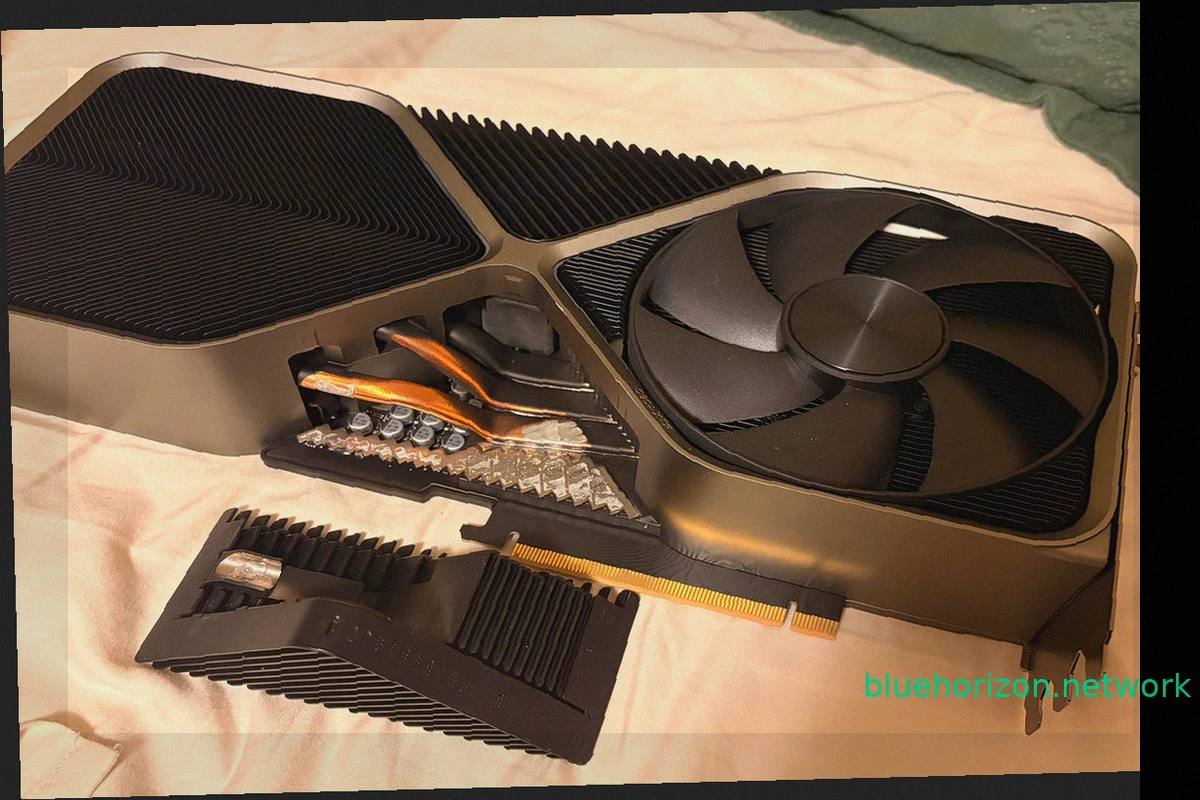
NVIDIA GeForce RTX 4090 Founders Edition Loses Part of Its Heatsink After Three Years
A NVIDIA GeForce RTX 4090 Founders Edition has presented an unusual problem, not with its power connector, but with its heatsink. This incident is unique, as a portion of the graphics card's massive heatsink literally detached while its owner was moving the computer. This wasn't a decorative c
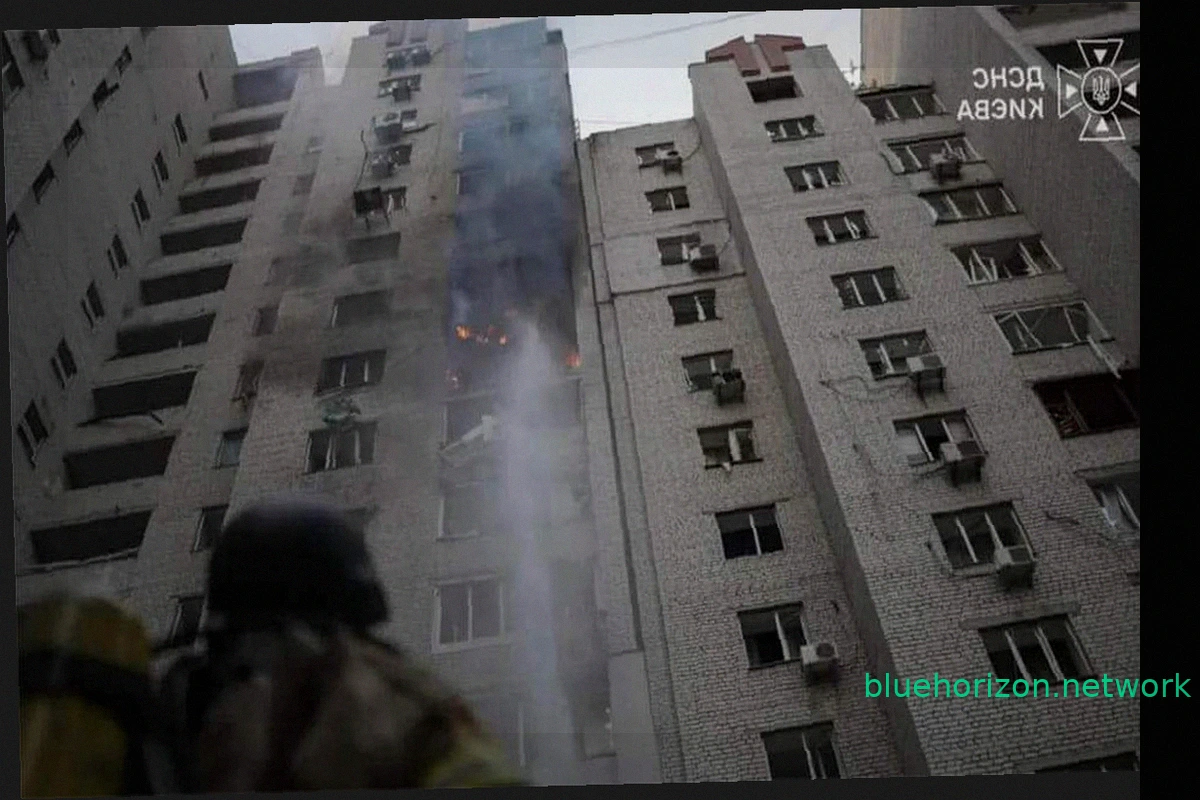
Russian Missiles Strike Infrastructure of 1337x, Second Largest Torrent Tracker, Hitting Piracy
Russian missile attacks have damaged infrastructure belonging to popular torrent trackers like 1337x. Between September 23 and 27, 2026, Russia conducted strikes targeting data centers and communication facilities in Kyiv. These attacks temporarily disrupted internet access for approximately 1
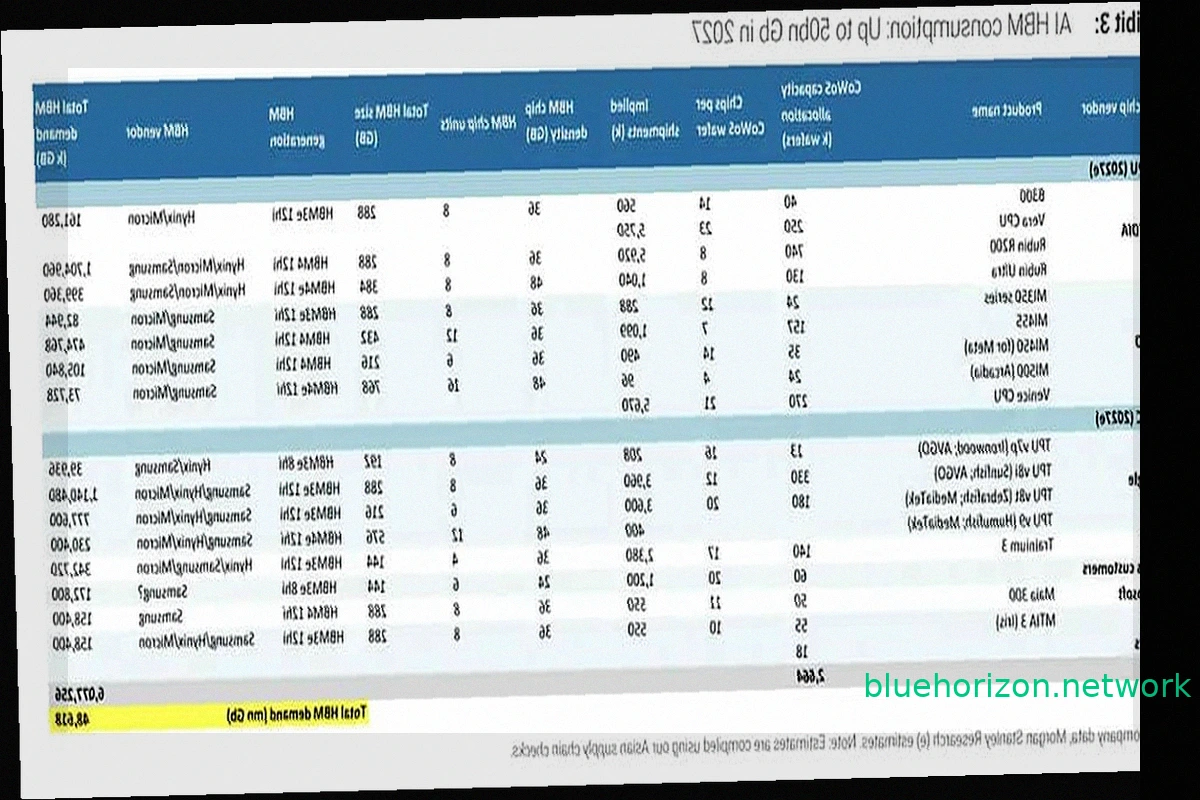
NVIDIA, Google, and AMD Poised to Control 85% of HBM Memory Demand by 2027
The "you'll own nothing and be happy" meme is finding a parallel in hardware, specifically memory. NVIDIA, Google, and AMD are set to command 85.4% of the global High Bandwidth Memory (HBM) demand by 2027, according to Morgan Stanley estimates. These three buyers will largely dictate the pace
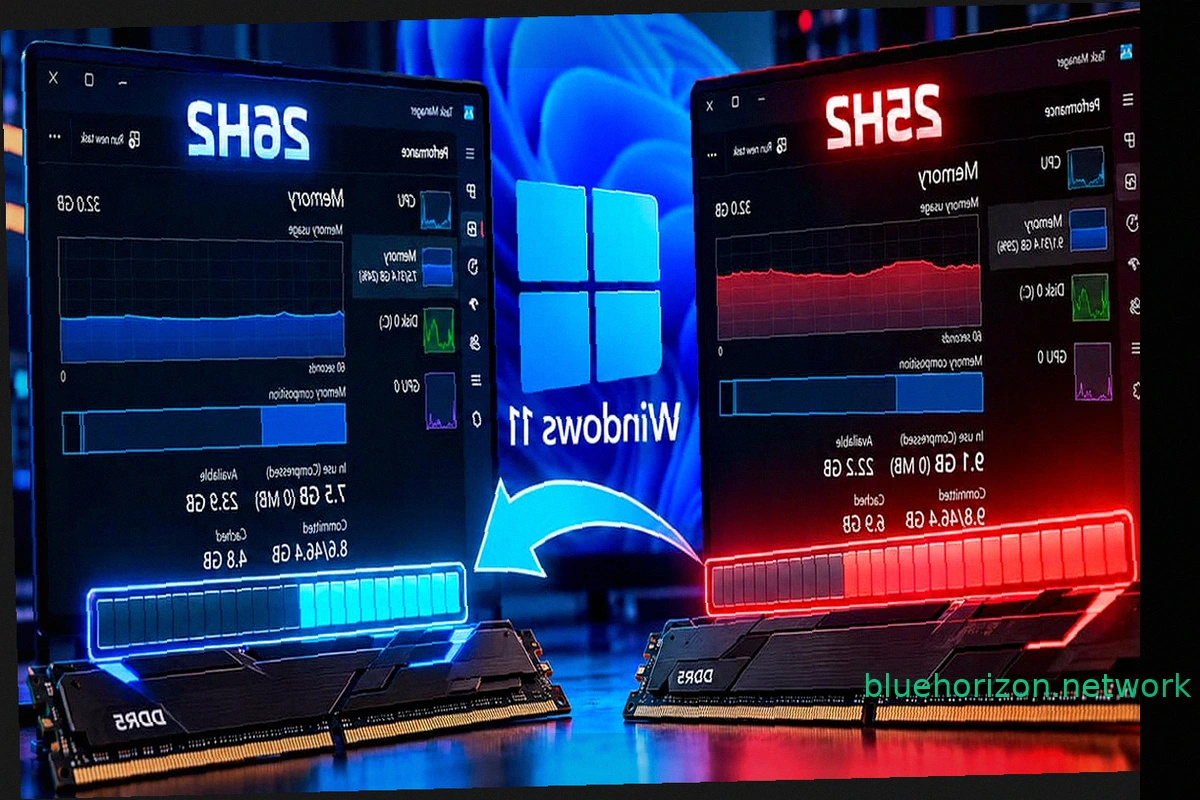
Windows 11 26H2 Reduces RAM Consumption by Up to 2 GB, But 8 GB Machines Still Struggle
Windows 11 26H2 is rolling out optimizations for RAM management. Some users report a noticeable decrease in RAM usage after installing this update, with certain systems showing a reduction of up to 2 GB compared to Windows 11 25H2 upon startup. However, initial findings suggest this improvemen

RTX 5090 fails with DLSS 5 after 48 hours for Chinese streamer
NVIDIA's RTX series introduced Tensor Cores, enabling technologies like DLSS. Early DLSS versions offered a noticeable drop in image quality compared to native resolution. DLSS 2 brought significant improvements, and DLSS 3 achieved parity or even superiority over native rendering. DLSS 4 cont