Blackview Tabwee T50 Tablet Deception: Misleading RAM and NAND Storage Claims Exposed
Consumers are advised to exercise caution when seeking budget-friendly devices from Chinese brands, such as laptops or tablets. Recently, Chuwi was exposed for equipping its CoreBook X laptops with a slower Ryzen 5 5500U processor instead of the advertised Ryzen 5 7430U. A similar deceptive practice has now been uncovered with the Blackview Tabwee T50 tablet. While marketed with an impressive '24 GB of RAM,' the initial technical specifications mention only 6 GB, and further investigation reveals an even lower actual physical RAM of just 4 GB.
The nascent era of Artificial Intelligence has already reshaped numerous aspects of our society, often with negative implications. While AI accelerates content creation and task execution, it demands an exorbitant amount of energy and costly hardware for its development and maintenance. Furthermore, growing concerns persist regarding AI's impact on the job market and its potential to displace human employment.
The Blackview Tabwee T50: A Deceptive Tablet, Advertised with '24 GB RAM' While Only Featuring 4 GB Physical, Supplemented by Virtual Memory

The surging demand from the AI sector has led to a significant increase in the costs of DRAM and NAND Flash memory, compelling manufacturers to raise their prices to offset expenses. Companies like MSI anticipate a 20% drop in shipments by 2026 and plan price increases of up to 30% for mid-range and high-end graphics cards to stay competitive. Other brands, such as Blackview, have resorted to deceptive tactics to attract unsuspecting consumers, a practice previously observed with Chuwi. This strategy poses a risk for buyers who do not thoroughly research products before purchase.
The clearest example is the Blackview Tabwee T50, advertised with Android 16, integrated Gemini AI, 128 GB storage, 2 TB (a claim that should immediately raise doubts), and '24 GB.' The promotional material indeed displays 'Android 16 2 TB + 24 GB + 128 GB.' While one might assume the 24 GB refers to RAM, this is inaccurate. Specifications break this down into 6 GB physical RAM plus 18 GB virtual RAM. However, an investigation by Garumax uncovered that the actual physical RAM is only 4 GB, despite both the specifications and the device itself indicating 6 GB. This highlights a troubling level of inaccuracy, even within official specification sheets.
Retailers List Tablet with 6 GB RAM and 128 GB Storage, Priced Under 100 Euros

The disappointment regarding this tablet's RAM is not the sole issue. The advertised 128 GB of internal storage is also misleading. Upon examination, Garumax found that only 64 GB were actually usable, indicating a true capacity of 64 GB rather than a software glitch. Blackview has thus misrepresented both RAM and NAND Flash memory, precisely the components most impacted by the current memory crisis. Nevertheless, some retailers do provide a clearer explanation of the virtual RAM, which is accessible to attentive buyers.
For instance, on PcComponentes, the tablet is listed with 24 GB RAM (detailed as 6 GB physical + 16 GB virtual in the description), alongside 128 GB of storage. The advertised 2 TB refers to expandable capacity via a TF card. Fortunately, other specifications like the substantial 8,000 mAh battery, an 11-inch screen with 1280 x 800 pixels resolution, a UNISOC T7250 SoC, and Gemini AI, are accurate. At 89 Euros, these specs would appear appealing, but the ultimate reality of only 4 GB RAM and 64 GB storage significantly detracts from the value.
Fresh materials — Technology News
Google Pixel Devices Hit by Nightmare Bug: September Update Locks Out Some Users
Updating your phone should be a simple process: install, restart, and continue. But imagine completing the update, entering your usual unlock pattern, and the phone not even letting you finish it. Your photos and messages remain, but you're locked out. This is the predicament some Google Pixel
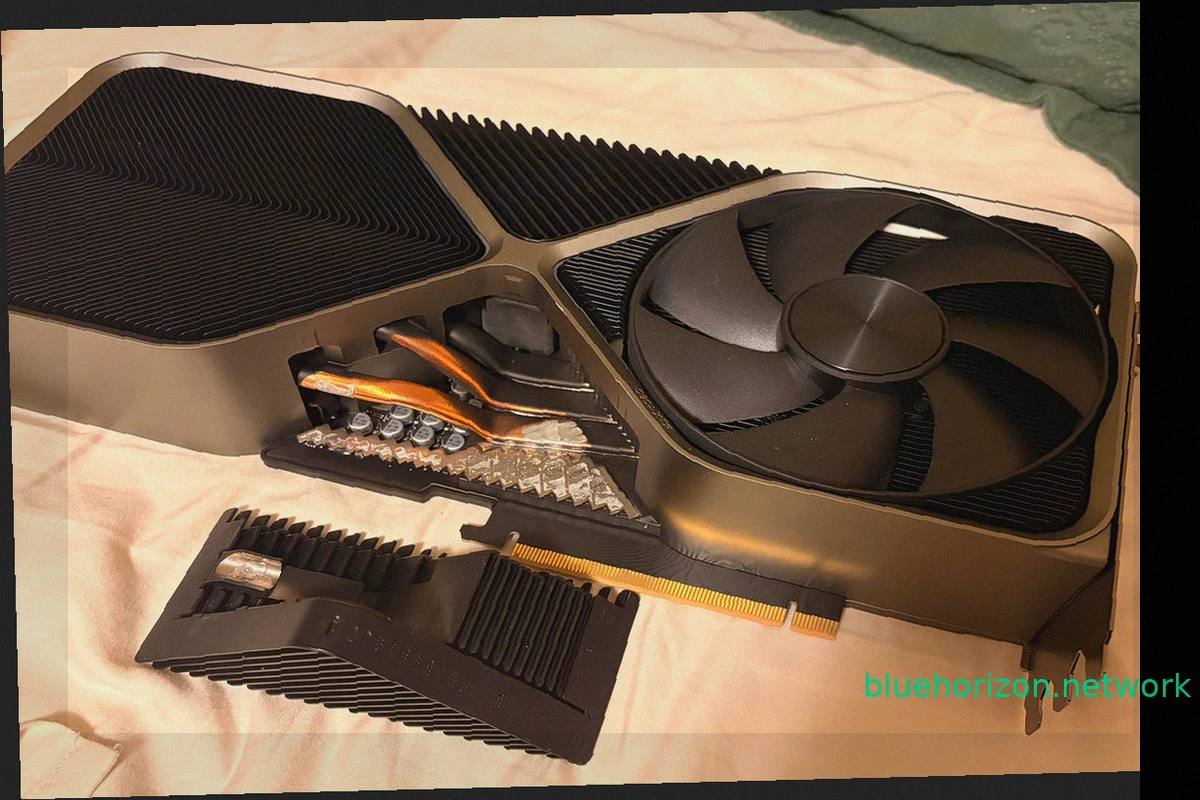
NVIDIA GeForce RTX 4090 Founders Edition Loses Part of Its Heatsink After Three Years
A NVIDIA GeForce RTX 4090 Founders Edition has presented an unusual problem, not with its power connector, but with its heatsink. This incident is unique, as a portion of the graphics card's massive heatsink literally detached while its owner was moving the computer. This wasn't a decorative c

Russian Missiles Strike Infrastructure of 1337x, Second Largest Torrent Tracker, Hitting Piracy
Russian missile attacks have damaged infrastructure belonging to popular torrent trackers like 1337x. Between September 23 and 27, 2026, Russia conducted strikes targeting data centers and communication facilities in Kyiv. These attacks temporarily disrupted internet access for approximately 1
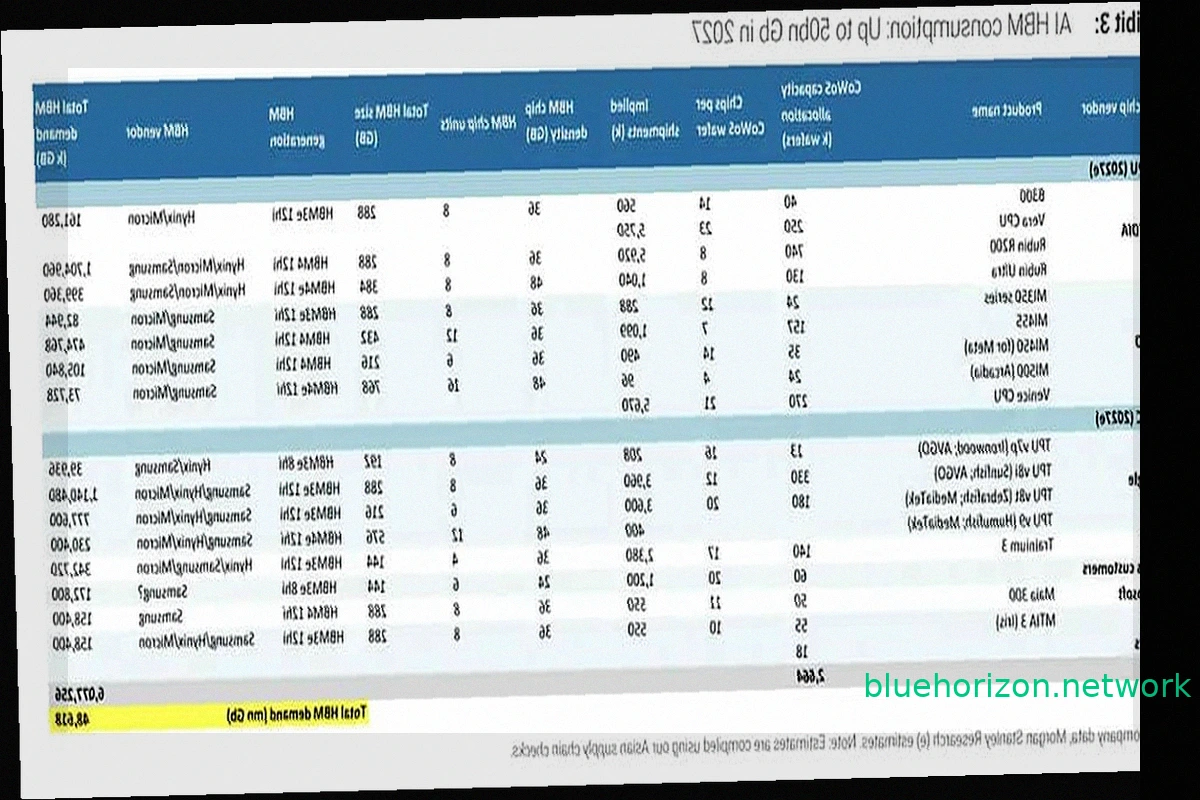
NVIDIA, Google, and AMD Poised to Control 85% of HBM Memory Demand by 2027
The "you'll own nothing and be happy" meme is finding a parallel in hardware, specifically memory. NVIDIA, Google, and AMD are set to command 85.4% of the global High Bandwidth Memory (HBM) demand by 2027, according to Morgan Stanley estimates. These three buyers will largely dictate the pace
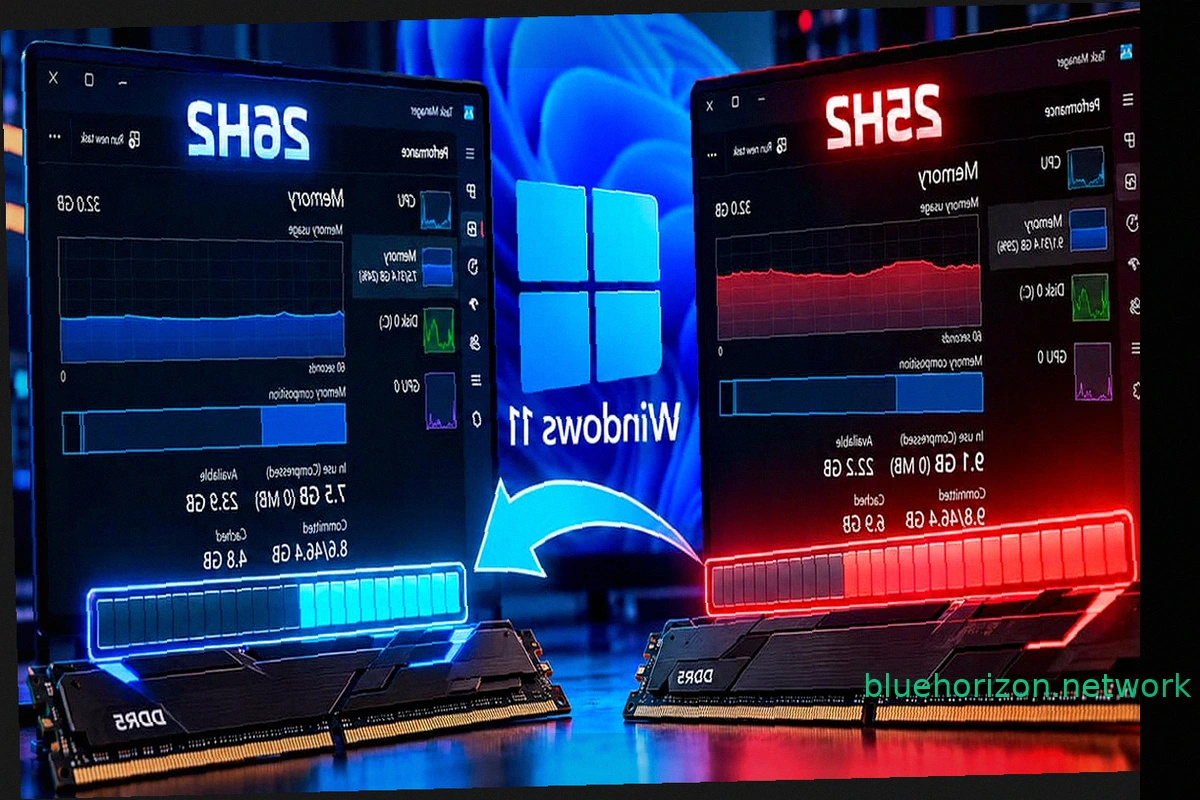
Windows 11 26H2 Reduces RAM Consumption by Up to 2 GB, But 8 GB Machines Still Struggle
Windows 11 26H2 is rolling out optimizations for RAM management. Some users report a noticeable decrease in RAM usage after installing this update, with certain systems showing a reduction of up to 2 GB compared to Windows 11 25H2 upon startup. However, initial findings suggest this improvemen

RTX 5090 fails with DLSS 5 after 48 hours for Chinese streamer
NVIDIA's RTX series introduced Tensor Cores, enabling technologies like DLSS. Early DLSS versions offered a noticeable drop in image quality compared to native resolution. DLSS 2 brought significant improvements, and DLSS 3 achieved parity or even superiority over native rendering. DLSS 4 cont