BYD to Launch Electric Cars with Solid-State Batteries in 2027: Increased Range, Faster Charging
Chinese manufacturer BYD is set to integrate its first solid-state batteries into electric cars in 2027. This technology represents a major generational leap for electric vehicles. Stella Li, BYD's executive vice president, stated the company is technologically and commercially advanced, confirming at least one production model will feature these new batteries next year.
BYD anticipates initial limited use of this technology, with large-scale production planned around 2030. Due to the high initial cost, solid-state batteries will first appear in the company's more expensive vehicles. Current LFP batteries will remain central for many years.
BYD to Debut Solid-State Batteries in an Electric Car in 2027
BYD's developing technology replaces the liquid electrolyte found in current lithium-ion batteries with a solid electrolyte, specifically based on sulfides. In conventional batteries, ions move between electrodes through a liquid solution of lithium salts. Eliminating this liquid and using solid materials can significantly alter cell characteristics and increase energy density—the amount of energy a battery can store.
The roadmap was previously outlined by FinDreams Battery, BYD's battery subsidiary. The company plans to start with demonstration vehicles and limited production in 2027, aiming for sufficiently mature manufacturing for large-scale commercialization around 2030. Earlier reports suggested an initial phase of around 1,000 vehicles, though the specific model has not been officially confirmed.
As mentioned, the high cost means this technology will debut in high-end vehicles, potentially Denza or Yangwang models, where BYD can better absorb the initial higher expenses. BYD could become the first automaker globally to market electric cars with solid-state batteries, underscoring China's leading position in this sector.
Greater Range, Reduced Charging Time, Less Weight, and Enhanced Safety
A key advantage of solid-state batteries is their higher energy density. Similar to how silicon-carbon batteries improve upon silicon-graphene in smartphones, these new batteries can store more electricity within a similar volume and weight. This offers manufacturers options: either install a smaller, lighter battery while maintaining current range, or keep the size roughly the same to significantly extend the vehicle's driving distance per charge. They also weigh less, contributing to reduced vehicle weight and improved efficiency.
Another potential benefit is faster charging speeds. Solid-state technology promises higher charging rates without substantial loss of energy density, allowing a significant amount of range to be recovered quickly. However, BYD has not yet announced definitive specifications for its commercial cells, so official figures for range, energy density, or fast-charging times for the 2027 vehicle are not yet available. Finally, safety is improved.
Traditional batteries use a liquid electrolyte containing flammable components, which solid-state batteries eliminate. This makes them far less prone to catching fire, offers greater thermal stability, and allows them to perform better in extreme temperatures. The main challenges remain the price and the difficulty of producing them reliably at scale. Consequently, most BYD cars will continue to use Blade LFP batteries.
Fresh materials — Technology News
Google Pixel Devices Hit by Nightmare Bug: September Update Locks Out Some Users
Updating your phone should be a simple process: install, restart, and continue. But imagine completing the update, entering your usual unlock pattern, and the phone not even letting you finish it. Your photos and messages remain, but you're locked out. This is the predicament some Google Pixel
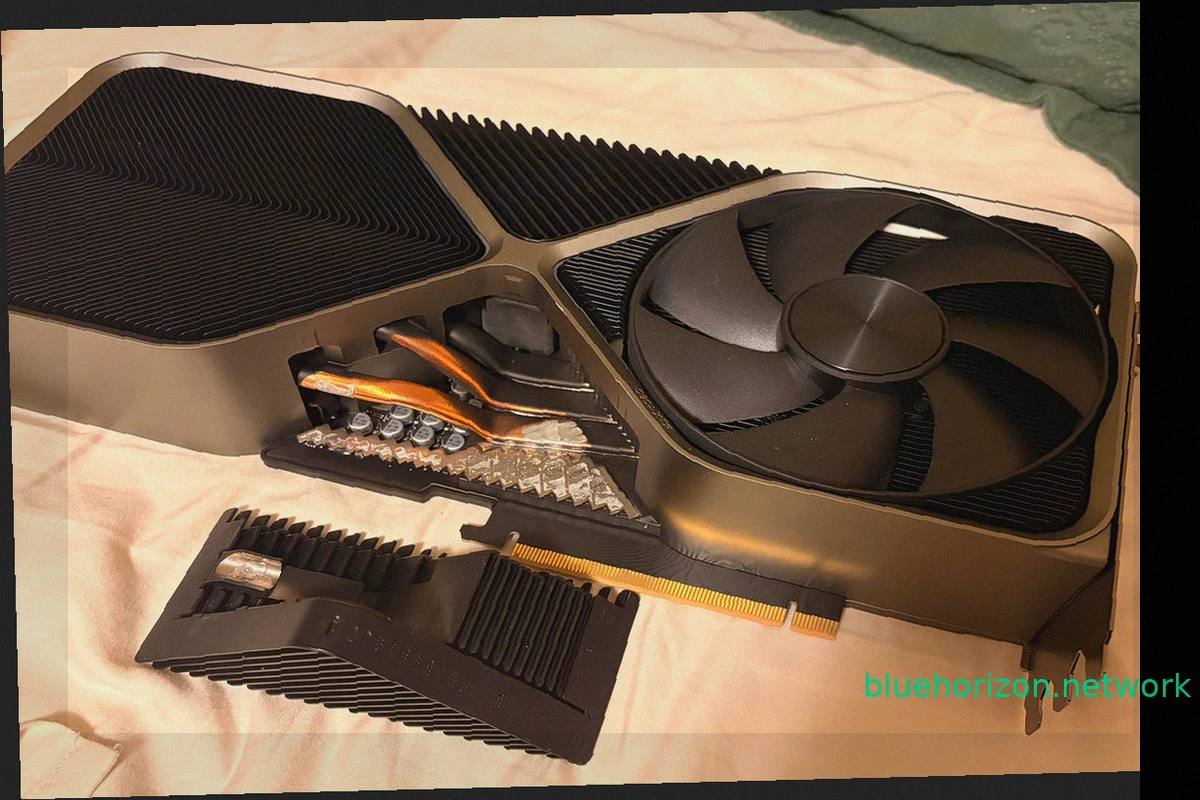
NVIDIA GeForce RTX 4090 Founders Edition Loses Part of Its Heatsink After Three Years
A NVIDIA GeForce RTX 4090 Founders Edition has presented an unusual problem, not with its power connector, but with its heatsink. This incident is unique, as a portion of the graphics card's massive heatsink literally detached while its owner was moving the computer. This wasn't a decorative c

Russian Missiles Strike Infrastructure of 1337x, Second Largest Torrent Tracker, Hitting Piracy
Russian missile attacks have damaged infrastructure belonging to popular torrent trackers like 1337x. Between September 23 and 27, 2026, Russia conducted strikes targeting data centers and communication facilities in Kyiv. These attacks temporarily disrupted internet access for approximately 1
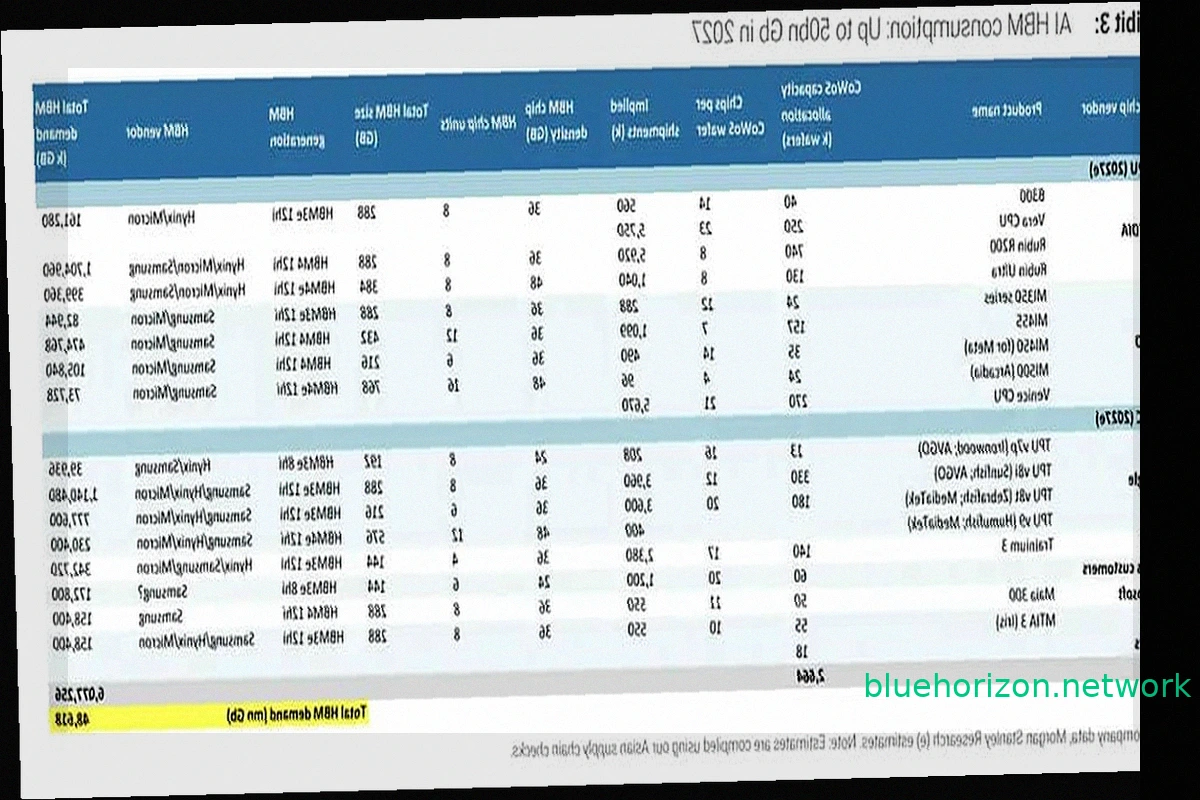
NVIDIA, Google, and AMD Poised to Control 85% of HBM Memory Demand by 2027
The "you'll own nothing and be happy" meme is finding a parallel in hardware, specifically memory. NVIDIA, Google, and AMD are set to command 85.4% of the global High Bandwidth Memory (HBM) demand by 2027, according to Morgan Stanley estimates. These three buyers will largely dictate the pace
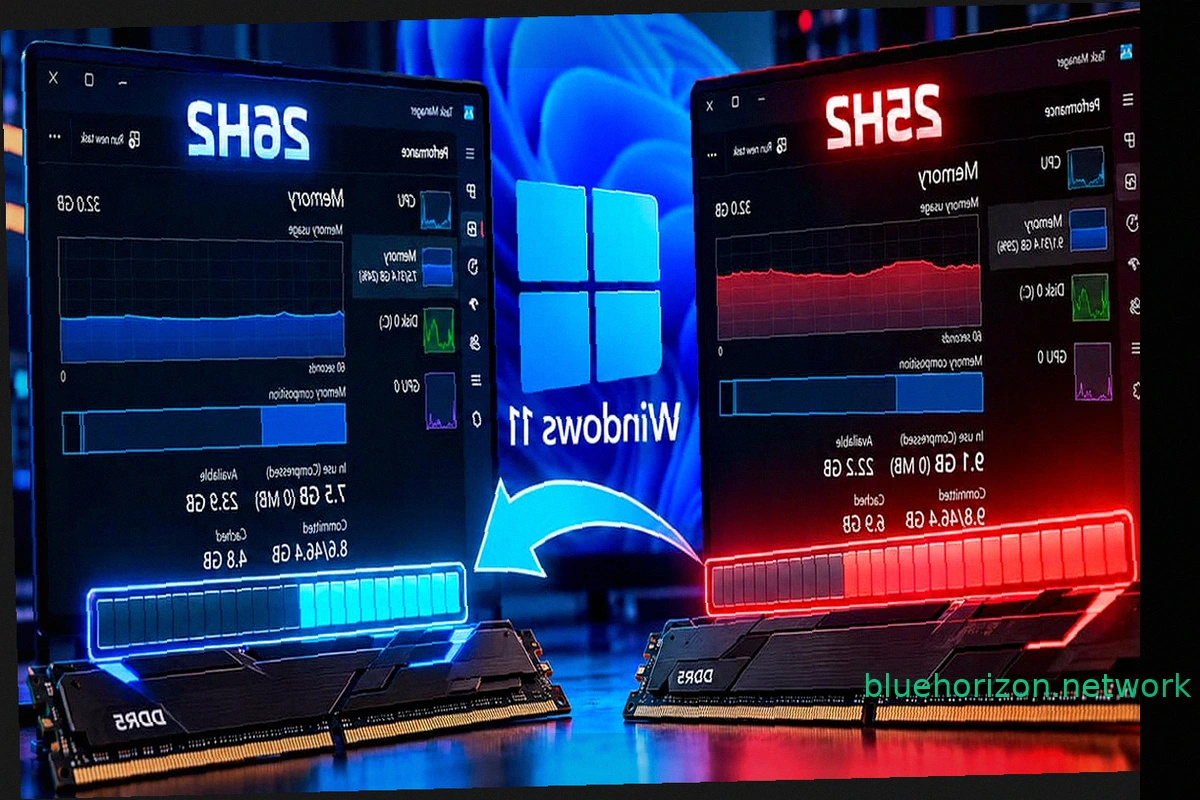
Windows 11 26H2 Reduces RAM Consumption by Up to 2 GB, But 8 GB Machines Still Struggle
Windows 11 26H2 is rolling out optimizations for RAM management. Some users report a noticeable decrease in RAM usage after installing this update, with certain systems showing a reduction of up to 2 GB compared to Windows 11 25H2 upon startup. However, initial findings suggest this improvemen

RTX 5090 fails with DLSS 5 after 48 hours for Chinese streamer
NVIDIA's RTX series introduced Tensor Cores, enabling technologies like DLSS. Early DLSS versions offered a noticeable drop in image quality compared to native resolution. DLSS 2 brought significant improvements, and DLSS 3 achieved parity or even superiority over native rendering. DLSS 4 cont