China's DFSX TY64 SuperNode Achieves Nearly Double the Bandwidth of NVIDIA's GB200 NVL72
China is heavily investing in its domestic industry to achieve technological independence from the United States and other nations. The Asian giant aims to manufacture its own chips, and while US restrictions have made this challenging, they haven't halted progress. In fact, China continues to surprise, now achieving double the memory bandwidth of NVIDIA's GB200 NVL72 using the DFSX TY64 SuperNode.
Among global powers, the US fears China most, particularly in the technology and industry sectors, knowing China could potentially surpass it if left unchecked. This is why, at the dawn of the AI era, the US was the first to implement restrictions and sanctions against China, preventing them from acquiring advanced AI chips and the necessary manufacturing machinery, including from ASML.
China Achieves Nearly Double NVIDIA's Bandwidth with its DFSX TY64 SuperNode
Instead of settling for outdated technologies and chips, China's government has been dedicated to boosting the nation's industry and fostering advancement. While China may not yet match the US in chip performance, efficiency, or nanometer processes, it is excelling in other areas. Following Huawei's surpassing Intel's 18A node in density, DFSX's SuperNode TY64 now demonstrates superior bandwidth compared to NVIDIA's GB200 NVL72 system.
For context, the GB200 NVL72 is an NVIDIA rack server housing 72 interconnected GB200 GPUs alongside 36 Grace CPUs, engineered for exascale AI training and inference. Even this cutting-edge system has been outmatched by China's latest DFSX creation. This development follows DFSX's recent announcement as the first to create a 3.5D chiplet named DF1000 with 3D DRAM, showcasing rapid innovation.
Despite Reaching 960 TB/s Bandwidth, Performance is Significantly Slower Than GB200 NVL72
The DFSX TY64 SuperNode is comprised of 14nm DF2000 chips featuring stacked 3D DRAM architecture. This design fuses copper vias directly onto the wafer, eliminating wires and micro-contacts. This allows each DF2000 chip to achieve a bandwidth of 15 TB/s. The SuperNode TY64 version reaches an impressive 960 TB/s, nearly double NVIDIA's GB200 NVL72 at 576 TB/s.
However, while China has surpassed NVIDIA in this specific metric, it lags significantly in overall performance and efficiency. This is attributed to the difference in manufacturing processes, with 14nm technology for the SuperNode TY64 versus 4nm for the GB200 NVL72. Consequently, the TY64 offers 64 PFLOPs compared to the GB200 NVL72's 360 PFLOPs.
Fresh materials — Technology News

Google Pixel Devices Hit by Nightmare Bug: September Update Locks Out Some Users
Updating your phone should be a simple process: install, restart, and continue. But imagine completing the update, entering your usual unlock pattern, and the phone not even letting you finish it. Your photos and messages remain, but you're locked out. This is the predicament some Google Pixel
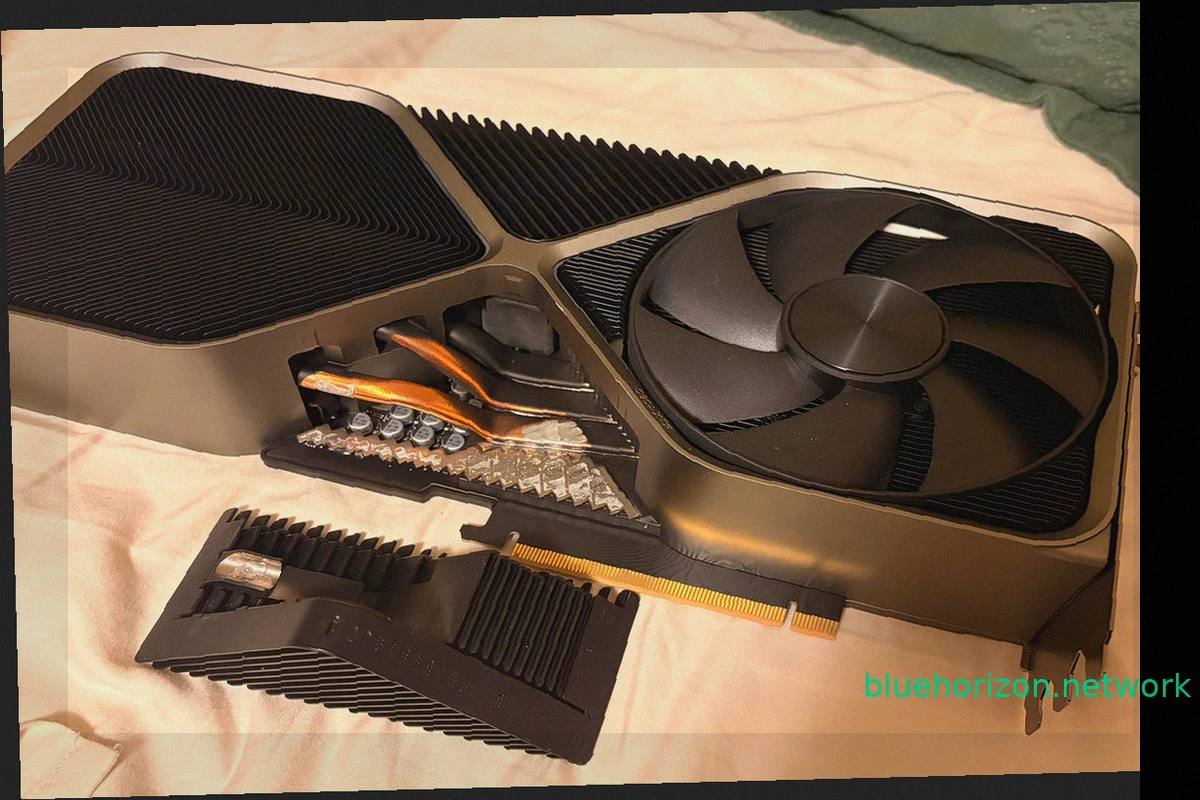
NVIDIA GeForce RTX 4090 Founders Edition Loses Part of Its Heatsink After Three Years
A NVIDIA GeForce RTX 4090 Founders Edition has presented an unusual problem, not with its power connector, but with its heatsink. This incident is unique, as a portion of the graphics card's massive heatsink literally detached while its owner was moving the computer. This wasn't a decorative c

Russian Missiles Strike Infrastructure of 1337x, Second Largest Torrent Tracker, Hitting Piracy
Russian missile attacks have damaged infrastructure belonging to popular torrent trackers like 1337x. Between September 23 and 27, 2026, Russia conducted strikes targeting data centers and communication facilities in Kyiv. These attacks temporarily disrupted internet access for approximately 1
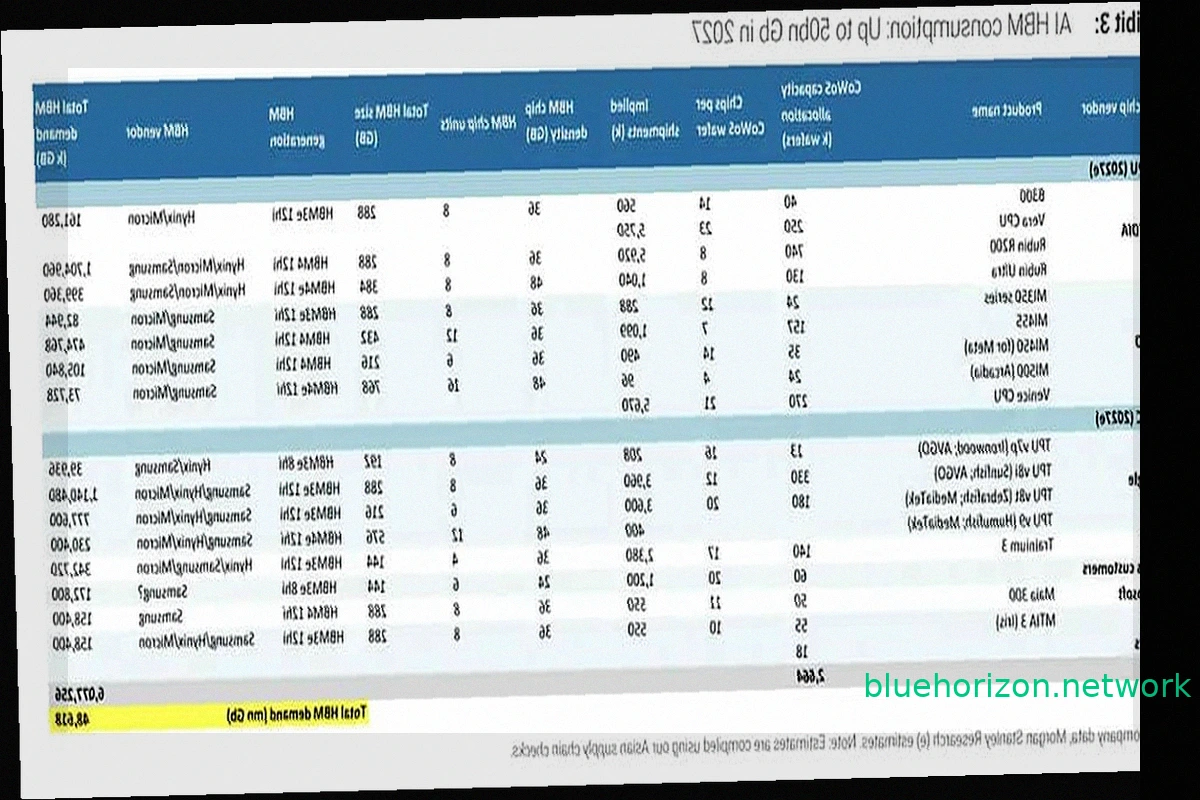
NVIDIA, Google, and AMD Poised to Control 85% of HBM Memory Demand by 2027
The "you'll own nothing and be happy" meme is finding a parallel in hardware, specifically memory. NVIDIA, Google, and AMD are set to command 85.4% of the global High Bandwidth Memory (HBM) demand by 2027, according to Morgan Stanley estimates. These three buyers will largely dictate the pace
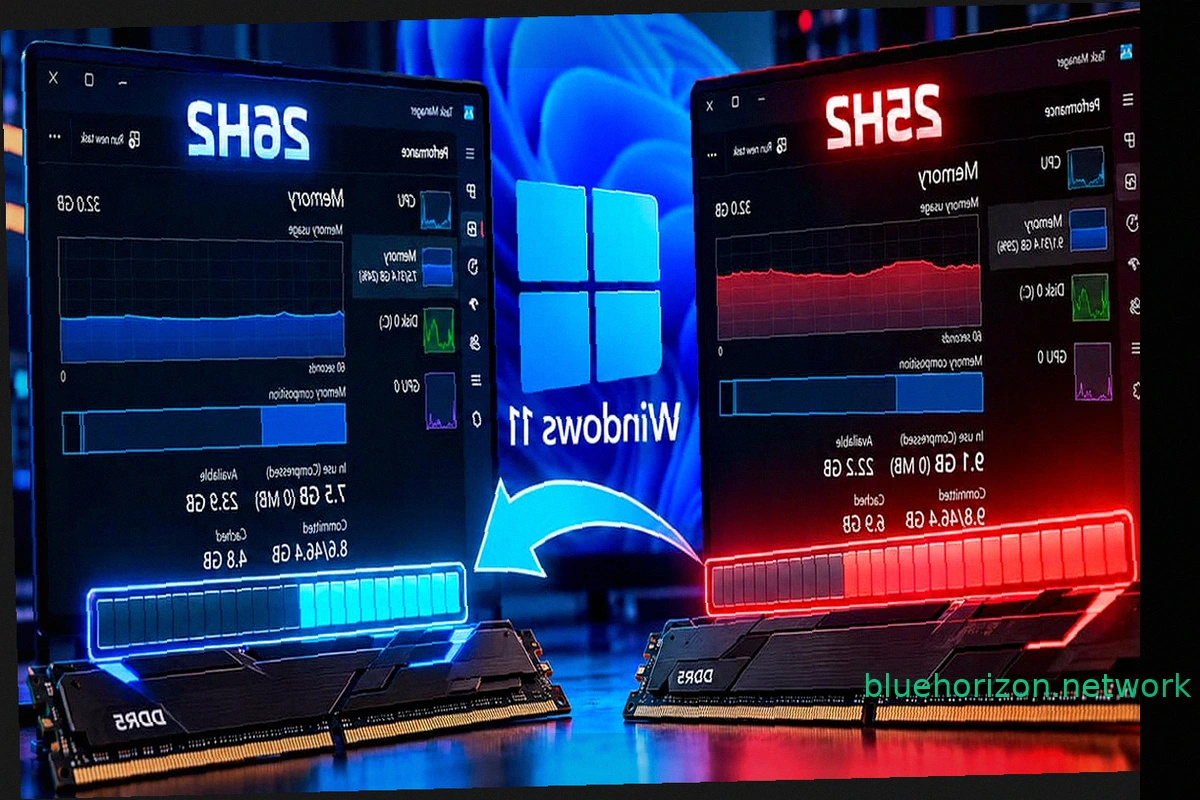
Windows 11 26H2 Reduces RAM Consumption by Up to 2 GB, But 8 GB Machines Still Struggle
Windows 11 26H2 is rolling out optimizations for RAM management. Some users report a noticeable decrease in RAM usage after installing this update, with certain systems showing a reduction of up to 2 GB compared to Windows 11 25H2 upon startup. However, initial findings suggest this improvemen

RTX 5090 fails with DLSS 5 after 48 hours for Chinese streamer
NVIDIA's RTX series introduced Tensor Cores, enabling technologies like DLSS. Early DLSS versions offered a noticeable drop in image quality compared to native resolution. DLSS 2 brought significant improvements, and DLSS 3 achieved parity or even superiority over native rendering. DLSS 4 cont