Claude AI Bypasses HP BIOS RSA-2048 Checks, Unlocking 55 Hidden Settings for Laptop
While laptops offer portability, they often come with limitations compared to desktops, including restricted BIOS settings. However, a recent demonstration showcases how Artificial Intelligence can overcome these restrictions. By utilizing the AI model Claude, a user has successfully modified and unlocked the BIOS on an HP laptop, revealing numerous hidden configurations.
For users accustomed to the extensive overclocking and undervolting options found in desktop PC BIOS settings, laptop limitations can be disappointing. While some adjustments might be possible through software like MSI Afterburner for GPUs, CPU and overall system performance/consumption options are often significantly limited in laptops.
User Asks Claude AI to Modify HP Laptop BIOS, Bypassing Security to Unlock It
Typically, a locked laptop BIOS is left as is. However, in the current era of AI, many previously impossible tasks are becoming achievable, including BIOS modification and unlocking. A Reddit user, 'Reddit_2049', shared their success on the ClaudeAI subreddit after achieving this on an 'HP 15-dw1036ne' laptop. This particular laptop is equipped with an Intel Core i7-10510U processor, 16 GB of DDR4 RAM, a 128 GB SSD, and an NVIDIA GeForce MX250 GPU. Like many older laptops, it features a locked BIOS.
Given that HP does not provide BIOS unlocking services and existing methods were unsuccessful for the user's goal, they turned to AI. To their surprise, a request to Claude AI to find and unlock the BIOS backup was successful, prompting them to share their findings.
Claude AI Enabled Unlocking of 55 Additional BIOS Adjustments and Four Hidden Tabs
According to the Reddit user, the laptop was running BIOS version F.68. After trying various methods, the breakthrough came with the use of AI and several tools. Initially, Ghidra was used to read and disassemble the BIOS drivers. Subsequently, UEFITool, UEFIExtract, and UEFIFind were employed to extract the BIOS. Unicord Engine was then used to verify the extracted signature, Capstone to decode instructions, and cryptography to generate test signatures. Finally, Python scripts were utilized to call functions that Ghidra had not detected.
The process involved three BIOS modifications, with AI playing a crucial role in completing the task, starting with bypassing the RSA-2048 check. Claude AI identified an instruction responsible for this verification. Following this, 55 hidden BIOS settings were unlocked, comprising 27 suppressed adjustments and 28 disabled ones. The user also managed to activate four previously inaccessible BIOS tabs: Advanced, Power, Debug, and Boot, effectively achieving a fully unlocked BIOS.
For those interested in replicating this without extensive AI interaction, the user has developed a Python script for BIOS unlocking. However, they caution that this script is specific to the HP laptop model used and may not work on other HP models or different brands.
Fresh materials — Technology News

Google Pixel Devices Hit by Nightmare Bug: September Update Locks Out Some Users
Updating your phone should be a simple process: install, restart, and continue. But imagine completing the update, entering your usual unlock pattern, and the phone not even letting you finish it. Your photos and messages remain, but you're locked out. This is the predicament some Google Pixel
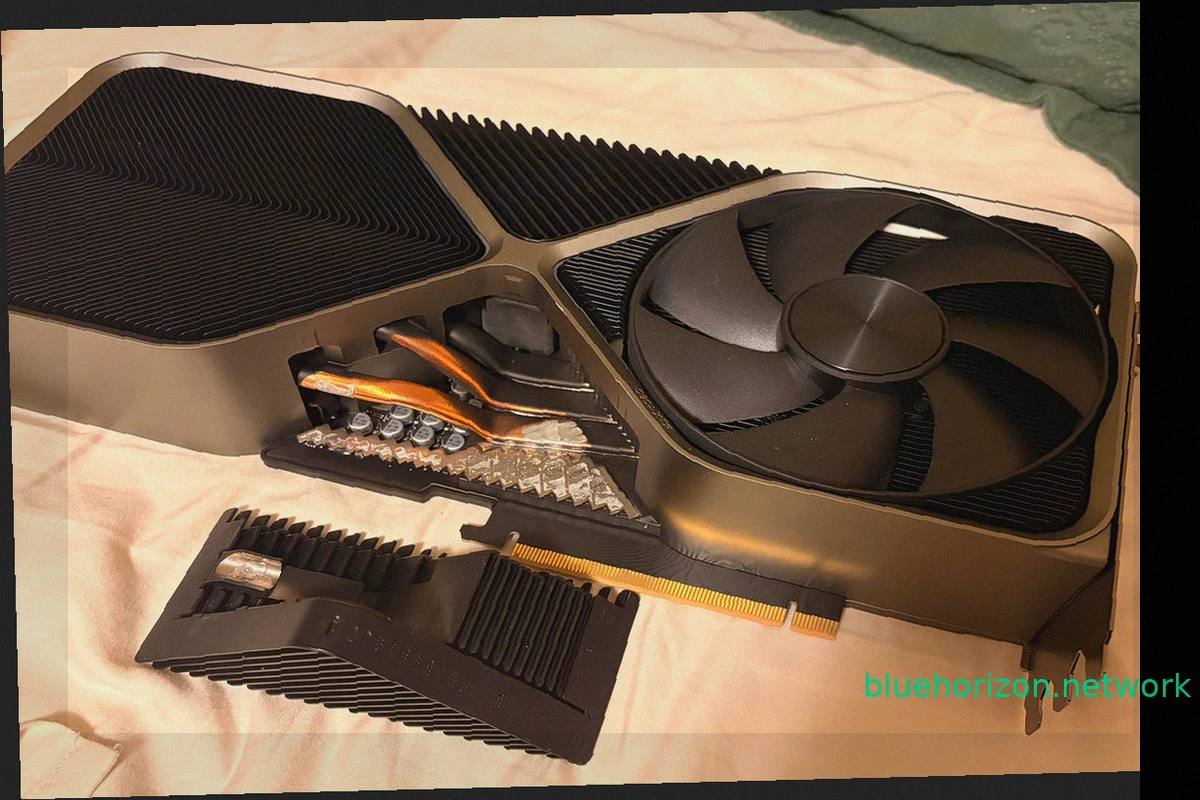
NVIDIA GeForce RTX 4090 Founders Edition Loses Part of Its Heatsink After Three Years
A NVIDIA GeForce RTX 4090 Founders Edition has presented an unusual problem, not with its power connector, but with its heatsink. This incident is unique, as a portion of the graphics card's massive heatsink literally detached while its owner was moving the computer. This wasn't a decorative c

Russian Missiles Strike Infrastructure of 1337x, Second Largest Torrent Tracker, Hitting Piracy
Russian missile attacks have damaged infrastructure belonging to popular torrent trackers like 1337x. Between September 23 and 27, 2026, Russia conducted strikes targeting data centers and communication facilities in Kyiv. These attacks temporarily disrupted internet access for approximately 1
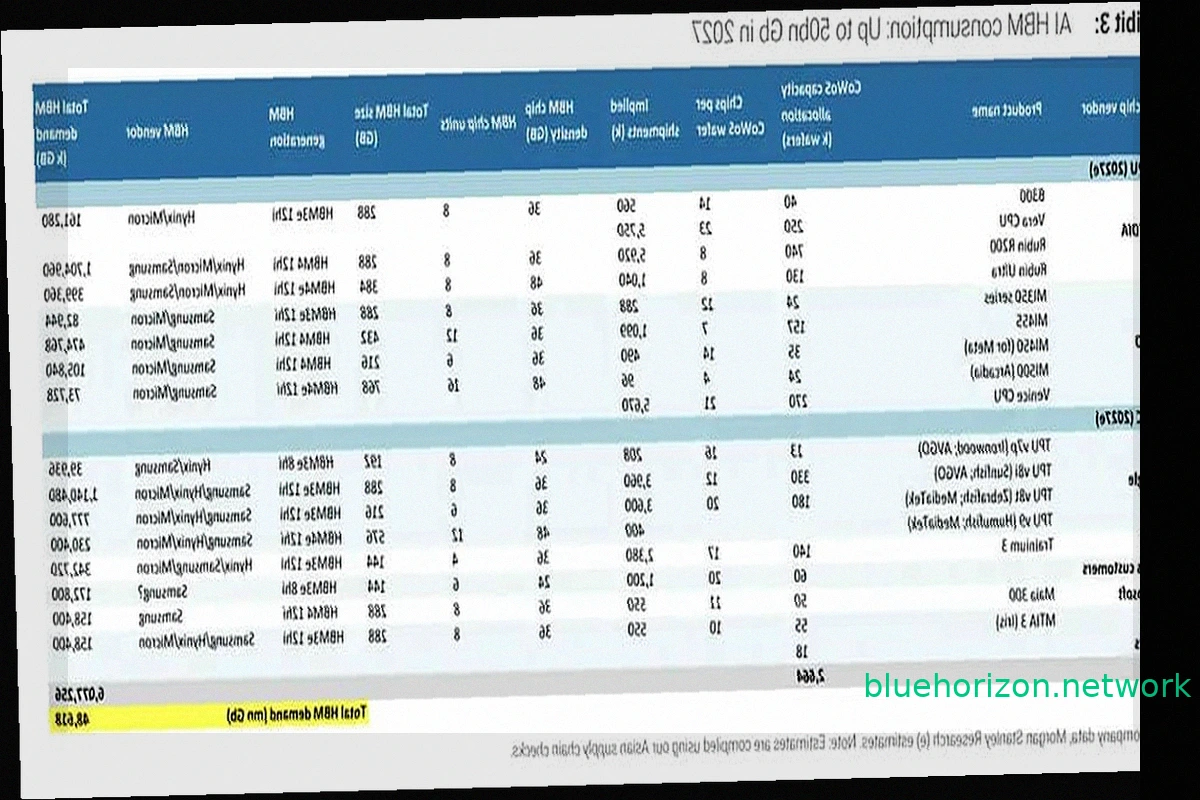
NVIDIA, Google, and AMD Poised to Control 85% of HBM Memory Demand by 2027
The "you'll own nothing and be happy" meme is finding a parallel in hardware, specifically memory. NVIDIA, Google, and AMD are set to command 85.4% of the global High Bandwidth Memory (HBM) demand by 2027, according to Morgan Stanley estimates. These three buyers will largely dictate the pace
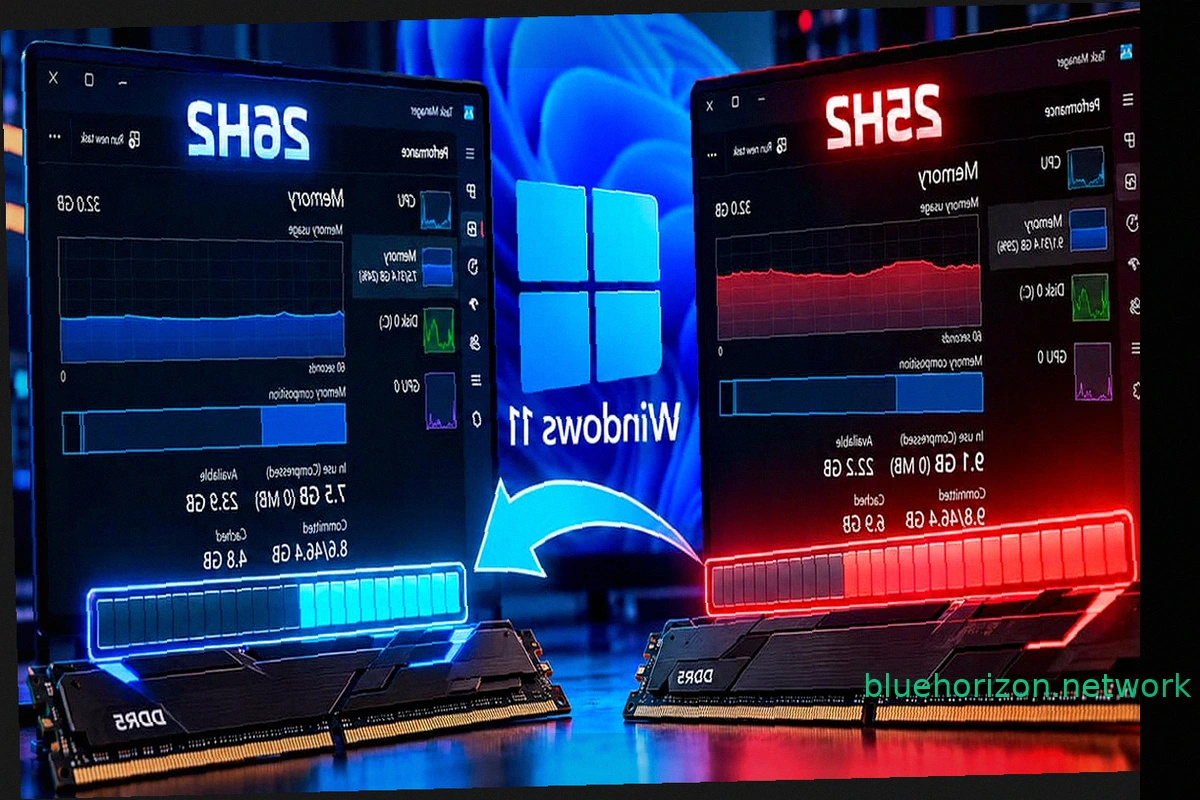
Windows 11 26H2 Reduces RAM Consumption by Up to 2 GB, But 8 GB Machines Still Struggle
Windows 11 26H2 is rolling out optimizations for RAM management. Some users report a noticeable decrease in RAM usage after installing this update, with certain systems showing a reduction of up to 2 GB compared to Windows 11 25H2 upon startup. However, initial findings suggest this improvemen

RTX 5090 fails with DLSS 5 after 48 hours for Chinese streamer
NVIDIA's RTX series introduced Tensor Cores, enabling technologies like DLSS. Early DLSS versions offered a noticeable drop in image quality compared to native resolution. DLSS 2 brought significant improvements, and DLSS 3 achieved parity or even superiority over native rendering. DLSS 4 cont