CXMT Inicia Producción de Prueba de sus Primeros Chips de Memoria LPDDR6 a 12.8 Gbps
ChangXin Memory Technologies (CXMT) ha dado inicio a la fase de producción de prueba (risk production) de sus primeros chips de memoria LPDDR6. Esta etapa, crucial antes de la fabricación en masa, implica una producción a pequeña escala destinada a evaluar el rendimiento, la estabilidad y la tasa de chips funcionales de la línea de producción.
La compañía china se prepara para producir chips LPDDR6 de 16 Gb de capacidad, capaces de alcanzar una velocidad máxima de 12.8 Gbps, con una frecuencia base de 10.7 Gbps y un encapsulado PoP de 1.295 bolas. Aunque CXMT aún no ha anunciado oficialmente el inicio de la producción en masa, fuentes cercanas a la empresa sugieren que los primeros lotes podrían fabricarse hacia finales de 2026, siempre que las pruebas con los prototipos arrojen resultados satisfactorios.
CXMT Fabrica la Primera Memoria LPDDR6 de Origen Chino
El desarrollo de una memoria DRAM es un proceso complejo que involucra diversas etapas antes de la producción a gran escala. Tras la verificación individual del chip y la validación de investigación y desarrollo, CXMT ha entrado en la fase de producción de prueba. En esta etapa, se ajusta la maquinaria, se comprueba la consistencia del proceso y se determina si se puede mantener una tasa de rendimiento suficientemente alta para la fabricación masiva. La tasa de rendimiento se refiere al porcentaje de chips funcionales por oblea; un porcentaje bajo incrementaría significativamente el costo de cada chip de memoria.
En resumen, CXMT aún no está produciendo memoria LPDDR6 a gran escala. La empresa debe demostrar su capacidad para fabricar de manera consistente chips que funcionen a las velocidades especificadas, con un consumo energético adecuado y sin problemas de compatibilidad. Si los resultados de estas pruebas son positivos, la producción limitada podría comenzar a finales de este año, mientras que la fabricación masiva se espera para algún momento de 2027.
Los 12.8 Gbps previstos para esta primera generación de CXMT representan un avance importante en comparación con sus memorias LPDDR5X. Sin embargo, en términos de rendimiento, se situarán por debajo de la competencia. Por ejemplo, SK Hynix ha presentado recientemente una memoria LPDDR6 fabricada con su proceso 1c de 10 nanómetros, que, si bien ofrece la misma densidad de 16 Gb, promete velocidades de hasta 14.4 Gbps. Aun así, alcanzar los 12.8 Gbps acerca a CXMT considerablemente a los fabricantes surcoreanos.
China Busca Capitalizar la Priorización de Memoria HBM para IA por Parte de la Competencia
CXMT pretende aprovechar la oportunidad generada por el auge de la inteligencia artificial. Samsung, SK Hynix y Micron están dedicando la mayor parte de sus recursos a la fabricación de memorias HBM y DRAM para servidores, componentes más rentables y esenciales para los aceleradores de IA. Esta situación deja un espacio en el mercado de memorias móviles para un fabricante chino que pueda competir principalmente en volumen y precio.
La memoria LPDDR6 será fundamental para smartphones y portátiles de nueva generación, así como para dispositivos con inteligencia artificial local. Además de aumentar el ancho de banda, el nuevo estándar busca reducir el consumo energético y agilizar el acceso de procesadores y NPUs a modelos y datos almacenados en memoria. Esto facilitará la ejecución de asistentes generativos, traducción, procesamiento de imágenes y otras funciones directamente en el dispositivo, disminuyendo la dependencia de servidores remotos.
CXMT sigue siendo significativamente más pequeña que sus principales competidores. Samsung, SK Hynix y Micron controlaron conjuntamente alrededor del 90% del mercado mundial de DRAM en el primer trimestre de 2026. Sin embargo, CXMT está expandiendo rápidamente su capacidad de producción. Recientemente, se conoció que la empresa está considerando la construcción de una segunda fábrica de DRAM en Pekín, además de otras instalaciones en Shanghái y Hefei. De concretarse estos proyectos, su capacidad podría superar las 600.000 obleas mensuales, proporcionándole la escala necesaria para convertir sus avances tecnológicos en una amenaza comercial real para los tres grandes fabricantes de memoria.
English Translation:
CXMT Initiates Risk Production of its First 12.8 Gbps LPDDR6 Memory Chips
ChangXin Memory Technologies (CXMT) has commenced the risk production phase for its inaugural LPDDR6 memory chips. This stage, a critical precursor to mass manufacturing, involves small-scale production aimed at evaluating the performance, stability, and functional chip yield of the production line.
The Chinese company is gearing up to produce 16 Gb capacity LPDDR6 chips capable of reaching a maximum speed of 12.8 Gbps, with a base frequency of 10.7 Gbps and a 1,295-ball PoP package. While CXMT has not yet officially announced the start of mass production, sources close to the company suggest that the first batches could be manufactured towards the end of 2026, provided that prototype testing yields satisfactory results.
CXMT Begins Manufacturing the First LPDDR6 Memory of Chinese Origin
The development of DRAM memory goes through numerous stages before it can be mass-produced and installed in millions of devices. After individual chip functionality verification and completion of R&D validation, CXMT has moved to the risk production or small-batch validation phase. In this stage, machinery is calibrated, process consistency is checked, and it is determined if a sufficiently high yield rate can be maintained to initiate mass production. Yield rate refers to the percentage of functional chips that can be 'printed' per wafer; a very low number would make each memory chip very expensive, as it would bear the cost of the unusable chips.
In summary, CXMT is not yet producing LPDDR6 memory at scale. The company must demonstrate that it can reliably manufacture chips that function at the indicated speeds, with adequate power consumption and without compatibility issues. If the results are positive, limited production could start taking shape by the end of this year, while mass manufacturing is expected sometime in 2027.
The projected 12.8 Gbps for CXMT's first generation represents a considerable leap from their LPDDR5X memories, though it will trail behind their competitors in terms of performance. For instance, SK Hynix has recently unveiled an LPDDR6 memory manufactured using its 10nm-class 1c process. While it offers the same 16 Gb density, in terms of performance, they promise speeds that could reach up to 14.4 Gbps. Nevertheless, achieving 12.8 Gbps would place CXMT much closer to South Korean manufacturers than it was just a few years ago.
China Aims to Capitalize on Competitors Prioritizing AI HBM Memory
CXMT seeks to capitalize on an opportunity opened by the enormous growth of artificial intelligence. Samsung, SK Hynix, and Micron are dedicating virtually all their resources to the manufacturing capacity for HBM and server DRAM, which is more profitable and fundamental for AI accelerators. This situation can leave more room in the mobile memory market for a Chinese manufacturer willing to compete primarily through volume and price.
LPDDR6 memory will be particularly important in next-generation smartphones and laptops, not to mention devices with local AI capabilities. In addition to increasing bandwidth, the new standard aims to reduce power consumption and allow processors and NPUs to access models and data stored in memory more quickly. This will facilitate the execution of generative assistants, translation, image processing, and other functions directly on the device, reducing reliance on remote servers.
CXMT remains much smaller than its main competitors. Samsung, SK Hynix, and Micron collectively controlled nearly 90% of the global DRAM market during the first quarter of 2026. However, CXMT is rapidly expanding its production capacity. Just yesterday, it was reported that they are considering building a second DRAM factory in Beijing, while developing other facilities in Shanghai and Hefei. If all these projects come online, their capacity could exceed 600,000 wafers per month. This would provide them with the necessary scale to turn their technological advancements into a real commercial threat for the big three memory manufacturers.
Fresh materials — Technology News

Google Pixel Devices Hit by Nightmare Bug: September Update Locks Out Some Users
Updating your phone should be a simple process: install, restart, and continue. But imagine completing the update, entering your usual unlock pattern, and the phone not even letting you finish it. Your photos and messages remain, but you're locked out. This is the predicament some Google Pixel
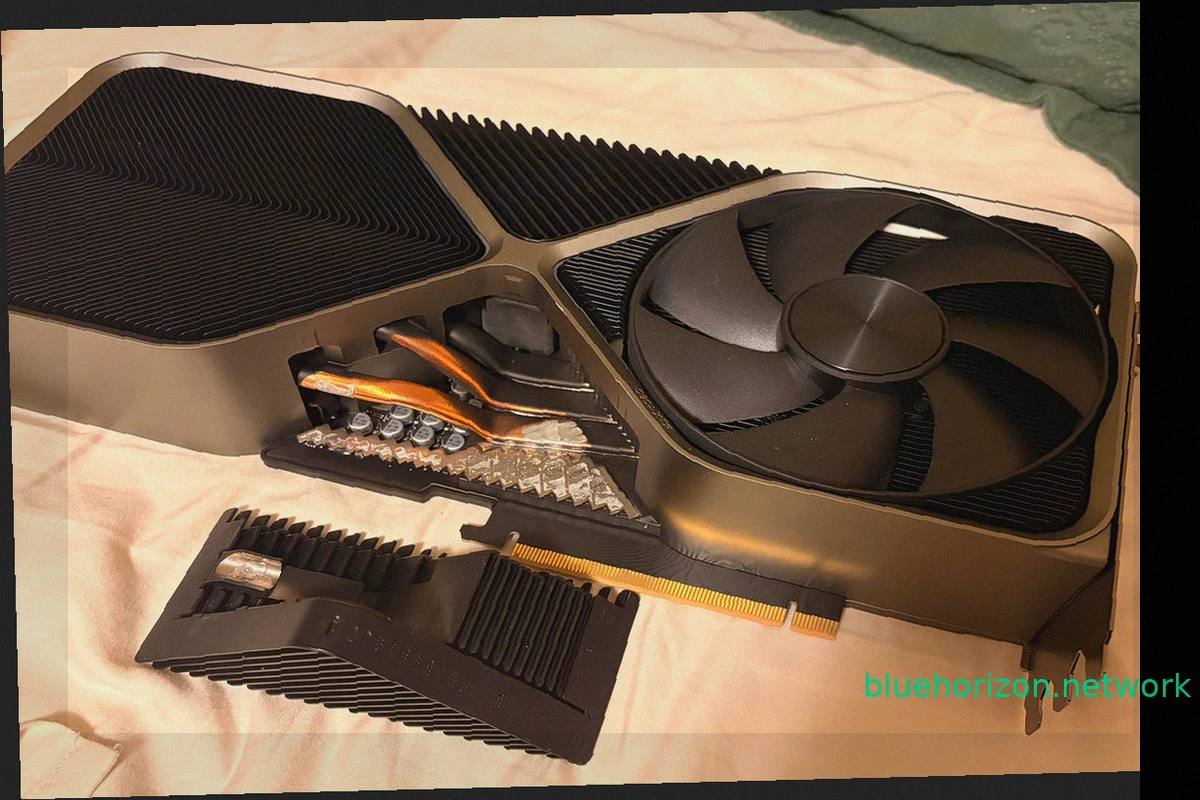
NVIDIA GeForce RTX 4090 Founders Edition Loses Part of Its Heatsink After Three Years
A NVIDIA GeForce RTX 4090 Founders Edition has presented an unusual problem, not with its power connector, but with its heatsink. This incident is unique, as a portion of the graphics card's massive heatsink literally detached while its owner was moving the computer. This wasn't a decorative c

Russian Missiles Strike Infrastructure of 1337x, Second Largest Torrent Tracker, Hitting Piracy
Russian missile attacks have damaged infrastructure belonging to popular torrent trackers like 1337x. Between September 23 and 27, 2026, Russia conducted strikes targeting data centers and communication facilities in Kyiv. These attacks temporarily disrupted internet access for approximately 1
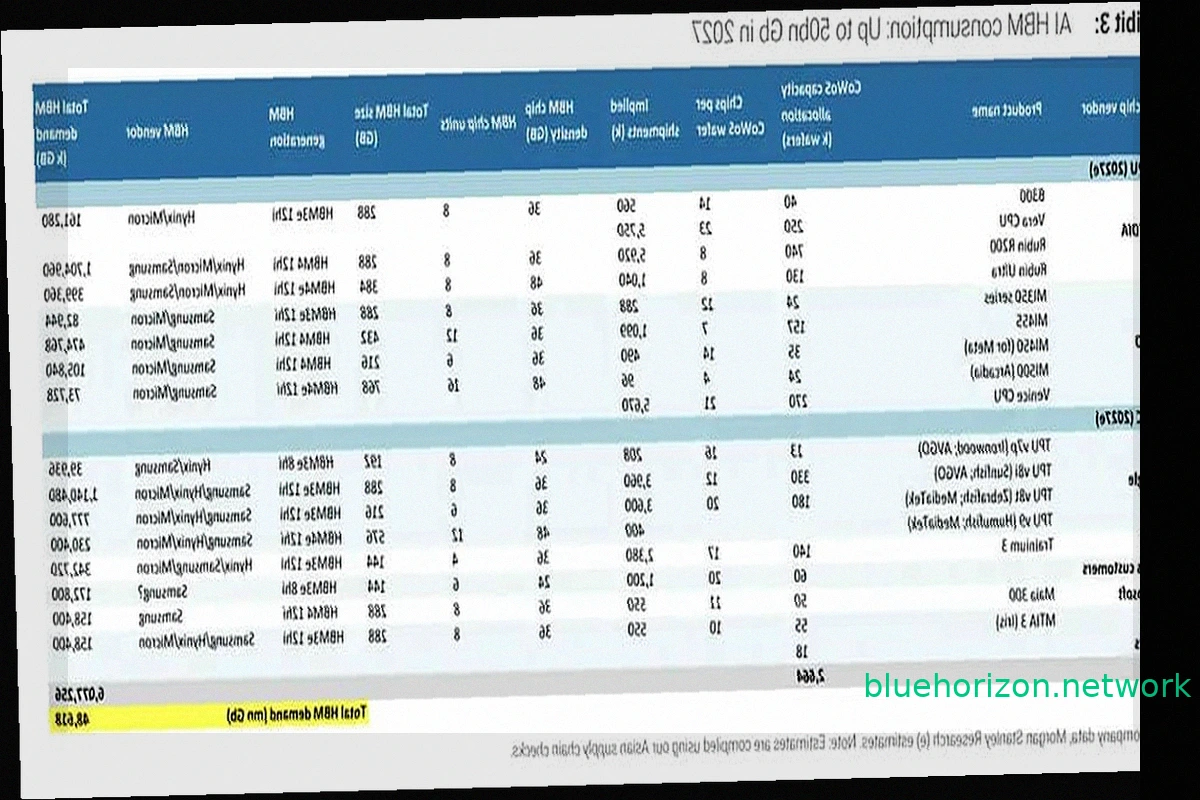
NVIDIA, Google, and AMD Poised to Control 85% of HBM Memory Demand by 2027
The "you'll own nothing and be happy" meme is finding a parallel in hardware, specifically memory. NVIDIA, Google, and AMD are set to command 85.4% of the global High Bandwidth Memory (HBM) demand by 2027, according to Morgan Stanley estimates. These three buyers will largely dictate the pace
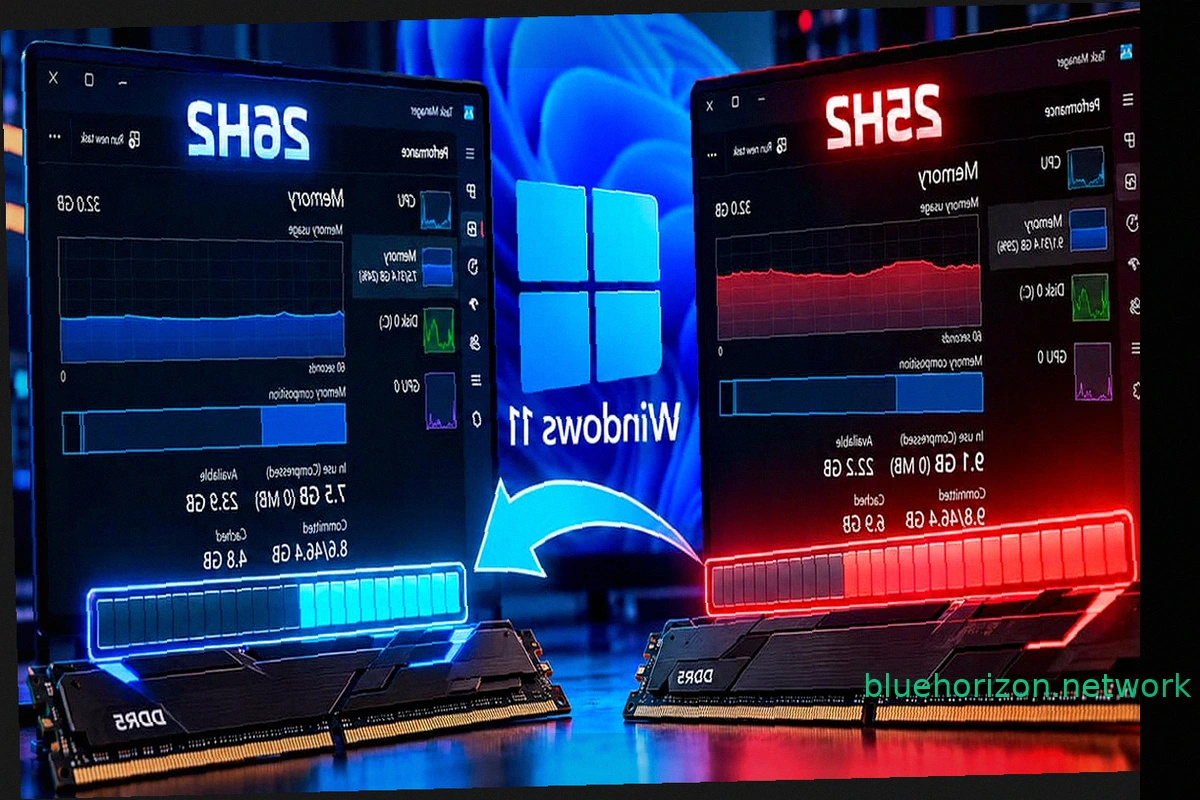
Windows 11 26H2 Reduces RAM Consumption by Up to 2 GB, But 8 GB Machines Still Struggle
Windows 11 26H2 is rolling out optimizations for RAM management. Some users report a noticeable decrease in RAM usage after installing this update, with certain systems showing a reduction of up to 2 GB compared to Windows 11 25H2 upon startup. However, initial findings suggest this improvemen

RTX 5090 fails with DLSS 5 after 48 hours for Chinese streamer
NVIDIA's RTX series introduced Tensor Cores, enabling technologies like DLSS. Early DLSS versions offered a noticeable drop in image quality compared to native resolution. DLSS 2 brought significant improvements, and DLSS 3 achieved parity or even superiority over native rendering. DLSS 4 cont