CXMT Steps on the Gas: Its DDR5 Memory Now Reaches 8,800 MT/s with AMD Ryzen CPUs
Chinese manufacturer CXMT continues to make rapid progress in DDR5 memory technology, with its latest achievement being the 8,800 MT/s barrier on AMD platforms. The Chinese manufacturer Colorful has successfully pushed one of its iGame Shadow II kits to 8,800 MT/s on an AMD AM5 platform. This marks the highest recorded result to date for modules equipped with CXMT chips within the AMD Ryzen ecosystem. The test was conducted on a Colorful iGame X870E Vulcan W OC motherboard, a model specifically designed for memory overclocking.
This achievement is particularly significant as the 8,800 MT/s speed was reached with both a 32 GB configuration (2x 16 GB) and a 48 GB configuration (2x 24 GB). According to Colorful, both configurations passed their respective stability tests, indicating that this is not just a frequency for a CPU-Z screenshot but a functional configuration operating at 8,800 MT/s under load.
CXMT DDR5 Memory Jumps from 6,000 to 8,800 MT/s on AMD AM5

Until recently, DDR5 RAM modules using CXMT chips struggled to exceed the 6,000 or 7,000 MT/s mark. This situation began to change when manufacturers like MSI, ASUS, Gigabyte, and Colorful implemented new BIOS versions that improved memory training, added specific profiles, and removed some limitations when using Chinese chips on their motherboards.
Colorful had previously managed to push this same 32 GB iGame Shadow II kit to 8,600 MT/s using its iGame X870E Vulcan motherboard with an AMD Ryzen 9 9950X3D processor. At that time, the modules operated with CL46 latency and passed a RunMemTestPro stability test, surpassing previous results of MSI's 8,200 MT/s and ASUS's 8,400 MT/s. Just a few weeks later, the company has managed to add another 200 MT/s, reaching 8,800 MT/s.
The dual 16 GB module configuration is perhaps the most notable aspect of this experiment. The 16 Gb DDR5 chips used to manufacture 16 GB modules typically offer less frequency headroom than the 24 Gb chips found in 24 GB modules. In fact, these types of configurations usually topped out around 8,200 or 8,400 MT/s when using CXMT chips, whereas dual 24 GB module configurations had previously demonstrated greater potential.
CXMT Nears Performance of Samsung, Micron, and SK Hynix Chips

Reaching 8,800 MT/s does not represent a record or milestone for DDR5 memory or the AM5 platform itself. Colorful had previously showcased iGame Shadow II kits with SK Hynix chips running above 9,000 MT/s, even forming configurations that reached up to 9,600 MT/s. The significance of this new result lies in the fact that it was achieved using Chinese CXMT chips, a company aiming to reduce China's reliance on manufacturers like Samsung, SK Hynix, and Micron.
8,800 MT/s had also been previously reached with CXMT memory on the Intel Z890 platform. In that instance, Asgard was the manufacturer that pushed a 48 GB Valkyrie II kit to that speed, with CL46-56-56-132 latencies, using an ASUS Z890 AYW Gaming WiFi W motherboard. The difference here is that Colorful has now managed to replicate that result on an AMD AM5 platform. Furthermore, and most importantly, it has done so with 16 GB modules.
This clearly demonstrates that with selected modules, a good motherboard with only two DIMM slots, a capable integrated processor controller, and manual voltage and latency adjustments, CXMT can now compete head-to-head with the memory manufacturing giants. The next milestone will be to aim for the 9,000 MT/s barrier.
Fresh materials — Technology News

Google Pixel Devices Hit by Nightmare Bug: September Update Locks Out Some Users
Updating your phone should be a simple process: install, restart, and continue. But imagine completing the update, entering your usual unlock pattern, and the phone not even letting you finish it. Your photos and messages remain, but you're locked out. This is the predicament some Google Pixel
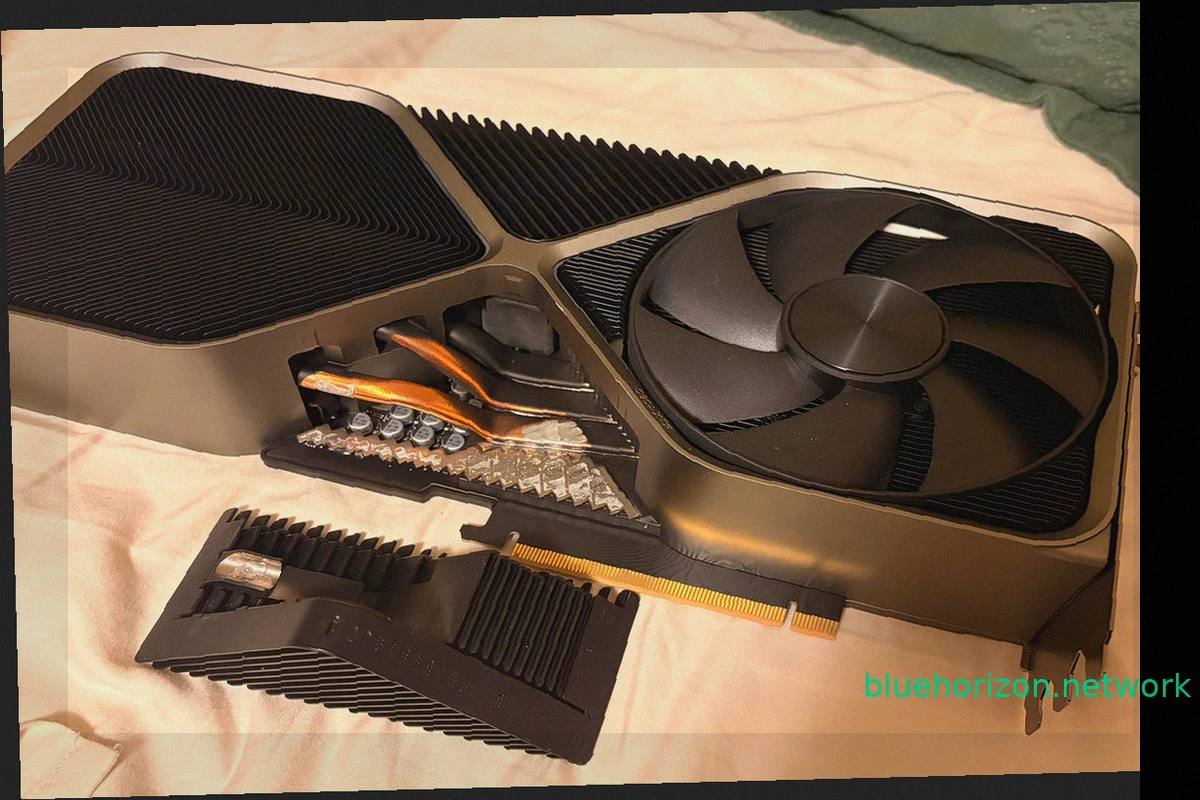
NVIDIA GeForce RTX 4090 Founders Edition Loses Part of Its Heatsink After Three Years
A NVIDIA GeForce RTX 4090 Founders Edition has presented an unusual problem, not with its power connector, but with its heatsink. This incident is unique, as a portion of the graphics card's massive heatsink literally detached while its owner was moving the computer. This wasn't a decorative c

Russian Missiles Strike Infrastructure of 1337x, Second Largest Torrent Tracker, Hitting Piracy
Russian missile attacks have damaged infrastructure belonging to popular torrent trackers like 1337x. Between September 23 and 27, 2026, Russia conducted strikes targeting data centers and communication facilities in Kyiv. These attacks temporarily disrupted internet access for approximately 1
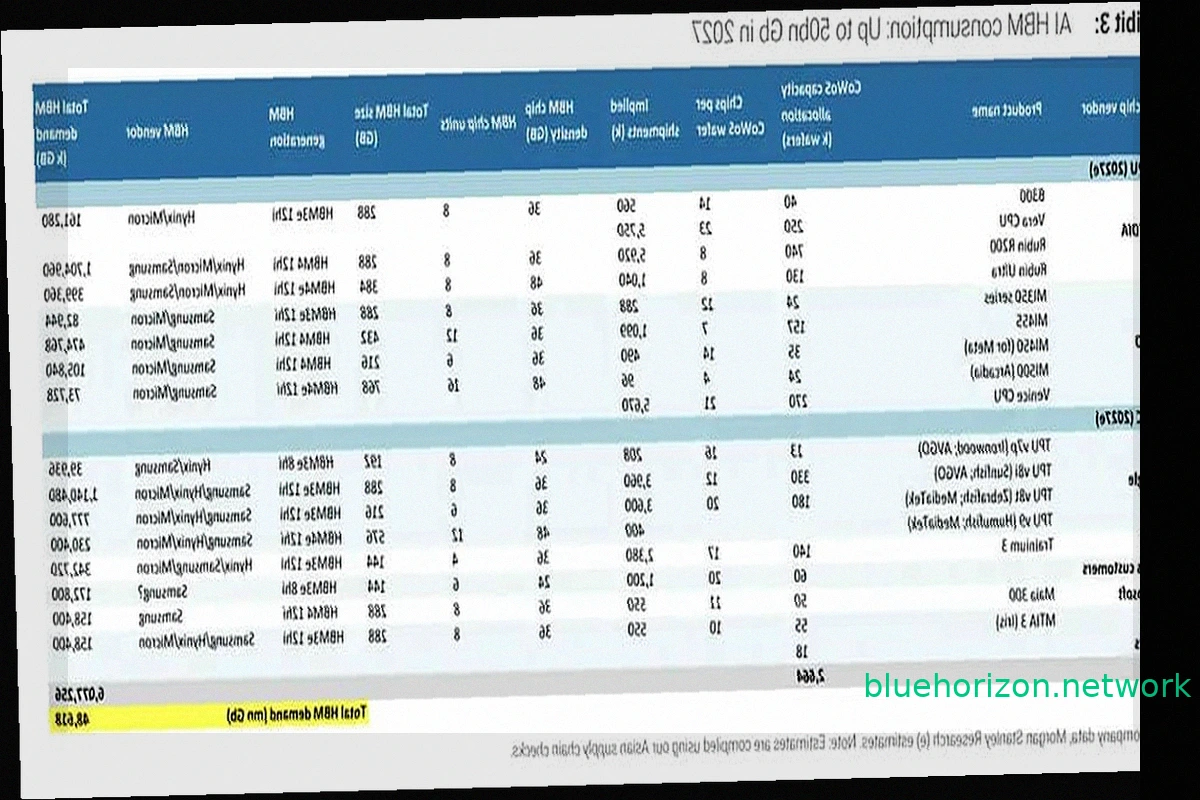
NVIDIA, Google, and AMD Poised to Control 85% of HBM Memory Demand by 2027
The "you'll own nothing and be happy" meme is finding a parallel in hardware, specifically memory. NVIDIA, Google, and AMD are set to command 85.4% of the global High Bandwidth Memory (HBM) demand by 2027, according to Morgan Stanley estimates. These three buyers will largely dictate the pace
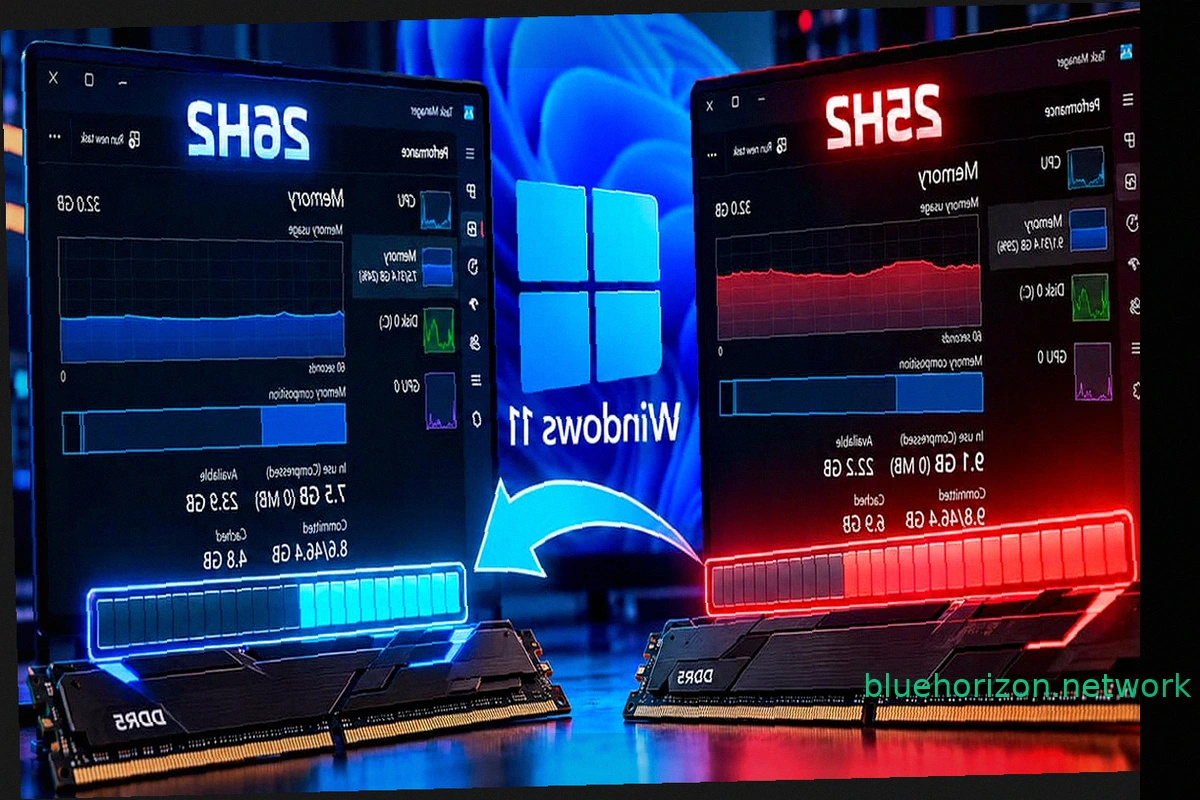
Windows 11 26H2 Reduces RAM Consumption by Up to 2 GB, But 8 GB Machines Still Struggle
Windows 11 26H2 is rolling out optimizations for RAM management. Some users report a noticeable decrease in RAM usage after installing this update, with certain systems showing a reduction of up to 2 GB compared to Windows 11 25H2 upon startup. However, initial findings suggest this improvemen

RTX 5090 fails with DLSS 5 after 48 hours for Chinese streamer
NVIDIA's RTX series introduced Tensor Cores, enabling technologies like DLSS. Early DLSS versions offered a noticeable drop in image quality compared to native resolution. DLSS 2 brought significant improvements, and DLSS 3 achieved parity or even superiority over native rendering. DLSS 4 cont