DLSS 5 Doesn't Reconstruct 3D Scenes: NVIDIA Admits AI Works on 2D Frames
What many believed to be a significant evolution, or even a revolution, in intelligent AI-driven upscaling is turning out to be quite different. NVIDIA has clarified that its DLSS 5 technology does not reconstruct scenes or understand the game's 3D world as widely speculated. Instead, DLSS 5 operates by applying various AI techniques to an *already rendered 2D frame* to generate a new image.
This confirmation came directly from NVIDIA's Jacob Freeman in an email conversation with content creator Daniel Owen, shedding light on the actual workings of DLSS 5 and the true extent of developer control.
NVIDIA Confirms DLSS 5 Processes 2D Frames, Not Direct Game Engine Data
In the aforementioned correspondence, NVIDIA outlined several key points, though not entirely in line with previous expectations. The company explained that DLSS 5 "reconstructs lighting" by adding effects such as subsurface scattering, occlusion, hair lighting, and rim lighting, all utilizing the game's color information and Motion Vectors.
Furthermore, NVIDIA claims DLSS 5 enhances the PBR (Physically Based Rendering) properties of materials, contributing to greater realism in light interaction. On the surface, this sounds like deep integration with the game engine, reading real-time scene data. However, the crucial detail lies in what isn't explicitly stated but later confirmed: DLSS 5 *does not access* this direct information.

DLSS 5's input is limited to the rendered 2D frame and Motion Vectors. This means it lacks access to geometry, materials, or the PBR values defined by game developers. All its enhancements are inferred from the *final image*, positioning it closer to a generative AI system than a traditional reconstruction technique. Therefore, when NVIDIA mentions improving lighting or materials, it refers to an interpretation based on prior AI training, not on actual, real-time game data. Essentially, it processes the output of an already rendered 2D frame, acting as a post-processing layer rather than integrating within the rendering pipeline.
Limited Developer Tools: Less Control Than Anticipated

While still in its early stages, the full scope of DLSS 5 appears less groundbreaking than initially believed, for reasons beyond its 2D frame processing. Jacob Freeman's email also detailed the extent of developer control, highlighting three primary tools: intensity (blending the original image with the AI-generated one), color grading (adjustments to contrast, saturation, and gamma), and masking (defining areas where the effect should not be applied).
However, there is no direct control over specific decisions made by the AI model. For instance, if the AI interprets a face differently or adds details not intended in the original design, developers cannot specifically correct this behavior beyond reducing or deactivating the effect. This implies that developer control is indeed *partial*, not the comprehensive control previously suggested.
NVIDIA maintains that the underlying geometry and textures remain unchanged, which is true from the game engine's perspective. However, the user ultimately sees the AI's reinterpretation of the image. This means developers must trust DLSS 5 to correctly interpret each 2D frame without distorting the visual integrity or representing something contrary to their artistic vision.
Potential Visual Discrepancies and Performance Concerns

This approach introduces the potential for visual alterations that could diverge from the original artistic intent, an effect already observed in some public demonstrations. Consequently, DLSS 5 appears to be less a tool for enhancing rendering and more a layer that reinterprets it based on static 2D frames.
While it might deliver a more striking or even photorealistic image, it does so without a true understanding of the scene and with limited control for the creators of that initial image. Will every game look better? Likely. Will it introduce additional latency? Most probably. Will it be suitable for competitive gaming? Probably not, especially for those who prioritize responsiveness in online play.
Given that previous DLSS versions and Frame Generation had their limitations in certain game types, DLSS 5, reacting to 2D frames, does not seem like a superior solution for fast-paced titles like traditional FPS games. It might be more optimal for games with slower movements. Nevertheless, a definitive judgment awaits hands-on experience with the technology.
Fresh materials — Technology News

Google Pixel Devices Hit by Nightmare Bug: September Update Locks Out Some Users
Updating your phone should be a simple process: install, restart, and continue. But imagine completing the update, entering your usual unlock pattern, and the phone not even letting you finish it. Your photos and messages remain, but you're locked out. This is the predicament some Google Pixel
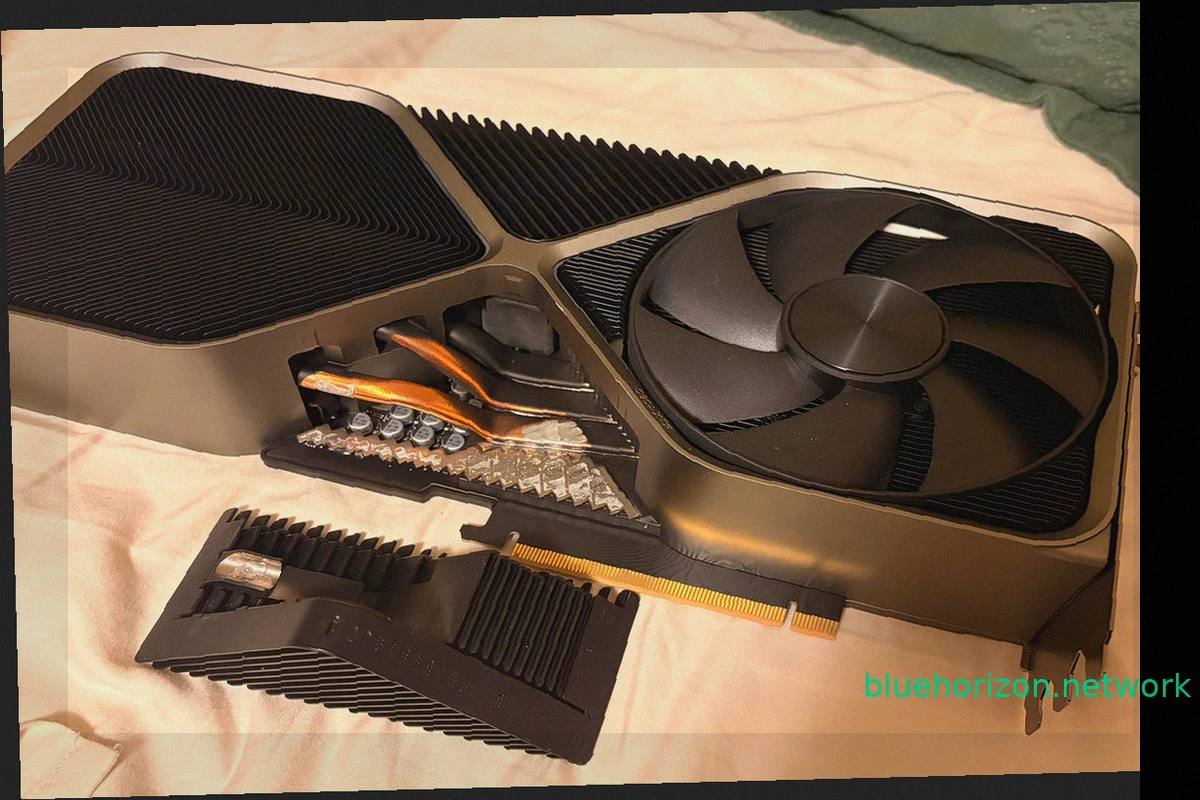
NVIDIA GeForce RTX 4090 Founders Edition Loses Part of Its Heatsink After Three Years
A NVIDIA GeForce RTX 4090 Founders Edition has presented an unusual problem, not with its power connector, but with its heatsink. This incident is unique, as a portion of the graphics card's massive heatsink literally detached while its owner was moving the computer. This wasn't a decorative c

Russian Missiles Strike Infrastructure of 1337x, Second Largest Torrent Tracker, Hitting Piracy
Russian missile attacks have damaged infrastructure belonging to popular torrent trackers like 1337x. Between September 23 and 27, 2026, Russia conducted strikes targeting data centers and communication facilities in Kyiv. These attacks temporarily disrupted internet access for approximately 1
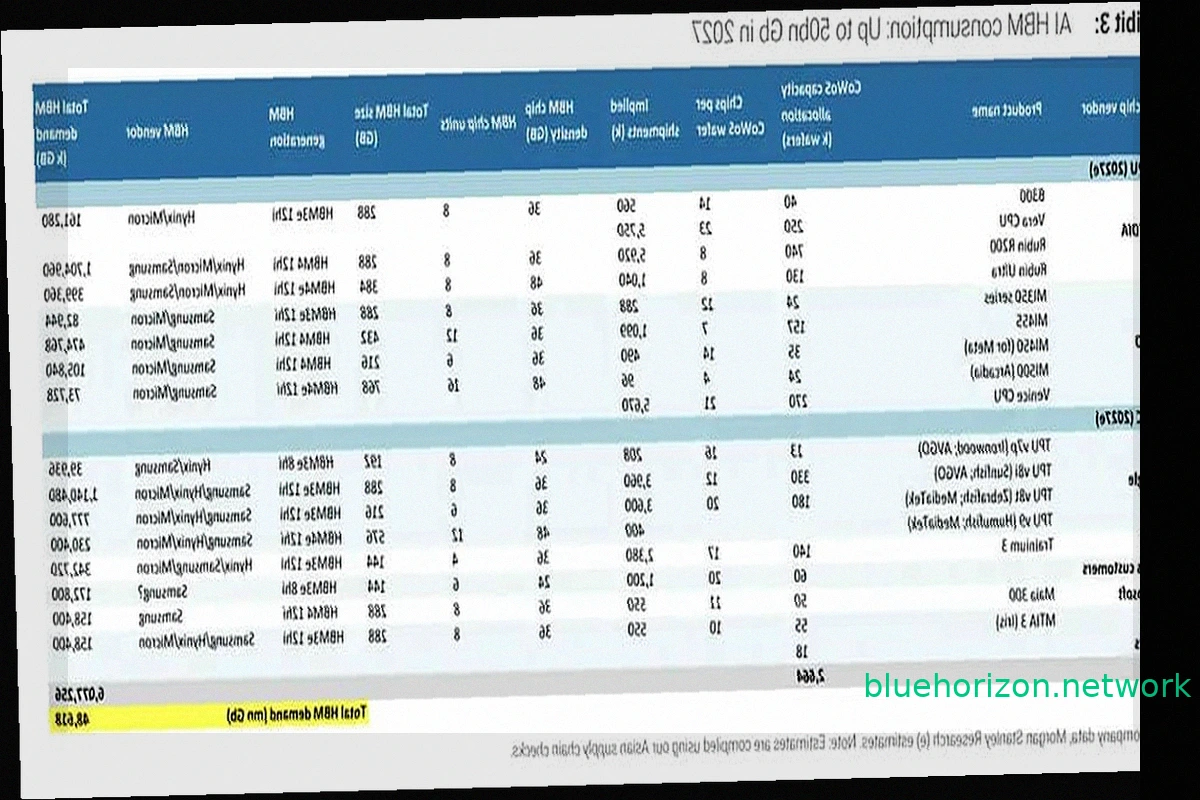
NVIDIA, Google, and AMD Poised to Control 85% of HBM Memory Demand by 2027
The "you'll own nothing and be happy" meme is finding a parallel in hardware, specifically memory. NVIDIA, Google, and AMD are set to command 85.4% of the global High Bandwidth Memory (HBM) demand by 2027, according to Morgan Stanley estimates. These three buyers will largely dictate the pace
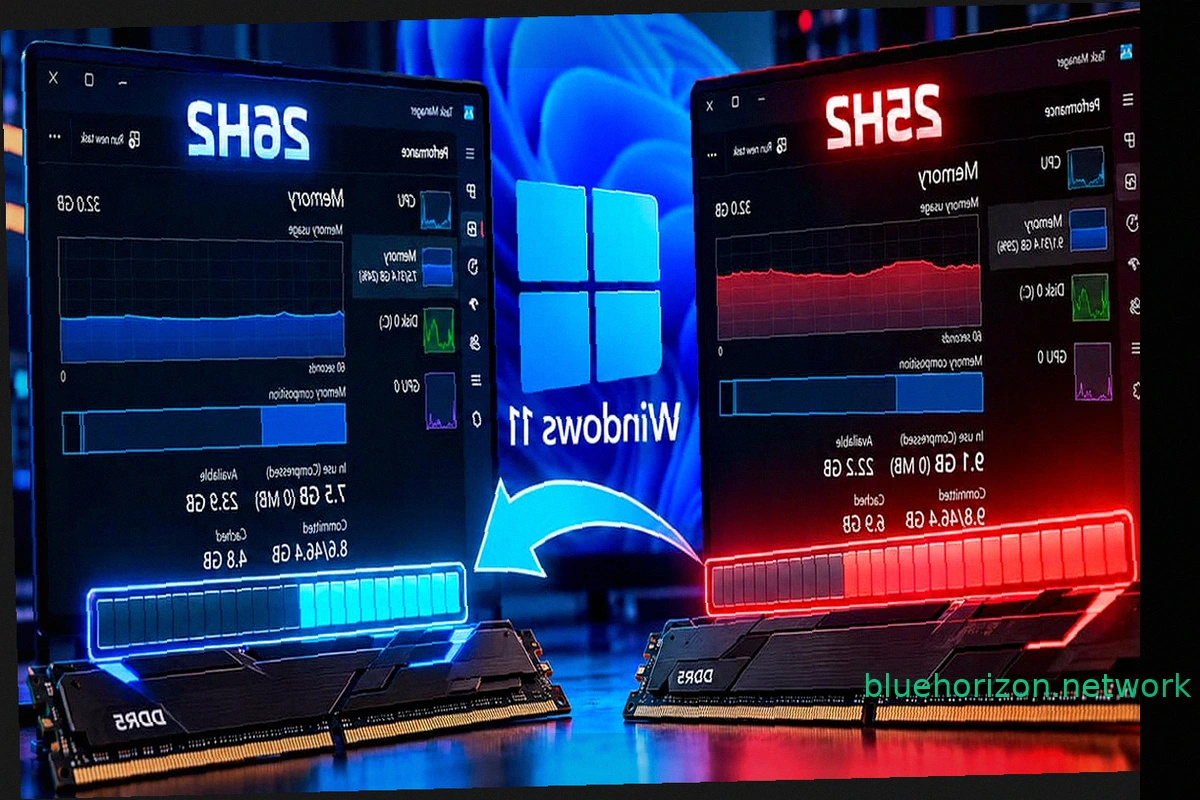
Windows 11 26H2 Reduces RAM Consumption by Up to 2 GB, But 8 GB Machines Still Struggle
Windows 11 26H2 is rolling out optimizations for RAM management. Some users report a noticeable decrease in RAM usage after installing this update, with certain systems showing a reduction of up to 2 GB compared to Windows 11 25H2 upon startup. However, initial findings suggest this improvemen

RTX 5090 fails with DLSS 5 after 48 hours for Chinese streamer
NVIDIA's RTX series introduced Tensor Cores, enabling technologies like DLSS. Early DLSS versions offered a noticeable drop in image quality compared to native resolution. DLSS 2 brought significant improvements, and DLSS 3 achieved parity or even superiority over native rendering. DLSS 4 cont