DLSS 5: NVIDIA's "Trojan Horse" to Dominate PC Gaming
NVIDIA has long held a dominant position in the PC graphics card market, significantly outperforming AMD in market share. Despite some criticism for the RTX 50 series, sales remained strong. Now, with the advent of DLSS 5, popular YouTuber Moore's Law is Dead predicts it could deliver the "final blow" to AMD in PC gaming, potentially compelling developers to exclusively utilize NVIDIA's technology.
Historically, NVIDIA attracted gamers due to its more stable drivers, whereas AMD's drivers often presented issues. Before the RTX series, NVIDIA offered exclusive features like CUDA and PhysX. The introduction of RTX cards brought Tensor Cores, enabling real-time Ray Tracing and DLSS. While the first iteration of DLSS was underwhelming, DLSS 2 and subsequent versions marked significant quality improvements. AMD responded with FSR, which arrived later and was initially considered inferior, though FSR 4 has shown considerable progress. Nevertheless, NVIDIA continued its innovation with DLSS 4.5, and now, the controversial DLSS 5.
DLSS 5: A Game-Changer or Market Dominator?
Moore's Law is Dead believes DLSS 5 poses an existential threat to AMD. Unlike FSR, which has improved in scaling to rival NVIDIA, DLSS 5 is fundamentally different. It's not merely an AI filter; NVIDIA's CEO Jensen Huang has indicated that it dynamically modifies geometry, details, and lighting in real-time, offering developers profound control. With NVIDIA fully embracing AI, and AMD still in the nascent stages of incorporating Machine Learning into FSR, the technological gap is vast.
The YouTuber draws a comparison between DLSS 5 and PhysX, a technology that enhanced graphics but mandated NVIDIA hardware. Despite not being an NVIDIA advocate, Moore's Law is Dead criticizes DLSS 5 for shifting away from its original purpose of performance upscaling to become a tool for market domination. He suggests that, similar to PhysX, optimal DLSS 5 performance might require dedicated graphics hardware, even citing observations of a setup using two RTX 5090s (one for the game, one for DLSS 5). This scenario could inadvertently boost NVIDIA's GPU sales.
While PhysX ultimately faded due to limited adoption, NVIDIA consistently pursues technological superiority. Moore's Law is Dead warns that widespread developer adoption of DLSS 5 could signal the end for AMD in PC gaming. He urges AMD to chart its own course, focusing on improving GPU performance organically rather than relying on "AI-invented frames" or technologies like DLSS 5, which he perceives as akin to "real-time AI-generated video."
Fresh materials — Technology News

Google Pixel Devices Hit by Nightmare Bug: September Update Locks Out Some Users
Updating your phone should be a simple process: install, restart, and continue. But imagine completing the update, entering your usual unlock pattern, and the phone not even letting you finish it. Your photos and messages remain, but you're locked out. This is the predicament some Google Pixel
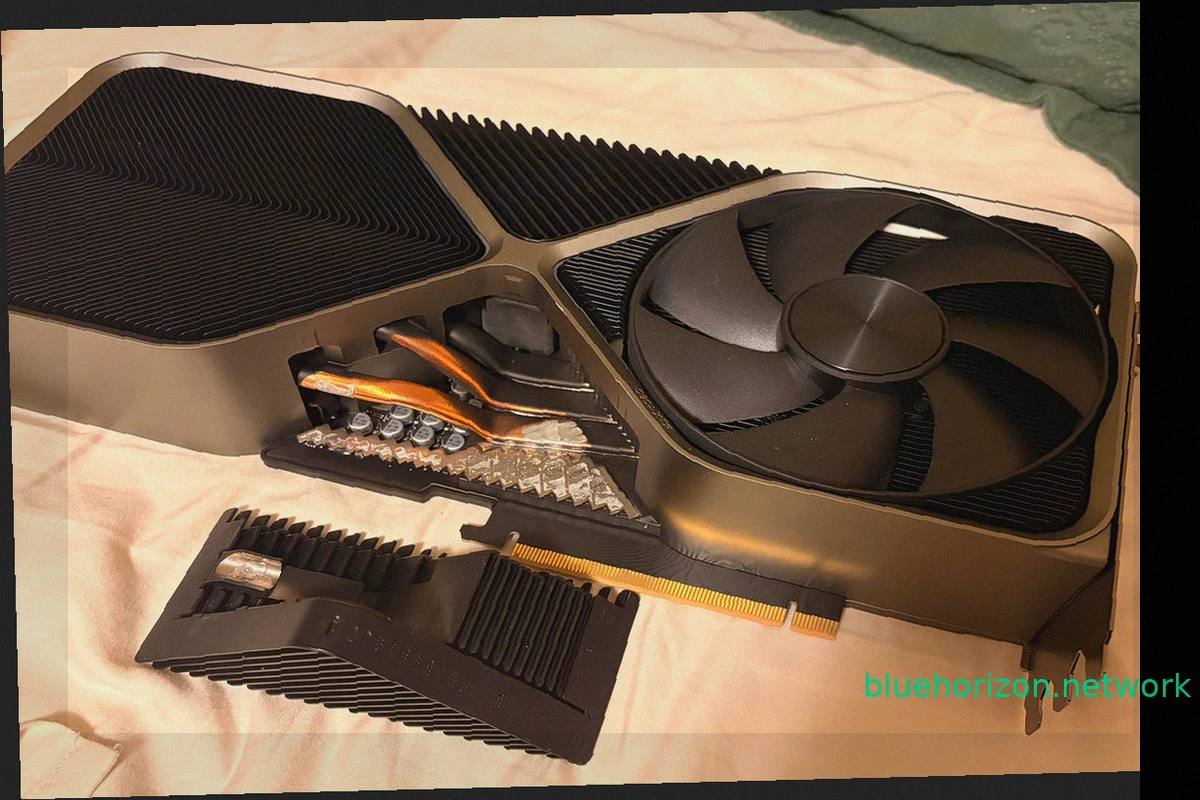
NVIDIA GeForce RTX 4090 Founders Edition Loses Part of Its Heatsink After Three Years
A NVIDIA GeForce RTX 4090 Founders Edition has presented an unusual problem, not with its power connector, but with its heatsink. This incident is unique, as a portion of the graphics card's massive heatsink literally detached while its owner was moving the computer. This wasn't a decorative c

Russian Missiles Strike Infrastructure of 1337x, Second Largest Torrent Tracker, Hitting Piracy
Russian missile attacks have damaged infrastructure belonging to popular torrent trackers like 1337x. Between September 23 and 27, 2026, Russia conducted strikes targeting data centers and communication facilities in Kyiv. These attacks temporarily disrupted internet access for approximately 1
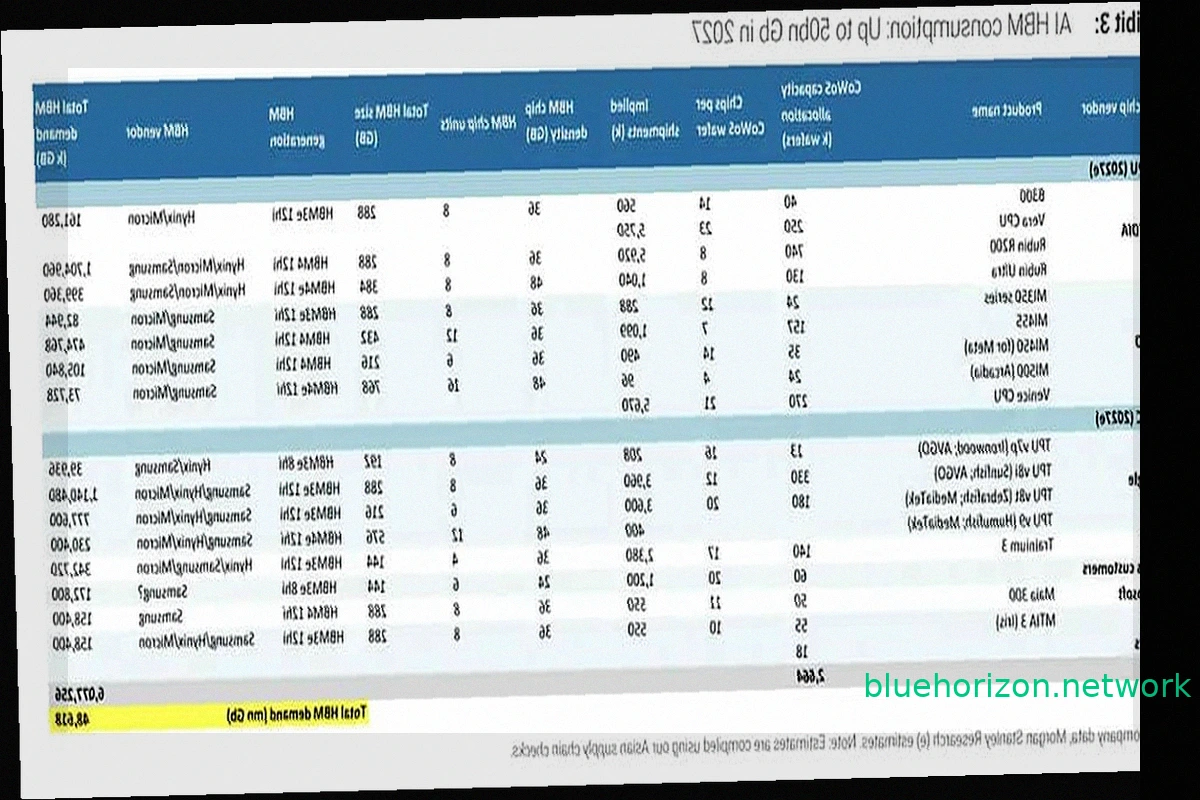
NVIDIA, Google, and AMD Poised to Control 85% of HBM Memory Demand by 2027
The "you'll own nothing and be happy" meme is finding a parallel in hardware, specifically memory. NVIDIA, Google, and AMD are set to command 85.4% of the global High Bandwidth Memory (HBM) demand by 2027, according to Morgan Stanley estimates. These three buyers will largely dictate the pace
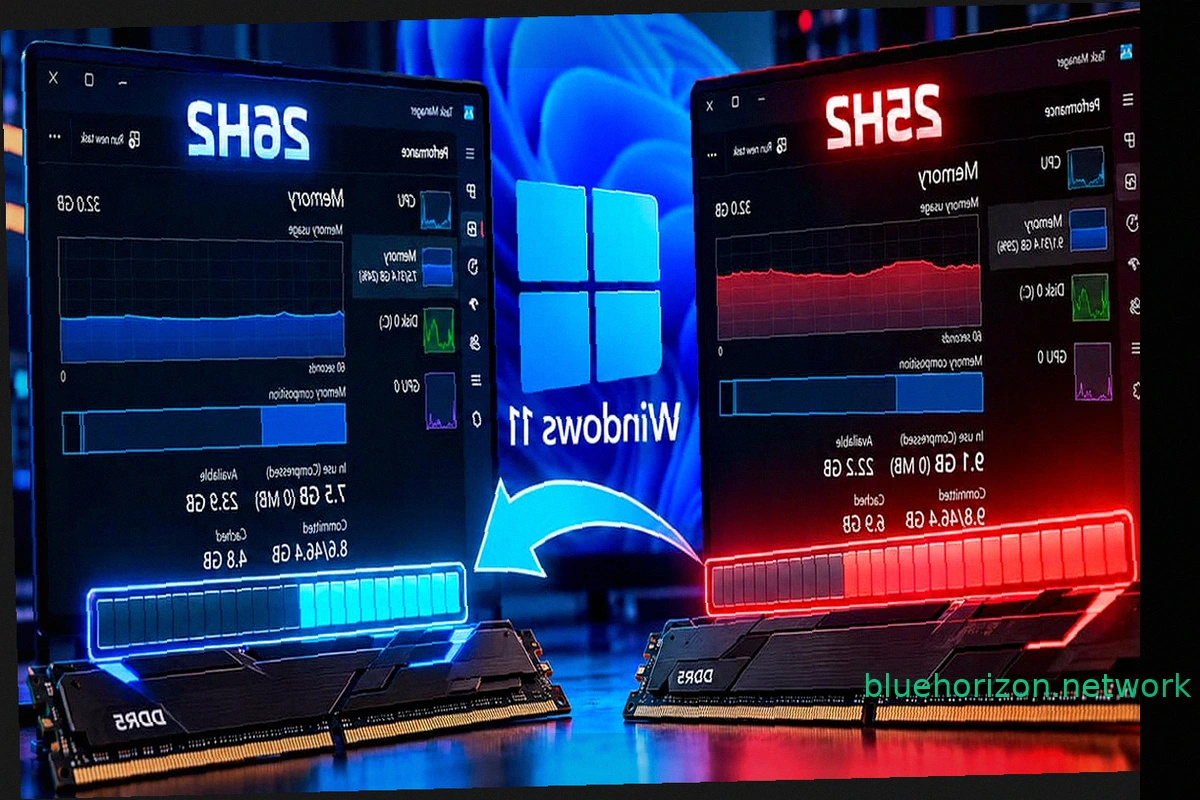
Windows 11 26H2 Reduces RAM Consumption by Up to 2 GB, But 8 GB Machines Still Struggle
Windows 11 26H2 is rolling out optimizations for RAM management. Some users report a noticeable decrease in RAM usage after installing this update, with certain systems showing a reduction of up to 2 GB compared to Windows 11 25H2 upon startup. However, initial findings suggest this improvemen

RTX 5090 fails with DLSS 5 after 48 hours for Chinese streamer
NVIDIA's RTX series introduced Tensor Cores, enabling technologies like DLSS. Early DLSS versions offered a noticeable drop in image quality compared to native resolution. DLSS 2 brought significant improvements, and DLSS 3 achieved parity or even superiority over native rendering. DLSS 4 cont