Evolution of Mobile SoC Frequencies (2015-2025): TSMC and ASML Dominate Over China
Globally, only a handful of foundries are responsible for manufacturing chip wafers, the essential components for processors and graphics cards, bringing chip designs from companies like Apple, NVIDIA, and AMD to life. Among these, TSMC stands as the undisputed market leader, followed by Samsung Foundry. In a distant third, companies like GlobalFoundries, UMC, SMIC, and HuaHong compete. While these Chinese foundries have seen significant growth in recent years, they are far from catching up to TSMC's capability in producing mobile chip nodes that achieve significantly higher frequencies. Let's examine the evolution of mobile SoC frequencies over the past decade.
Following the United States' ban on chip purchases from China, the Asian giant faced limited options, resorting to acquiring chips from unaffected third countries and, crucially, developing its own domestic chip industry. Hopes were not high initially, as Chinese-designed processors were known to lag considerably behind those from the United States. However, China ultimately surprised by increasing its investment in its industry, research, and development, achieving several remarkable milestones.
The Evolution of Mobile SoC Frequencies Between 2015 and 2025
Chinese foundries like SMIC collaborated with one of the country's most prominent companies, Huawei, with the goal of creating more powerful and advanced mobile SoCs. The surprising development came when they managed to create 7nm chips, placing them only a few years behind the rest of the competition in terms of manufacturing node size. As you know, this is not the only factor; if it were, Samsung would have long been the leader, not TSMC. This Taiwanese company leads because TSMC utilizes the world's most advanced nodes and excels in performance and efficiency, in conjunction with ASML's machinery.
The chart above compares mobile SoCs from Huawei (Kirin), Qualcomm (Snapdragon), MediaTek (Dimensity), and Apple over a decade. In 2015, China was competitive and at the same frequency level as all other manufacturers. In fact, significant differences weren't apparent until 2017 when Qualcomm's Snapdragon 845 surpassed 2.6 GHz. It took another three years for other brands to reach that frequency. From that point onwards, Apple consistently and rapidly increased its performance.
Qualcomm Will Continue to Lead with the Next Generation of Chips at 5 GHz, While China's Huawei Won't Even Reach 3 GHz
Just as Apple began its surge in frequencies in 2021, Huawei reached its peak with the Kirin K9000 SoC at over 3 GHz. Following this and the US restrictions, Chinese foundry frequencies have since declined, dropping to 2.5 GHz in 2024 and around 2.7 GHz in 2025 with the latest K9030. In comparison, the Apple A15 Pro reaches approximately 4.2 GHz, alongside MediaTek's Dimensity 9500.
Currently, the frequency leader is the Snapdragon 8 Elite Gen 5, exceeding 4.5 GHz. Qualcomm is preparing to achieve a minimum of 5 GHz with the next generation, the Snapdragon 8 Elite Gen 6. Until China gains access to EUV lithography and the latest generation scanners, they will be unable to compete at the same performance level.
Fresh materials — Technology News
Google Pixel Devices Hit by Nightmare Bug: September Update Locks Out Some Users
Updating your phone should be a simple process: install, restart, and continue. But imagine completing the update, entering your usual unlock pattern, and the phone not even letting you finish it. Your photos and messages remain, but you're locked out. This is the predicament some Google Pixel
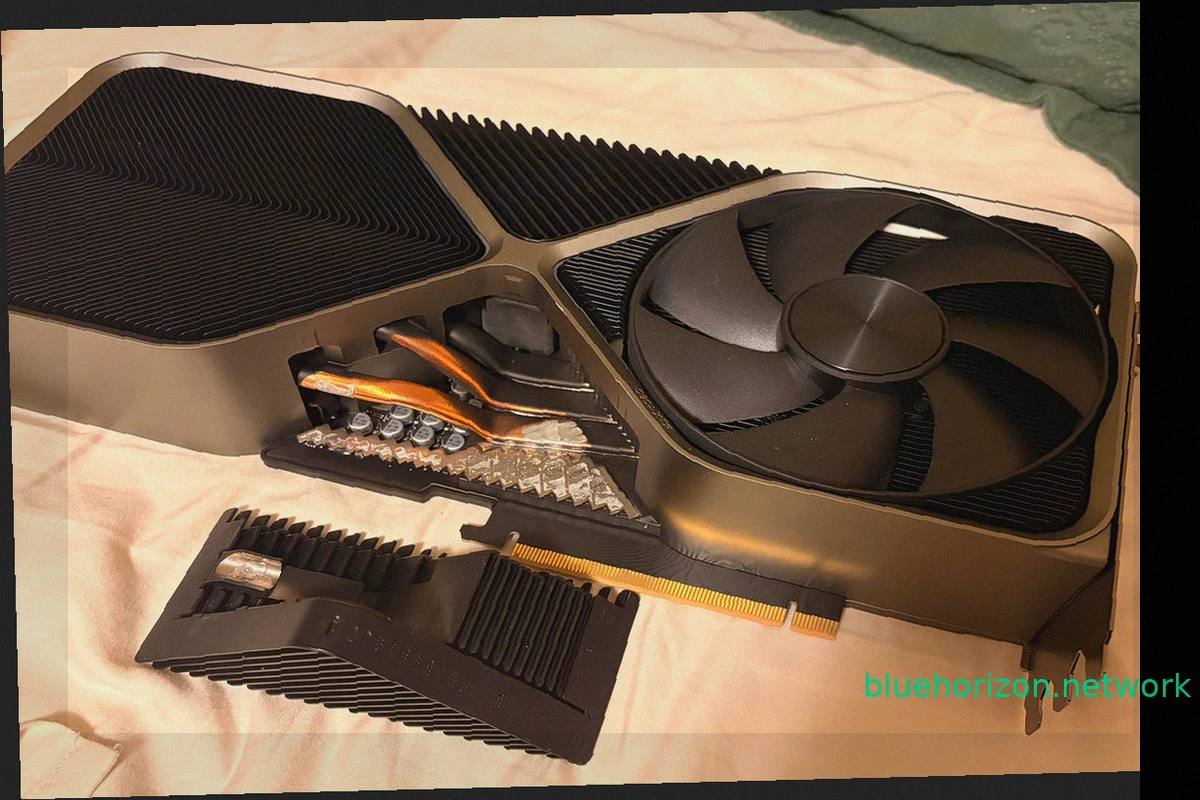
NVIDIA GeForce RTX 4090 Founders Edition Loses Part of Its Heatsink After Three Years
A NVIDIA GeForce RTX 4090 Founders Edition has presented an unusual problem, not with its power connector, but with its heatsink. This incident is unique, as a portion of the graphics card's massive heatsink literally detached while its owner was moving the computer. This wasn't a decorative c

Russian Missiles Strike Infrastructure of 1337x, Second Largest Torrent Tracker, Hitting Piracy
Russian missile attacks have damaged infrastructure belonging to popular torrent trackers like 1337x. Between September 23 and 27, 2026, Russia conducted strikes targeting data centers and communication facilities in Kyiv. These attacks temporarily disrupted internet access for approximately 1
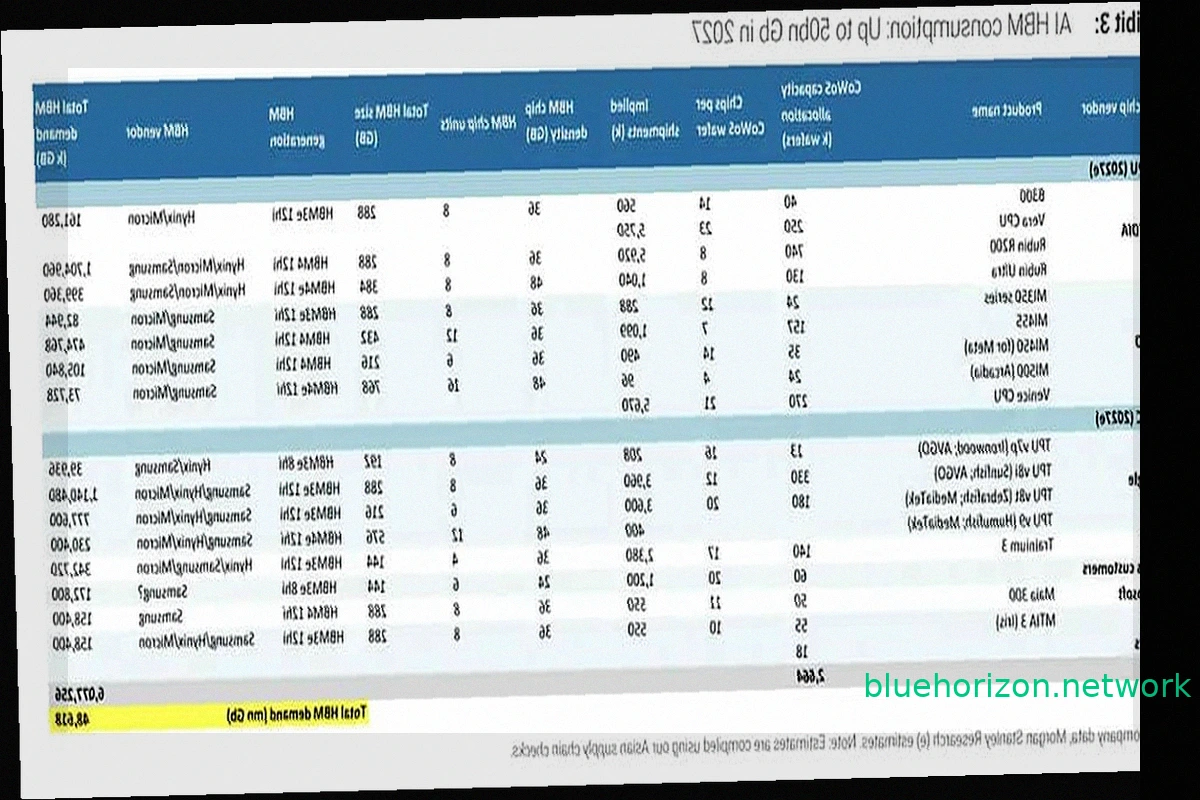
NVIDIA, Google, and AMD Poised to Control 85% of HBM Memory Demand by 2027
The "you'll own nothing and be happy" meme is finding a parallel in hardware, specifically memory. NVIDIA, Google, and AMD are set to command 85.4% of the global High Bandwidth Memory (HBM) demand by 2027, according to Morgan Stanley estimates. These three buyers will largely dictate the pace
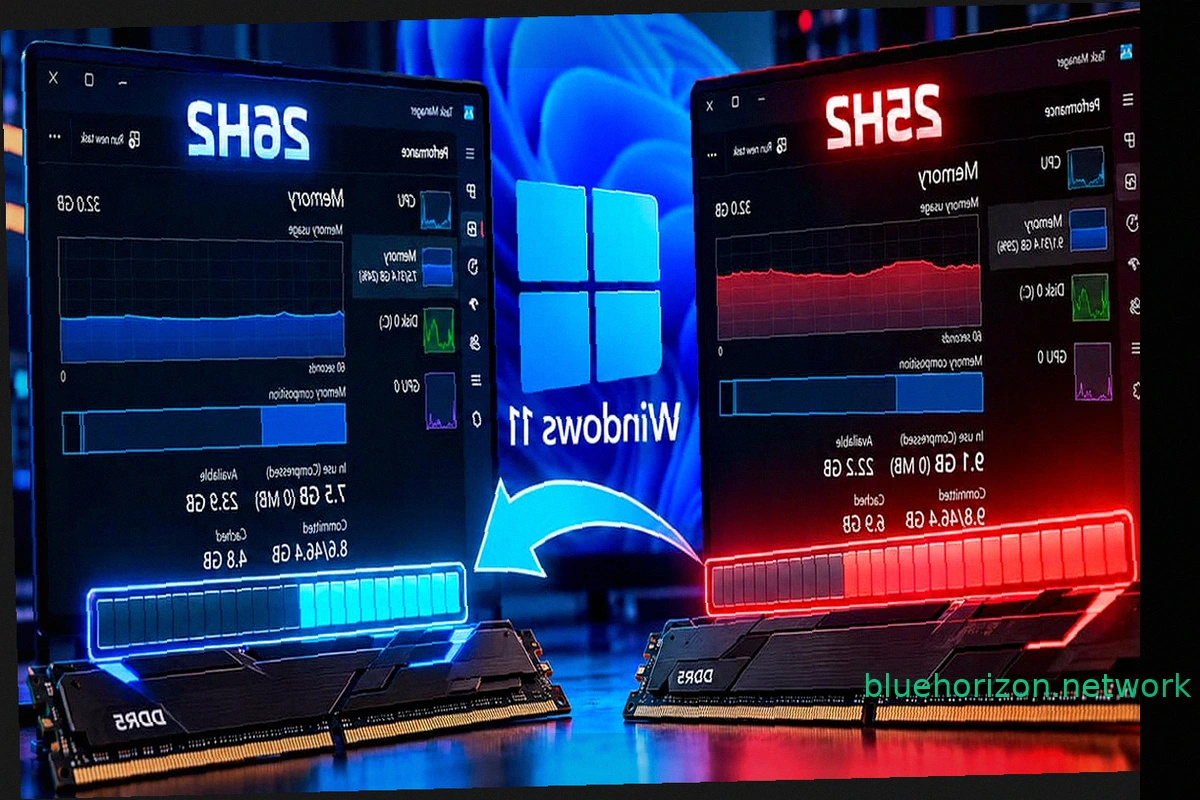
Windows 11 26H2 Reduces RAM Consumption by Up to 2 GB, But 8 GB Machines Still Struggle
Windows 11 26H2 is rolling out optimizations for RAM management. Some users report a noticeable decrease in RAM usage after installing this update, with certain systems showing a reduction of up to 2 GB compared to Windows 11 25H2 upon startup. However, initial findings suggest this improvemen

RTX 5090 fails with DLSS 5 after 48 hours for Chinese streamer
NVIDIA's RTX series introduced Tensor Cores, enabling technologies like DLSS. Early DLSS versions offered a noticeable drop in image quality compared to native resolution. DLSS 2 brought significant improvements, and DLSS 3 achieved parity or even superiority over native rendering. DLSS 4 cont