First Critical Vulnerability Found in Claude Code: Attackers Can Steal Developer Data
With every new technology, security is a paramount concern. While generative AI has shown susceptibility to trickery like 'Prompt Injection,' direct exploits were rare—until now. Researchers have discovered a critical vulnerability in Claude Code's source code that could allow attackers to steal data from developers.
Preceding modern generative AI, Generative Adversarial Networks (GANs) from 2014-2015 already presented algorithmic security risks.
Claude Code's First Vulnerability Discovered
Massive language models post-2017 and prompt-based generative AI (since 2022) have faced challenges such as data leaks and 'Prompt Injection.' However, a new category of vulnerability has emerged with Claude Code. Researchers from Adversa AI have identified a critical flaw in its permissions system.
The exploit is triggered when processing command chains exceeding 50 subcommands. Claude Code, aiming for performance optimization, bypasses individual checks and executes the entire sequence, opening the door for attackers to steal data.
Anthropic Fixed the Vulnerability in Claude Code Version 2.1.90
An attack scenario could involve a malicious 'Claude.md' file in a GitHub repository. Containing over 50 hidden commands, the AI agent would execute all of them without validation from the 51st onwards. This allows the use of commands like 'curl' or 'git' to exfiltrate sensitive data or cloud credentials from the developer's local environment to external servers, without their knowledge.
Fortunately, Anthropic has resolved this flaw in version 2.1.90 of Claude Code.
Fresh materials — Technology News

Google Pixel Devices Hit by Nightmare Bug: September Update Locks Out Some Users
Updating your phone should be a simple process: install, restart, and continue. But imagine completing the update, entering your usual unlock pattern, and the phone not even letting you finish it. Your photos and messages remain, but you're locked out. This is the predicament some Google Pixel
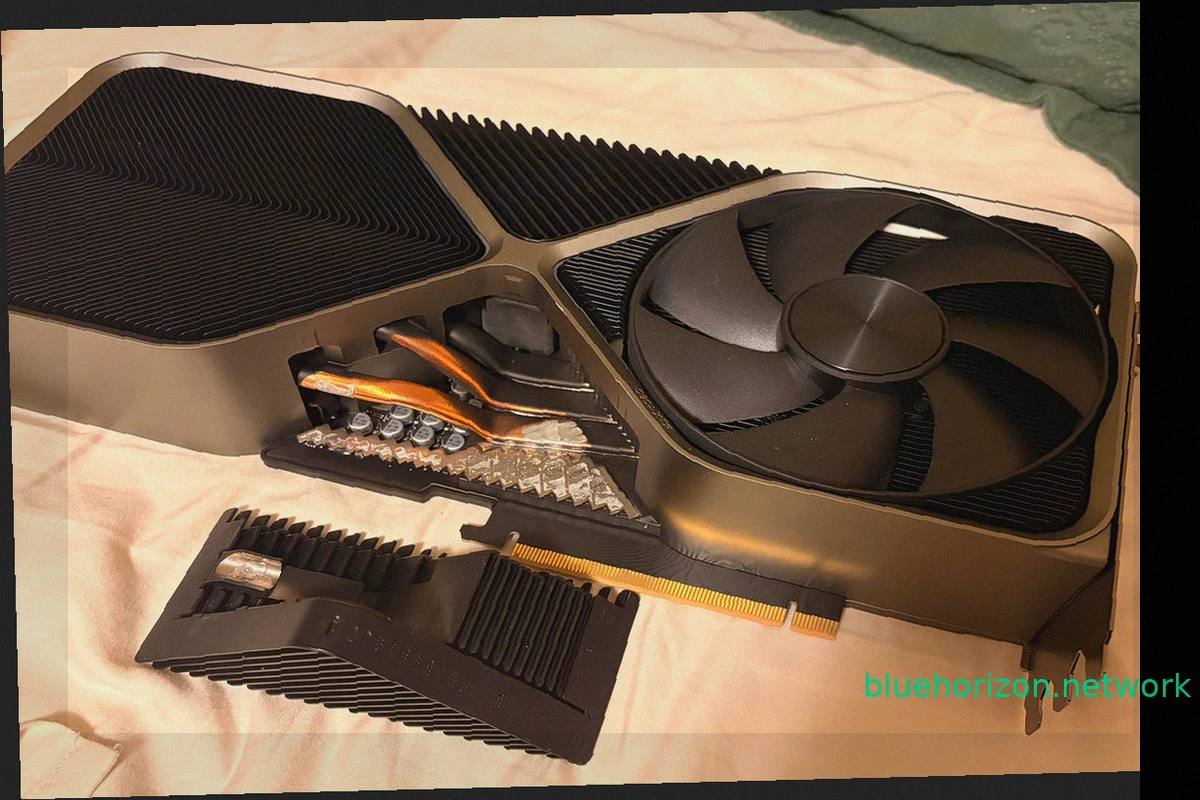
NVIDIA GeForce RTX 4090 Founders Edition Loses Part of Its Heatsink After Three Years
A NVIDIA GeForce RTX 4090 Founders Edition has presented an unusual problem, not with its power connector, but with its heatsink. This incident is unique, as a portion of the graphics card's massive heatsink literally detached while its owner was moving the computer. This wasn't a decorative c

Russian Missiles Strike Infrastructure of 1337x, Second Largest Torrent Tracker, Hitting Piracy
Russian missile attacks have damaged infrastructure belonging to popular torrent trackers like 1337x. Between September 23 and 27, 2026, Russia conducted strikes targeting data centers and communication facilities in Kyiv. These attacks temporarily disrupted internet access for approximately 1
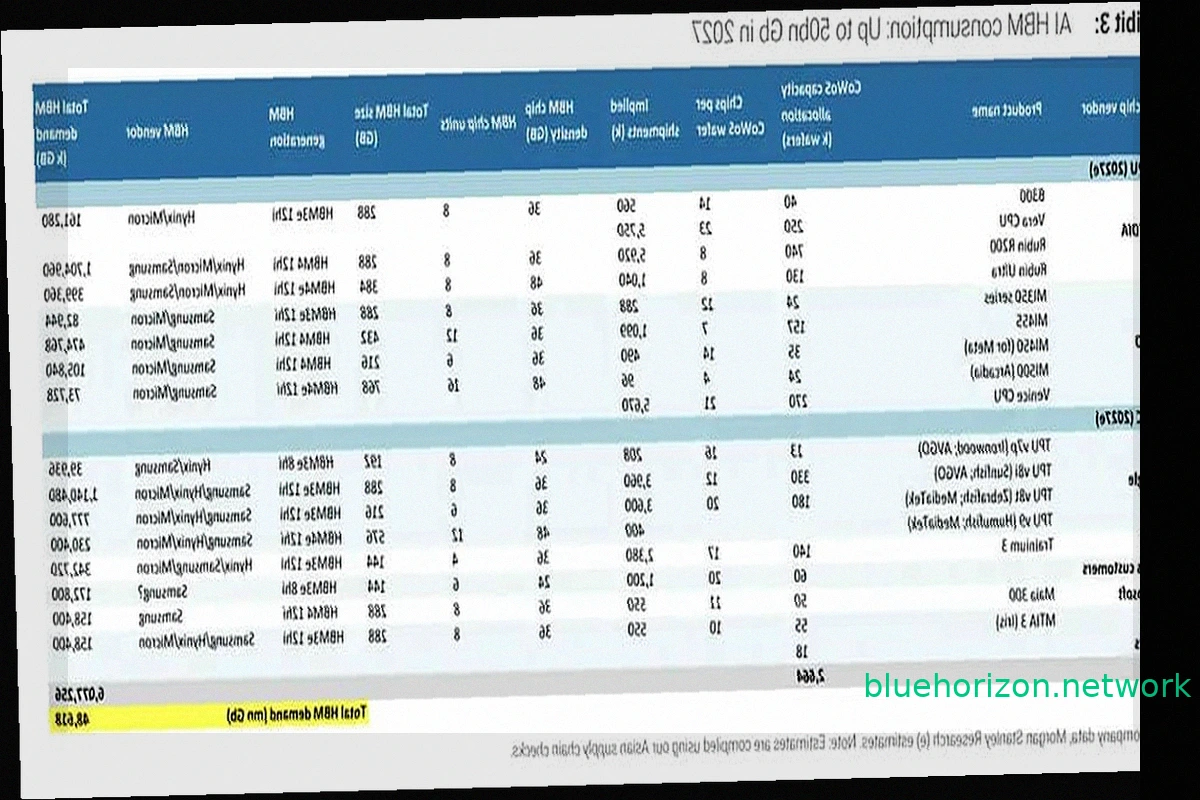
NVIDIA, Google, and AMD Poised to Control 85% of HBM Memory Demand by 2027
The "you'll own nothing and be happy" meme is finding a parallel in hardware, specifically memory. NVIDIA, Google, and AMD are set to command 85.4% of the global High Bandwidth Memory (HBM) demand by 2027, according to Morgan Stanley estimates. These three buyers will largely dictate the pace

Windows 11 26H2 Reduces RAM Consumption by Up to 2 GB, But 8 GB Machines Still Struggle
Windows 11 26H2 is rolling out optimizations for RAM management. Some users report a noticeable decrease in RAM usage after installing this update, with certain systems showing a reduction of up to 2 GB compared to Windows 11 25H2 upon startup. However, initial findings suggest this improvemen

RTX 5090 fails with DLSS 5 after 48 hours for Chinese streamer
NVIDIA's RTX series introduced Tensor Cores, enabling technologies like DLSS. Early DLSS versions offered a noticeable drop in image quality compared to native resolution. DLSS 2 brought significant improvements, and DLSS 3 achieved parity or even superiority over native rendering. DLSS 4 cont