Fujitsu and Rapidus Accelerate Japan's AI Chip Race to 1.4nm by 2029
Fujitsu is making a significant entry into the Artificial Intelligence race, partnering with Rapidus to develop 1.4 nm chips specifically designed for AI inference. This ambitious project focuses on creating Neural Processing Units (NPUs) for data centers and supercomputing, with production planned for Japan and a target set for 2029. The initiative aims not only for peak performance but also for greater technological independence for Japan on the global semiconductor stage.
Japan's Strategic Investment in Advanced Semiconductor Manufacturing
The collaboration between Fujitsu and Rapidus carries an estimated cost of 58 billion Japanese Yen (approximately 363 million US dollars). A substantial portion of this investment, about two-thirds, is being covered by the Japanese government through NEDO (New Energy and Industrial Technology Development Organization). This direct public funding is critical to establishing a complete domestic development and manufacturing cycle within the country. Rapidus, a new Japanese semiconductor fabrication company, is tasked with consolidating its 2 nm process node between 2027 and 2028 before advancing to the challenging 1.4 nm node.
While the timeline is ambitious, the technical focus is clear: to develop chips optimized for AI inference, where energy efficiency is a paramount concern. NPUs are designed to handle AI workloads with significantly lower power consumption compared to general-purpose GPUs in many scenarios, making them ideal for massive deployments in data centers. This strategic approach aligns with the current industry trend where energy cost is becoming as critical as raw processing power.
Building a Comprehensive Domestic AI Ecosystem
Another fundamental aspect of this strategy is the seamless integration with Fujitsu's own CPU designs. The company is already developing its Arm-based Monaka processors, featuring configurations of up to 144 cores, intended for high-performance computing (HPC) systems like the successor to the Fugaku supercomputer. The overarching vision is to construct an integrated platform comprising both CPUs and NPUs under a unified ecosystem, thereby reducing reliance on external solutions and foreign suppliers.
This initiative represents a significant effort by Japan to rebuild a complete advanced semiconductor supply chain, from initial design to final deployment, entirely within its own borders. In a market heavily dominated by giants like NVIDIA in AI acceleration and TSMC in advanced manufacturing, Japan seeks to lessen its dependencies and gain strategic autonomy. Although the path is challenging and the pace demanded is comparable to that of established leaders like Intel and TSMC, Japan's direction is unequivocal: increased specialization in AI, a strong focus on inference efficiency, and enhanced technological self-sufficiency, with the goal of becoming a competitive force in advanced chips before 2030.
Fresh materials — Technology News

Google Pixel Devices Hit by Nightmare Bug: September Update Locks Out Some Users
Updating your phone should be a simple process: install, restart, and continue. But imagine completing the update, entering your usual unlock pattern, and the phone not even letting you finish it. Your photos and messages remain, but you're locked out. This is the predicament some Google Pixel
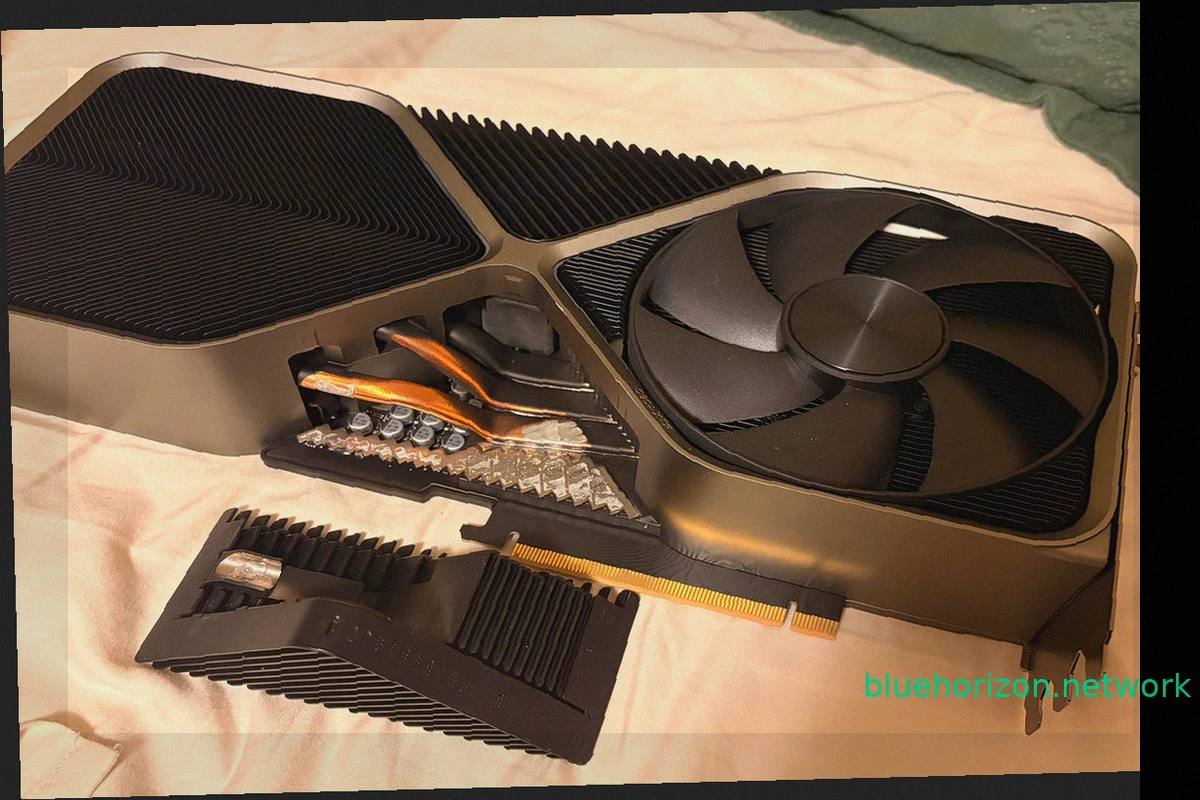
NVIDIA GeForce RTX 4090 Founders Edition Loses Part of Its Heatsink After Three Years
A NVIDIA GeForce RTX 4090 Founders Edition has presented an unusual problem, not with its power connector, but with its heatsink. This incident is unique, as a portion of the graphics card's massive heatsink literally detached while its owner was moving the computer. This wasn't a decorative c

Russian Missiles Strike Infrastructure of 1337x, Second Largest Torrent Tracker, Hitting Piracy
Russian missile attacks have damaged infrastructure belonging to popular torrent trackers like 1337x. Between September 23 and 27, 2026, Russia conducted strikes targeting data centers and communication facilities in Kyiv. These attacks temporarily disrupted internet access for approximately 1
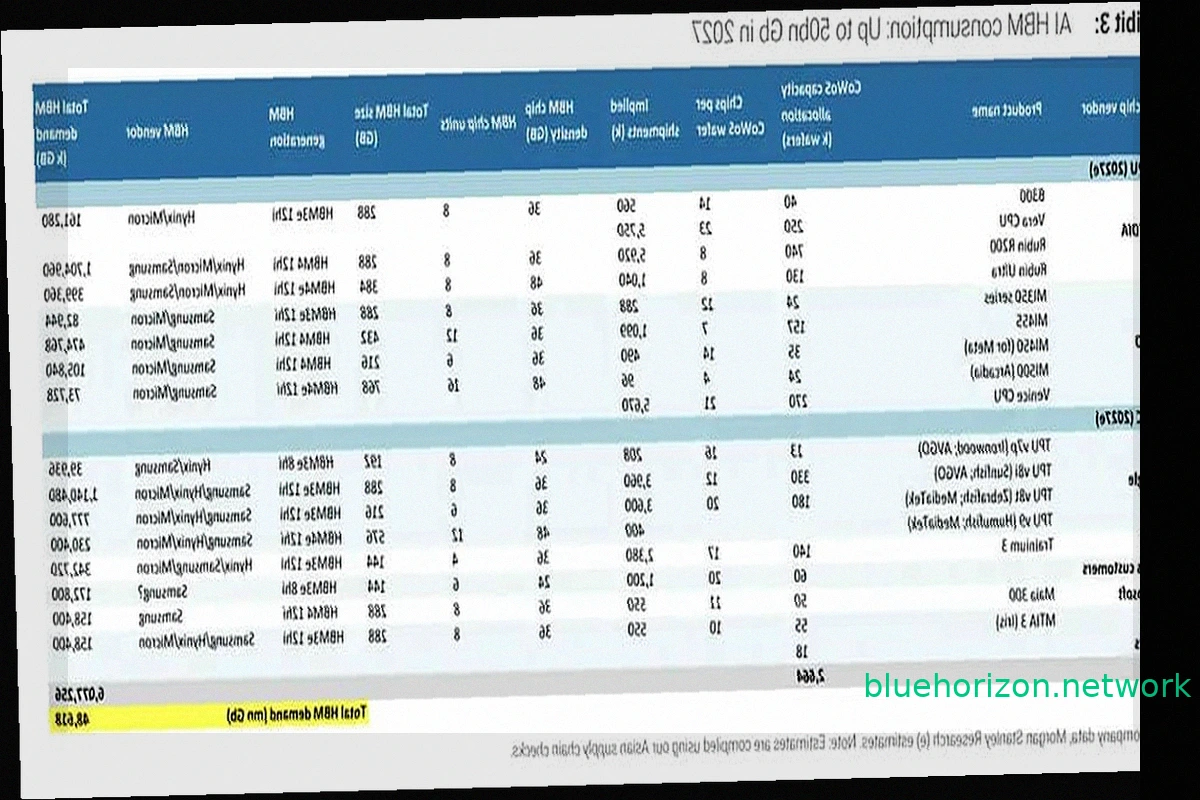
NVIDIA, Google, and AMD Poised to Control 85% of HBM Memory Demand by 2027
The "you'll own nothing and be happy" meme is finding a parallel in hardware, specifically memory. NVIDIA, Google, and AMD are set to command 85.4% of the global High Bandwidth Memory (HBM) demand by 2027, according to Morgan Stanley estimates. These three buyers will largely dictate the pace
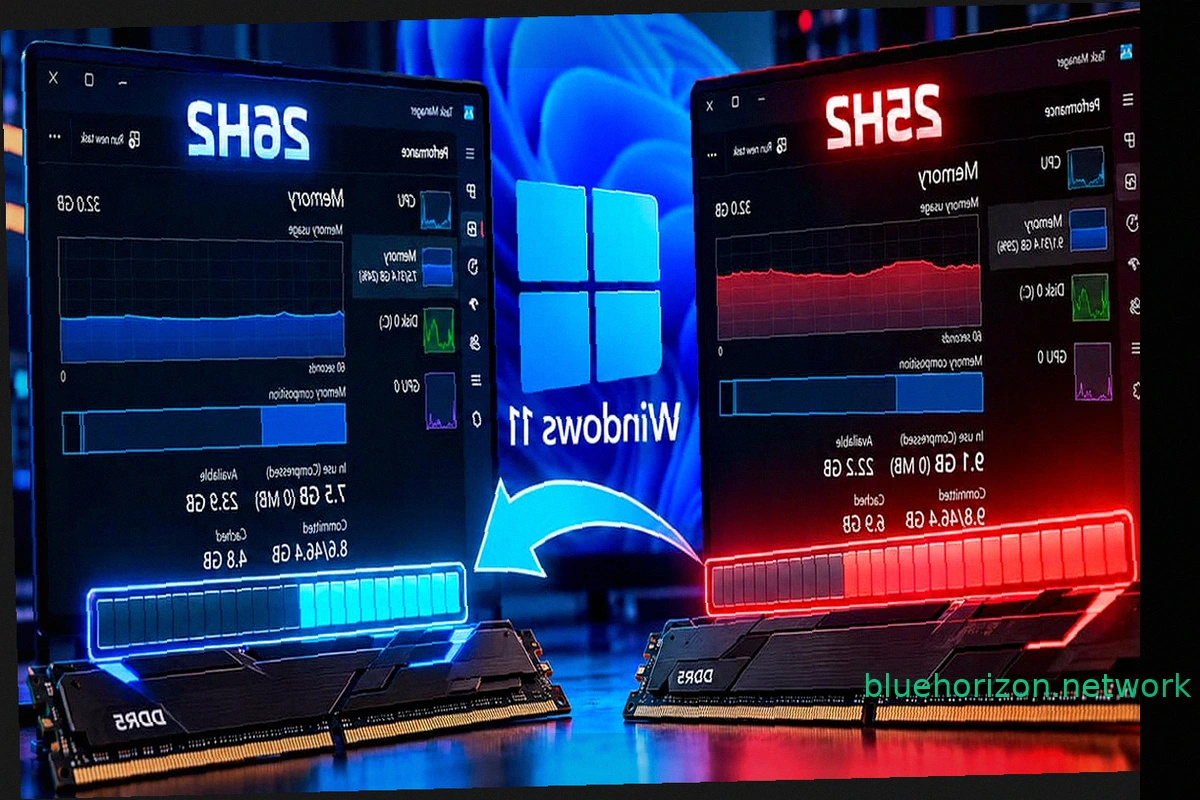
Windows 11 26H2 Reduces RAM Consumption by Up to 2 GB, But 8 GB Machines Still Struggle
Windows 11 26H2 is rolling out optimizations for RAM management. Some users report a noticeable decrease in RAM usage after installing this update, with certain systems showing a reduction of up to 2 GB compared to Windows 11 25H2 upon startup. However, initial findings suggest this improvemen

RTX 5090 fails with DLSS 5 after 48 hours for Chinese streamer
NVIDIA's RTX series introduced Tensor Cores, enabling technologies like DLSS. Early DLSS versions offered a noticeable drop in image quality compared to native resolution. DLSS 2 brought significant improvements, and DLSS 3 achieved parity or even superiority over native rendering. DLSS 4 cont