Geekbench 6.7 to Invalidate Intel BOT Scores on Core Ultra CPUs
Primate Labs has released Geekbench 6.7, a new version that doesn't aim to change scoring scales or promise performance boosts, as some rumors suggested. Instead, this update addresses a very specific issue: the controversy surrounding Intel BOT and the Core Ultra 200S Plus processors. Geekbench 6.7 introduces a detection system that checks if the Intel BOT function is active on a system. If detected, the benchmark results will be marked as invalid in the Geekbench Browser.
This decision is more significant than it might initially appear, shifting the focus from raw performance numbers to the critical need for fair and comparable benchmarks across different CPUs and platforms.
Primate Labs Condemns Intel BOT with Geekbench 6.7: Active BOT Means Invalid Results
This marks the definitive resolution to a long-standing controversy. Intel defines BOT (Boost on Test) as an optional feature within Intel Application Optimization's advanced mode, designed to optimize games and applications on certain recent processors. Intel's official documentation explicitly lists Geekbench 6.3+ as a compatible title and also includes support for Intel Core Ultra 200S Plus (Arrow Lake-S Refresh) CPUs. Therefore, this isn't a theoretical issue but a real, documented function intended to manipulate specific workloads, which the benchmarking suite will now effectively neutralize for its results.
Primate Labs had previously explained its concerns, noting a significant impact. In their tests with Geekbench 6.3, BOT inflated Single Core scores from 2,955 to 3,119 and Multi-Core scores from 16,786 to 17,705, representing a +5.5% increase in both cases. Furthermore, for specific workloads like Object Remover and HDR, scores soared by up to 30%.
Upon closer examination of the benchmark's behavior, it was evident that IBOT was identifying specific binaries and aggressively altering their execution.
A Boost That Severely Distorted the Validity of Other Results
To simplify, scores were being artificially boosted far beyond what a traditional execution error might cause, almost as if processors had a "Boost mode" triggered upon detecting the benchmark's start. For example, in the HDR test, total instructions dropped from 1.26 trillion to 1.08 trillion, scalar instructions fell from 220 billion to 84.6 billion, while vectorial instructions dramatically jumped from 1.25 billion to 18.3 billion—an astounding +1,366% increase. This data clearly explains why Geekbench 6.7 now marks these results as invalid rather than treating them as normal.
Notably, Geekbench 6.7 does not retroactively break previous comparisons and doesn't outright ban Core Ultra 200S Plus CPUs with IBOT active. Instead, it ensures that these scores are simply not considered valid for new comparative purposes. Primate Labs clarifies that scores remain fully comparable with Geekbench 6.3, 6.4, 6.5, and 6.6. What changes is the integrity of the leaderboard: a result with IBOT active will no longer be casually mixed with others, directly impacting any benchmarks published with compatible CPUs, specifically the Core Ultra 200 Plus series.
Three other changes in this version of the suite are also noteworthy, though secondary to the main update: Geekbench 6.7 now offers improved SoC identification on Android, displaying the manufacturer and model instead of generic architecture. It also enhances CPU identification on RISC-V, showing the processor's name instead of a lengthy ISA string. Finally, it corrects multi-thread crashes that could occur on Linux Arm systems. While these are useful improvements, the primary focus of this release is clear: Intel BOT will no longer go unnoticed in Geekbench 6.7, and while not excluded, scores from Core Ultra 200S Plus processors with it active will be deemed invalid. A Solomon-like decision, perhaps? Feel free to share your thoughts.
Fresh materials — Technology News

Google Pixel Devices Hit by Nightmare Bug: September Update Locks Out Some Users
Updating your phone should be a simple process: install, restart, and continue. But imagine completing the update, entering your usual unlock pattern, and the phone not even letting you finish it. Your photos and messages remain, but you're locked out. This is the predicament some Google Pixel
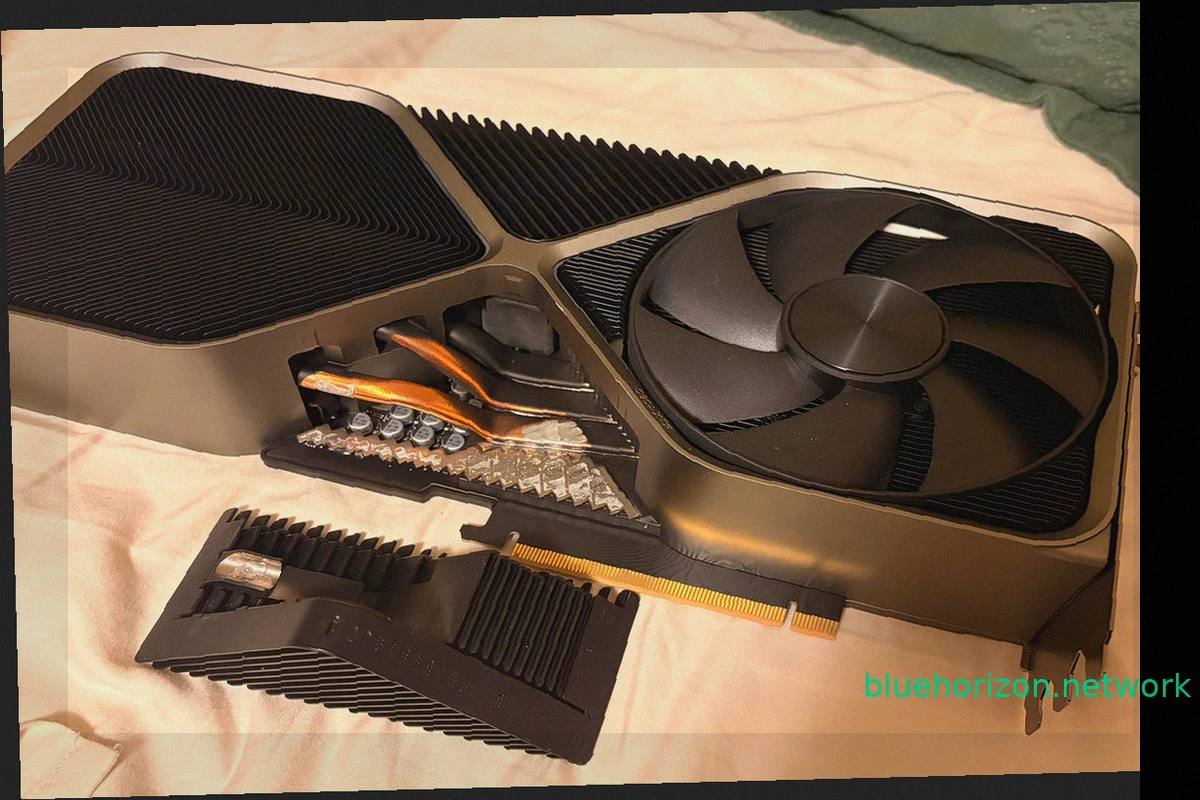
NVIDIA GeForce RTX 4090 Founders Edition Loses Part of Its Heatsink After Three Years
A NVIDIA GeForce RTX 4090 Founders Edition has presented an unusual problem, not with its power connector, but with its heatsink. This incident is unique, as a portion of the graphics card's massive heatsink literally detached while its owner was moving the computer. This wasn't a decorative c

Russian Missiles Strike Infrastructure of 1337x, Second Largest Torrent Tracker, Hitting Piracy
Russian missile attacks have damaged infrastructure belonging to popular torrent trackers like 1337x. Between September 23 and 27, 2026, Russia conducted strikes targeting data centers and communication facilities in Kyiv. These attacks temporarily disrupted internet access for approximately 1
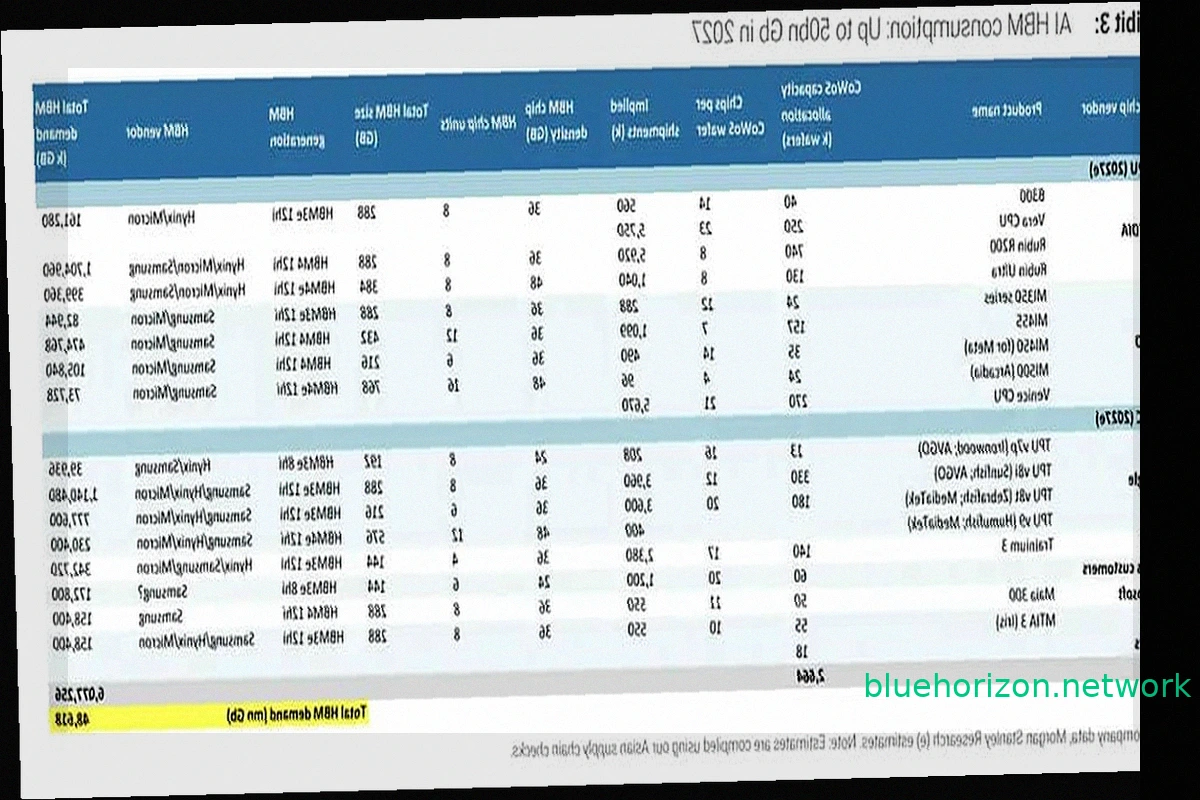
NVIDIA, Google, and AMD Poised to Control 85% of HBM Memory Demand by 2027
The "you'll own nothing and be happy" meme is finding a parallel in hardware, specifically memory. NVIDIA, Google, and AMD are set to command 85.4% of the global High Bandwidth Memory (HBM) demand by 2027, according to Morgan Stanley estimates. These three buyers will largely dictate the pace
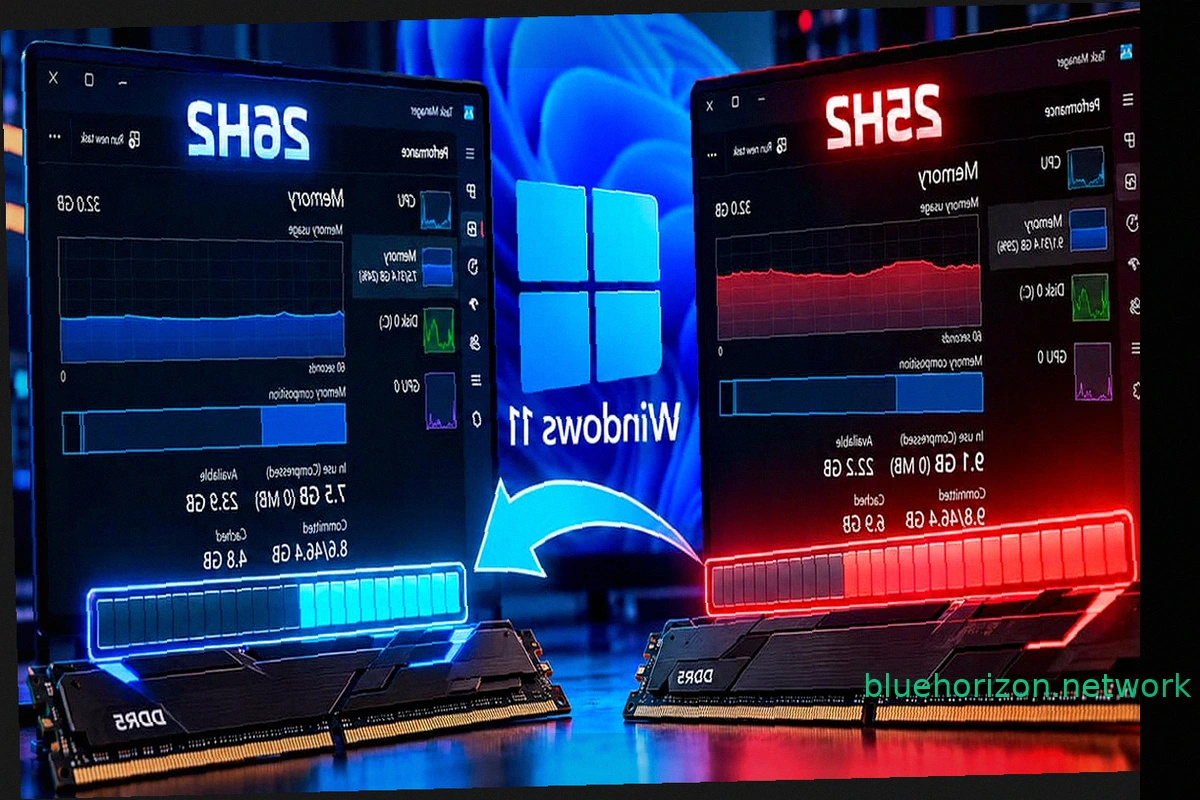
Windows 11 26H2 Reduces RAM Consumption by Up to 2 GB, But 8 GB Machines Still Struggle
Windows 11 26H2 is rolling out optimizations for RAM management. Some users report a noticeable decrease in RAM usage after installing this update, with certain systems showing a reduction of up to 2 GB compared to Windows 11 25H2 upon startup. However, initial findings suggest this improvemen

RTX 5090 fails with DLSS 5 after 48 hours for Chinese streamer
NVIDIA's RTX series introduced Tensor Cores, enabling technologies like DLSS. Early DLSS versions offered a noticeable drop in image quality compared to native resolution. DLSS 2 brought significant improvements, and DLSS 3 achieved parity or even superiority over native rendering. DLSS 4 cont