GIGABYTE MO32U24: 31.5" 4K 240Hz QD-OLED Monitor with ObsidianShield for Even Deeper Blacks
GIGABYTE has unveiled its new flagship gaming monitor, the MO32U24, initially launched in China. This premium display, similar to offerings from other manufacturers, features a significant enhancement: a new laminate applied to the screen. This innovative layer not only deepens black levels bu
GIGABYTE has unveiled its new flagship gaming monitor, the MO32U24, initially launched in China. This premium display, similar to offerings from other manufacturers, features a significant enhancement: a new laminate applied to the screen. This innovative layer not only deepens black levels but also substantially increases surface hardness, making these next-generation monitors significantly more resistant to scratches.
GIGABYTE has named this protective technology ObsidianShield. According to official specifications, it enhances black perception by up to 40% in brightly lit environments. This laminate effectively reduces the impact of ambient reflections on dark pixels, thereby improving black purity. Furthermore, ObsidianShield elevates the panel's surface hardness from 2H to 3H, resulting in a 2.5-fold increase in scratch resistance.
Key Specifications of the GIGABYTE MO32U24 Gaming Monitor
The GIGABYTE MO32U24 monitor features a 32-inch QD-OLED panel, delivering a stunning 4K resolution of 3840 x 2160 pixels. It boasts an ultra-fast refresh rate of up to 240 Hz and an incredibly low response time of 0.03 milliseconds (GtG), complemented by the ObsidianShield laminate. These core specifications are largely consistent with many other high-end monitors from competing brands like ASUS or MSI, which share similar 32-inch 4K QD-OLED panels, refresh rates, response times, and protective laminates (though often under different brand names).
This 10-bit panel offers a 99% coverage of the DCI-P3 color space. It achieves a peak brightness of up to 300 nits for SDR content and an impressive 1000 nits for HDR. The monitor is VESA ClearMR 13000 certified, assuring exceptional motion clarity at high refresh rates. It also supports AMD FreeSync Premium Pro and is NVIDIA G-SYNC Compatible, effectively eliminating screen tearing. Furthermore, it meets VESA DisplayHDR True Black 500 standards and provides an outstanding contrast ratio of 1,500,000:1.
Rounding out the GIGABYTE MO32U24's key features are GIGABYTE's renowned OLED panel protection technologies, collectively known as AI OLED Care. This suite encompasses various measures designed to prevent OLED burn-in. Hardware-wise, it includes a graphene heatsink to prevent panel overheating, complemented by passive cooling with four airflow zones (two lower, two upper) for natural heat dissipation. On the software front, AI OLED Care offers features like automatic dimming of static elements and pixel shifting to further safeguard the display.
Connectivity, Availability, and Pricing
The GIGABYTE MO32U24 offers comprehensive connectivity options. It features three dedicated video inputs: two HDMI 2.1 ports and one DisplayPort 1.4. Additionally, there's a USB-C port delivering up to 18W of power, a pair of USB 3.2 ports with KVM functionality for keyboard and mouse, and a headphone jack. For console gamers or general convenience, the monitor also integrates a pair of 5W speakers.
Additional features include HyperNits (to boost brightness without compromising image quality), AI Picture Mode (AI-powered image, color, and brightness adjustments based on content), AI OLED Care (the aforementioned protection suite), Game Assist (improving visibility in dark areas, crosshair overlay, FPS counter, etc.), and OLED VRR Anti-Flicker. The monitor's ergonomic stand allows for height adjustment, tilt, swivel, and pivot.
The GIGABYTE MO32U24 was launched in China at a price of 5,399 yuan, which converts to approximately 676 euros or 782 US dollars. While it has been listed in some European markets, it's not yet widely available. The anticipated European price point is around 959 euros (approximately 1,110 US dollars), reflecting regional pricing differences.
Fresh materials — Technology News
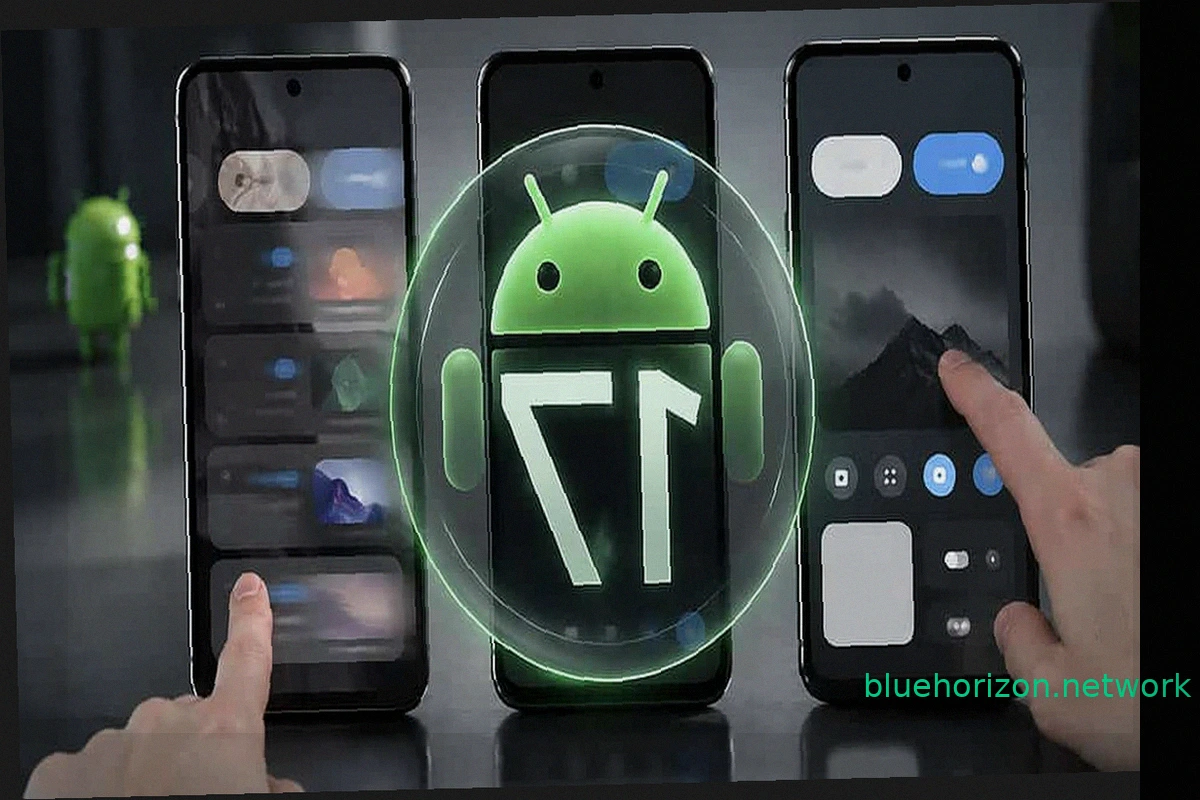
Google Pixel Devices Hit by Nightmare Bug: September Update Locks Out Some Users
Updating your phone should be a simple process: install, restart, and continue. But imagine completing the update, entering your usual unlock pattern, and the phone not even letting you finish it. Your photos and messages remain, but you're locked out. This is the predicament some Google Pixel
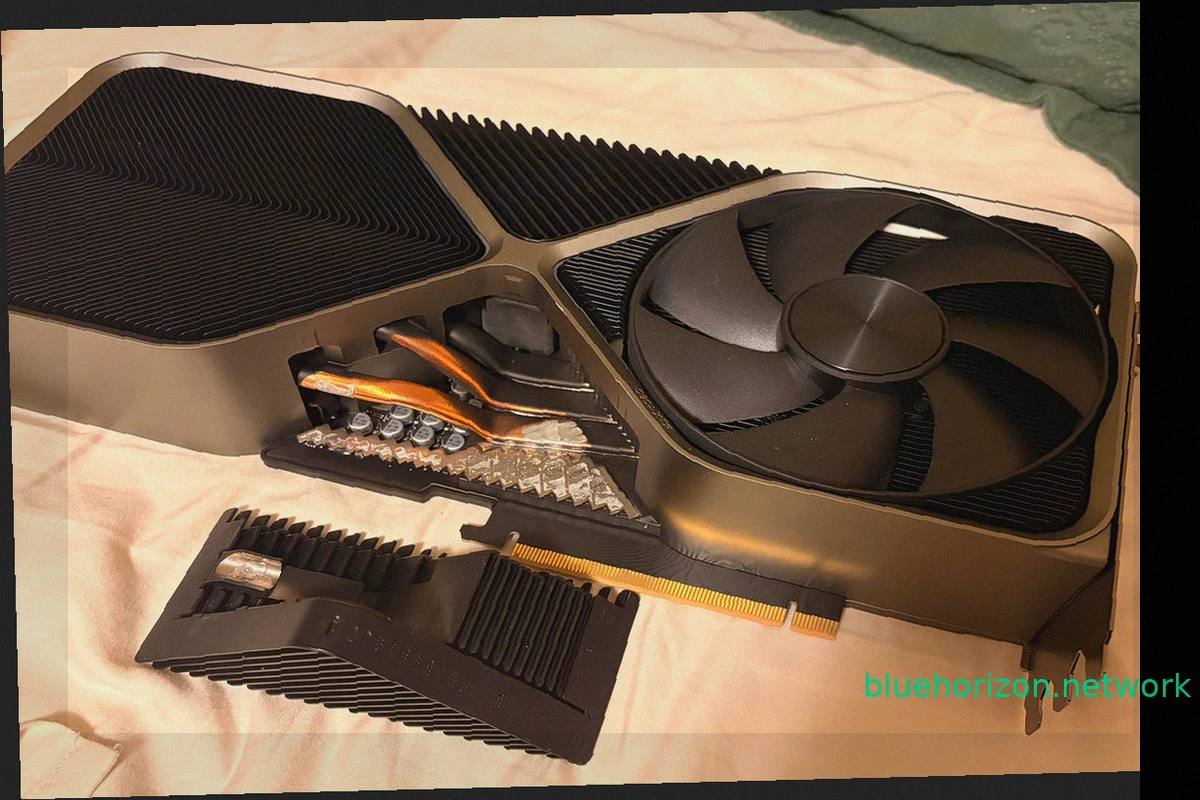
NVIDIA GeForce RTX 4090 Founders Edition Loses Part of Its Heatsink After Three Years
A NVIDIA GeForce RTX 4090 Founders Edition has presented an unusual problem, not with its power connector, but with its heatsink. This incident is unique, as a portion of the graphics card's massive heatsink literally detached while its owner was moving the computer. This wasn't a decorative c

Russian Missiles Strike Infrastructure of 1337x, Second Largest Torrent Tracker, Hitting Piracy
Russian missile attacks have damaged infrastructure belonging to popular torrent trackers like 1337x. Between September 23 and 27, 2026, Russia conducted strikes targeting data centers and communication facilities in Kyiv. These attacks temporarily disrupted internet access for approximately 1
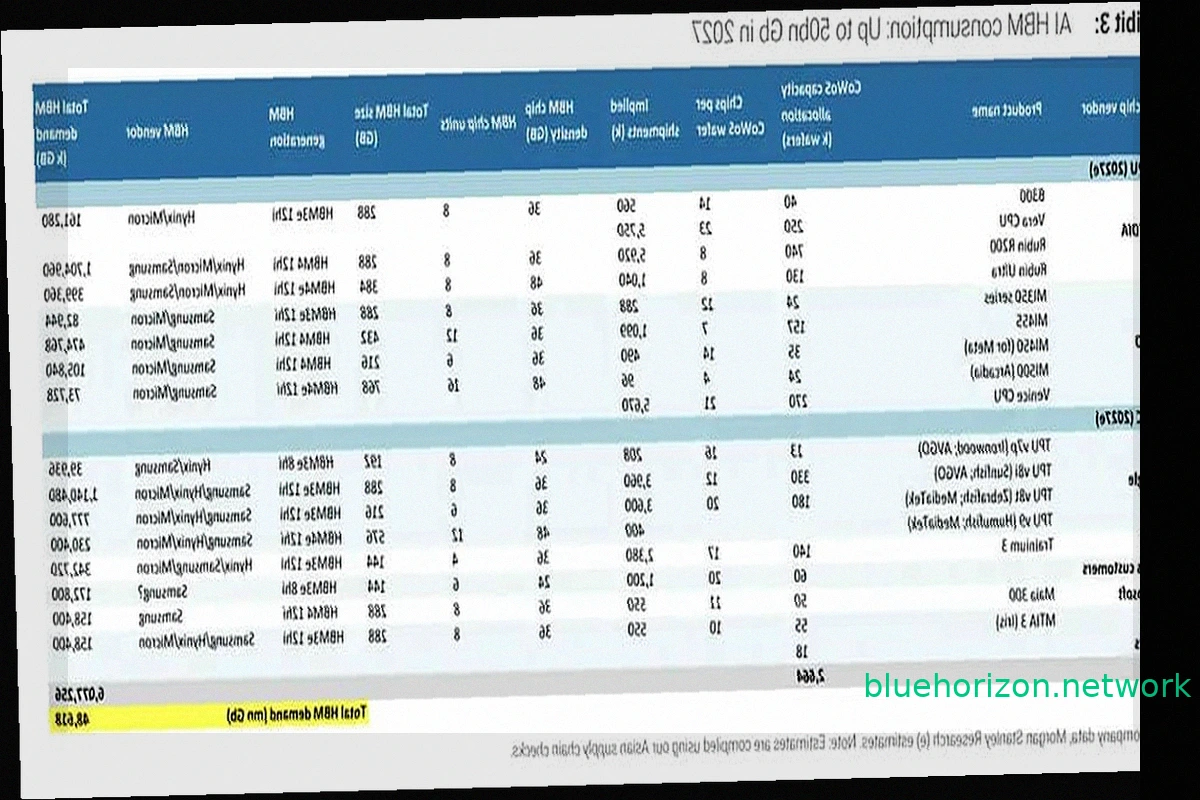
NVIDIA, Google, and AMD Poised to Control 85% of HBM Memory Demand by 2027
The "you'll own nothing and be happy" meme is finding a parallel in hardware, specifically memory. NVIDIA, Google, and AMD are set to command 85.4% of the global High Bandwidth Memory (HBM) demand by 2027, according to Morgan Stanley estimates. These three buyers will largely dictate the pace
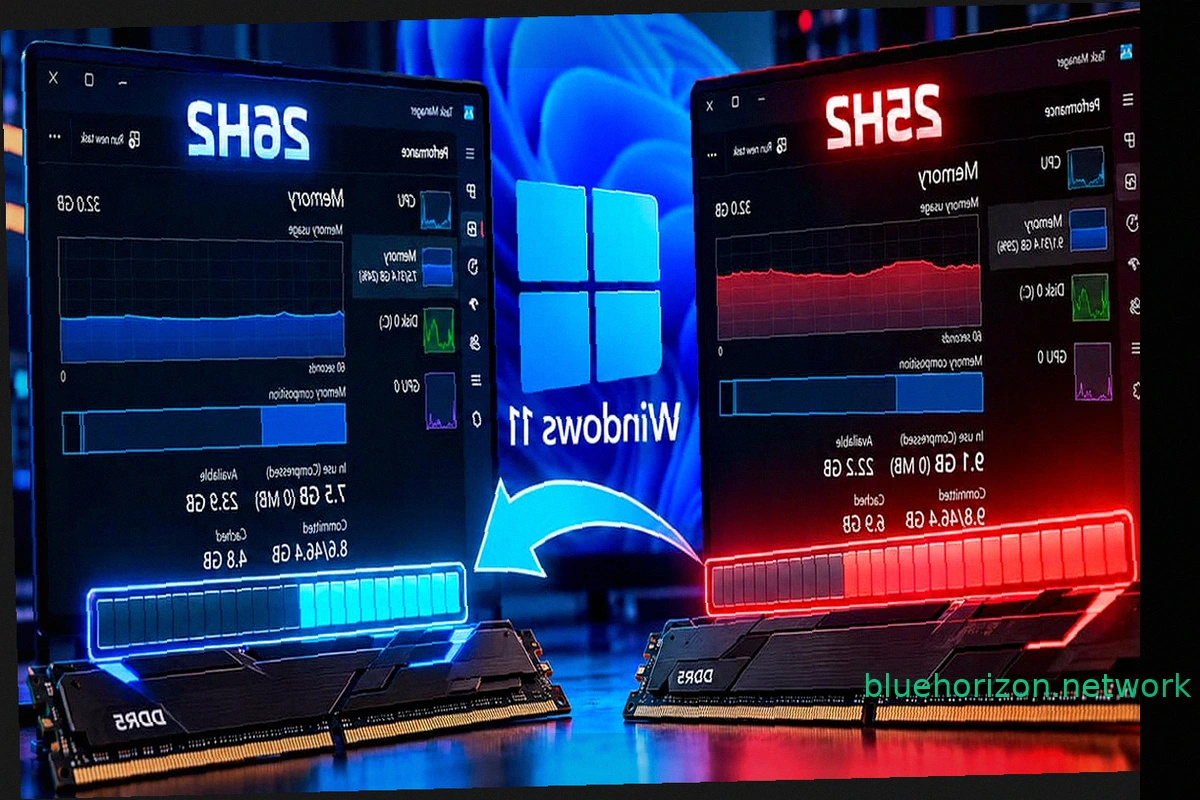
Windows 11 26H2 Reduces RAM Consumption by Up to 2 GB, But 8 GB Machines Still Struggle
Windows 11 26H2 is rolling out optimizations for RAM management. Some users report a noticeable decrease in RAM usage after installing this update, with certain systems showing a reduction of up to 2 GB compared to Windows 11 25H2 upon startup. However, initial findings suggest this improvemen
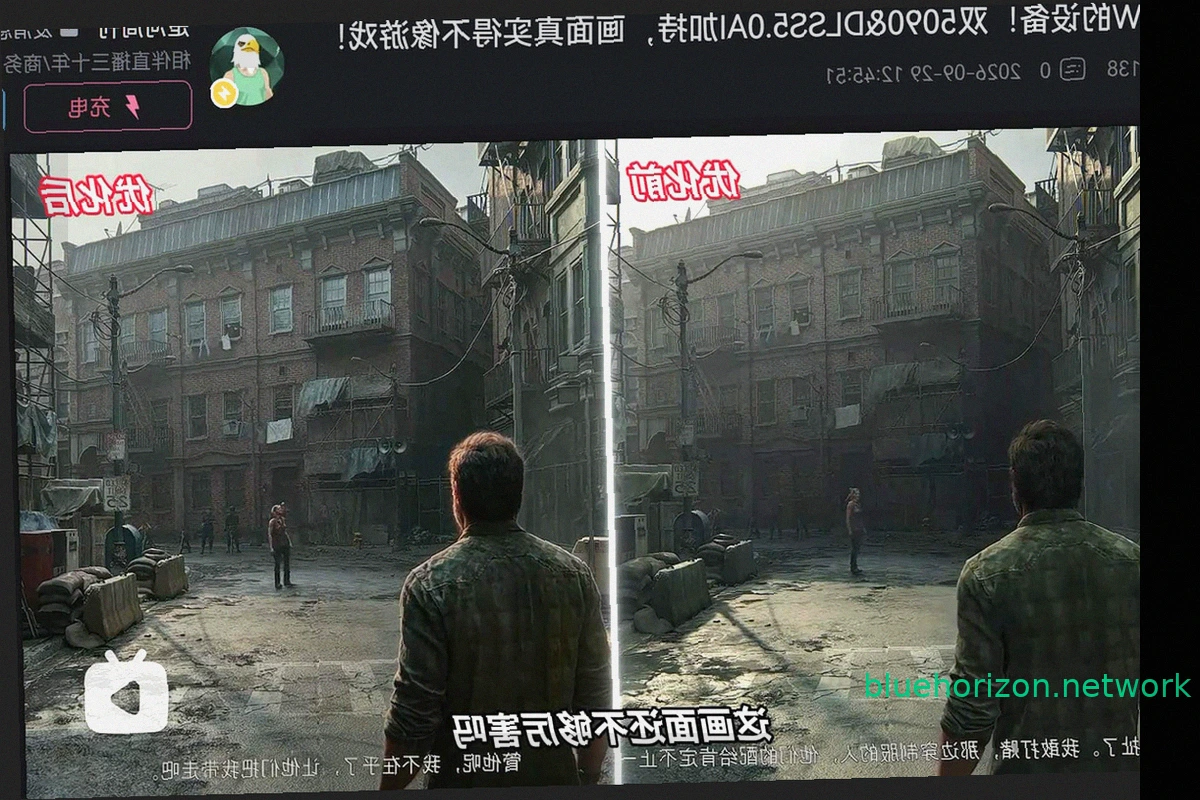
RTX 5090 fails with DLSS 5 after 48 hours for Chinese streamer
NVIDIA's RTX series introduced Tensor Cores, enabling technologies like DLSS. Early DLSS versions offered a noticeable drop in image quality compared to native resolution. DLSS 2 brought significant improvements, and DLSS 3 achieved parity or even superiority over native rendering. DLSS 4 cont