Google Wins AI Overviews Legal Battle Against Publishers
Google secured a significant court victory in the United States against publishers accusing the company of using their content to power AI Overviews. The core of the lawsuits was that these AI-generated summaries reduce website traffic. Federal Judge Amit P. Mehta of the District Court of Columbia dismissed claims brought by Penske Media Corporation and Chegg against Google and Alphabet.
Penske Media, which owns publications such as Rolling Stone, Billboard, Variety, The Hollywood Reporter, and Deadline, argued that Google leverages its dominant market position to extract information from websites. This information is then used to provide direct answers generated by artificial intelligence. Consequently, users often no longer need to visit the original source, decreasing advertising and affiliate revenue for the media outlets.
A central argument from the plaintiffs was the existence of an implicit exchange between Google and websites. Publishers allowed the search engine to freely crawl and index their content, expecting traffic from search results in return. The introduction of AI Overviews altered this relationship by using the same information to generate complete answers within the search engine itself.
The companies suing Google contended that this situation places publishers in a difficult position. They must allow Google access to appear in search results, yet the same information can create summaries that reduce the number of users visiting original pages. The plaintiffs suggested that in a competitive market, Google should pay for using this content in its artificial intelligence products.
The judge, however, did not share this view and rejected the argument. According to the ruling, publishers only have an expectation of receiving traffic. Furthermore, there is no contractual agreement obligating Google to send visitors in exchange for indexing content. The court also dismissed the idea that Google Search and AI Overviews should be treated as separate products, stating they are part of a single, integrated web search experience.
The judicial decision does not imply the court dismisses the economic challenges faced by the media. The judge explicitly acknowledged the difficult situation for journalists, educators, and creators whose content may be repurposed by Google without compensation. This occurs while new AI tools potentially reduce traffic to original sources.
The lawsuits were primarily framed under US antitrust law. The judge concluded that Penske and Chegg failed to demonstrate necessary elements under the Sherman Act, including specific relevant markets and certain product tying practices. For these reasons, the federal accusations were dismissed.
The verdict does not broadly establish that Google has the right to freely use any copyrighted content. The court simply determined that the claims presented in these specific cases cannot be resolved through the antitrust laws invoked by the plaintiffs. The judge pointed towards Congress and legislators, suggesting they should establish new regulations if they believe the expansion of AI-powered search engines unfairly alters the economic relationship between platforms and content creators.
Fresh materials — Technology News
Germany Launches Gaming-Focused Electricity Tariff with Consumption Rewards
German energy provider SWK Energie has introduced an unusual market segment for electricity: gamers. The company is promoting "meinGAMING," an electricity tariff designed for households with high energy consumption, specifically targeting gamers with powerful computers, streamers, and users wit
RuneScape 4 Announced: A New MMORPG Built on Unreal Engine
Jagex revealed RuneScape 4 (RS4) at RuneFest 2026. This new MMORPG, currently a working title, will be the fourth generation in the RuneScape franchise. The significant technological shift for this installment is its development on the Unreal Engine. While the specific version isn't confirmed, it
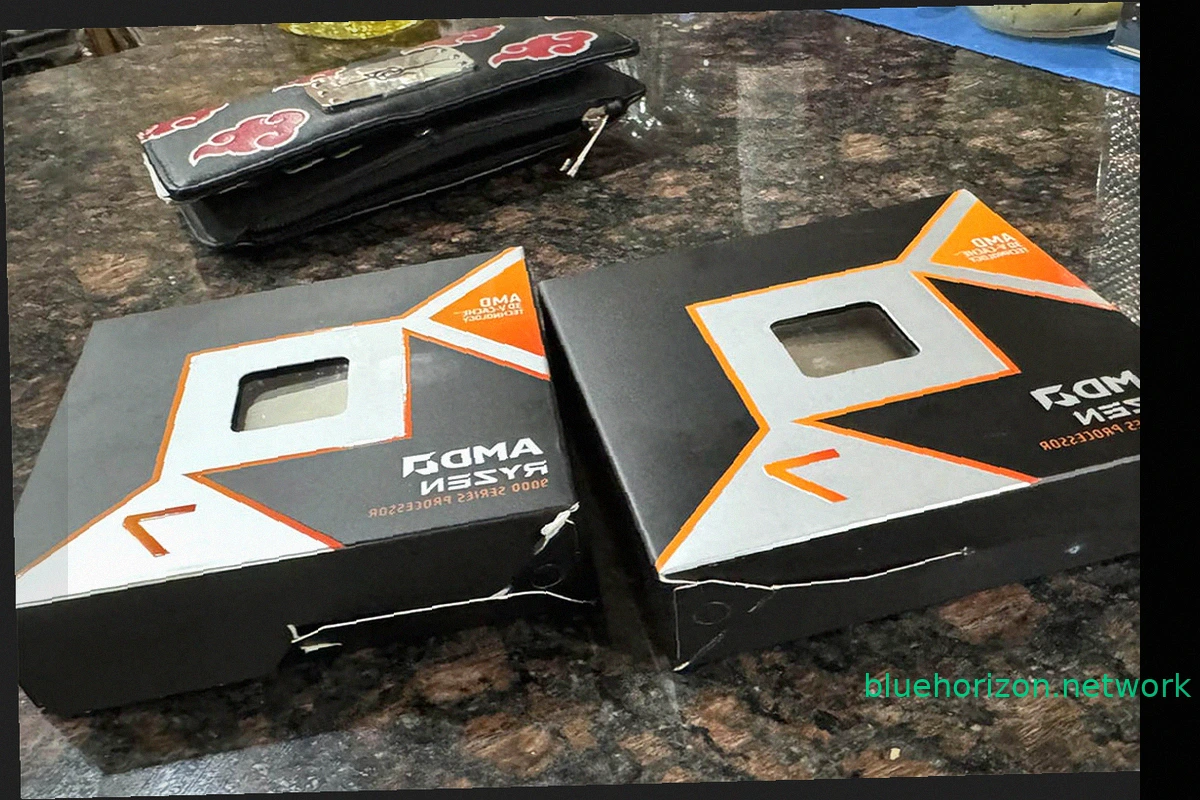
Ryzen 9850X3D Order Mix-Up: User Receives Intel Core i3-3220s Instead
AMD's gaming dominance, solidified by the Ryzen 7 7800X3D and its successor the 9800X3D, left Intel without comparable options. The subsequent release of the slightly faster Ryzen 9850X3D further cemented this lead. These processors are highly sought after by gamers. However, a recent Amazon o

Google Pixel Devices Hit by Nightmare Bug: September Update Locks Out Some Users
Updating your phone should be a simple process: install, restart, and continue. But imagine completing the update, entering your usual unlock pattern, and the phone not even letting you finish it. Your photos and messages remain, but you're locked out. This is the predicament some Google Pixel
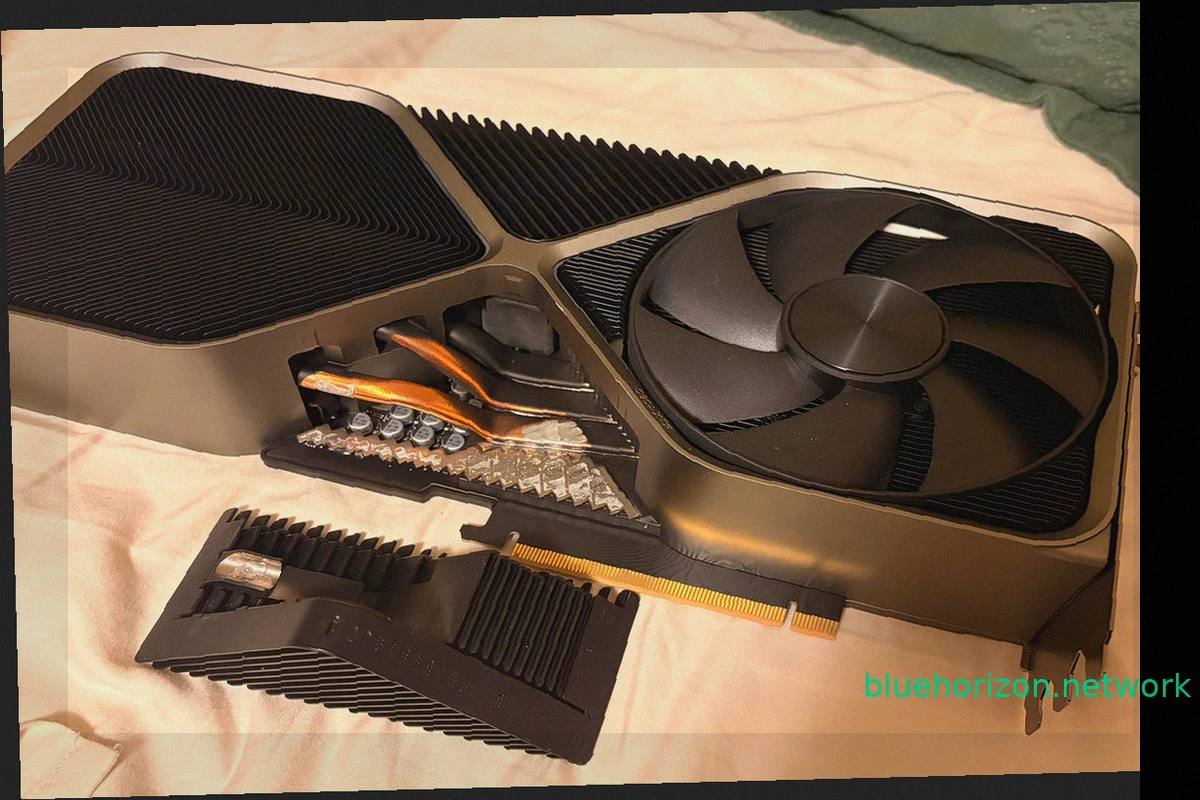
NVIDIA GeForce RTX 4090 Founders Edition Loses Part of Its Heatsink After Three Years
A NVIDIA GeForce RTX 4090 Founders Edition has presented an unusual problem, not with its power connector, but with its heatsink. This incident is unique, as a portion of the graphics card's massive heatsink literally detached while its owner was moving the computer. This wasn't a decorative c

Russian Missiles Strike Infrastructure of 1337x, Second Largest Torrent Tracker, Hitting Piracy
Russian missile attacks have damaged infrastructure belonging to popular torrent trackers like 1337x. Between September 23 and 27, 2026, Russia conducted strikes targeting data centers and communication facilities in Kyiv. These attacks temporarily disrupted internet access for approximately 1