Huawei MateBook Pro S: Ultra-light 14-inch Laptop with Kirin XE90 SoC
Huawei has unveiled the MateBook Pro S, a remarkable 14-inch laptop running on HarmonyOS. This device is poised to become an absolute benchmark in the ultra-light laptop market. Its standout feature is an astonishing weight of just 798 grams, an incredibly low figure considering it maintains a full
Huawei has unveiled the MateBook Pro S, a remarkable 14-inch laptop running on HarmonyOS. This device is poised to become an absolute benchmark in the ultra-light laptop market. Its standout feature is an astonishing weight of just 798 grams, an incredibly low figure considering it maintains a full metal chassis. The company will officially launch the device in China on August 5th, at which point its definitive technical specifications, configurations, and prices will be revealed.
To put this weight into perspective, the new model is 172 grams lighter than the current 970-gram MateBook Pro and a significant 432 grams lighter than the 13-inch MacBook Air, which officially weighs 1.23 kg. Huawei claims it is the lightest 14-inch metallic laptop on the market, pushing the category beyond the psychological barrier of one kilogram into the realm of tablets.
A Metallic Laptop Weighing Just 798 Grams with a Unique Triple Camera System
Despite the substantial weight reduction, the Huawei MateBook Pro S retains much of the family's typical visual language. It features a minimalist design, a black keyboard, a large touchpad, and a hinge similar in appearance to those used by MacBooks. Huawei will offer the laptop in five colors, all within an impressive 11.9 mm thickness.
One of its most intriguing elements is the camera system. In addition to the conventional webcam located above the screen, the device's exterior casing sports two additional cameras on the lid. This means the laptop appears to have a total of three camera sensors. Huawei has yet to detail their specific functions, though they might be intended for environmental recognition, AI-powered tracking, capturing images with the screen open, or enabling new interaction methods between the laptop and HarmonyOS.
The chassis also features ventilation grilles on the underside, a USB-C port on each side, and a physical switch for camera privacy control. This limited connectivity might be a compromise made to achieve such a low weight and thickness. We will need to wait for the official launch to see if any other hidden connections exist. The physical privacy control is particularly noteworthy for a laptop incorporating multiple optical sensors.
Huawei MateBook Pro S: Kirin XE90 SoC, Up to 32 GB RAM, and HarmonyOS
Internally, the most significant component is the Kirin XE90 SoC, an ARM processor designed by HiSilicon for Huawei's computers. Available information suggests a 10-core CPU with a maximum frequency of 2.45 GHz. Crucial details remain unknown, including its internal architecture, manufacturing process, power consumption, graphics configuration, and overall performance capabilities. AI-translated slides comparing the Kirin X90 to the Kirin XE90 indicate 23% higher single-core performance while consuming 25% less power. The NPU is reportedly 40% more powerful and is stated to be faster at opening applications or decompressing files than a MacBook Air with the Apple M5. It's also mentioned that liquid metal is used for cooling, alongside highly conductive graphene and thermal pads.
Leaked configurations include versions with 16 or 32 GB of RAM, paired with 512 GB or 1 TB SSDs. Huawei has not yet clarified whether the memory will be integrated into the same package, soldered onto the motherboard, or if different speeds will be available depending on the model. The battery capacity and the processor's sustained power output are also unknown, two particularly important aspects for such a lightweight device where space for cooling and battery life is significantly limited.
The Huawei MateBook Pro S will initially launch in the Chinese market with HarmonyOS, and there is currently no confirmation of an international release. This will likely be its biggest hurdle outside of China. Beyond its spectacular weight, the device's true value will depend on application compatibility, the performance of the Kirin XE90, and the battery life Huawei has managed to achieve. The most important details will be revealed on August 5th.
Fresh materials — Technology News
Google Pixel Devices Hit by Nightmare Bug: September Update Locks Out Some Users
Updating your phone should be a simple process: install, restart, and continue. But imagine completing the update, entering your usual unlock pattern, and the phone not even letting you finish it. Your photos and messages remain, but you're locked out. This is the predicament some Google Pixel
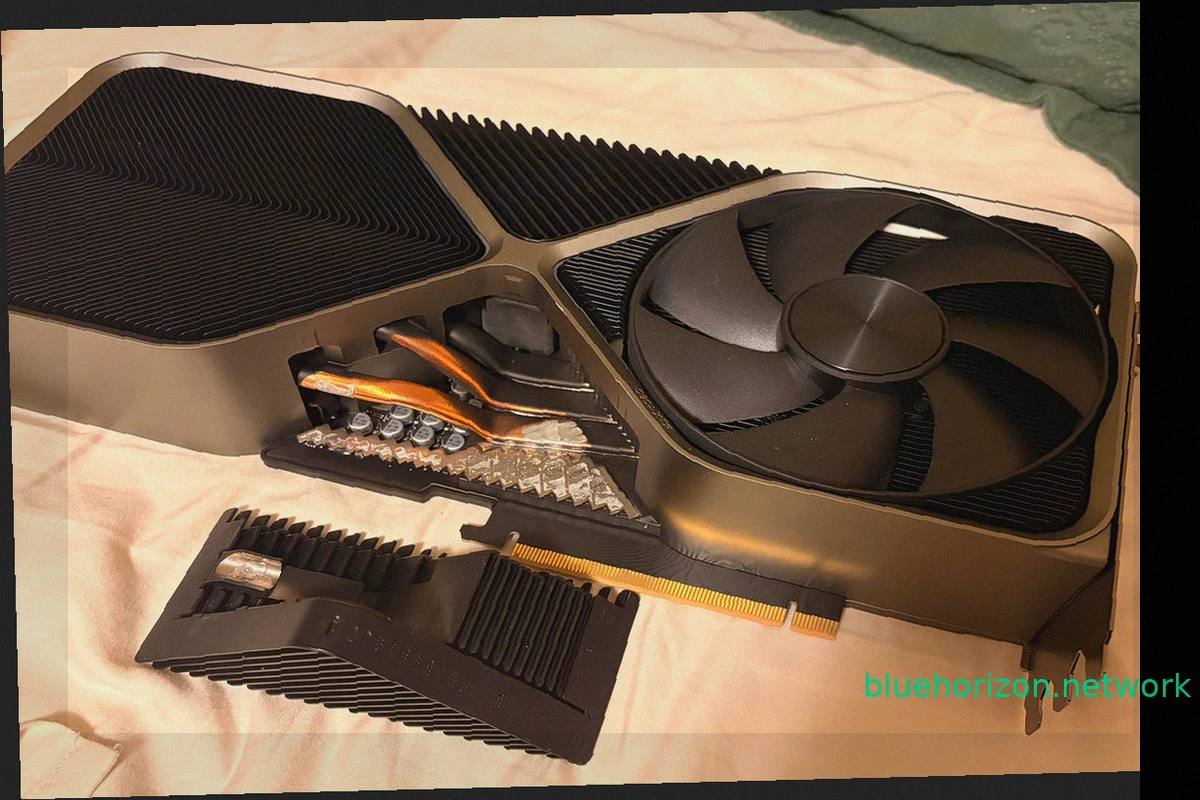
NVIDIA GeForce RTX 4090 Founders Edition Loses Part of Its Heatsink After Three Years
A NVIDIA GeForce RTX 4090 Founders Edition has presented an unusual problem, not with its power connector, but with its heatsink. This incident is unique, as a portion of the graphics card's massive heatsink literally detached while its owner was moving the computer. This wasn't a decorative c

Russian Missiles Strike Infrastructure of 1337x, Second Largest Torrent Tracker, Hitting Piracy
Russian missile attacks have damaged infrastructure belonging to popular torrent trackers like 1337x. Between September 23 and 27, 2026, Russia conducted strikes targeting data centers and communication facilities in Kyiv. These attacks temporarily disrupted internet access for approximately 1
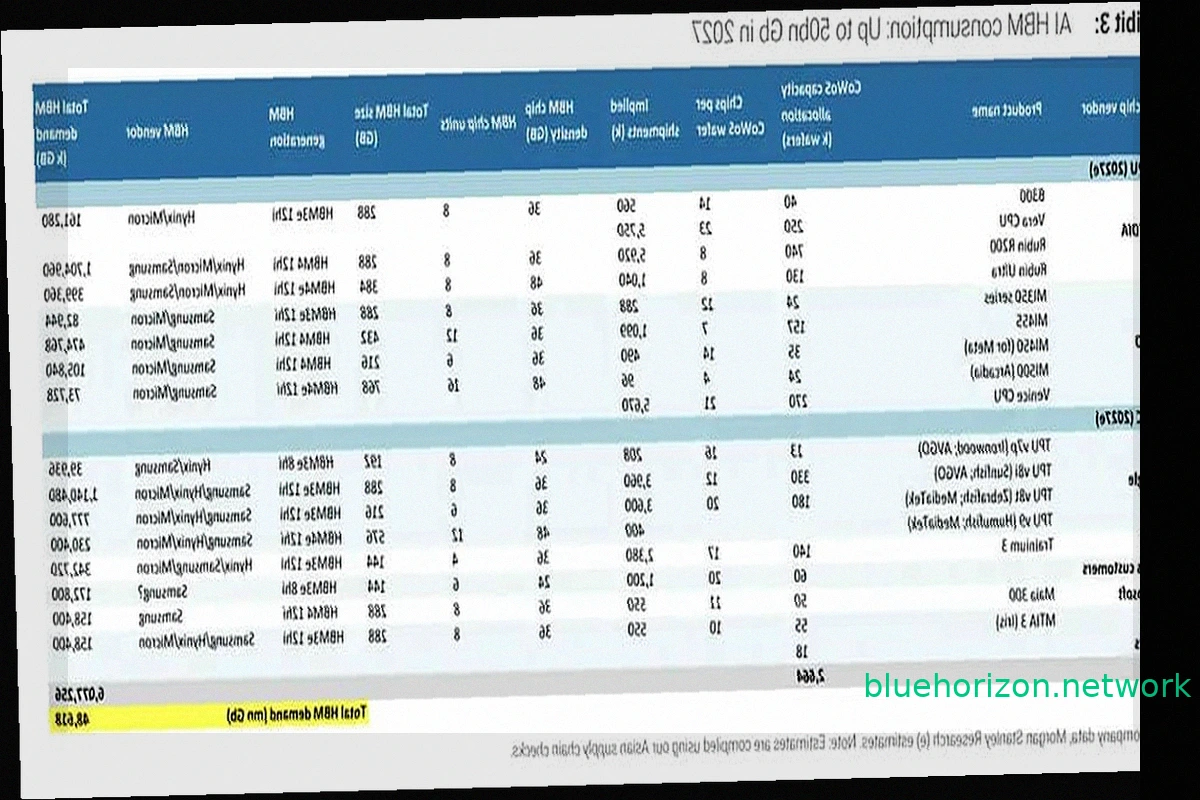
NVIDIA, Google, and AMD Poised to Control 85% of HBM Memory Demand by 2027
The "you'll own nothing and be happy" meme is finding a parallel in hardware, specifically memory. NVIDIA, Google, and AMD are set to command 85.4% of the global High Bandwidth Memory (HBM) demand by 2027, according to Morgan Stanley estimates. These three buyers will largely dictate the pace
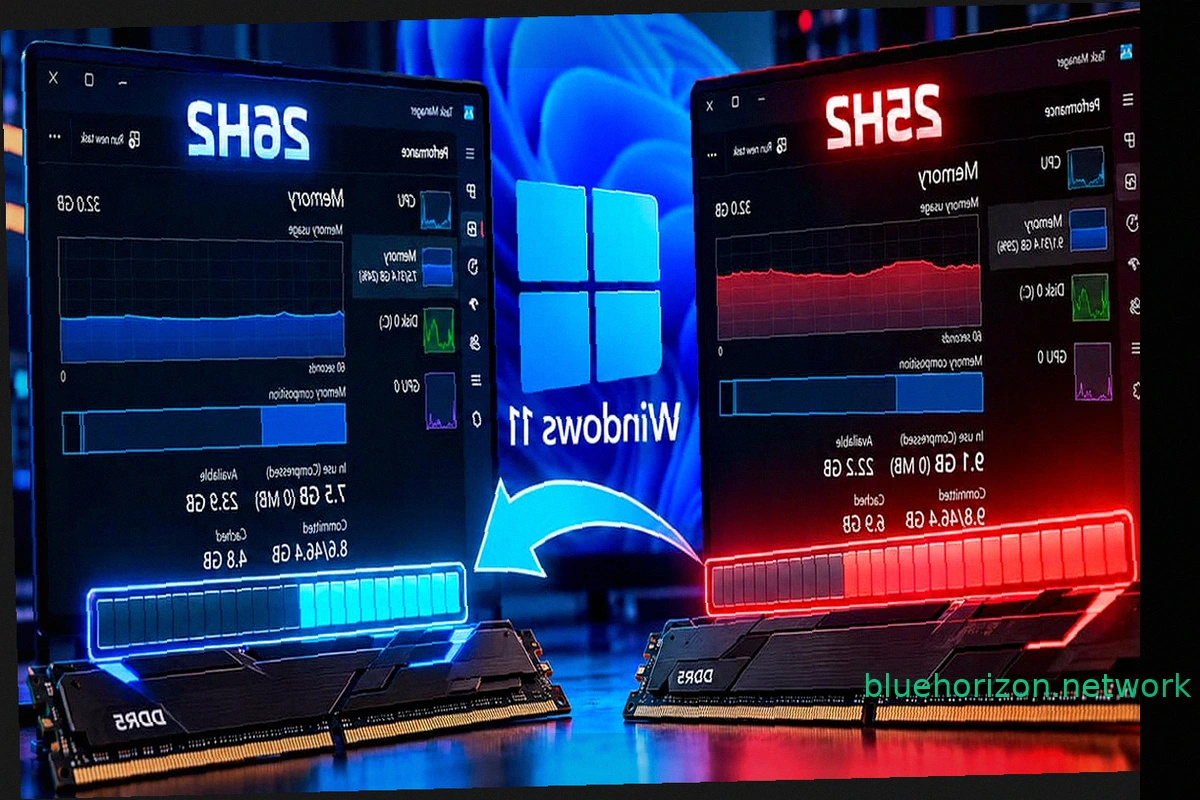
Windows 11 26H2 Reduces RAM Consumption by Up to 2 GB, But 8 GB Machines Still Struggle
Windows 11 26H2 is rolling out optimizations for RAM management. Some users report a noticeable decrease in RAM usage after installing this update, with certain systems showing a reduction of up to 2 GB compared to Windows 11 25H2 upon startup. However, initial findings suggest this improvemen

RTX 5090 fails with DLSS 5 after 48 hours for Chinese streamer
NVIDIA's RTX series introduced Tensor Cores, enabling technologies like DLSS. Early DLSS versions offered a noticeable drop in image quality compared to native resolution. DLSS 2 brought significant improvements, and DLSS 3 achieved parity or even superiority over native rendering. DLSS 4 cont