In Apple, the 16" MacBook Pro M5 Max Outperforms the 14" M5 Pro in Performance and Thermal Management
Choosing the ideal laptop often becomes a dilemma between maximizing performance and managing cost. The 16-inch MacBook Pro with the M5 Max chip not only delivers greater raw power but also maintains lower temperatures under sustained load compared to the 14-inch model with the M5 Pro. Clearly, with Apple, size does matter, reflecting in both performance and thermal capacity.
The comparison between these two versions is stark: one larger and more powerful, the other more compact and less fast, yet nearly half the price. Is it truly worth investing in the top-tier model if the mid-range option already meets your needs? The answer, as always, is subjective.
The MacBook Pro with M5 Max Delivers Higher Speed and Better Thermal Management Than the 14-inch M5 Pro

In this scenario, larger size unequivocally translates to a definitive advantage, despite the considerable cost. Data from Max Tech confirms this reality in Apple's comparisons.
During demanding benchmarks like Cinebench 2026 in stress mode, the 16-inch laptop proves that size is crucial for thermal dissipation and sustained performance. Real differences emerge when both machines are subjected to full CPU loads for extended periods.
The M5 Max in the 16-inch model not only boasts more cores (18 versus 15) but also sustains significantly higher frequencies. It operates between 3.65 and 3.7 GHz, in contrast to the 2.8 GHz of the M5 Pro in the 14-inch model. This notable difference is crucial for professional work environments with prolonged loads.
A Three-Degree Difference Marks a Significant Performance Gap

The explanation for this superior performance lies in the thermal capacity of the aluminum chassis and the cooling system. The 16-inch model activates its fans earlier and utilizes them at full capacity, evacuating heat more efficiently. In contrast, the 14-inch model doesn't fully exploit its ventilation system in certain situations, which restricts its peak performance. It's important to note that the 16-inch model is louder, and its cooling system is oversized due to its larger volume.
The most revealing insight is that the 16-inch MacBook Pro with M5 Max runs cooler. While the 14-inch model reaches peak temperatures of around 42 °C in hot spots, the 16-inch model keeps the chip around 39 °C thanks to its superior dissipation capability. This translates to more power with a lower effective temperature for the silicon.
Numerically, the performance difference in Cinebench 2026 is approximately 30% (9,262 points versus 7,715). This gain isn't solely due to the additional cores but also to the M5 Max's ability to sustain its performance without thermal throttling, thanks to a much more robust cooling system. The M5 Pro is competent but struggles more with high loads due to temperature. However, in lighter or intermittent real-world use, this advantage of the larger model diminishes considerably.
Finally, the price factor is decisive: $2,199 versus $4,399. It's almost double the price for 30% more performance and a temperature difference that, while limiting under extreme load, might not impact daily use unless it's for intensive professional work. Is it worth paying $4,400 for the Max model? The answer, without a doubt, is: it depends.
Fresh materials — Technology News

Google Pixel Devices Hit by Nightmare Bug: September Update Locks Out Some Users
Updating your phone should be a simple process: install, restart, and continue. But imagine completing the update, entering your usual unlock pattern, and the phone not even letting you finish it. Your photos and messages remain, but you're locked out. This is the predicament some Google Pixel
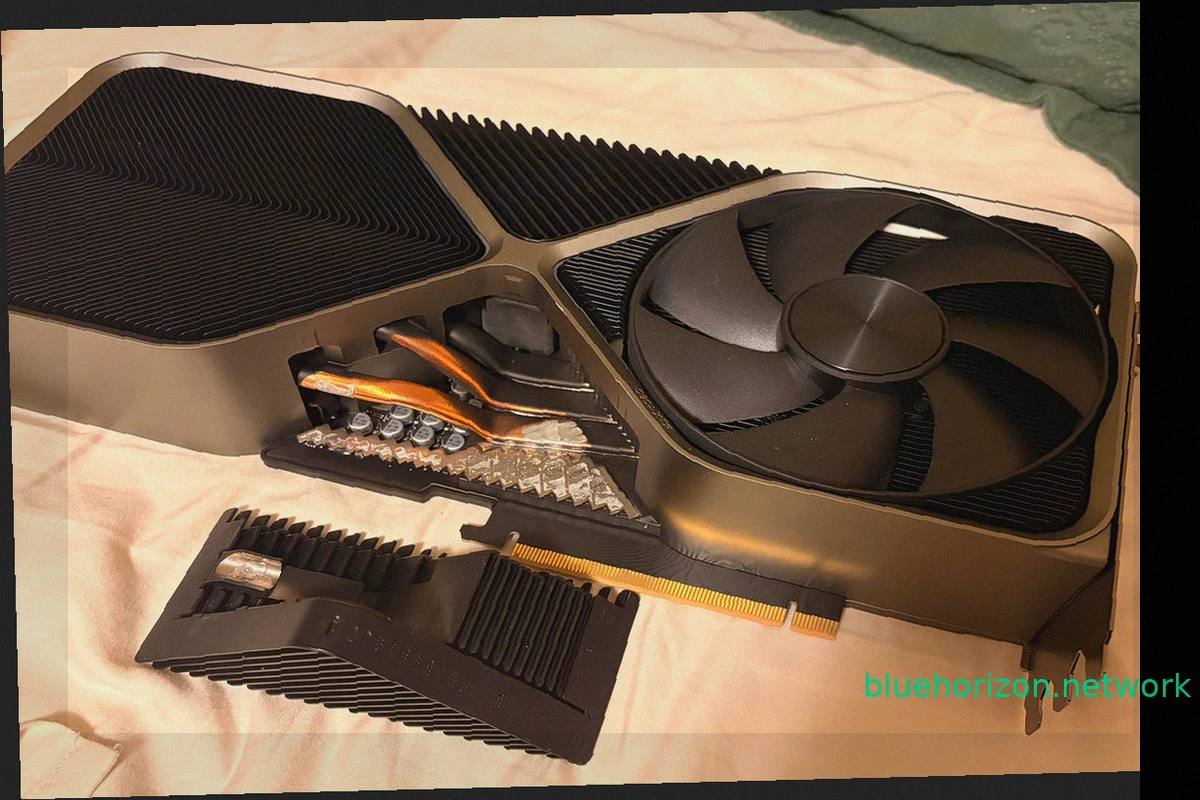
NVIDIA GeForce RTX 4090 Founders Edition Loses Part of Its Heatsink After Three Years
A NVIDIA GeForce RTX 4090 Founders Edition has presented an unusual problem, not with its power connector, but with its heatsink. This incident is unique, as a portion of the graphics card's massive heatsink literally detached while its owner was moving the computer. This wasn't a decorative c

Russian Missiles Strike Infrastructure of 1337x, Second Largest Torrent Tracker, Hitting Piracy
Russian missile attacks have damaged infrastructure belonging to popular torrent trackers like 1337x. Between September 23 and 27, 2026, Russia conducted strikes targeting data centers and communication facilities in Kyiv. These attacks temporarily disrupted internet access for approximately 1
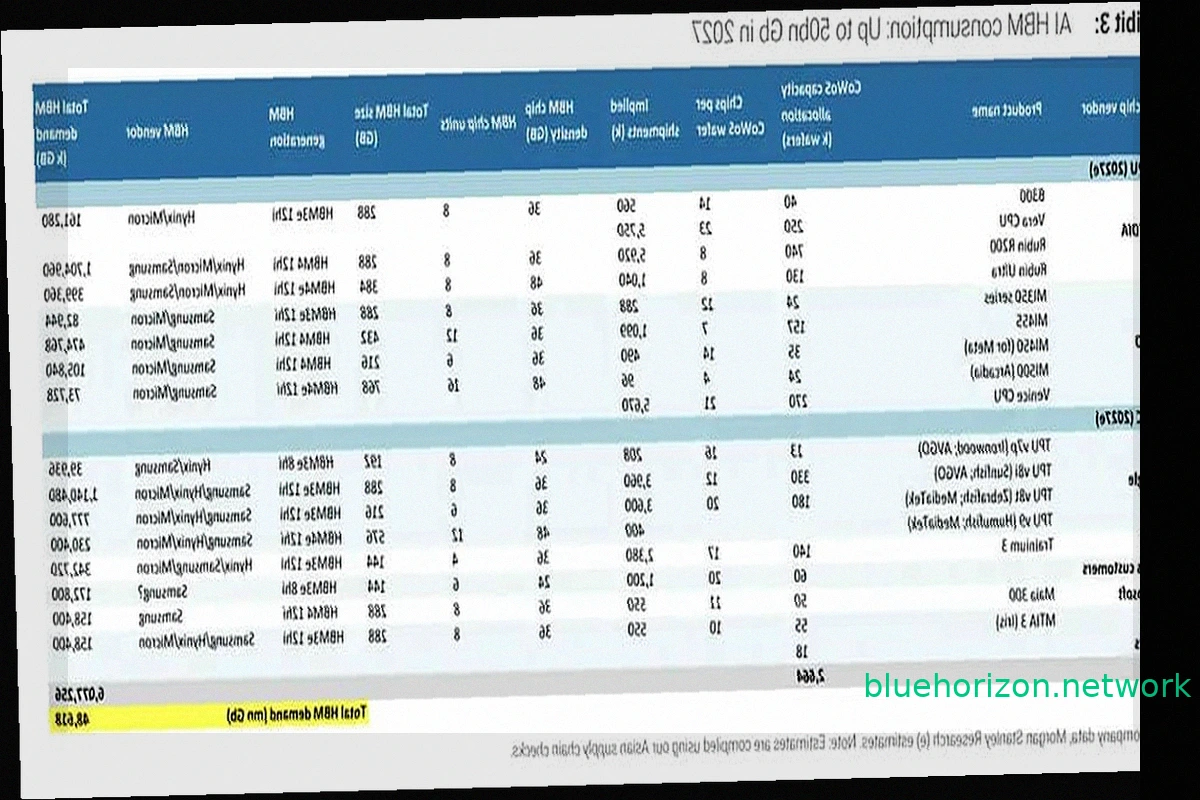
NVIDIA, Google, and AMD Poised to Control 85% of HBM Memory Demand by 2027
The "you'll own nothing and be happy" meme is finding a parallel in hardware, specifically memory. NVIDIA, Google, and AMD are set to command 85.4% of the global High Bandwidth Memory (HBM) demand by 2027, according to Morgan Stanley estimates. These three buyers will largely dictate the pace
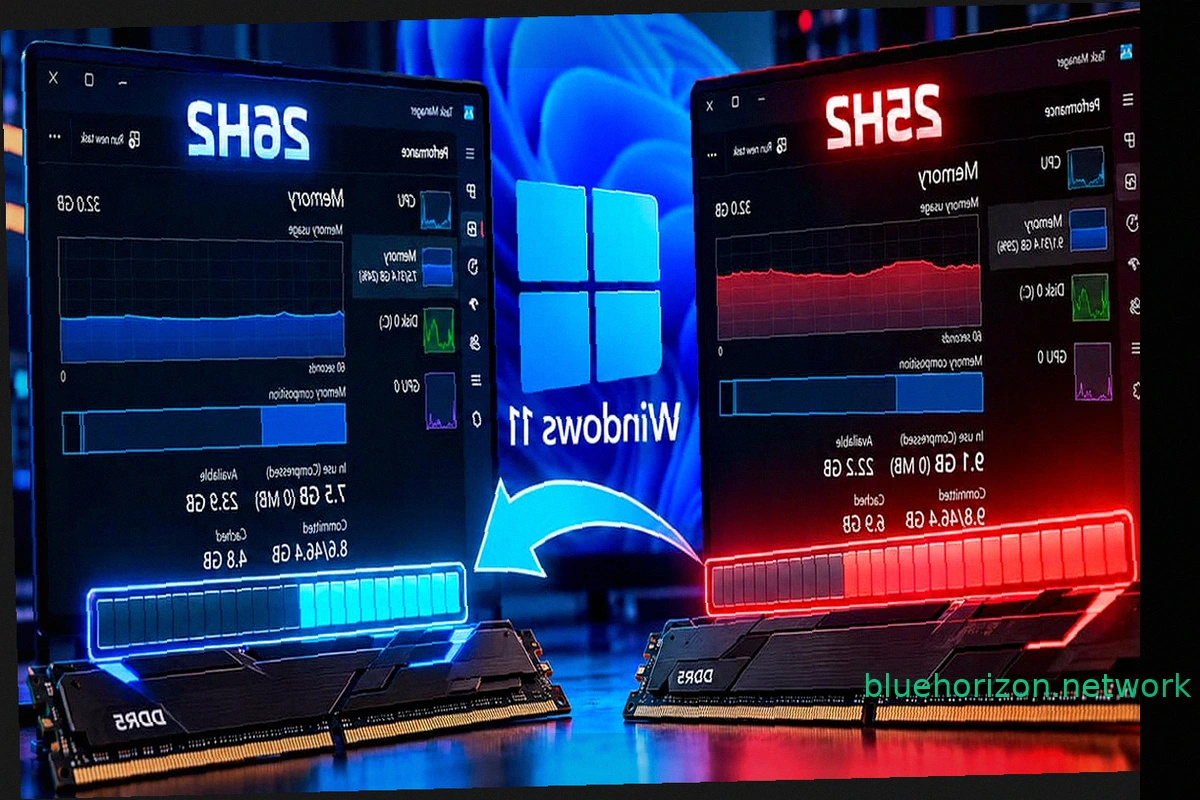
Windows 11 26H2 Reduces RAM Consumption by Up to 2 GB, But 8 GB Machines Still Struggle
Windows 11 26H2 is rolling out optimizations for RAM management. Some users report a noticeable decrease in RAM usage after installing this update, with certain systems showing a reduction of up to 2 GB compared to Windows 11 25H2 upon startup. However, initial findings suggest this improvemen

RTX 5090 fails with DLSS 5 after 48 hours for Chinese streamer
NVIDIA's RTX series introduced Tensor Cores, enabling technologies like DLSS. Early DLSS versions offered a noticeable drop in image quality compared to native resolution. DLSS 2 brought significant improvements, and DLSS 3 achieved parity or even superiority over native rendering. DLSS 4 cont