Intel Boosts Raptor Lake (14th Gen Core) CPU Supply & Hybrid Motherboards
Intel has announced a strategic move regarding its 14th Generation Intel Core (Raptor Lake Refresh) platform, signaling its continued importance. This decision can be interpreted in several ways. One perspective suggests that Intel is prioritizing its most advanced manufacturing nodes for producing Intel Xeon chips, crucial for the booming server and AI data center markets. Consequently, older, less AI-optimized lithographies would then be utilized for consumer-grade processors to meet demand.
Despite leveraging older manufacturing processes, these processors are not expected to be budget-friendly. Their production remains costly, and the industry is currently focused on maximizing profit margins. Intel has already implemented multiple price increases for its CPUs this year, with a third hike anticipated soon. Therefore, even though Raptor Lake Refresh CPUs use a more mature fabrication process, their prices are still set to rise.
Intel Guarantees Ample Availability of 14th Gen Core (Raptor Lake Refresh) Processors
Robert Hallock, a former AMD marketing director now with Intel, confirmed that Raptor Lake processors are a "significant part" of Intel's strategy and will remain "abundantly available" in the market. This aligns with Intel's official documentation for the 14th Gen, which highlights continued compatibility with Intel 600 and 700 series motherboards, alongside support for both DDR4 and DDR5 memory.
This approach could be seen as Intel's effort to avoid compelling users to upgrade to newer, more expensive hardware, particularly given the higher cost of DDR5 RAM. Alternatively, it might represent a strategy to maintain a strong presence in the consumer market while directing its cutting-edge manufacturing technology towards the highly profitable AI sector, where CPU margins are significantly higher. While great availability is promised, pricing details were notably absent. For context, an Intel Core i9-14900K, released in late 2023, currently retails for around 500 euros. This price point diminishes the impact of widespread availability for many consumers.
It could also be argued that these processors offer a competitive edge by allowing users to save money with DDR4 RAM. However, DDR4 memory prices have also increased considerably. In many scenarios, a processor like the AMD Ryzen 7 7800X3D paired with DDR5 might be a more attractive option; it can be found for just over 300 euros on platforms like AliExpress, leaving ample budget for DDR5 RAM and potentially offering a more powerful system overall.
AI Demand Extends Lifespan of Intel LGA1700 Socket
The surge in demand for AI applications is extending the lifespan of the Intel LGA1700 socket beyond initial expectations. While AMD's AM4 socket has enjoyed a 10-year lifespan, LGA1700 has been active for 5 years. With increased processor availability and manufacturers being encouraged to produce new DDR4 or hybrid DDR4/DDR5 motherboards, the socket is poised for a prolonged life, mirroring AM4's longevity.
Intel 14th Gen Core (Raptor Lake Refresh) processors feature a monolithic design built on the Intel 7 manufacturing process. In contrast, the newer Intel Core Ultra 200 series utilizes more advanced and costly TSMC nodes: 3 nm N3B for compute tiles, 5 nm N5P for graphics tiles, and 6 nm N6 for the SoC and I/O. Given their complexity and expense, these advanced processes are more effectively deployed for Intel Xeon processors, especially in the AI market, where they yield much higher profits and benefit from robust demand fueled by the AI boom. The consumer market presents a different challenge: lower sales volumes lead to price increases and the discontinuation of unprofitable low-end and entry-level chips.
Fresh materials — Technology News

Google Pixel Devices Hit by Nightmare Bug: September Update Locks Out Some Users
Updating your phone should be a simple process: install, restart, and continue. But imagine completing the update, entering your usual unlock pattern, and the phone not even letting you finish it. Your photos and messages remain, but you're locked out. This is the predicament some Google Pixel
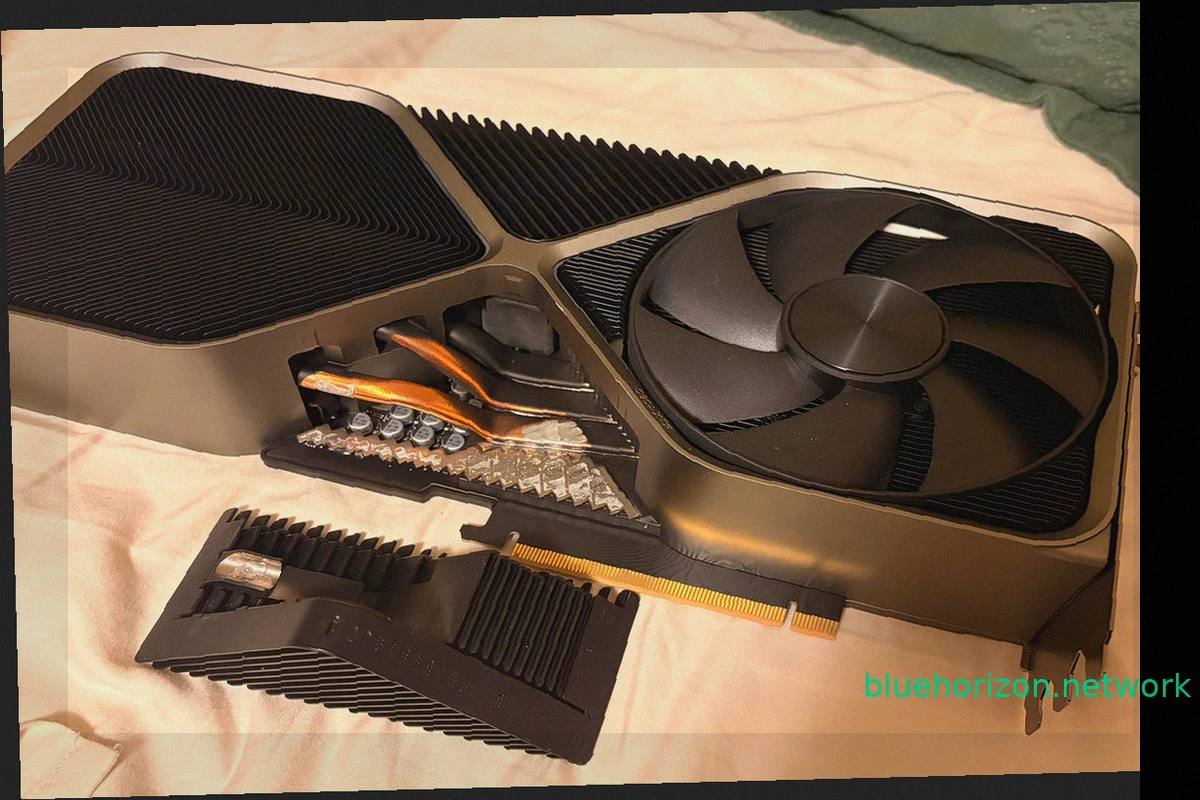
NVIDIA GeForce RTX 4090 Founders Edition Loses Part of Its Heatsink After Three Years
A NVIDIA GeForce RTX 4090 Founders Edition has presented an unusual problem, not with its power connector, but with its heatsink. This incident is unique, as a portion of the graphics card's massive heatsink literally detached while its owner was moving the computer. This wasn't a decorative c

Russian Missiles Strike Infrastructure of 1337x, Second Largest Torrent Tracker, Hitting Piracy
Russian missile attacks have damaged infrastructure belonging to popular torrent trackers like 1337x. Between September 23 and 27, 2026, Russia conducted strikes targeting data centers and communication facilities in Kyiv. These attacks temporarily disrupted internet access for approximately 1
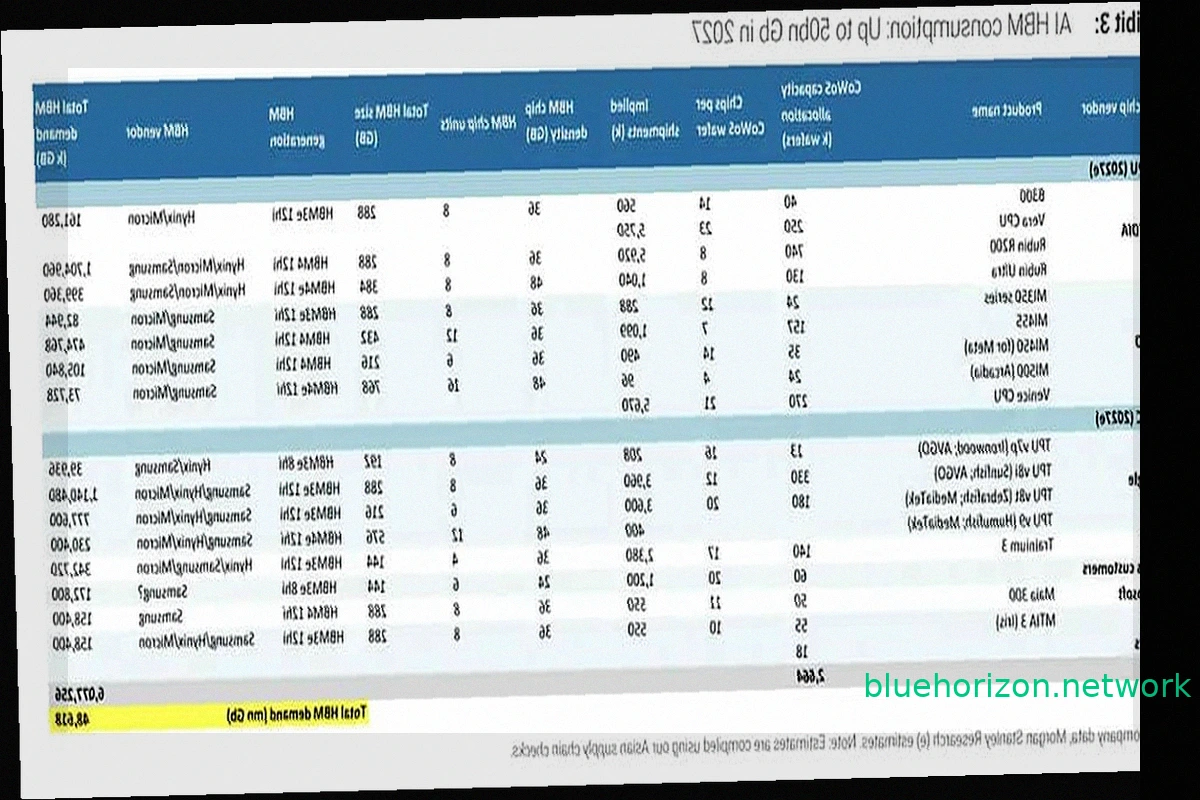
NVIDIA, Google, and AMD Poised to Control 85% of HBM Memory Demand by 2027
The "you'll own nothing and be happy" meme is finding a parallel in hardware, specifically memory. NVIDIA, Google, and AMD are set to command 85.4% of the global High Bandwidth Memory (HBM) demand by 2027, according to Morgan Stanley estimates. These three buyers will largely dictate the pace
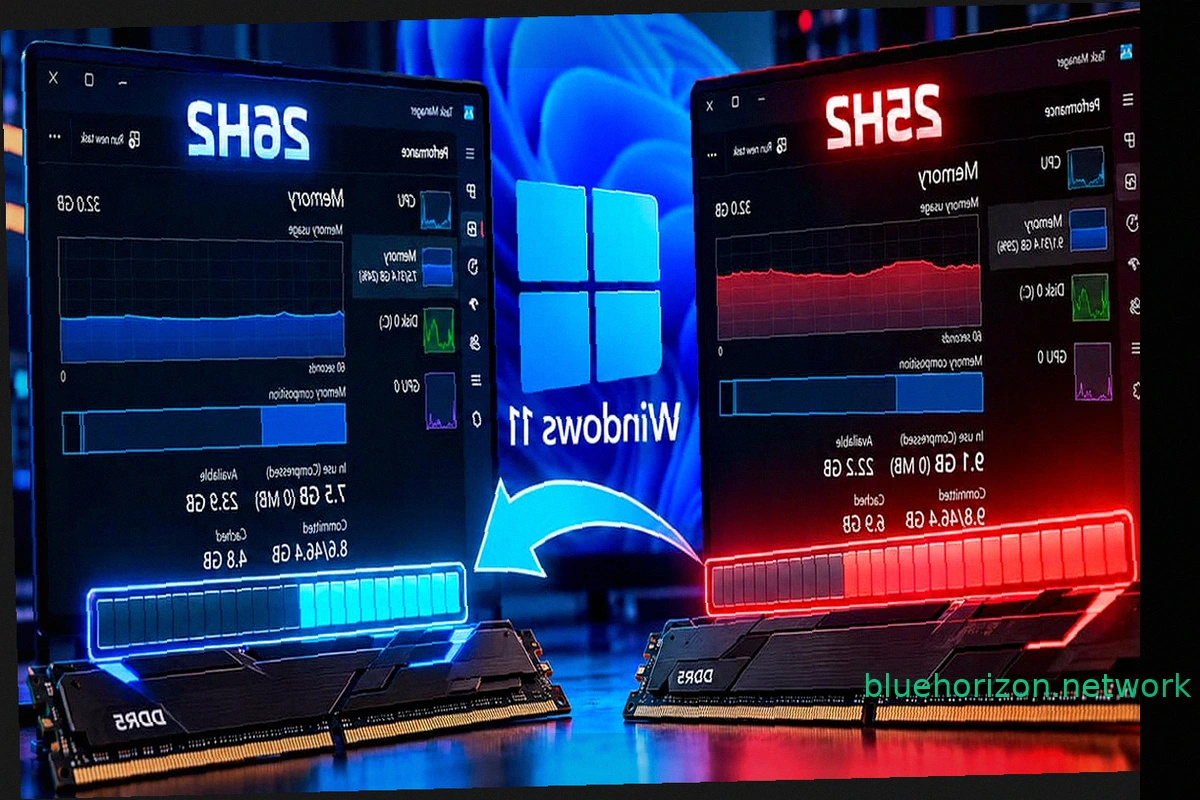
Windows 11 26H2 Reduces RAM Consumption by Up to 2 GB, But 8 GB Machines Still Struggle
Windows 11 26H2 is rolling out optimizations for RAM management. Some users report a noticeable decrease in RAM usage after installing this update, with certain systems showing a reduction of up to 2 GB compared to Windows 11 25H2 upon startup. However, initial findings suggest this improvemen

RTX 5090 fails with DLSS 5 after 48 hours for Chinese streamer
NVIDIA's RTX series introduced Tensor Cores, enabling technologies like DLSS. Early DLSS versions offered a noticeable drop in image quality compared to native resolution. DLSS 2 brought significant improvements, and DLSS 3 achieved parity or even superiority over native rendering. DLSS 4 cont