Intel to Replace DTT and APO with IPPP to Boost CPU Performance
Intel is undertaking a significant reorganization of its performance management software stack with the introduction of the Intel Platform Performance Package (IPPP). This new package aims to unify several technologies previously offered as standalone components. With IPPP, Intel seeks to streamline performance and power management across its modern PC and laptop platforms, particularly for systems featuring hybrid architectures – which are now prevalent. The coordination between hardware, firmware, and the operating system has become increasingly intricate in such setups.
Through IPPP, Intel intends to consolidate functions that previously relied on multiple distinct drivers, such as MEI, APO, and DTT, into a single package. This approach reduces fragmentation and simplifies both deployment for manufacturers and ongoing software maintenance.
Intel Platform Performance Package (IPPP): The All-in-One Software Solution

This change is far from trivial, as it directly impacts how modern Intel CPU systems manage performance and distribute tasks among their cores. The transition to IPPP means that several previously separate technologies will now be integrated into a single software layer. In essence, this creates a simpler, more centralized approach, consolidating functionalities into one driver – a strategy notably similar to AMD's.
For those unfamiliar, the Intel Platform Performance Package is essentially a collection of drivers and services that mediate between Windows, the system's firmware, and the CPU. It manages power policies, thermal behavior, workload optimization, and communication with the operating system's scheduler. Instead of relying on various distinct packages installed by equipment manufacturers, IPPP centralizes all these functions into a single framework, specifically designed to control how the system utilizes a PC or laptop's hardware.
Until now, Intel distributed various drivers for these tasks. One of the most recognized was Intel Dynamic Tuning Technology (DTT), which was responsible for adjusting parameters such as power limits, temperature, and the dynamic behavior of the specific processor.
APO is Out: Everything Now Handled by This New Driver

Another was Intel Application Optimization (APO), a somewhat controversial optimization layer designed to reorder threads for specific applications and games to better utilize hybrid CPUs with P-Cores and E-Cores. Both DTT and APO, along with other performance policies and communication with ACPI and system firmware, will now be integrated into IPPP.
The timing of Intel's move is closely linked to the evolution of its architectures. Since the Alder Lake generation, the company's CPUs have integrated different types of cores within the same chip. This design necessitates far more complex decisions from the operating system regarding where to execute each task. While technologies like Intel Thread Director assist the Windows scheduler in these decisions, Intel requires an additional layer to coherently coordinate all performance and energy policies.
With IPPP, Intel aims to exert more direct control over the behavior of its PC and laptop platforms. This becomes increasingly critical with upcoming generations such as Meteor Lake, Arrow Lake, and Panther Lake, where the intricacy of hybrid designs continues to grow. Furthermore, looking ahead to Nova Lake, which is anticipated to mark a new beginning for Intel, robust software is essential. Releasing IPPP now allows sufficient time for refinement and optimization.
Fresh materials — Technology News

Google Pixel Devices Hit by Nightmare Bug: September Update Locks Out Some Users
Updating your phone should be a simple process: install, restart, and continue. But imagine completing the update, entering your usual unlock pattern, and the phone not even letting you finish it. Your photos and messages remain, but you're locked out. This is the predicament some Google Pixel
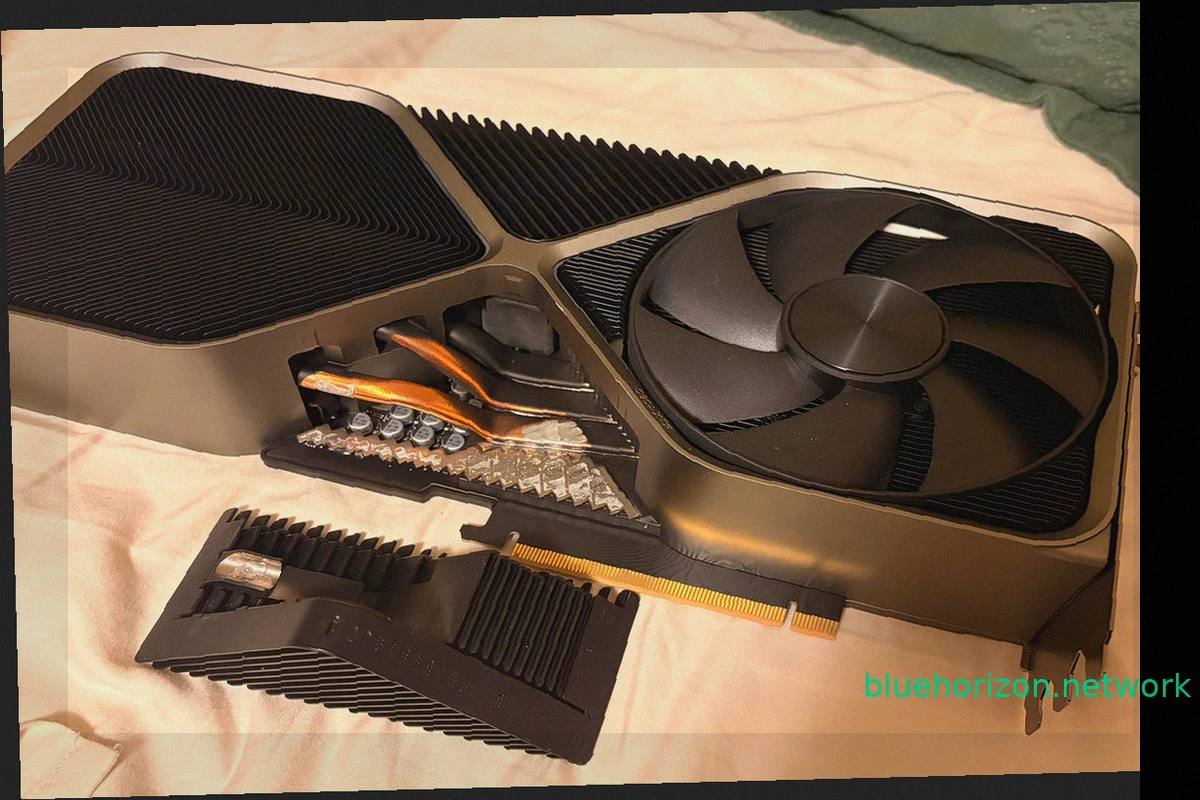
NVIDIA GeForce RTX 4090 Founders Edition Loses Part of Its Heatsink After Three Years
A NVIDIA GeForce RTX 4090 Founders Edition has presented an unusual problem, not with its power connector, but with its heatsink. This incident is unique, as a portion of the graphics card's massive heatsink literally detached while its owner was moving the computer. This wasn't a decorative c

Russian Missiles Strike Infrastructure of 1337x, Second Largest Torrent Tracker, Hitting Piracy
Russian missile attacks have damaged infrastructure belonging to popular torrent trackers like 1337x. Between September 23 and 27, 2026, Russia conducted strikes targeting data centers and communication facilities in Kyiv. These attacks temporarily disrupted internet access for approximately 1
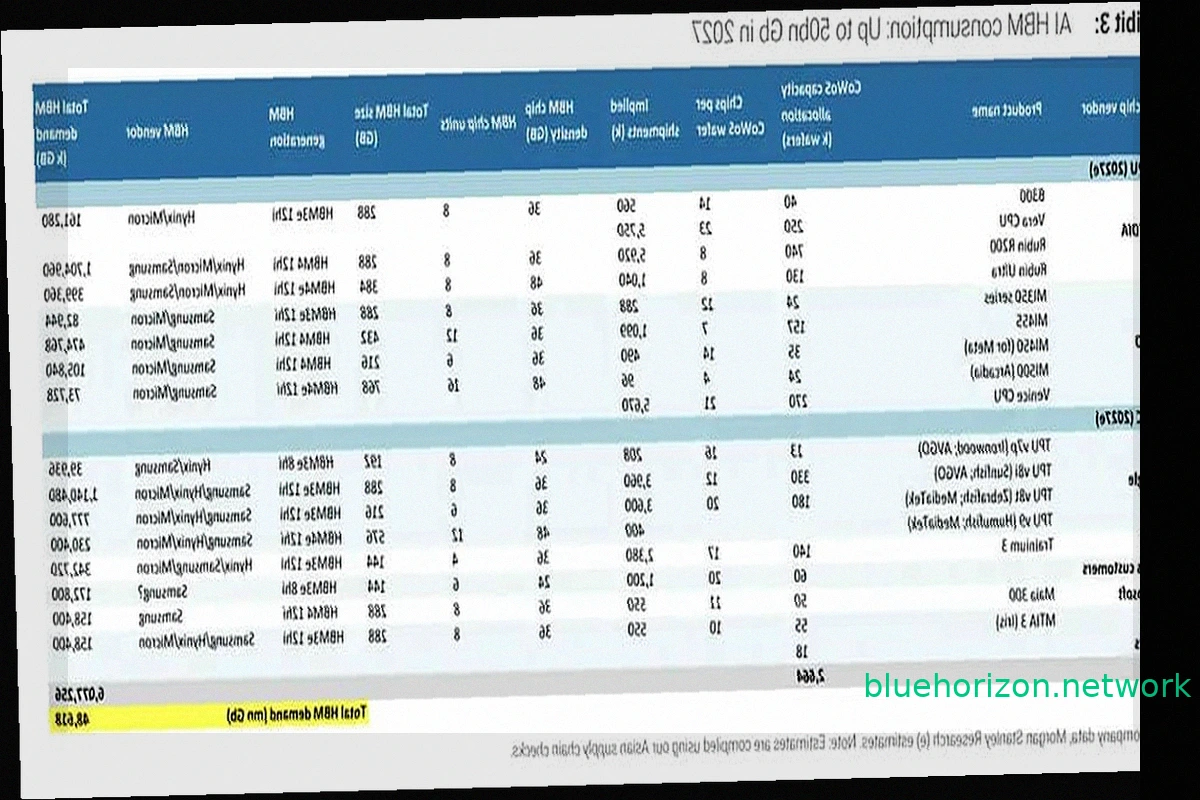
NVIDIA, Google, and AMD Poised to Control 85% of HBM Memory Demand by 2027
The "you'll own nothing and be happy" meme is finding a parallel in hardware, specifically memory. NVIDIA, Google, and AMD are set to command 85.4% of the global High Bandwidth Memory (HBM) demand by 2027, according to Morgan Stanley estimates. These three buyers will largely dictate the pace
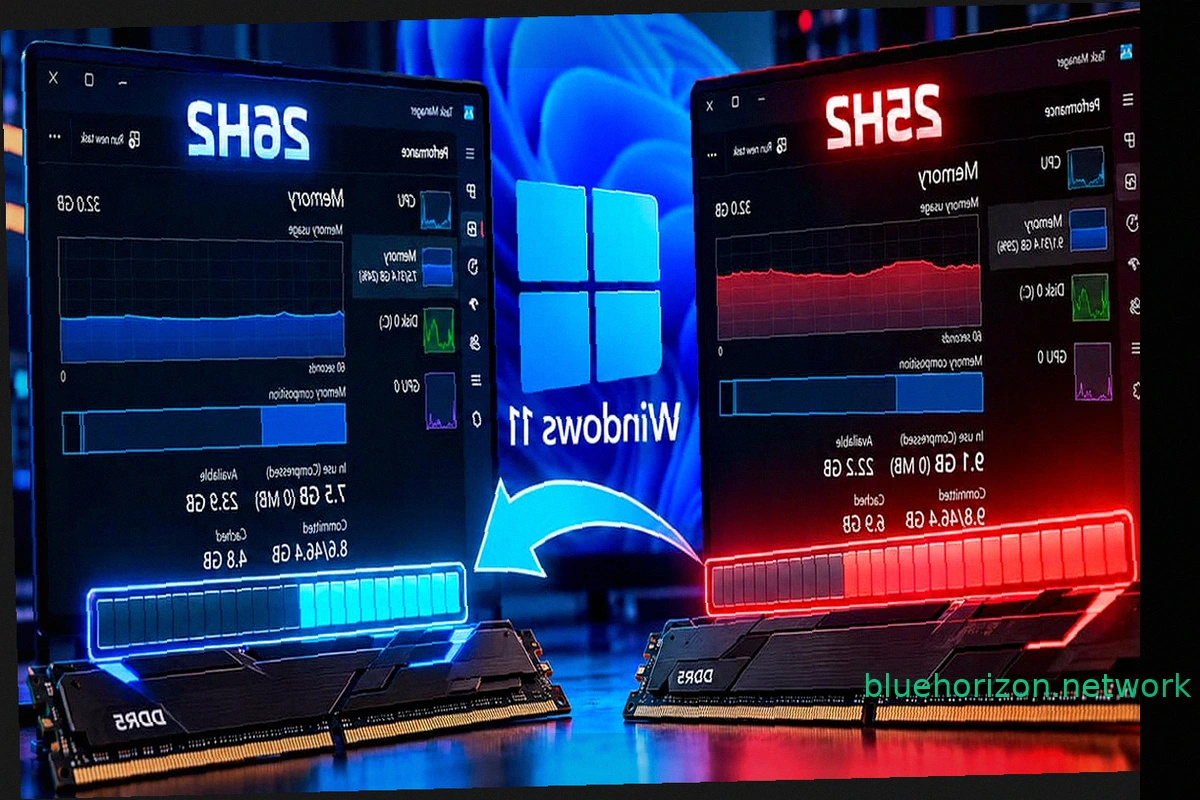
Windows 11 26H2 Reduces RAM Consumption by Up to 2 GB, But 8 GB Machines Still Struggle
Windows 11 26H2 is rolling out optimizations for RAM management. Some users report a noticeable decrease in RAM usage after installing this update, with certain systems showing a reduction of up to 2 GB compared to Windows 11 25H2 upon startup. However, initial findings suggest this improvemen

RTX 5090 fails with DLSS 5 after 48 hours for Chinese streamer
NVIDIA's RTX series introduced Tensor Cores, enabling technologies like DLSS. Early DLSS versions offered a noticeable drop in image quality compared to native resolution. DLSS 2 brought significant improvements, and DLSS 3 achieved parity or even superiority over native rendering. DLSS 4 cont