Iran Conflict Disrupts Global Helium Supply for Chipmakers; Samsung, TSMC Face Pressure, Intel Benefits
The conflict involving Iran has introduced a new challenge for the semiconductor industry, this time centered on the supply of helium. Despite a ceasefire agreement between Iran and the U.S. ensuring safe passage through the Strait of Hormuz, Ras Laffan in Qatar—a key industrial city and helium supplier—has remained largely out of service following attacks in early March. This disruption has reportedly cut global helium supply by 27% to 30%, pushing spot prices up by 40% to 100% within weeks, creating significant pressure on chip manufacturers in South Korea, Japan, and Taiwan.
The impact of this situation varies significantly across countries and companies, as highlighted by TrendForce. The analysis reveals how this geopolitical event is set to influence the semiconductor sector and future hardware development.
The Geopolitical Chessboard: Helium for Chips in South Korea, Taiwan, and Japan
South Korea emerges as one of the most sensitive points among chip-producing nations. In 2025, 64.7% of the helium imported by the country originated from Qatar, placing Samsung and SK Hynix in a precarious position given the complications in Gulf supply. Helium consumption is substantial in memory manufacturing, particularly in etching and deposition processes critical for 3D stacking.
South Korea's response has been direct: diversifying suppliers, increasing recycling efforts, reallocating purchases, and securing new long-term agreements with Linde and Air Products, even at higher prices. Furthermore, the South Korean government has reportedly secured approximately four months' worth of semiconductor-grade helium, with no immediate supply interruptions reported.
Taiwan is also exposed, though with greater room for maneuver. Helium constitutes less than 1% of wafer manufacturing costs but remains indispensable for etching, process cooling, gas purging, leak detection, and EUV lithography. On April 2nd, prices for 6N electronic helium and EUV-grade helium rose by over 5%.
TSMC stands out with its CoWoS lines being particularly sensitive to helium usage. However, the company benefits from a diversified supply chain, high on-site recycling rates (80% to 90%) in advanced fabs, and an inventory buffer of over two months.
Japan: Less Affected Due to U.S. Supply
Japan occupies an intermediate position compared to Taiwan and South Korea. In 2025, roughly 60% of its helium imports came from the U.S. and about 37% from Qatar. The Ministry of Economy, Trade and Industry has indicated that current stocks would last until early May, while the country actively seeks additional volumes from the U.S., and some domestic companies are reordering to prioritize internal market needs. Kioxia acknowledges that helium is difficult to substitute and essential for chip manufacturing.
The United States plays a different game. TrendForce positions Intel among the manufacturers with a better relative buffer against this tension because the U.S. is the world's largest helium producer, yielding about 81 million cubic meters annually. Many local fabs are supplied from domestic sources in Texas, Wyoming, Kansas, and Oklahoma.
While Asia scrambles to fill the gap left by Qatar, Intel benefits from a significantly more stable domestic supply base, leading to some speculation in the sector regarding the motivations behind the conflict. In a crisis stemming from the Iran conflict, this disparity weighs much more heavily than it seemed just weeks ago. If not resolved quickly, the disruption in helium for chips could have critical consequences, especially for South Korea, Taiwan, and to a lesser extent, Japan.
Fresh materials — Technology News

Google Pixel Devices Hit by Nightmare Bug: September Update Locks Out Some Users
Updating your phone should be a simple process: install, restart, and continue. But imagine completing the update, entering your usual unlock pattern, and the phone not even letting you finish it. Your photos and messages remain, but you're locked out. This is the predicament some Google Pixel
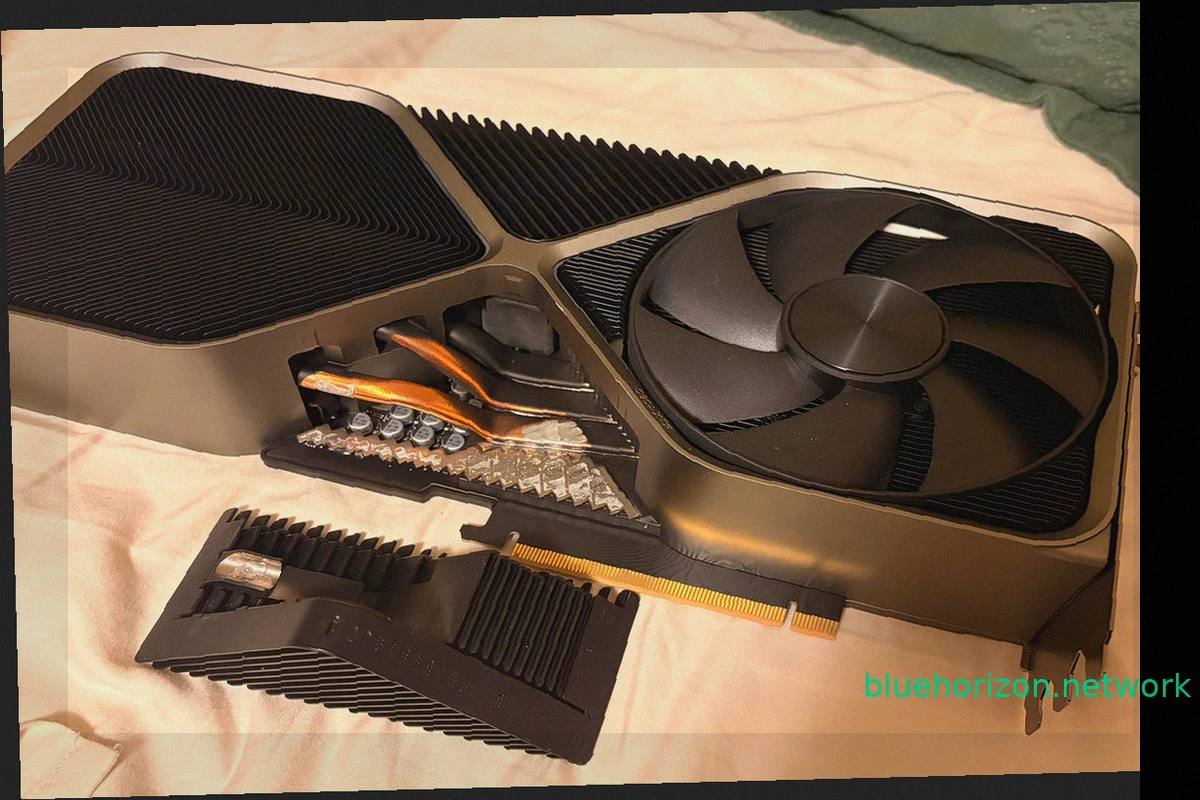
NVIDIA GeForce RTX 4090 Founders Edition Loses Part of Its Heatsink After Three Years
A NVIDIA GeForce RTX 4090 Founders Edition has presented an unusual problem, not with its power connector, but with its heatsink. This incident is unique, as a portion of the graphics card's massive heatsink literally detached while its owner was moving the computer. This wasn't a decorative c
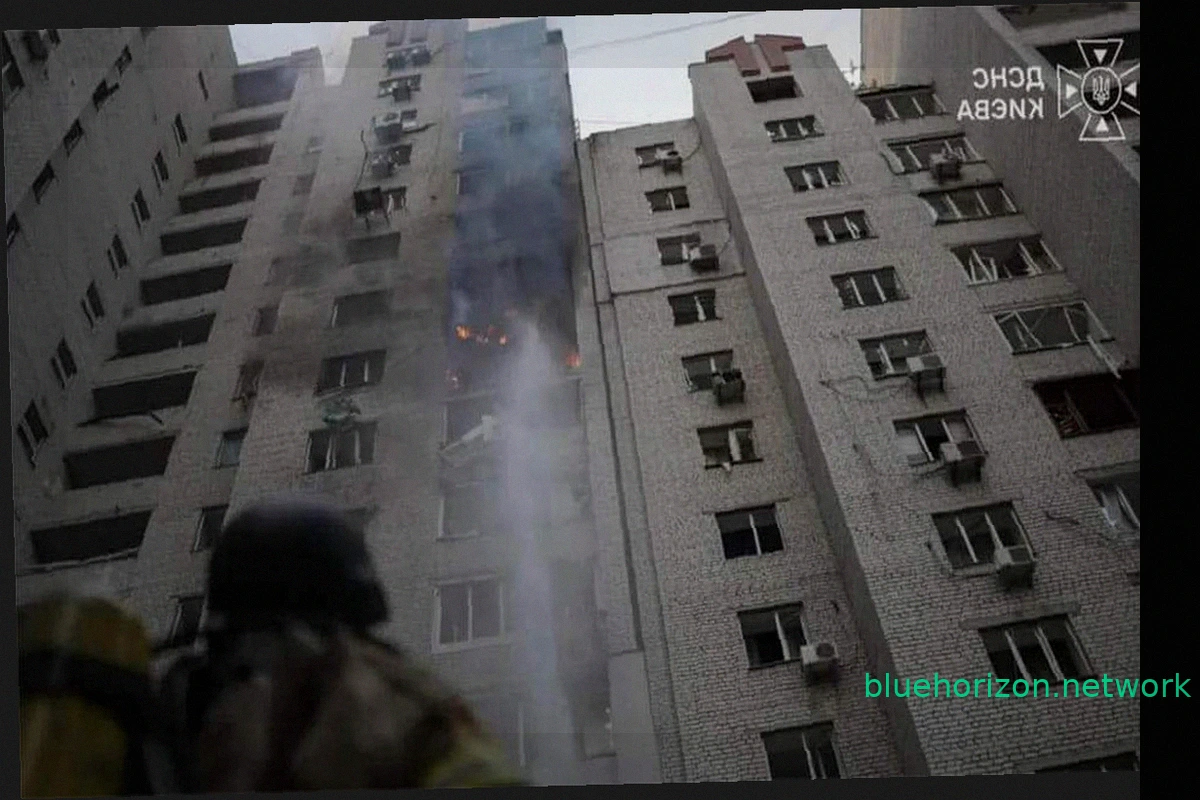
Russian Missiles Strike Infrastructure of 1337x, Second Largest Torrent Tracker, Hitting Piracy
Russian missile attacks have damaged infrastructure belonging to popular torrent trackers like 1337x. Between September 23 and 27, 2026, Russia conducted strikes targeting data centers and communication facilities in Kyiv. These attacks temporarily disrupted internet access for approximately 1
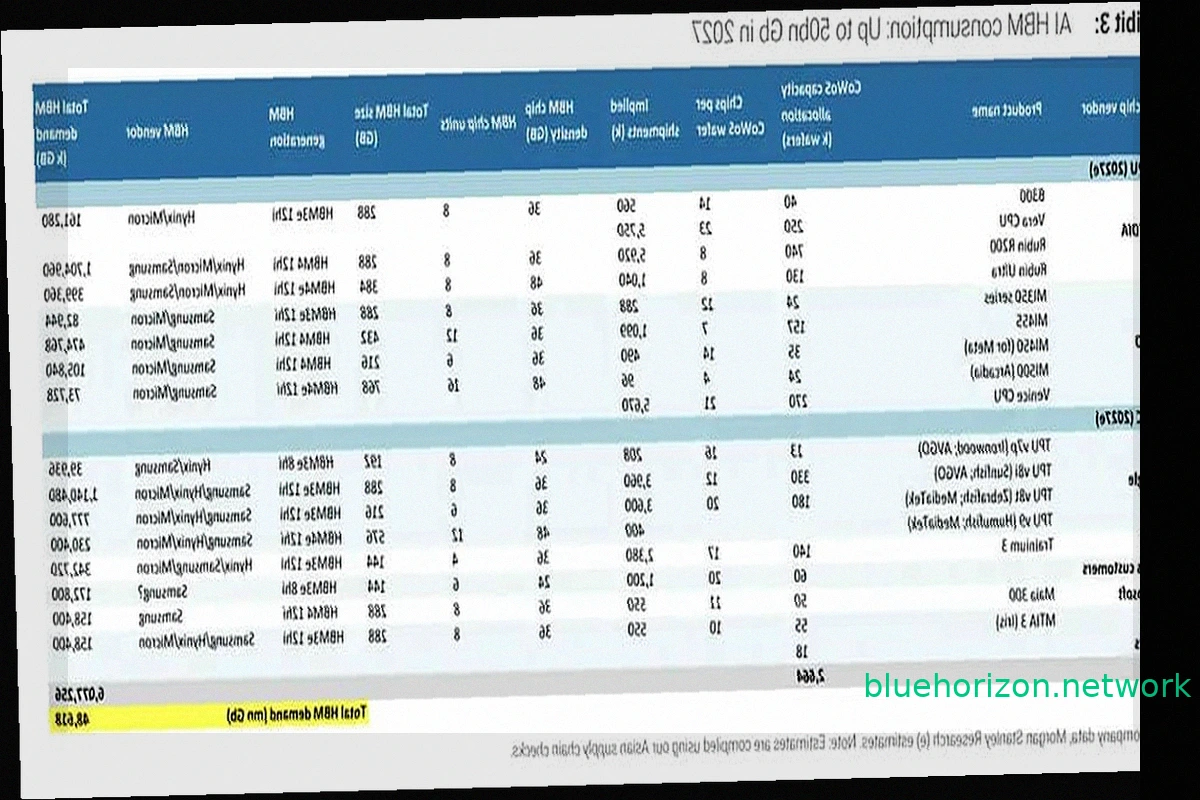
NVIDIA, Google, and AMD Poised to Control 85% of HBM Memory Demand by 2027
The "you'll own nothing and be happy" meme is finding a parallel in hardware, specifically memory. NVIDIA, Google, and AMD are set to command 85.4% of the global High Bandwidth Memory (HBM) demand by 2027, according to Morgan Stanley estimates. These three buyers will largely dictate the pace
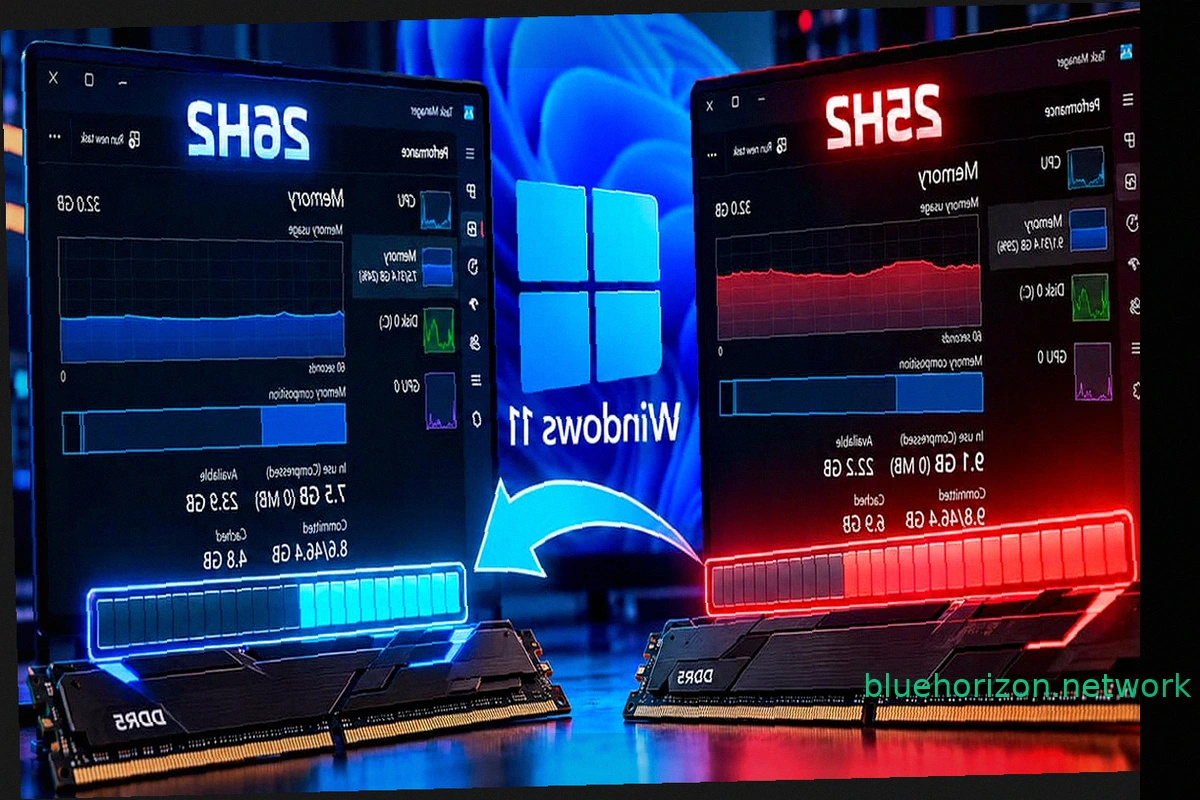
Windows 11 26H2 Reduces RAM Consumption by Up to 2 GB, But 8 GB Machines Still Struggle
Windows 11 26H2 is rolling out optimizations for RAM management. Some users report a noticeable decrease in RAM usage after installing this update, with certain systems showing a reduction of up to 2 GB compared to Windows 11 25H2 upon startup. However, initial findings suggest this improvemen
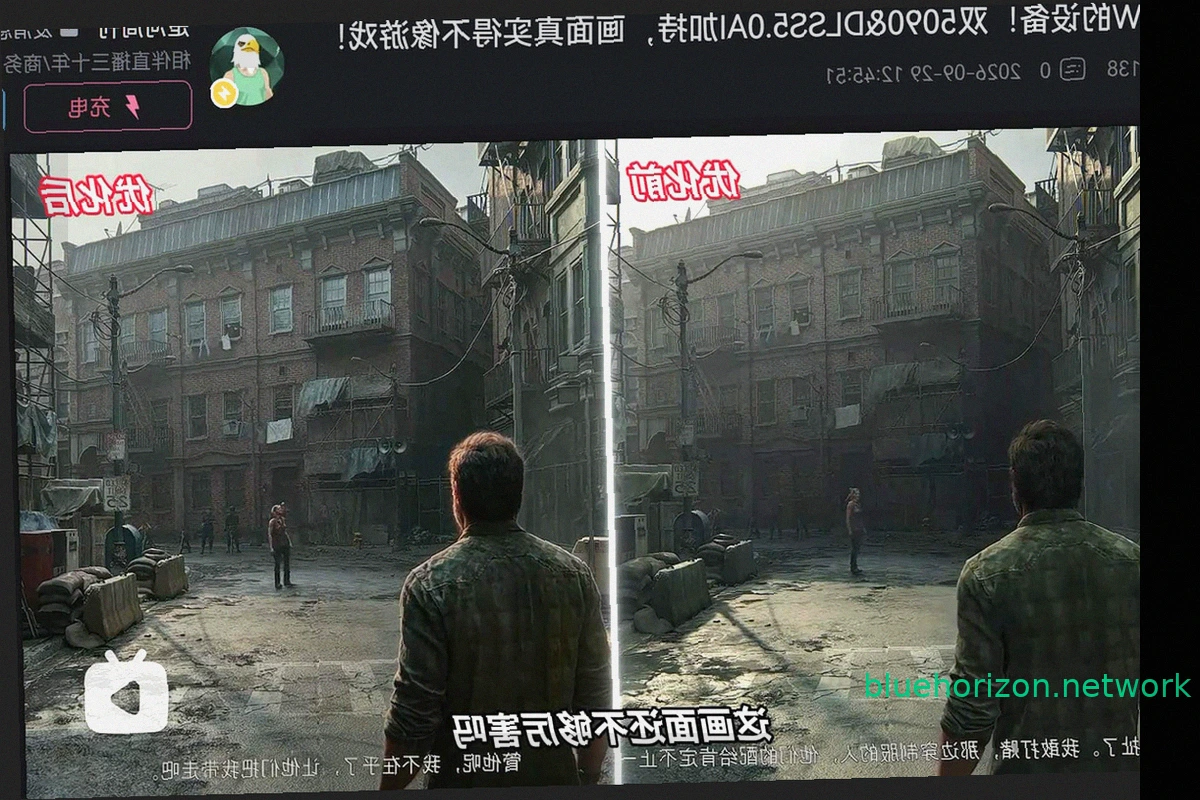
RTX 5090 fails with DLSS 5 after 48 hours for Chinese streamer
NVIDIA's RTX series introduced Tensor Cores, enabling technologies like DLSS. Early DLSS versions offered a noticeable drop in image quality compared to native resolution. DLSS 2 brought significant improvements, and DLSS 3 achieved parity or even superiority over native rendering. DLSS 4 cont