Laptop Owners Face "PS5 Syndrome": Liquid Metal Thermal Paste Caused Issues After Two Motherboard Replacements
Laptops are increasingly expensive. With recent price hikes in components like RAM, users are more inclined to protect their existing devices and ensure repairs are effective. One gamer experienced significant trouble with a laptop purchased a few years ago. Despite two motherboard replacements under warranty, the device continued to malfunction. It wasn't until the second motherboard swap that the user investigated further and discovered the issue: a problematic application of liquid metal thermal paste that had spilled.
The current prices for new laptops can be discouraging. A configuration with 32GB of RAM and a mid-to-high-end graphics card easily exceeds 1,200 euros. While not top-tier performance, such a machine generally promises several years of gaming. If you bought a laptop some time ago, its value increases, and you'd naturally want to avoid costly replacements.
Motherboard Swaps Failed to Resolve the Problem; Liquid Metal Was the Cause
Identifying the root cause is crucial when a PC or laptop stops working. A Reddit user shared their experience with a gaming laptop bought in 2022. The manufacturer replaced the motherboard twice under warranty. However, the laptop failed again shortly after the first replacement and again after the second. Unsure of what else to do, the user opened the laptop and found that the thermal paste, which was liquid metal, had poor contact.
This suspicion arose when the laptop hit temperatures of 105°C, triggering shutdowns. While liquid metal isn't typically the source of such problems, in this instance, high temperatures caused the metal to heat up and potentially shift during movement. This was exacerbated by a lack of protective barriers around the chips to prevent such displacement.
Phase-Change Pads Solved High Temperatures and Shutdowns
The laptop showed signs of overheating and burnt chips, yet it remained functional. The user opted for a solution: replacing the liquid metal with 0.2mm thick Honeywell PTM7950 phase-change pads. These pads are solid at room temperature, preventing movement. When temperatures rise, they transition to a semi-fluid state, effectively filling the gap between the heatsink and the chip. This change significantly improves cooling and is a much safer alternative to liquid metal.
Fresh materials — Technology News

Google Pixel Devices Hit by Nightmare Bug: September Update Locks Out Some Users
Updating your phone should be a simple process: install, restart, and continue. But imagine completing the update, entering your usual unlock pattern, and the phone not even letting you finish it. Your photos and messages remain, but you're locked out. This is the predicament some Google Pixel
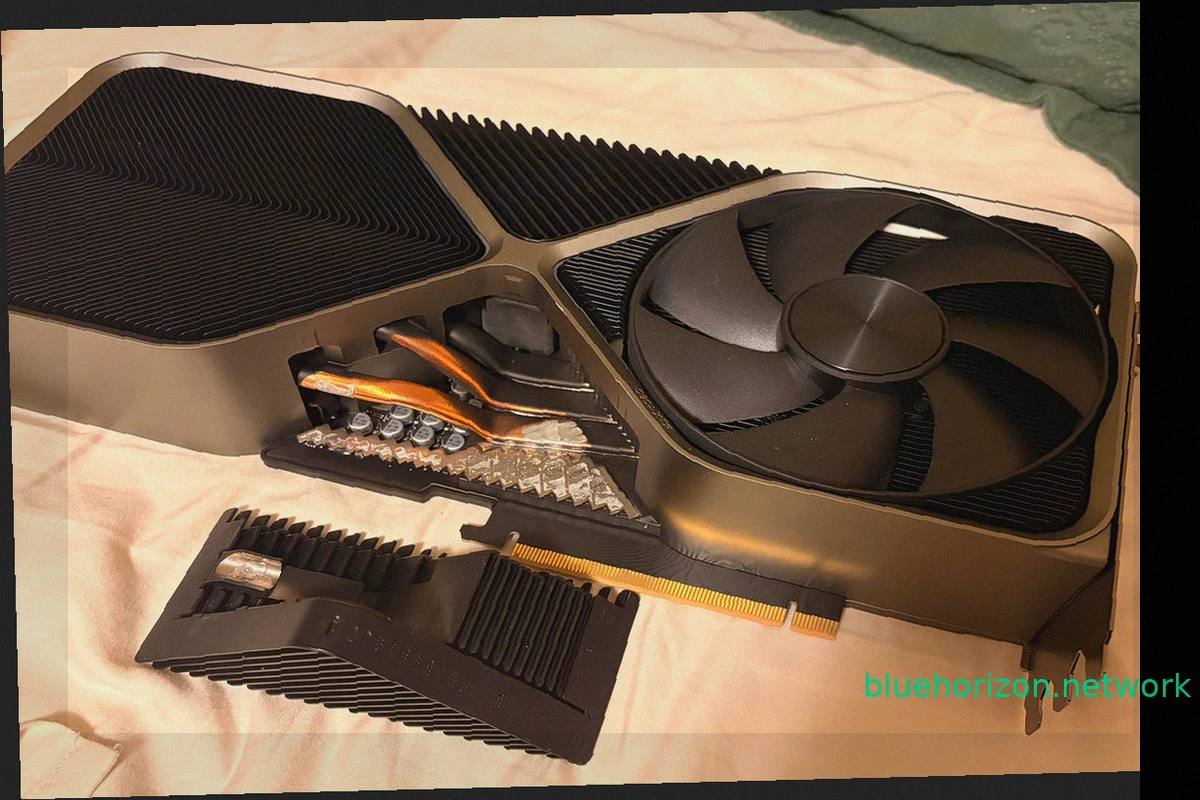
NVIDIA GeForce RTX 4090 Founders Edition Loses Part of Its Heatsink After Three Years
A NVIDIA GeForce RTX 4090 Founders Edition has presented an unusual problem, not with its power connector, but with its heatsink. This incident is unique, as a portion of the graphics card's massive heatsink literally detached while its owner was moving the computer. This wasn't a decorative c

Russian Missiles Strike Infrastructure of 1337x, Second Largest Torrent Tracker, Hitting Piracy
Russian missile attacks have damaged infrastructure belonging to popular torrent trackers like 1337x. Between September 23 and 27, 2026, Russia conducted strikes targeting data centers and communication facilities in Kyiv. These attacks temporarily disrupted internet access for approximately 1
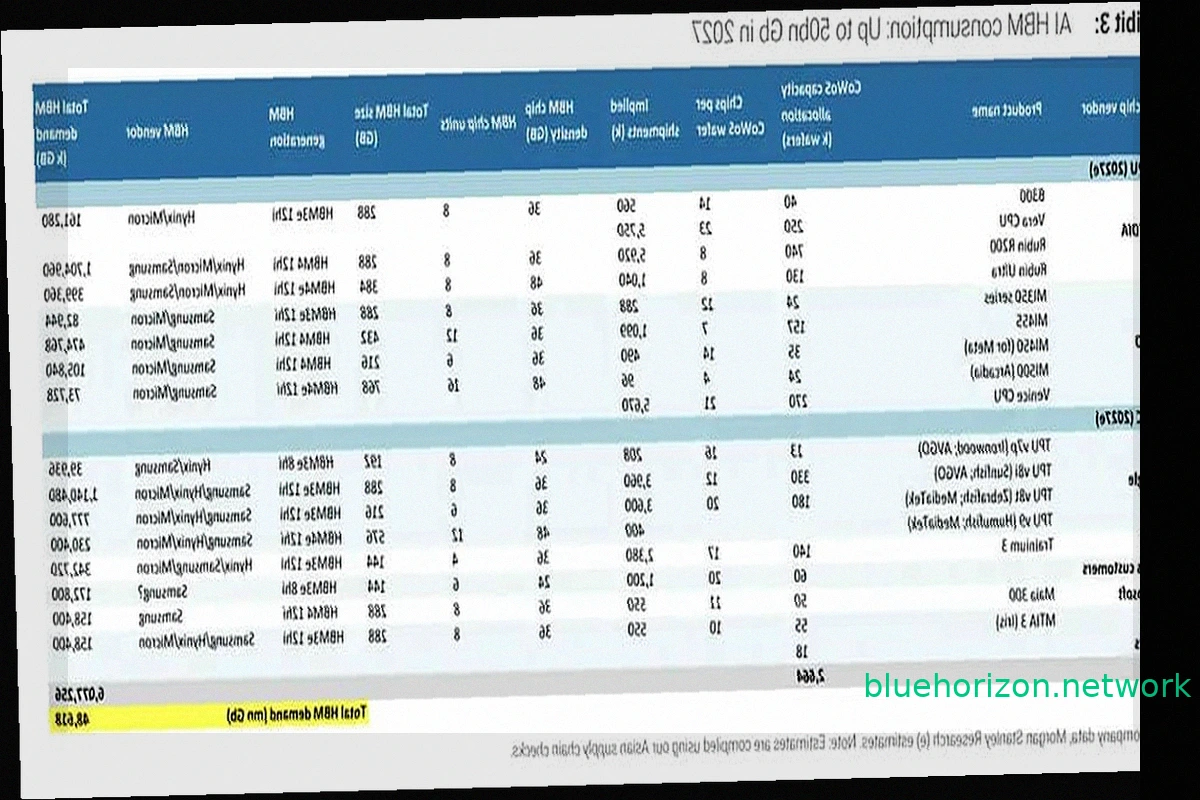
NVIDIA, Google, and AMD Poised to Control 85% of HBM Memory Demand by 2027
The "you'll own nothing and be happy" meme is finding a parallel in hardware, specifically memory. NVIDIA, Google, and AMD are set to command 85.4% of the global High Bandwidth Memory (HBM) demand by 2027, according to Morgan Stanley estimates. These three buyers will largely dictate the pace
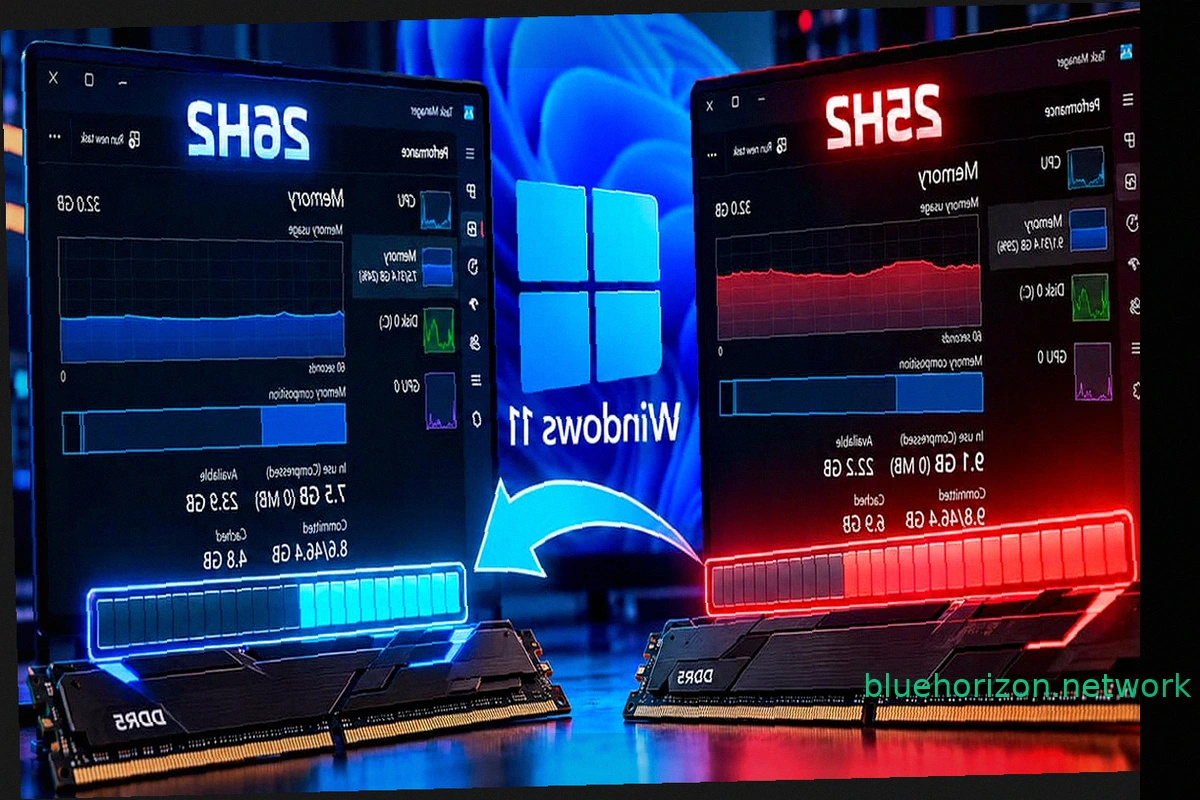
Windows 11 26H2 Reduces RAM Consumption by Up to 2 GB, But 8 GB Machines Still Struggle
Windows 11 26H2 is rolling out optimizations for RAM management. Some users report a noticeable decrease in RAM usage after installing this update, with certain systems showing a reduction of up to 2 GB compared to Windows 11 25H2 upon startup. However, initial findings suggest this improvemen

RTX 5090 fails with DLSS 5 after 48 hours for Chinese streamer
NVIDIA's RTX series introduced Tensor Cores, enabling technologies like DLSS. Early DLSS versions offered a noticeable drop in image quality compared to native resolution. DLSS 2 brought significant improvements, and DLSS 3 achieved parity or even superiority over native rendering. DLSS 4 cont