Lenovo Yoga Mini i: A Cylindrical Mini-PC with Intel Panther Lake CPU, 32GB RAM, and Windows 11
Lenovo has officially launched its new Mini-PC, the Yoga Mini i, in China. Its design unmistakably draws inspiration from Apple's Mac mini, though Lenovo has opted for a cylindrical form factor over a rectangular one to subtly differentiate its aesthetic. Beyond this visual cue, the similariti
Lenovo has officially launched its new Mini-PC, the Yoga Mini i, in China. Its design unmistakably draws inspiration from Apple's Mac mini, though Lenovo has opted for a cylindrical form factor over a rectangular one to subtly differentiate its aesthetic. Beyond this visual cue, the similarities largely end, as the Yoga Mini i is built upon conventional x86 architecture and runs on Windows 11 as its operating system.
Constructed from aluminum, the Lenovo Yoga Mini i boasts compact dimensions of 130 x 130 x 48.6 mm and weighs approximately 600 grams, a portability that Lenovo highlights by marketing it as a "handheld" computer. This versatile device is engineered to seamlessly integrate into various environments, from a home office desk to a professional studio, and is even convenient enough for travel. A notable advantage it holds over the Mac mini is its enhanced connectivity options and the inclusion of a built-in fingerprint reader, providing advanced biometric security for user logins.
Lenovo Yoga Mini i Specifications
At the core of the Lenovo Yoga Mini i lies an Intel Panther Lake processor, offering several configuration choices. Consumers can select from an efficient Intel Core Ultra 5 325 with 8 cores (comprising 4 P-Cores + 4 LPE-Cores) up to a powerful top-tier variant featuring an Intel Core Ultra X7 358H with 16 cores (4 P-Cores + 8 E-Cores + 4 LPE-Cores). These processors are paired with up to 32 GB of soldered LPDDR5X RAM operating at 8533 MT/s, alongside up to 2 TB of NVMe PCIe 4.0 SSD storage. The most advanced configuration further integrates the Intel Arc B390 iGPU, which delivers up to 64% faster performance compared to the AMD Radeon 890M.
Moreover, the Mini-PC incorporates a dedicated NPU capable of delivering up to 50 TOPS of AI performance, thereby qualifying it as a Copilot+ PC, optimized for Microsoft's latest AI functionalities. These specifications collectively position the Yoga Mini i as a high-performance Mini-PC wrapped in an elegant and premium design. It provides ample processing power for a wide range of applications, including office productivity, multimedia consumption, advanced AI tasks, video and photo editing, and even gaming, particularly in its highest-end configuration.
The cooling system of the Lenovo Yoga Mini i cleverly takes inspiration from the Mac mini's design, featuring a raised base that facilitates the intake of cool air from beneath the unit, ensuring efficient thermal management.
Connectivity and Launch Price
When it comes to connectivity, the Lenovo Yoga Mini i truly distinguishes itself from the Mac mini. It offers a comprehensive array of ports, including two Thunderbolt 4 / USB4 ports, two additional USB-C ports, one USB 3.2 port, an HDMI 2.1 video output, a 2.5 Gbps Ethernet port, and a 3.5mm headphone jack. This robust selection allows for simultaneous connection of up to four external monitors. Wireless capabilities are also cutting-edge, featuring Wi-Fi 7 and Bluetooth 6.0. Further enhancements include an integrated stereo speaker system (2 x 2W), dual microphones, a fingerprint reader for security, and an innovative Wi-Fi Sensing presence detection system that can discern movement and even breathing patterns in its environment.
The Lenovo Yoga Mini i debuts in China with a starting price of 5,499 yuan, which converts to approximately €690 or $800 USD. This initial price point corresponds to the configuration equipped with an Intel Core Ultra 5 325 processor, 16 GB of RAM, and a 512 GB SSD. Given its impressive specifications, premium design, and solid build quality, this represents an excellent value proposition in the Mini-PC market.
Fresh materials — Technology News
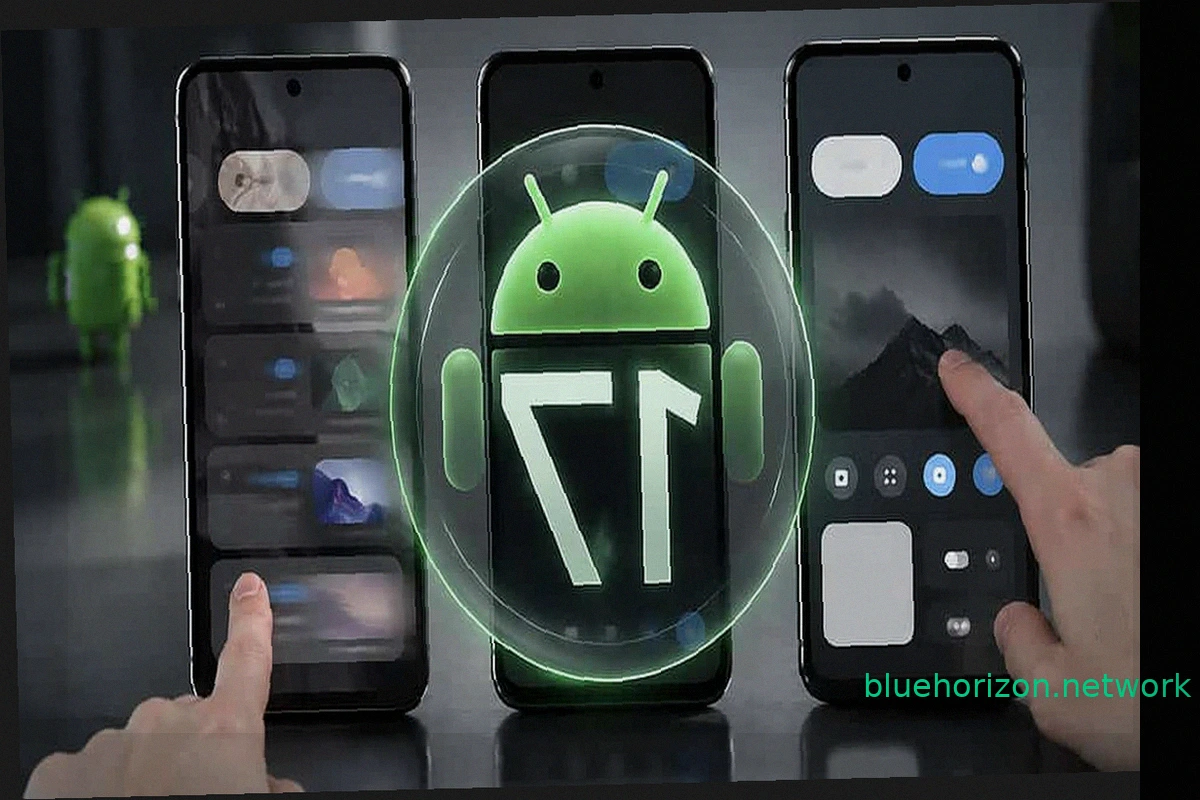
Google Pixel Devices Hit by Nightmare Bug: September Update Locks Out Some Users
Updating your phone should be a simple process: install, restart, and continue. But imagine completing the update, entering your usual unlock pattern, and the phone not even letting you finish it. Your photos and messages remain, but you're locked out. This is the predicament some Google Pixel
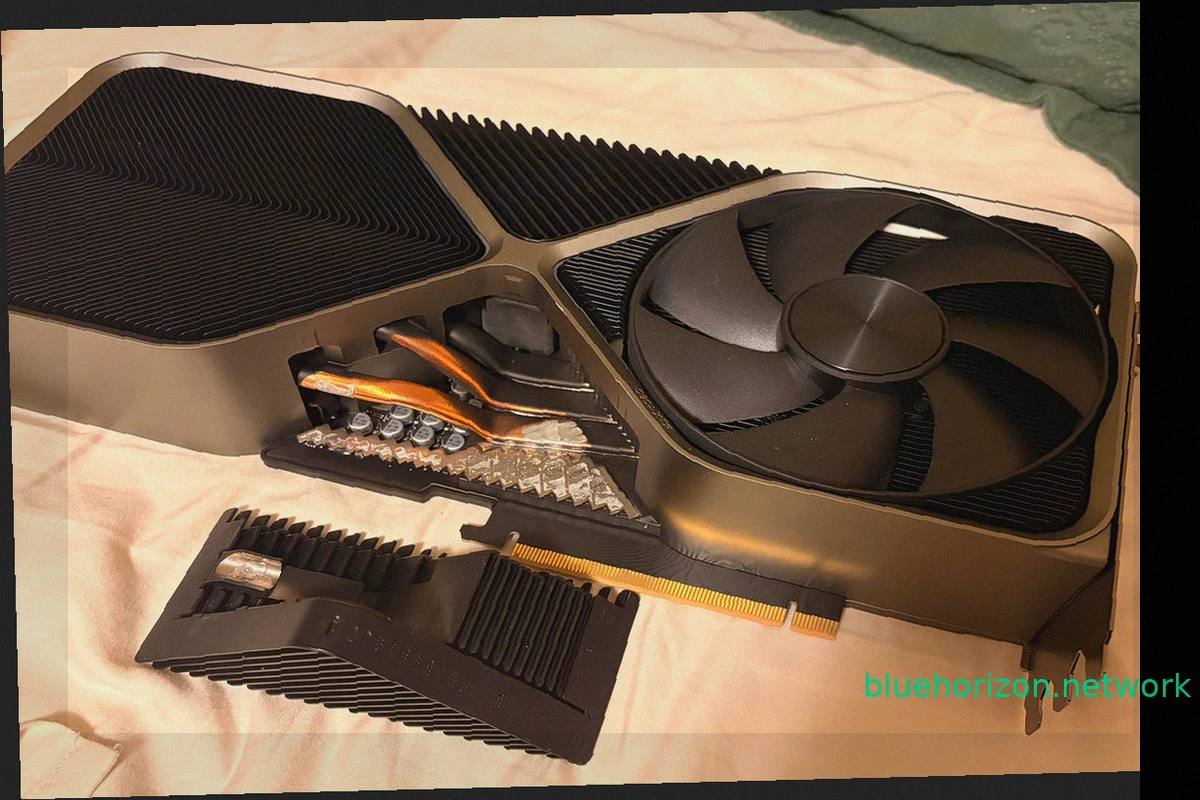
NVIDIA GeForce RTX 4090 Founders Edition Loses Part of Its Heatsink After Three Years
A NVIDIA GeForce RTX 4090 Founders Edition has presented an unusual problem, not with its power connector, but with its heatsink. This incident is unique, as a portion of the graphics card's massive heatsink literally detached while its owner was moving the computer. This wasn't a decorative c

Russian Missiles Strike Infrastructure of 1337x, Second Largest Torrent Tracker, Hitting Piracy
Russian missile attacks have damaged infrastructure belonging to popular torrent trackers like 1337x. Between September 23 and 27, 2026, Russia conducted strikes targeting data centers and communication facilities in Kyiv. These attacks temporarily disrupted internet access for approximately 1
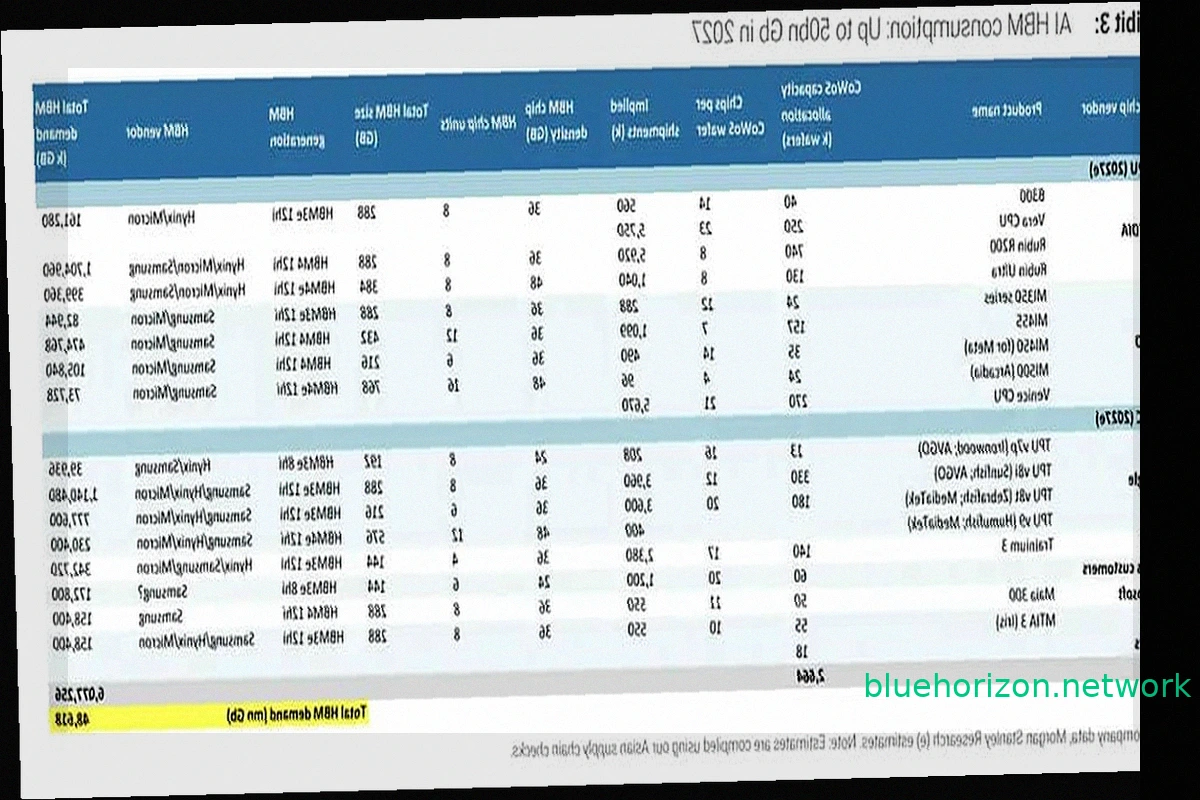
NVIDIA, Google, and AMD Poised to Control 85% of HBM Memory Demand by 2027
The "you'll own nothing and be happy" meme is finding a parallel in hardware, specifically memory. NVIDIA, Google, and AMD are set to command 85.4% of the global High Bandwidth Memory (HBM) demand by 2027, according to Morgan Stanley estimates. These three buyers will largely dictate the pace
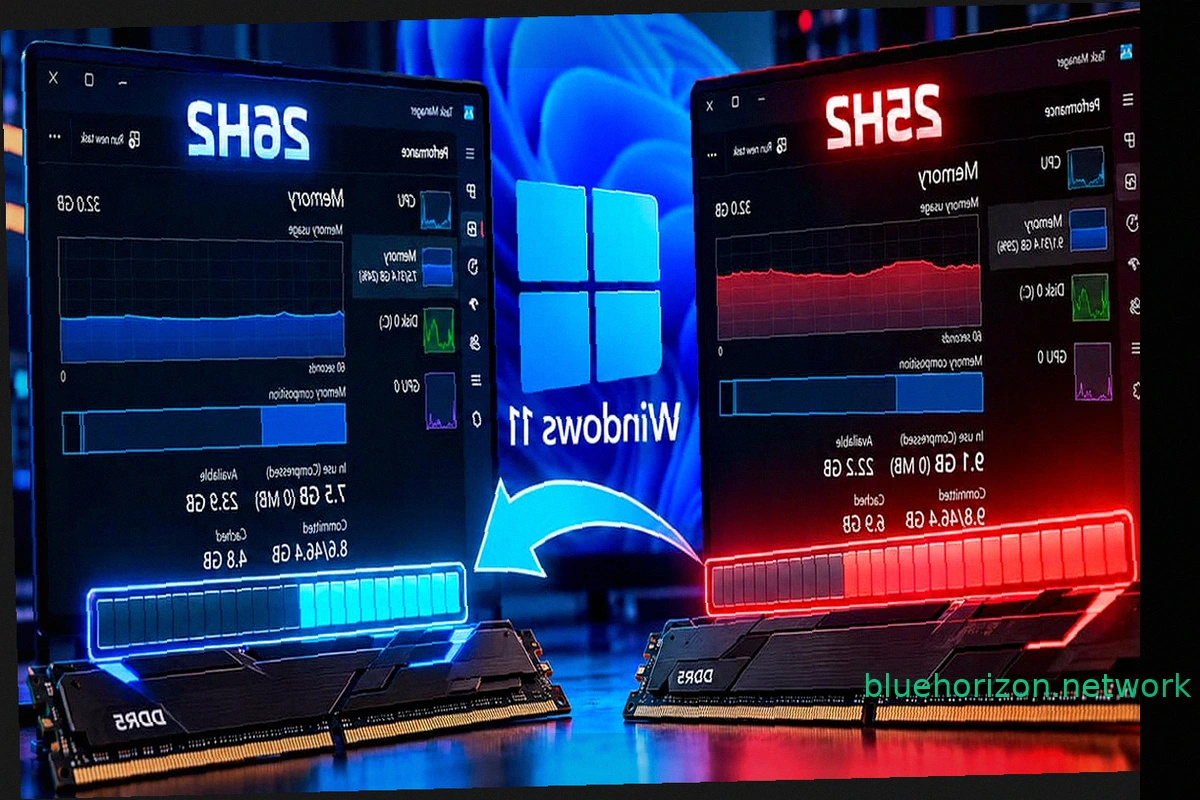
Windows 11 26H2 Reduces RAM Consumption by Up to 2 GB, But 8 GB Machines Still Struggle
Windows 11 26H2 is rolling out optimizations for RAM management. Some users report a noticeable decrease in RAM usage after installing this update, with certain systems showing a reduction of up to 2 GB compared to Windows 11 25H2 upon startup. However, initial findings suggest this improvemen

RTX 5090 fails with DLSS 5 after 48 hours for Chinese streamer
NVIDIA's RTX series introduced Tensor Cores, enabling technologies like DLSS. Early DLSS versions offered a noticeable drop in image quality compared to native resolution. DLSS 2 brought significant improvements, and DLSS 3 achieved parity or even superiority over native rendering. DLSS 4 cont