MacBook Neo's Unexpected Success Leads to Apple A18 Pro Chip Shortage
The Apple MacBook Neo has surpassed all expectations, achieving an unexpected level of success that has led to the rapid depletion of its initial reserve of A18 Pro chips. This unforeseen demand presents a significant logistical challenge for Apple. The company had initially sourced these chips from existing stock or binned versions, a strategic move to launch a competitively priced product without immediately committing to a new, dedicated manufacturing run.
MacBook Neo's Success Forces Apple to Seek More A18 Pro Chips, Which Are Now Depleted

The overwhelming market demand for the MacBook Neo is now compelling Apple to engage in urgent negotiations for new production with TSMC. Transitioning from utilizing accumulated inventory to initiating live capacity within a highly sought-after advanced node will undoubtedly create a less comfortable scenario and could significantly impact the product's cost structure.
Can Apple Maintain the MacBook Neo's Price Amidst Increased TSMC Orders?

Maintaining the MacBook Neo's competitive price point could become a considerable challenge if Apple incurs higher manufacturing costs for new A18 Pro chips. Furthermore, Apple faces the complication of potentially paying for A18 Pro chips with higher inherent capabilities than are strictly needed, merely to maintain the product's current 5-core GPU configuration – a process known as "forced binning." Adding to this pressure are rising prices for crucial components such as DRAM and aluminum, further complicating the strategy for a product specifically designed for high volume and affordability.
Faced with this situation, Apple must decide whether to accept reduced profit margins, adjust the MacBook Neo's retail price, or absorb the additional costs to sustain the impressive sales momentum of a product that has connected surprisingly well with the market. While this is certainly a "blessed problem," it represents a significant strategic dilemma for a newly launched product.
Fresh materials — Technology News

Google Pixel Devices Hit by Nightmare Bug: September Update Locks Out Some Users
Updating your phone should be a simple process: install, restart, and continue. But imagine completing the update, entering your usual unlock pattern, and the phone not even letting you finish it. Your photos and messages remain, but you're locked out. This is the predicament some Google Pixel
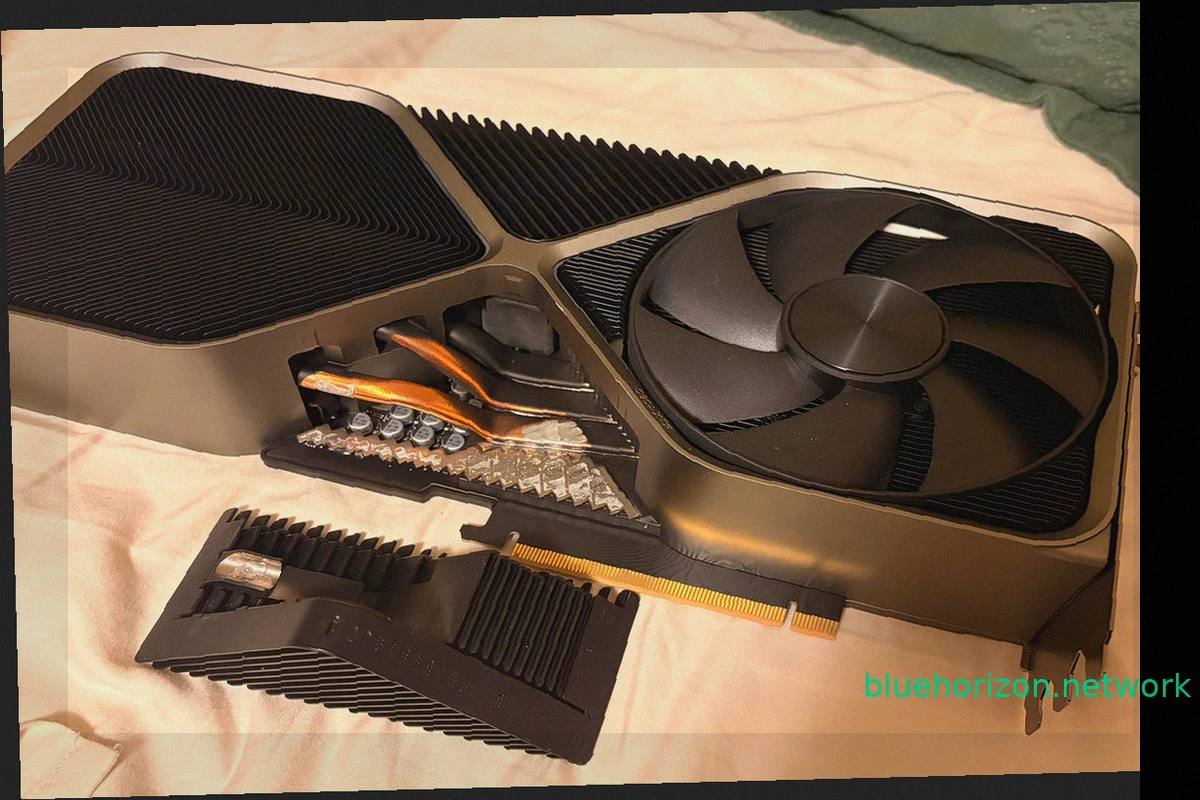
NVIDIA GeForce RTX 4090 Founders Edition Loses Part of Its Heatsink After Three Years
A NVIDIA GeForce RTX 4090 Founders Edition has presented an unusual problem, not with its power connector, but with its heatsink. This incident is unique, as a portion of the graphics card's massive heatsink literally detached while its owner was moving the computer. This wasn't a decorative c

Russian Missiles Strike Infrastructure of 1337x, Second Largest Torrent Tracker, Hitting Piracy
Russian missile attacks have damaged infrastructure belonging to popular torrent trackers like 1337x. Between September 23 and 27, 2026, Russia conducted strikes targeting data centers and communication facilities in Kyiv. These attacks temporarily disrupted internet access for approximately 1
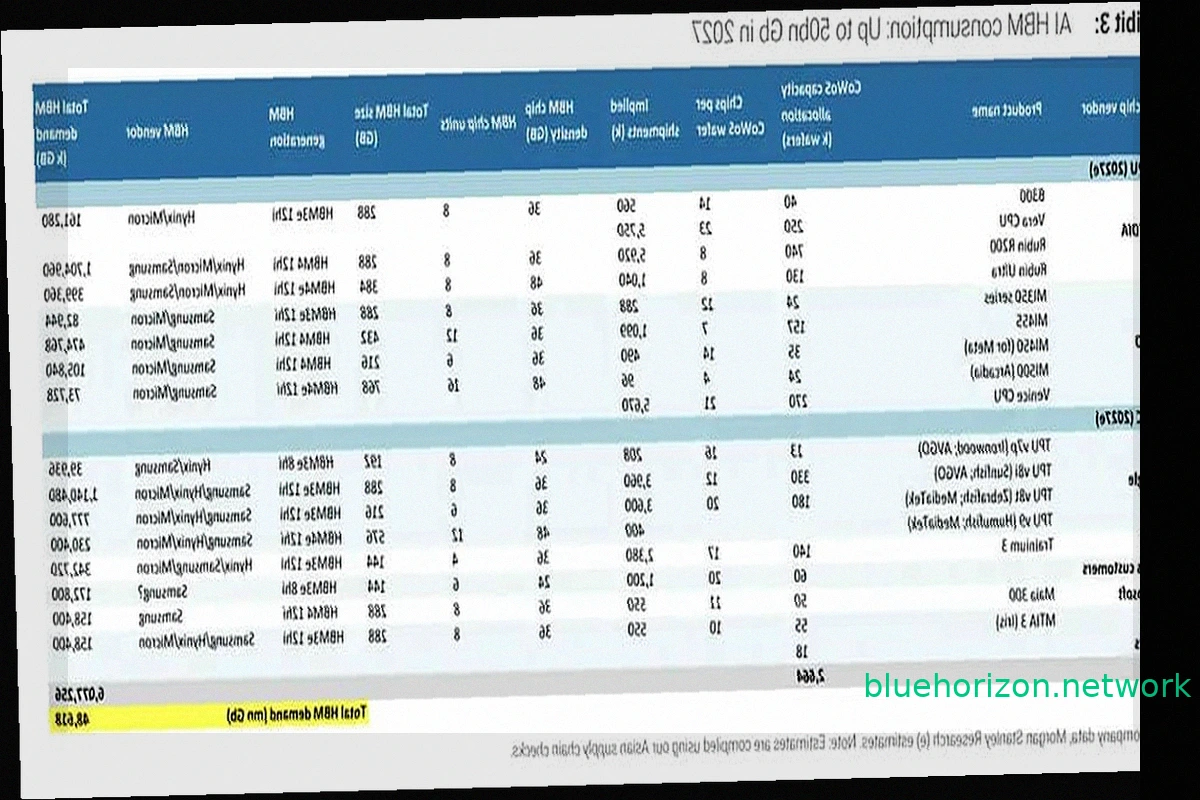
NVIDIA, Google, and AMD Poised to Control 85% of HBM Memory Demand by 2027
The "you'll own nothing and be happy" meme is finding a parallel in hardware, specifically memory. NVIDIA, Google, and AMD are set to command 85.4% of the global High Bandwidth Memory (HBM) demand by 2027, according to Morgan Stanley estimates. These three buyers will largely dictate the pace
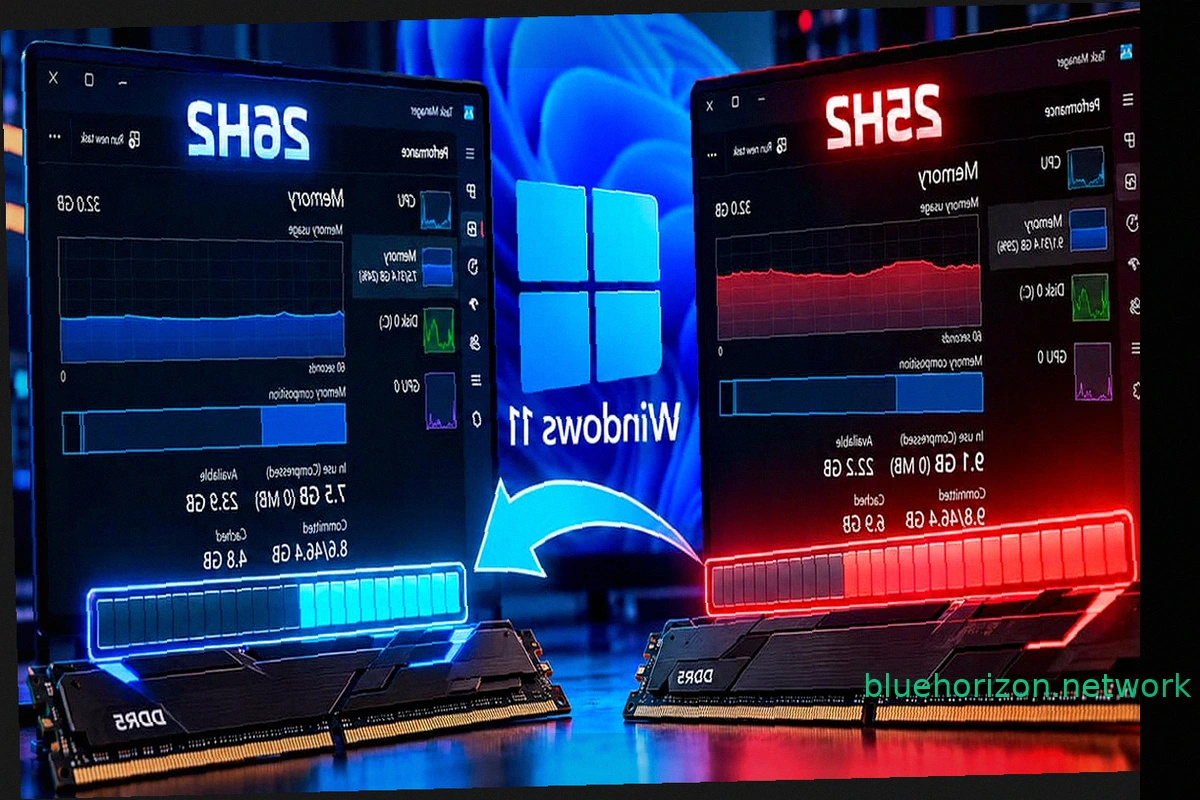
Windows 11 26H2 Reduces RAM Consumption by Up to 2 GB, But 8 GB Machines Still Struggle
Windows 11 26H2 is rolling out optimizations for RAM management. Some users report a noticeable decrease in RAM usage after installing this update, with certain systems showing a reduction of up to 2 GB compared to Windows 11 25H2 upon startup. However, initial findings suggest this improvemen

RTX 5090 fails with DLSS 5 after 48 hours for Chinese streamer
NVIDIA's RTX series introduced Tensor Cores, enabling technologies like DLSS. Early DLSS versions offered a noticeable drop in image quality compared to native resolution. DLSS 2 brought significant improvements, and DLSS 3 achieved parity or even superiority over native rendering. DLSS 4 cont