MacBook Pro with M5 Max Experiences SSD Temperatures Exceeding 100°C
For several years now, Apple has fully embraced its own Arm-based chips, moving away from NVIDIA, Intel, and AMD. Since then, all its laptops, iMacs, and even Mac Pros have integrated these custom Arm processors. While initial doubts existed, the company successfully demonstrated the viability of the Arm architecture. Currently, the M5 Max stands as the most powerful chip available for MacBook Pro laptops. Despite its impressive performance, it's not without flaws, as the SSDs are reaching dangerously high temperatures.
Apple's first M1 chip, launched in 2020, delivered mid-range CPU performance alongside unparalleled efficiency. Since then, Apple has released multiple generations of chips, each offering significant improvements that justify upgrading to a newer device with a more modern processor. This trend continues across the various chip variants Apple offers: Pro, Max, and Ultra.
MacBook Pro M5 Max SSD Reaches 106°C, Far Exceeding 85°C Recommended Limit

The M5 Max chip was unveiled in early March, showcasing superior performance compared to the M3 Ultra, which was the top-tier option for the most powerful Mac Studio models just a few years ago. If your budget allows, the 16-inch MacBook Pro with M5 Max is positioned as the best choice for raw performance, thanks to its incredibly fast processor and a GPU that rivals NVIDIA's RTX 5070. However, it's widely known that Apple's MacBook cooling isn't always optimal, and in the M5 Max version, the SSD cooling seems to be entirely neglected; it wouldn't be surprising if it lacks any dedicated cooling mechanism.
The issue isn't limited to extreme loads. Even with a moderate power consumption of just 30W, the M5 Max's SSD can already soar past 100 degrees Celsius, specifically hitting 106°C in observed data. This high temperature originates from the NAND memory and I/O of the SSD, dramatically exceeding the recommended limit of 85°C.
In Contrast, MacBook Pro with M3 Max Keeps SSD Temperatures Below 30°C

Wccftech's analysis compares this to a gaming laptop like the MSI Vector 16 HX, which demonstrates far more effective SSD cooling. For instance, a Samsung 990 PRO within that system can reach 75°C, maintaining a temperature that is not considered dangerous. Another test on the M5 Max, involving an AI workload with 76W consumption, showed the SSD at 93°C, although other component temperatures were more reasonable. The CPU reached 70°C and the GPU 86°C, which are quite acceptable figures.
Conversely, testing a MacBook Pro with an M3 Max reveals vastly different thermal behavior. Its SSD remains at a mere 28°C, while CPU and GPU temperatures are slightly higher but still far from dangerous levels. For prospective buyers considering a MacBook Pro with the M5 Max, it's crucial to be aware of this, as the tester confirmed that these high temperatures lead to an approximate 10% loss in performance.
Fresh materials — Technology News

Google Pixel Devices Hit by Nightmare Bug: September Update Locks Out Some Users
Updating your phone should be a simple process: install, restart, and continue. But imagine completing the update, entering your usual unlock pattern, and the phone not even letting you finish it. Your photos and messages remain, but you're locked out. This is the predicament some Google Pixel

NVIDIA GeForce RTX 4090 Founders Edition Loses Part of Its Heatsink After Three Years
A NVIDIA GeForce RTX 4090 Founders Edition has presented an unusual problem, not with its power connector, but with its heatsink. This incident is unique, as a portion of the graphics card's massive heatsink literally detached while its owner was moving the computer. This wasn't a decorative c

Russian Missiles Strike Infrastructure of 1337x, Second Largest Torrent Tracker, Hitting Piracy
Russian missile attacks have damaged infrastructure belonging to popular torrent trackers like 1337x. Between September 23 and 27, 2026, Russia conducted strikes targeting data centers and communication facilities in Kyiv. These attacks temporarily disrupted internet access for approximately 1
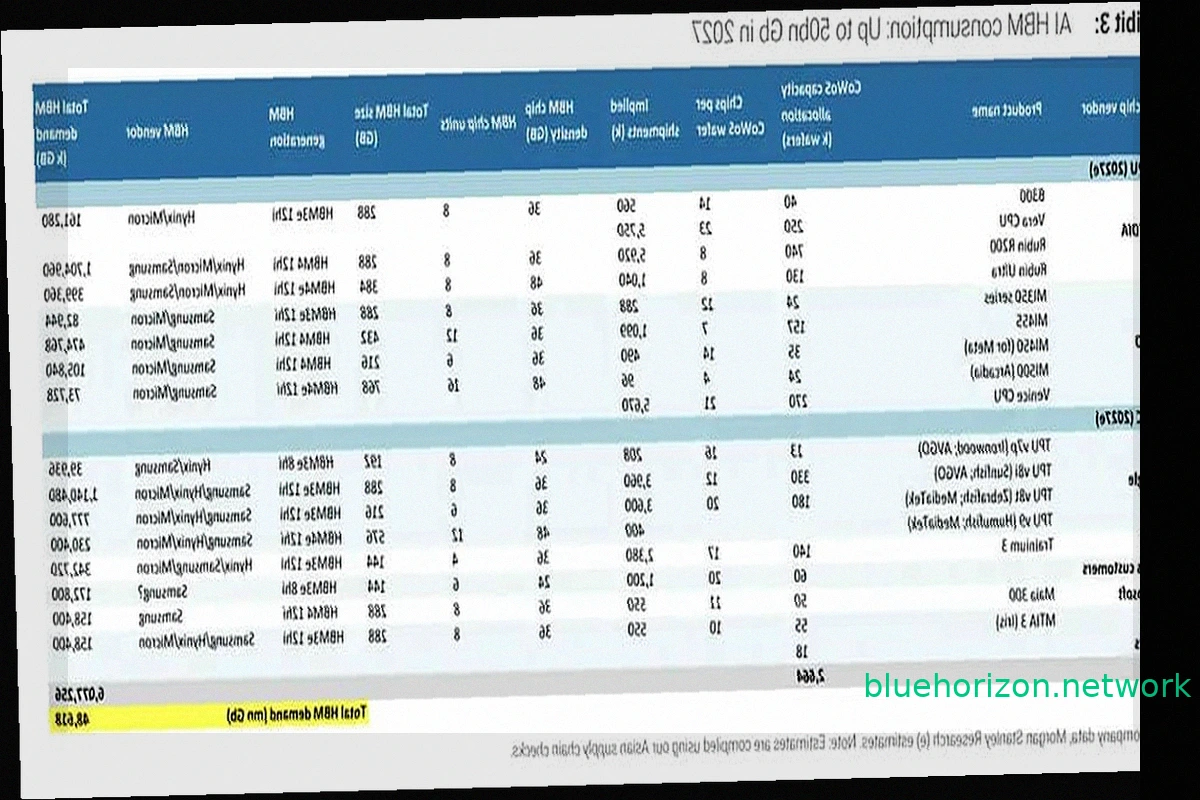
NVIDIA, Google, and AMD Poised to Control 85% of HBM Memory Demand by 2027
The "you'll own nothing and be happy" meme is finding a parallel in hardware, specifically memory. NVIDIA, Google, and AMD are set to command 85.4% of the global High Bandwidth Memory (HBM) demand by 2027, according to Morgan Stanley estimates. These three buyers will largely dictate the pace
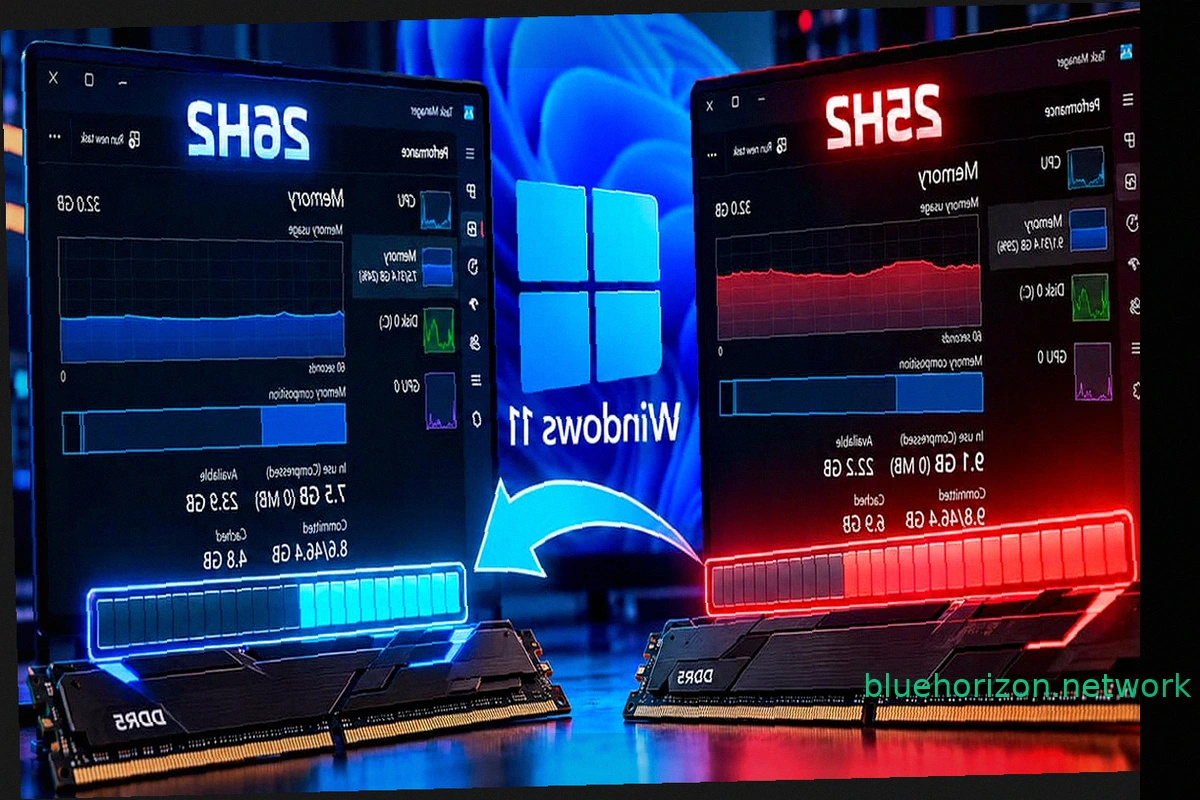
Windows 11 26H2 Reduces RAM Consumption by Up to 2 GB, But 8 GB Machines Still Struggle
Windows 11 26H2 is rolling out optimizations for RAM management. Some users report a noticeable decrease in RAM usage after installing this update, with certain systems showing a reduction of up to 2 GB compared to Windows 11 25H2 upon startup. However, initial findings suggest this improvemen

RTX 5090 fails with DLSS 5 after 48 hours for Chinese streamer
NVIDIA's RTX series introduced Tensor Cores, enabling technologies like DLSS. Early DLSS versions offered a noticeable drop in image quality compared to native resolution. DLSS 2 brought significant improvements, and DLSS 3 achieved parity or even superiority over native rendering. DLSS 4 cont