Microsoft Confirms: Windows 11 25H2 Is 24H2 with Previously Hidden Features Now Enabled
Microsoft has now openly acknowledged a significant shift in its Windows release strategy. Windows 11 25H2 does not introduce a new underlying operating system base; it features no distinct kernel or revised architecture. Instead, it is fundamentally the same operating system as Windows 11 24H2. The crucial difference lies in the activation of functionalities that were already integrated into 24H2 upon its release but remained disabled or hidden. This approach marks a clear departure from the traditional evolutionary updates Microsoft provided for decades, moving towards an operating system that is progressively built and 'unlocked' in stages.
It's understandable if this news has caught some by surprise, but the core concept is straightforward: Redmond delivers many improvements from the outset, simply keeping them concealed until a later 'version' release. A notable example was the native driver for NVMe SSDs, which was present but inactive.
Windows 11 25H2 Is Essentially 24H2 with Pre-Installed Hidden Features Activated
Microsoft's official update history unequivocally confirms this, requiring no interpretation. With Windows 11 24H2, the company referred to "continuous innovation," meaning changes were introduced progressively through cumulative updates. The approach for 25H2 is identical, but with these features now active by default. This confirms that both versions share the exact same foundation. In essence, Windows 11 25H2 is merely Windows 11 24H2 with its previously hidden features now enabled.
This implies that for months, possibly over a year, users of 24H2 have been running an OS that already contained almost all components of 25H2 internally. These were not visible or accessible, but they were certainly present. The version leap doesn't add significant new code; rather, it modifies internal system states to enable what was previously deactivated. Microsoft simply activates these functions with minimal patches, and nothing more substantial.
A New Update Model: Windows as a Continuous Service
This is where the concept of an enablement package fits in. We are not dealing with a large, heavy update, but a lightweight package that toggles flags within the system. This explains why installation is quick, requires only a single reboot, and doesn't fundamentally alter the OS's base behavior in terms of drivers, compatibility, or overall performance. This is because, at its core, nothing truly different is being introduced.
Technically, this model has several implications. Firstly, it virtually eliminates the risk of severe compatibility issues between versions, as all components have been incrementally integrated into 24H2 beforehand. Secondly, it allows Microsoft to test features in the background before mass activation (revisiting the NVMe driver example). Thirdly, it reduces maintenance costs, as all machines share a common code base.
This model also redefines what we understand by a "version" of Windows, akin to the old "Service Packs." They are no longer closed blocks with distinct changes, but rather activation points within a living system. The version number becomes more of an administrative reference than a technological one. Crucially, this means there are no inherent performance improvements. It implies that any claims of better performance, more FPS, or reduced stuttering from 24H2 to 25H2 would be impossible, as the core system remains unchanged.
The outcome is a Windows that evolves without dramatic visible leaps, but with significantly greater control by Microsoft over when and how new features appear. Given this understanding of Windows 11 24H2's hidden features becoming 25H2, it suggests that Windows 11 26H2 could follow the exact same pattern.
Fresh materials — Technology News
Google Pixel Devices Hit by Nightmare Bug: September Update Locks Out Some Users
Updating your phone should be a simple process: install, restart, and continue. But imagine completing the update, entering your usual unlock pattern, and the phone not even letting you finish it. Your photos and messages remain, but you're locked out. This is the predicament some Google Pixel
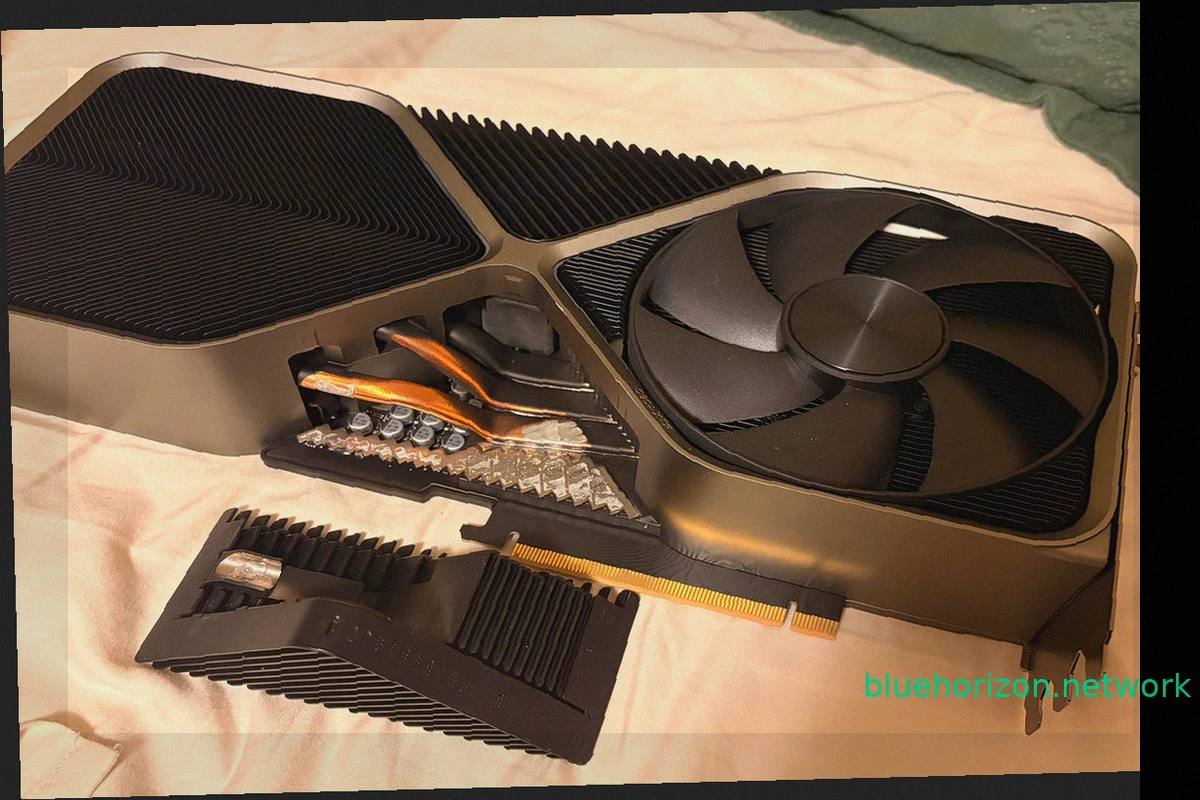
NVIDIA GeForce RTX 4090 Founders Edition Loses Part of Its Heatsink After Three Years
A NVIDIA GeForce RTX 4090 Founders Edition has presented an unusual problem, not with its power connector, but with its heatsink. This incident is unique, as a portion of the graphics card's massive heatsink literally detached while its owner was moving the computer. This wasn't a decorative c

Russian Missiles Strike Infrastructure of 1337x, Second Largest Torrent Tracker, Hitting Piracy
Russian missile attacks have damaged infrastructure belonging to popular torrent trackers like 1337x. Between September 23 and 27, 2026, Russia conducted strikes targeting data centers and communication facilities in Kyiv. These attacks temporarily disrupted internet access for approximately 1
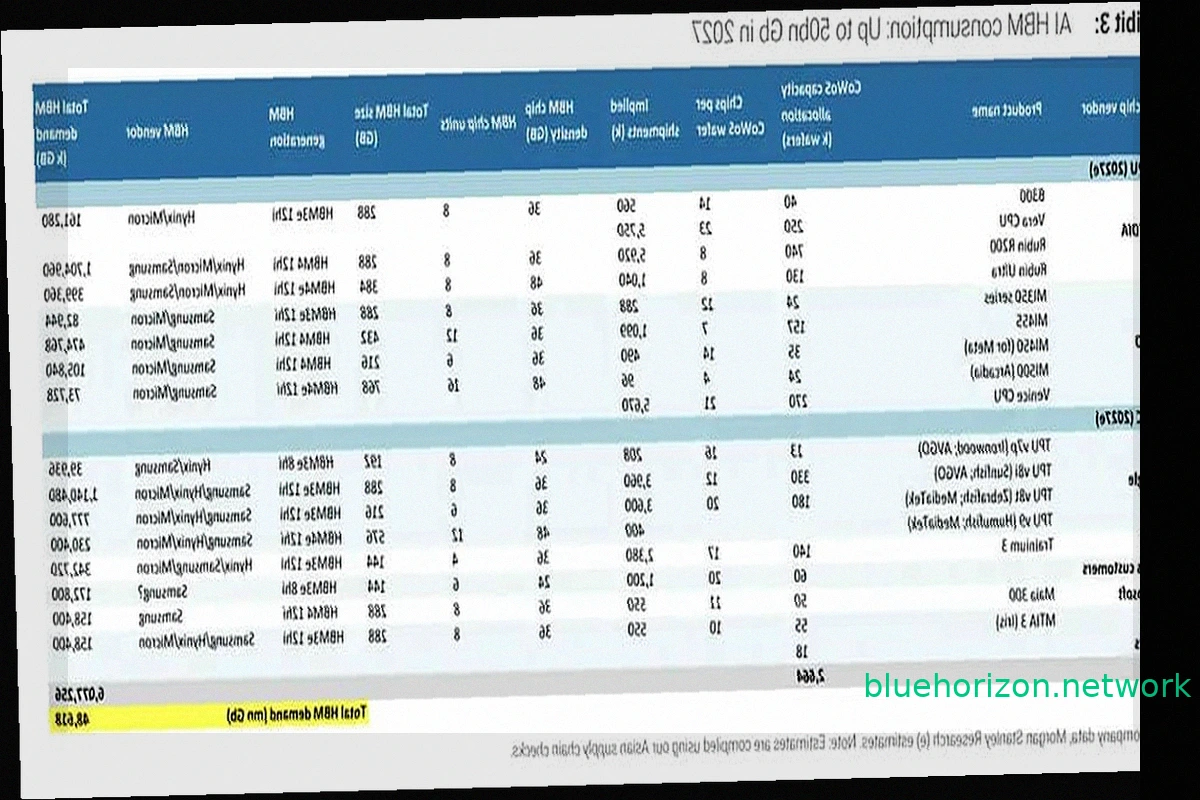
NVIDIA, Google, and AMD Poised to Control 85% of HBM Memory Demand by 2027
The "you'll own nothing and be happy" meme is finding a parallel in hardware, specifically memory. NVIDIA, Google, and AMD are set to command 85.4% of the global High Bandwidth Memory (HBM) demand by 2027, according to Morgan Stanley estimates. These three buyers will largely dictate the pace
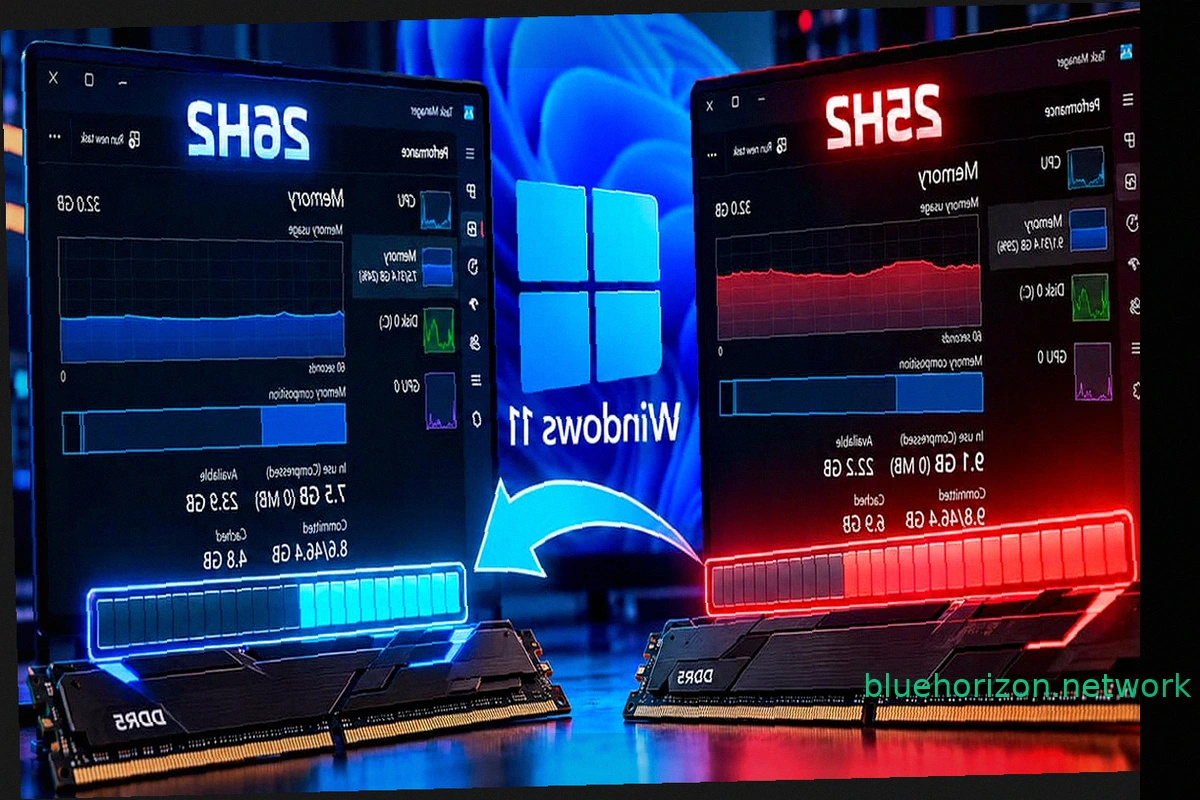
Windows 11 26H2 Reduces RAM Consumption by Up to 2 GB, But 8 GB Machines Still Struggle
Windows 11 26H2 is rolling out optimizations for RAM management. Some users report a noticeable decrease in RAM usage after installing this update, with certain systems showing a reduction of up to 2 GB compared to Windows 11 25H2 upon startup. However, initial findings suggest this improvemen

RTX 5090 fails with DLSS 5 after 48 hours for Chinese streamer
NVIDIA's RTX series introduced Tensor Cores, enabling technologies like DLSS. Early DLSS versions offered a noticeable drop in image quality compared to native resolution. DLSS 2 brought significant improvements, and DLSS 3 achieved parity or even superiority over native rendering. DLSS 4 cont