Microsoft Continues to Lose Money on Each Xbox Series X|S Sold Despite Price Hike
According to sources cited by Jez Corden of Windows Central, Microsoft is still incurring losses on every Xbox Series X|S console sold. This is particularly noteworthy as the company will continue to lose money even after implementing the new price increase scheduled for August 1, 2026. The so
According to sources cited by Jez Corden of Windows Central, Microsoft is still incurring losses on every Xbox Series X|S console sold. This is particularly noteworthy as the company will continue to lose money even after implementing the new price increase scheduled for August 1, 2026. The sources indicate that recent console shipments are generating losses of approximately $150 per unit, primarily driven by the rising cost of memory and storage. These memory prices have been increasing quarterly.
The company has previously acknowledged that these components have become more than 2.5 times more expensive in recent months. Microsoft anticipates that their prices will double again before Autumn 2027, suggesting that the recent price increase for the Xbox Series X|S may not be sufficient to restore profit margins or prevent future price adjustments. This also adds further pressure for the launch of a new generation of consoles with significantly more RAM, which will further impact costs.
The Price Increase of Up to $150 Will Not Eliminate Losses Per Xbox Series X|S Sold
Starting August 1st, Microsoft will increase the price of its consoles in the United States by $100 for 512 GB models and $150 for 1 TB models. Consequently, the 512 GB Xbox Series S will retail for $499.99, while the 1 TB variant will reach $599.99. Additionally, the digital Xbox Series X will rise to $749.99, and the model with a disc drive will cost $799.99. The special edition with a 2 TB SSD, known as the Xbox Series X Galaxy Black, has been discontinued.
Despite these price increases, sources assert that Microsoft will continue to sell new units below their manufacturing cost. Specifically, it is reported that Microsoft will lose about $150 on each Xbox Series X|S sold. However, this loss is stated to be tied only to the latest production batch, meaning consoles recently manufactured and affected by the most recent price hikes for RAM and SSDs.
Microsoft reiterates that selling consoles without direct hardware profit is a common practice. Closed platforms can recoup such investments through game sales, digital store commissions, accessories, and subscription services like Xbox Game Pass. The current challenge is that hardware cost increases are progressively widening the subsidy Microsoft provides for each console sold. This subsidy is now reaching levels that are becoming more difficult to compensate for.
An Open Xbox to Steam is Far From a Smart Revenue Move
Leaked information previously spoke of a next-generation Xbox console, codenamed Project Helix, capable of running Steam games. Microsoft presented this console as a hybrid platform between a console and a PC, able to run PC games and potentially compatible with external stores. However, in the current situation, allowing users to purchase directly from Steam would mean Microsoft absorbing hardware losses without subsequently earning revenue from software sales.
Internal data from the ROG Ally, obtained by Windows Central, helps to understand this risk. Approximately 75% of its owners are subscribed to Xbox Game Pass Ultimate or PC Game Pass. Among those not subscribed, around 25% purchase from the Xbox store when they already own a Microsoft console, but this proportion drops to a mere 2% among users who do not previously belong to the Xbox ecosystem. This implies that the vast majority would likely turn directly to Steam.
Microsoft would thus face a choice: either maintain Project Helix as a closed, subsidized platform through games and services, or negotiate revenue-sharing agreements with external stores. With memory and storage costs continuing to rise, simultaneously offering affordable hardware, an open ecosystem, and a profitable business appears increasingly challenging.
Fresh materials — Technology News
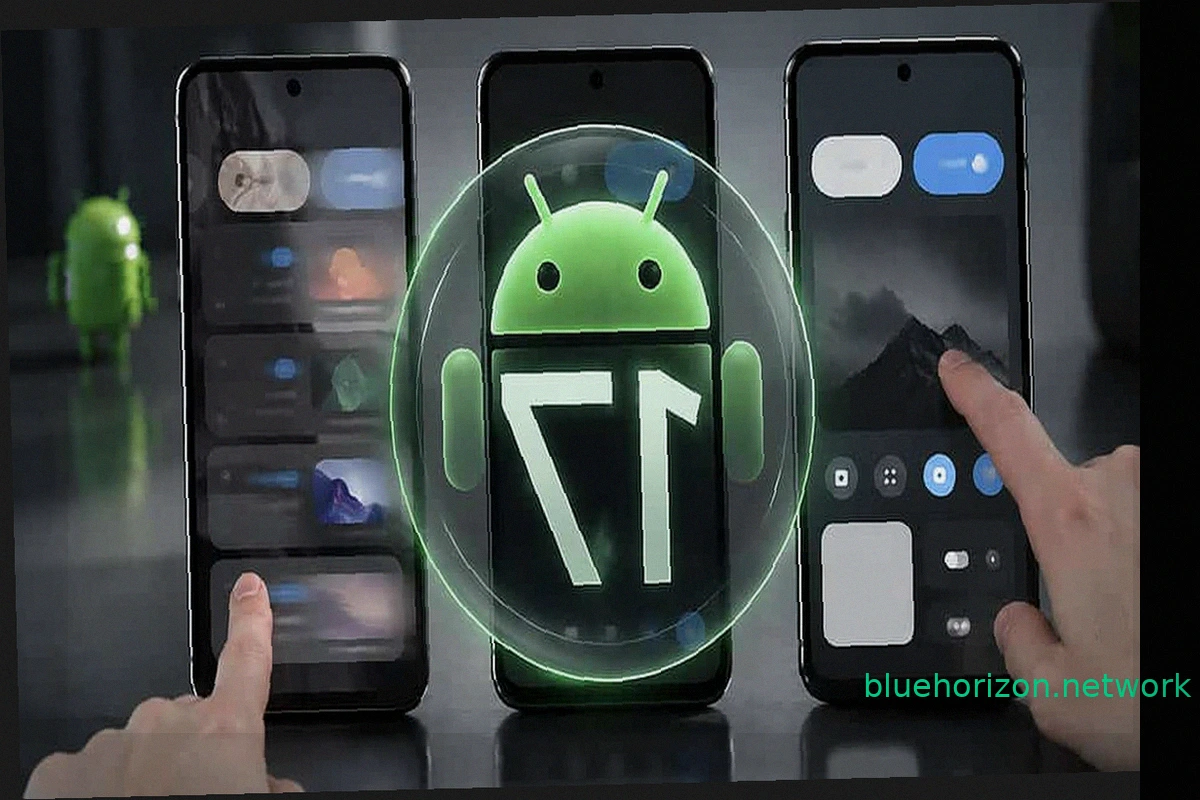
Google Pixel Devices Hit by Nightmare Bug: September Update Locks Out Some Users
Updating your phone should be a simple process: install, restart, and continue. But imagine completing the update, entering your usual unlock pattern, and the phone not even letting you finish it. Your photos and messages remain, but you're locked out. This is the predicament some Google Pixel
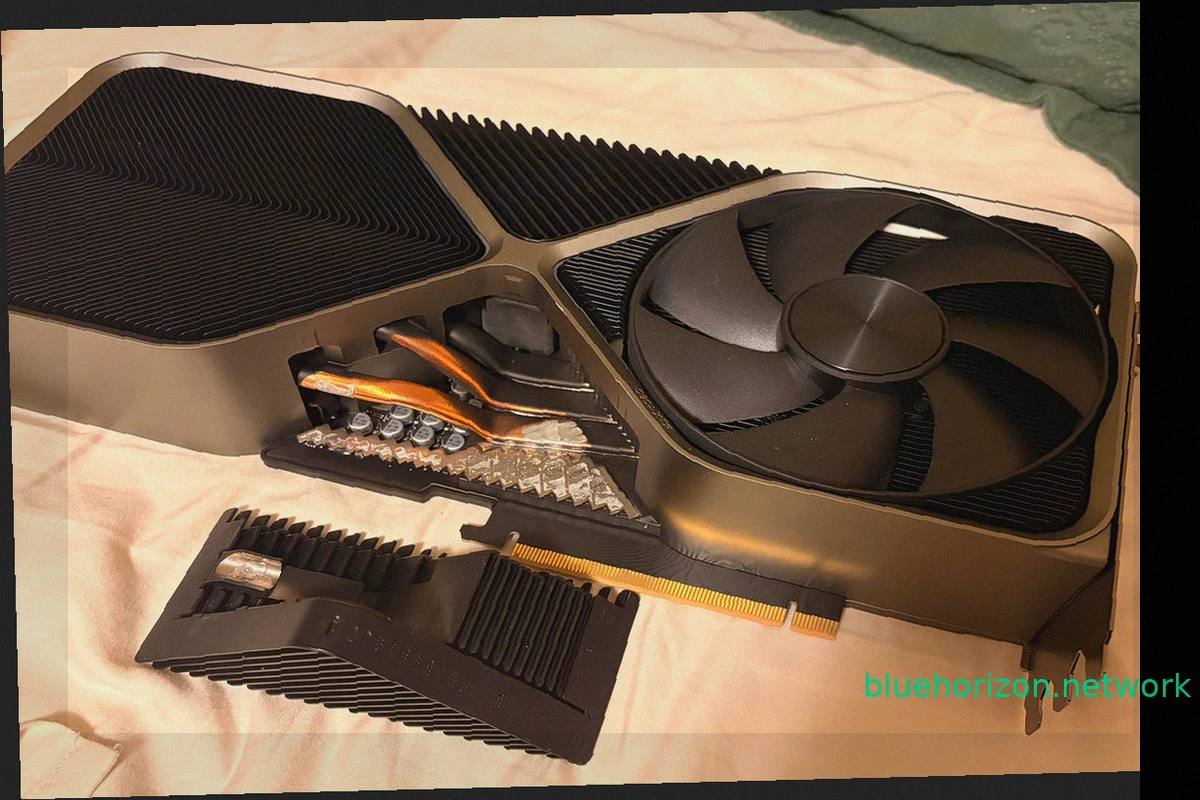
NVIDIA GeForce RTX 4090 Founders Edition Loses Part of Its Heatsink After Three Years
A NVIDIA GeForce RTX 4090 Founders Edition has presented an unusual problem, not with its power connector, but with its heatsink. This incident is unique, as a portion of the graphics card's massive heatsink literally detached while its owner was moving the computer. This wasn't a decorative c

Russian Missiles Strike Infrastructure of 1337x, Second Largest Torrent Tracker, Hitting Piracy
Russian missile attacks have damaged infrastructure belonging to popular torrent trackers like 1337x. Between September 23 and 27, 2026, Russia conducted strikes targeting data centers and communication facilities in Kyiv. These attacks temporarily disrupted internet access for approximately 1
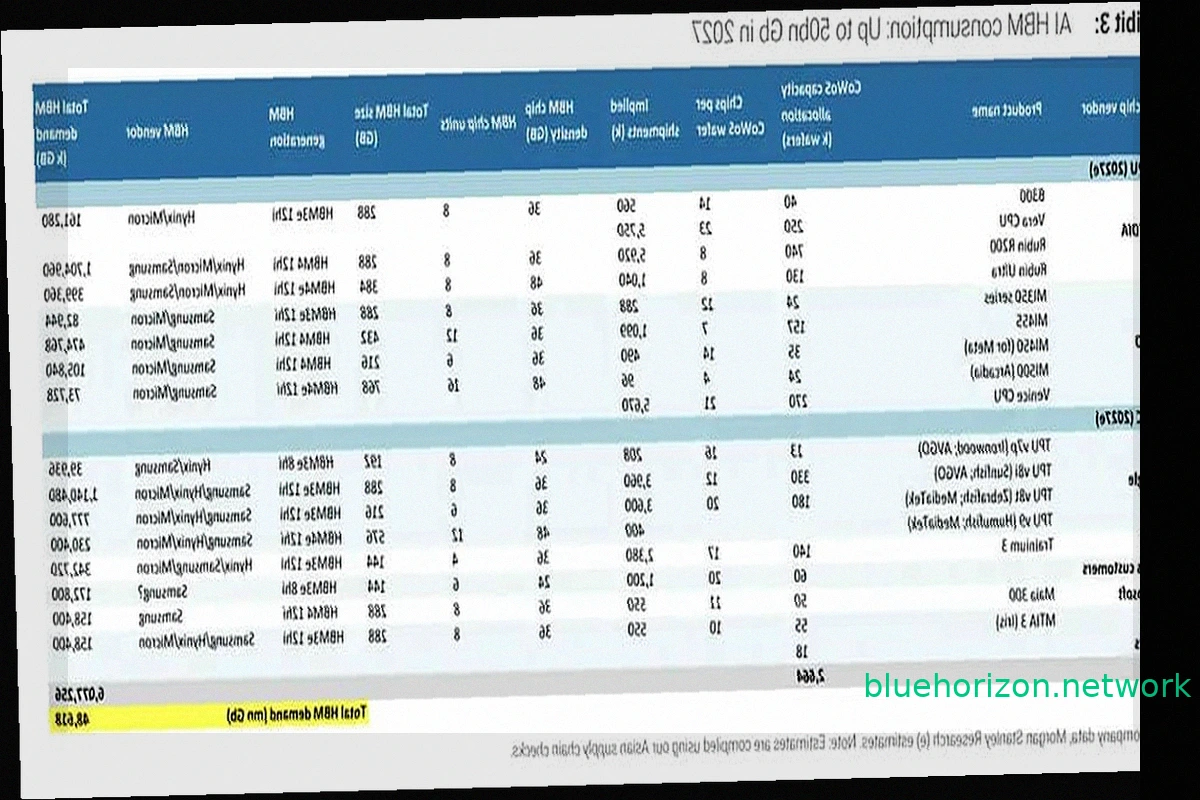
NVIDIA, Google, and AMD Poised to Control 85% of HBM Memory Demand by 2027
The "you'll own nothing and be happy" meme is finding a parallel in hardware, specifically memory. NVIDIA, Google, and AMD are set to command 85.4% of the global High Bandwidth Memory (HBM) demand by 2027, according to Morgan Stanley estimates. These three buyers will largely dictate the pace
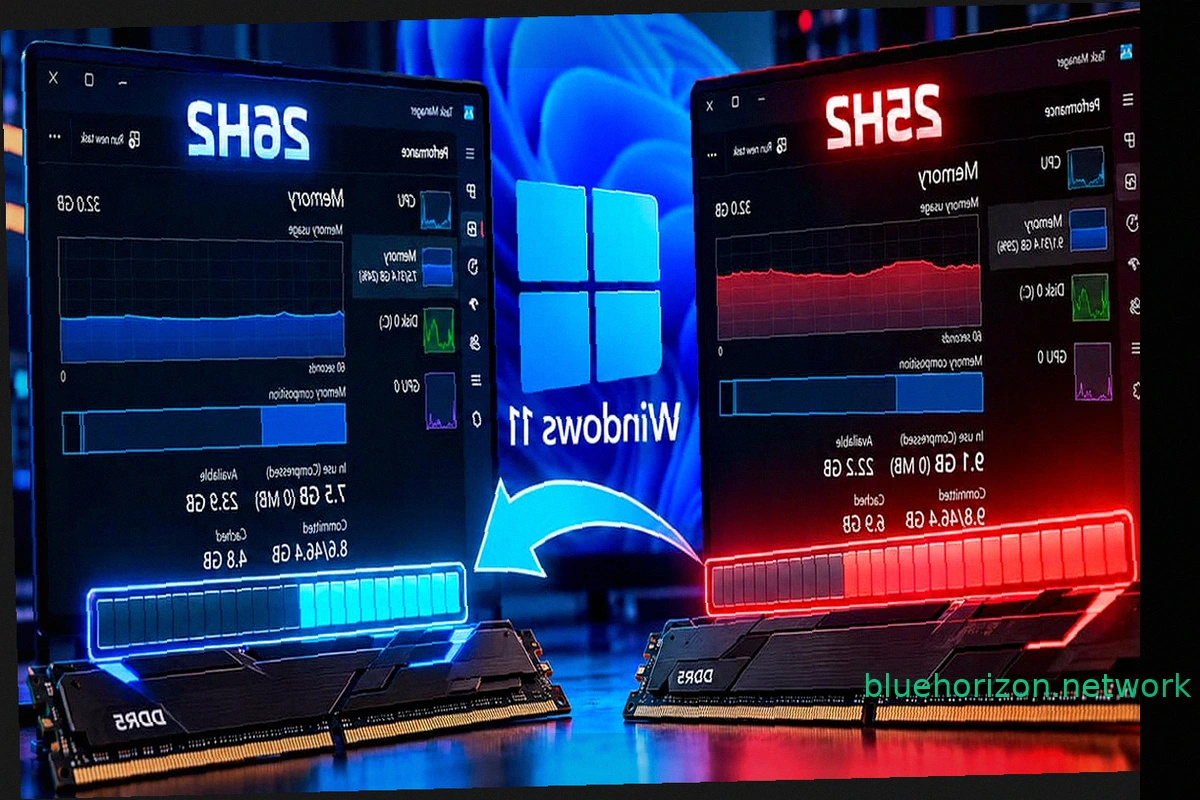
Windows 11 26H2 Reduces RAM Consumption by Up to 2 GB, But 8 GB Machines Still Struggle
Windows 11 26H2 is rolling out optimizations for RAM management. Some users report a noticeable decrease in RAM usage after installing this update, with certain systems showing a reduction of up to 2 GB compared to Windows 11 25H2 upon startup. However, initial findings suggest this improvemen

RTX 5090 fails with DLSS 5 after 48 hours for Chinese streamer
NVIDIA's RTX series introduced Tensor Cores, enabling technologies like DLSS. Early DLSS versions offered a noticeable drop in image quality compared to native resolution. DLSS 2 brought significant improvements, and DLSS 3 achieved parity or even superiority over native rendering. DLSS 4 cont