Microsoft Focuses on Spain with Lace Lithography to Develop ASML Alternative in Chip Manufacturing
Microsoft is directing its attention to Spain through an investment in Lace Lithography, a move that targets the very core of global semiconductor manufacturing: how chips are made. The immediate goal is not to compete with ASML – that would be impossible today – nor to establish fabs on the scale of TSMC, which is unfeasible. Instead, the aim is to enter a technological arena that proposes a fundamentally different approach. Crucially, Spain (and Norway) will join this future technological race, backed by Microsoft's investment fund, and Lace Lithography has now put these nations on the advanced tech map.
In an industry where lithography represents the most significant bottleneck, any viable alternative could have an immediate and far-reaching impact across the entire supply chain. This operation positions Spain within a segment of the tech sector where it seldom appears: foundational technology, and this time, it won't be relying on ultraviolet light.
Microsoft Arrives in Spain to Fund Lace Lithography in Pursuit of the Next-Generation ASML

While Microsoft does not manufacture chips itself, it is entirely reliant on them. Its Azure cloud services, Artificial Intelligence initiatives, and proprietary hardware designs necessitate working with cutting-edge nodes, which currently depend on TSMC and Intel, both heavily tied to ASML's technology.
This existing model, while functional, presents clear limitations: escalating costs, extreme complexity, and complete dependence on a single supplier for advanced lithography. It's crucial to remember that ASML holds a near-monopoly in lithography (similar to TSMC in manufacturing), a position earned not by a lack of alternatives, but by unparalleled talent, technology, performance, and cost efficiency.
This is where Lace Lithography comes in. The Norwegian company, with its Spanish subsidiary (Lace Compute SL), proposes moving away from the optical model based on Extreme Ultraviolet (EUV) light. Instead, it advocates for direct atomic-level manipulation using helium atoms. While there is no current mass production or industrial validation, the concept offers an idea that, if scaled, could fundamentally alter how chips are designed and manufactured. The true significance lies not in its current state, but in its potential future impact.
€40 Million Investment Aiming for Nanometer-Scale Fabrication

The objective is to enhance precision in defining structures below 5 nm, circumventing current EUV challenges such as multi-patterning and physical resolution limits. While production figures and yields are not yet available, this approach aims directly at competing in the 3 nm, 2 nm, and beyond range.
Reports indicate that Microsoft, through its M12 fund, will invest a substantial €40 million in Lace Lithography. They are not alone; the SETT (the government) and VC Atomico will also contribute funds, though their specific amounts have not been disclosed. Future Ventures is also noted as a participant in the project.

Regardless, there is clearly no immediate disruption to ASML's dominance or direct competition in current production. What is emerging is a potential alternative in a sector characterized by complete dependence, where the margin for error is shrinking. Indeed, Lace aims for a paradigm shift, recognizing that traditional lithography may no longer keep pace with industry demands.
The question remains: if current lithography continues to grow more expensive and complex, someone will need to provide another method for manufacturing chips. When that moment arrives, not all companies will be starting from the same position. It is hoped that, with this investment, Lace Lithography will become a viable option within a few decades, positioning Europe, Norway, and Spain as a competitor to the Netherlands, and a global player in advanced chip manufacturing.
Fresh materials — Technology News

Google Pixel Devices Hit by Nightmare Bug: September Update Locks Out Some Users
Updating your phone should be a simple process: install, restart, and continue. But imagine completing the update, entering your usual unlock pattern, and the phone not even letting you finish it. Your photos and messages remain, but you're locked out. This is the predicament some Google Pixel
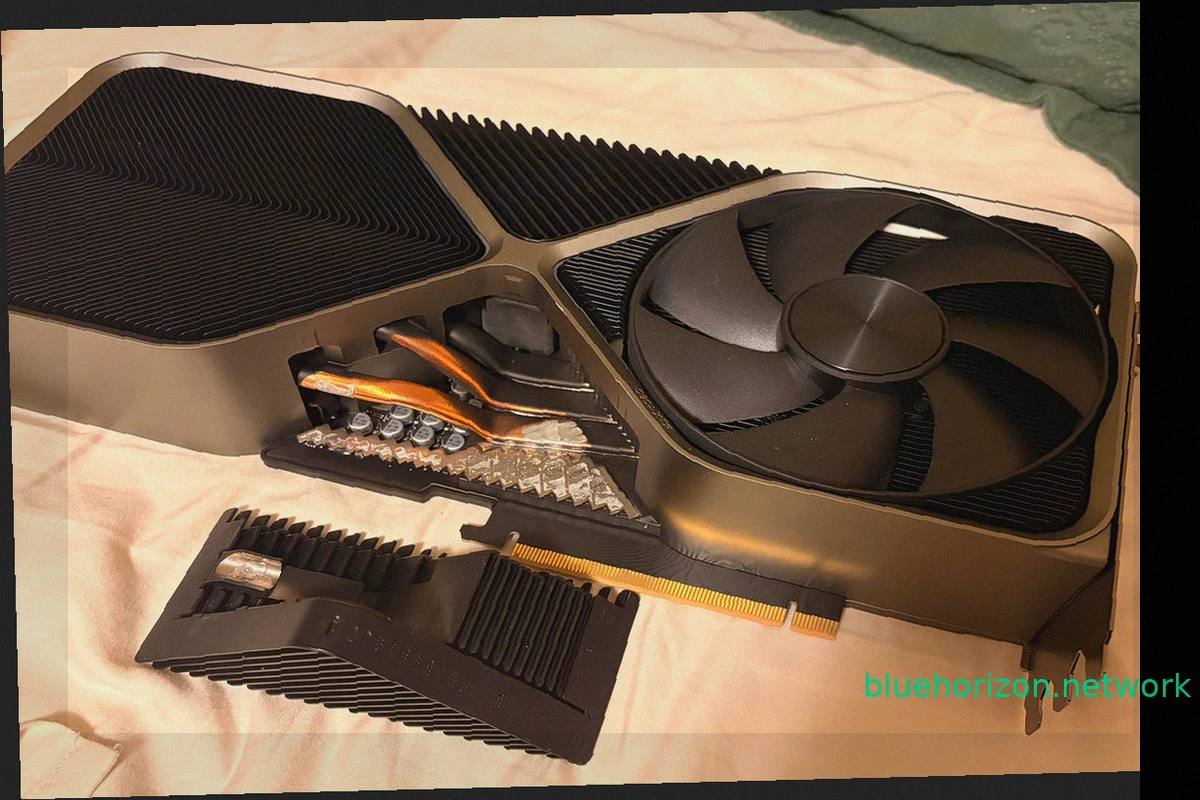
NVIDIA GeForce RTX 4090 Founders Edition Loses Part of Its Heatsink After Three Years
A NVIDIA GeForce RTX 4090 Founders Edition has presented an unusual problem, not with its power connector, but with its heatsink. This incident is unique, as a portion of the graphics card's massive heatsink literally detached while its owner was moving the computer. This wasn't a decorative c

Russian Missiles Strike Infrastructure of 1337x, Second Largest Torrent Tracker, Hitting Piracy
Russian missile attacks have damaged infrastructure belonging to popular torrent trackers like 1337x. Between September 23 and 27, 2026, Russia conducted strikes targeting data centers and communication facilities in Kyiv. These attacks temporarily disrupted internet access for approximately 1
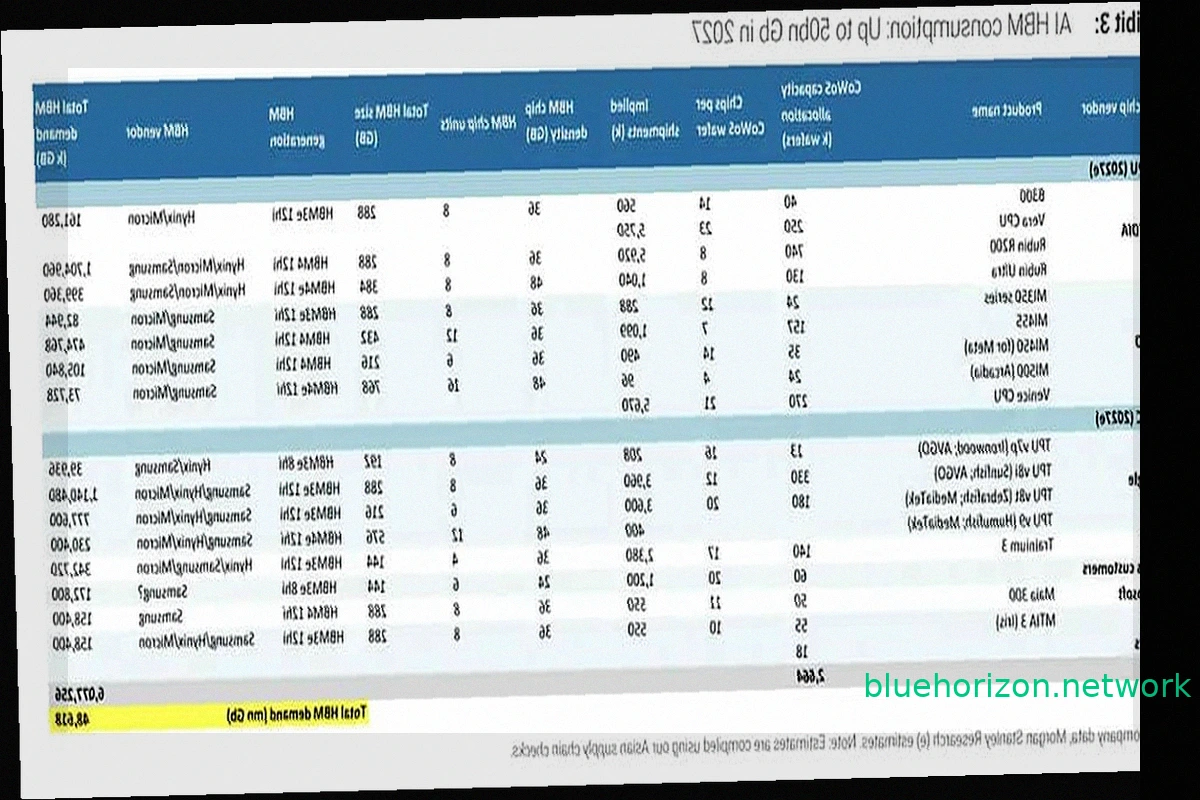
NVIDIA, Google, and AMD Poised to Control 85% of HBM Memory Demand by 2027
The "you'll own nothing and be happy" meme is finding a parallel in hardware, specifically memory. NVIDIA, Google, and AMD are set to command 85.4% of the global High Bandwidth Memory (HBM) demand by 2027, according to Morgan Stanley estimates. These three buyers will largely dictate the pace
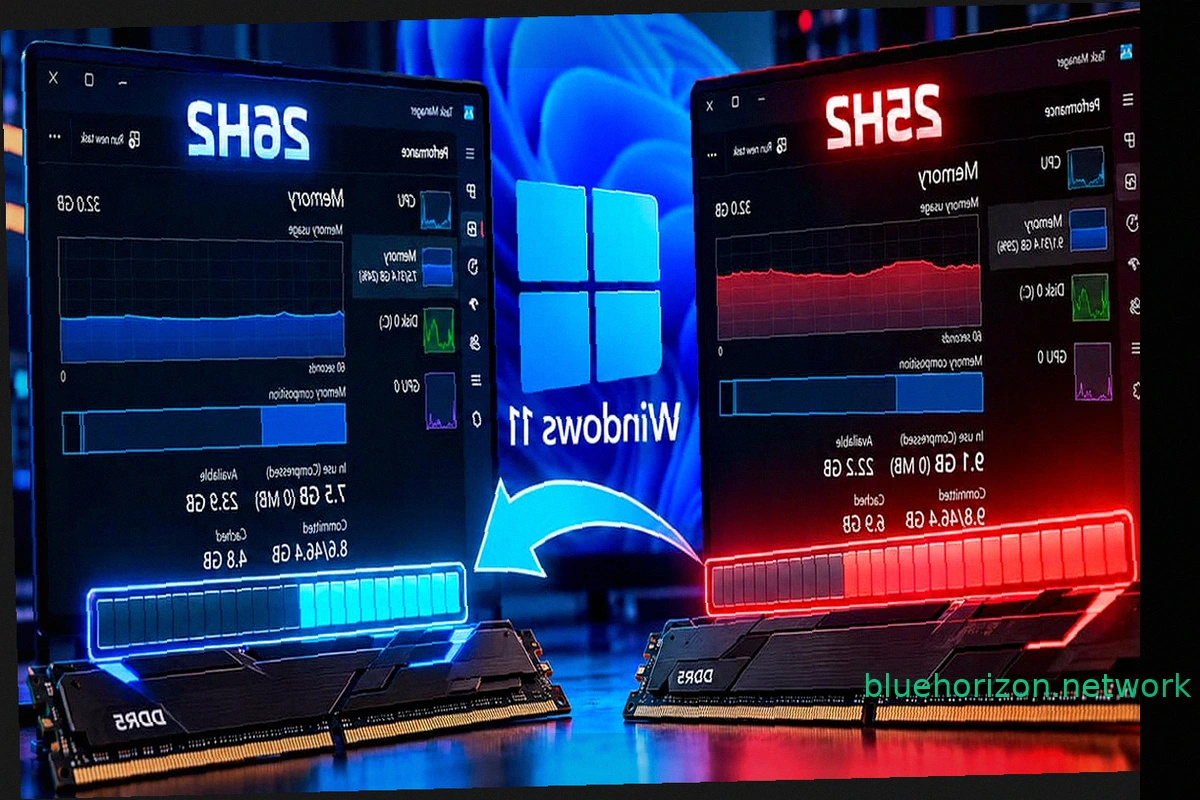
Windows 11 26H2 Reduces RAM Consumption by Up to 2 GB, But 8 GB Machines Still Struggle
Windows 11 26H2 is rolling out optimizations for RAM management. Some users report a noticeable decrease in RAM usage after installing this update, with certain systems showing a reduction of up to 2 GB compared to Windows 11 25H2 upon startup. However, initial findings suggest this improvemen
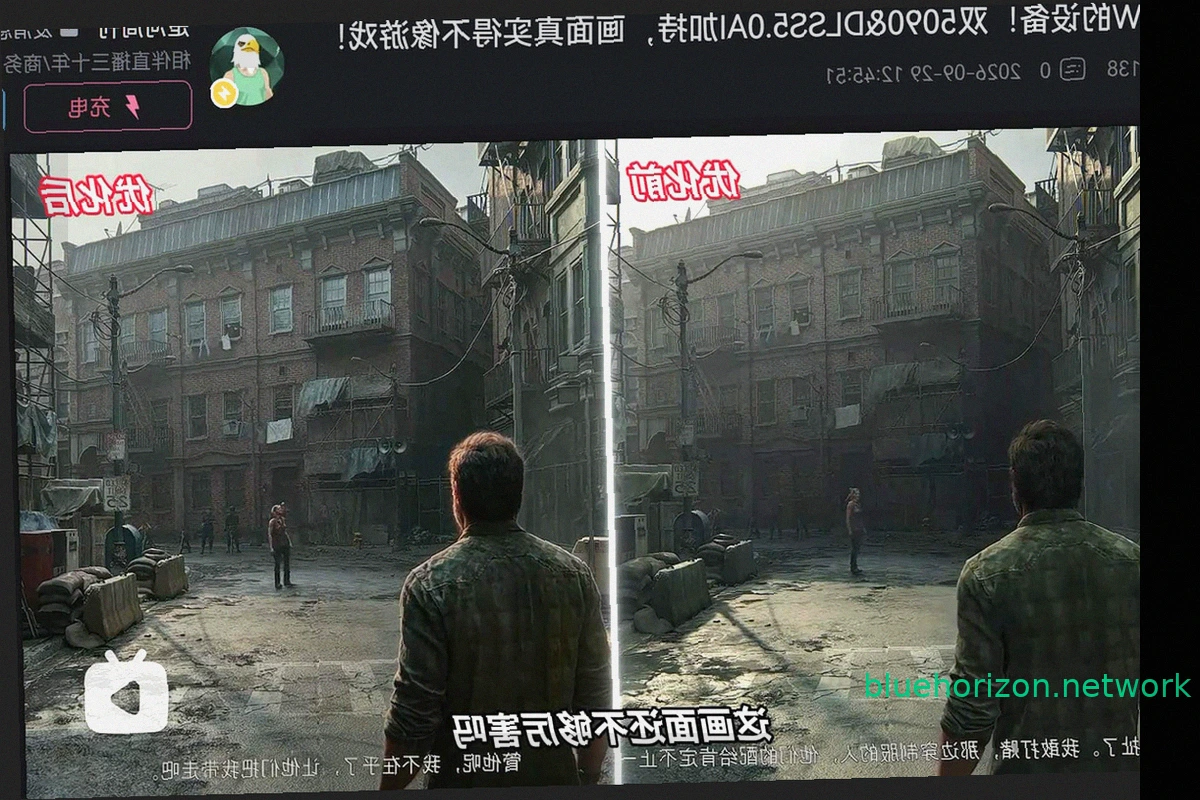
RTX 5090 fails with DLSS 5 after 48 hours for Chinese streamer
NVIDIA's RTX series introduced Tensor Cores, enabling technologies like DLSS. Early DLSS versions offered a noticeable drop in image quality compared to native resolution. DLSS 2 brought significant improvements, and DLSS 3 achieved parity or even superiority over native rendering. DLSS 4 cont