Microsoft Retira Actualización KB5079391 de Windows 11 por Fallos Graves
Microsoft se ha visto obligada a retirar una de sus últimas actualizaciones de Windows 11, la KB5079391, tras la detección de fallos graves en su instalación. Este incidente subraya una vez más la fragilidad del proceso de actualización, incluso para versi
Microsoft se ha visto obligada a retirar una de sus últimas actualizaciones de Windows 11, la KB5079391, tras la detección de fallos graves en su instalación. Este incidente subraya una vez más la fragilidad del proceso de actualización, incluso para versiones opcionales, ya que la preview destinada a mejorar el sistema operativo de los de Redmond terminó generando errores críticos que impidieron su correcta instalación y obligaron a su completa eliminación del canal de distribución.
La actualización prometía mejoras internas y una mayor estabilidad para el sistema, pero el resultado ha sido precisamente el contrario.
Microsoft Retira la Actualización KB5079391 por Fallos Graves en Windows 11
La KB5079391 estaba dirigida a las compilaciones 26100.8116 y 26200.8116 de Windows 11. Su objetivo principal era mejorar la fiabilidad del sistema de actualizaciones a través de cambios en la pila de servicio (SSU) y corregir errores específicos, como el conocido fallo ERROR_BAD_PATHNAME al instalar paquetes .msu desde rutas de red. En teoría, era una actualización técnica, sin grandes novedades visibles, diseñada para fortalecer el sistema desde dentro y satisfacer a los administradores de sistemas. Sin embargo, los problemas surgieron.
Tras su despliegue, comenzaron a reportarse graves problemas de instalación en numerosos equipos, destacando el error 0x80073712, un código clásico que indica archivos faltantes o corruptos en el sistema operativo. Esto generó un considerable revuelo en foros de todo el mundo.
Este fallo no solo impidió la finalización de la actualización, sino que en varios casos dejó el sistema atrapado en ciclos repetidos de instalación fallida, creando una situación sumamente incómoda para los usuarios.
Investigaciones en Curso: Microsoft Aún Desconoce el Origen del Problema
La magnitud del problema ha sido tal que Microsoft tomó la decisión, poco común para actualizaciones de este tipo, de retirar completamente la KB5079391 de Windows Update. Esto significa que ya no está disponible para descarga ni aparece como opción para los usuarios, una medida que solo se toma cuando un fallo está lo suficientemente extendido como para afectar a un volumen significativo de equipos.
Desde Microsoft, se ha confirmado la pausa del despliegue para evitar mayores impactos mientras se investiga el origen del problema. Esto evidencia que la actualización salió al público sin estar lo suficientemente pulida, algo que, aunque no debería sorprender tratándose de una preview opcional, sí preocupa por la recurrencia de estos escenarios.
Resulta irónico que una actualización diseñada precisamente para mejorar el sistema de instalación de otras actualizaciones haya terminado rompiéndolo. Este es un ejemplo claro de cómo el ecosistema de Windows Update sigue presentando puntos débiles, incluso en cambios que, en teoría, deberían ser completamente transparentes para el usuario.
La recomendación actual es no instalarla si aún no lo ha hecho. Si ya la instaló y experimentó problemas, la única opción es esperar a que Microsoft publique una versión corregida. Mientras tanto, la sensación predominante es la de siempre: cada actualización de Windows sigue siendo una pequeña lotería, y el caso de la KB5079391, tras su retirada, lo deja aún más en evidencia.
Microsoft Pulls KB5079391 Windows 11 Update Due to Critical Installation Errors
Microsoft has been forced to withdraw one of its latest Windows 11 updates, KB5079391, following the detection of severe installation failures. This incident once again highlights the fragility of the update process, even for optional versions, as the preview intended to refine Redmond's operating system ended up causing critical errors that prevented its proper installation and necessitated its complete removal from the distribution channel.
The update promised internal enhancements and increased system stability, but the outcome was precisely the opposite.
Microsoft Withdraws KB5079391 Update Due to Serious Windows 11 Failures
KB5079391 was aimed at Windows 11 builds 26100.8116 and 26200.8116. Its primary goal was to improve the reliability of the update system through changes in the service stack unit (SSU) and to correct specific errors, such as the well-known ERROR_BAD_PATHNAME failure when installing .msu packages from network paths. In theory, it was a technical update, without major visible novelties, designed to strengthen the system from within and satisfy system administrators. However, problems arose.
Following its deployment, serious installation problems began to be reported on numerous computers, notably error 0x80073712, a classic code indicating missing or corrupt operating system files. This caused considerable commotion in forums worldwide.
This failure not only prevented the update from completing but also, in several cases, trapped the system in repeated failed installation cycles, creating a highly inconvenient situation for users.
Investigations Underway: Microsoft Still Unaware of the Problem's Origin
The severity of the problem was such that Microsoft made the unusual decision for updates of this type to completely withdraw KB5079391 from Windows Update. This means it is no longer available for download or appears as an option for users, a measure only taken when a flaw is widespread enough to affect a significant volume of machines.
Microsoft has confirmed the deployment pause to prevent further impact while investigating the problem's origin. This demonstrates that the update was released to the public without being sufficiently polished, which, while perhaps not surprising for an optional preview, is concerning due to the recurrence of such scenarios.
It is ironic that an update specifically designed to improve the update installation system ended up breaking it. This is a clear example of how the Windows Update ecosystem continues to present weaknesses, even in changes that, in theory, should be completely transparent to the user.
The current recommendation is not to install it if you haven't already. If you have installed it and experienced problems, the only option is to wait for Microsoft to release a corrected version. Meanwhile, the prevailing sentiment remains the same: every Windows update continues to be a small lottery, and the case of KB5079391, following its withdrawal, makes this even more evident.
Fresh materials — Technology News

Google Pixel Devices Hit by Nightmare Bug: September Update Locks Out Some Users
Updating your phone should be a simple process: install, restart, and continue. But imagine completing the update, entering your usual unlock pattern, and the phone not even letting you finish it. Your photos and messages remain, but you're locked out. This is the predicament some Google Pixel
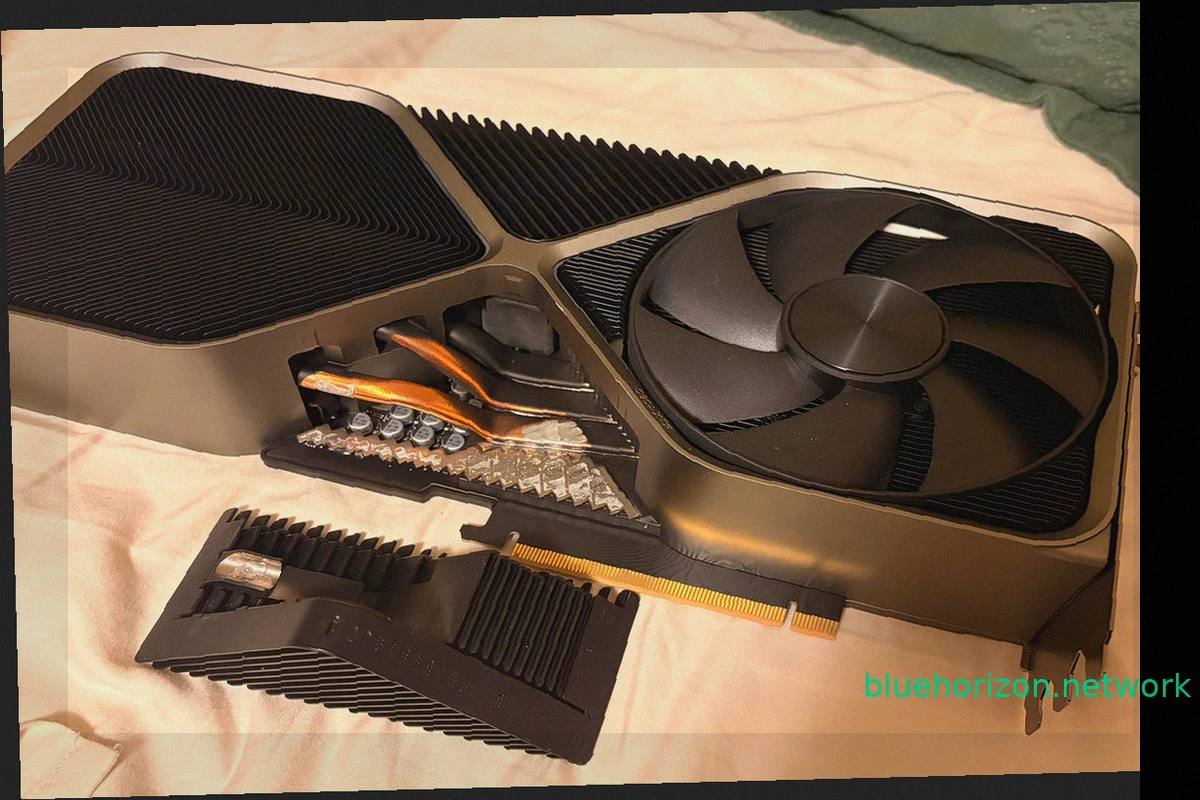
NVIDIA GeForce RTX 4090 Founders Edition Loses Part of Its Heatsink After Three Years
A NVIDIA GeForce RTX 4090 Founders Edition has presented an unusual problem, not with its power connector, but with its heatsink. This incident is unique, as a portion of the graphics card's massive heatsink literally detached while its owner was moving the computer. This wasn't a decorative c

Russian Missiles Strike Infrastructure of 1337x, Second Largest Torrent Tracker, Hitting Piracy
Russian missile attacks have damaged infrastructure belonging to popular torrent trackers like 1337x. Between September 23 and 27, 2026, Russia conducted strikes targeting data centers and communication facilities in Kyiv. These attacks temporarily disrupted internet access for approximately 1
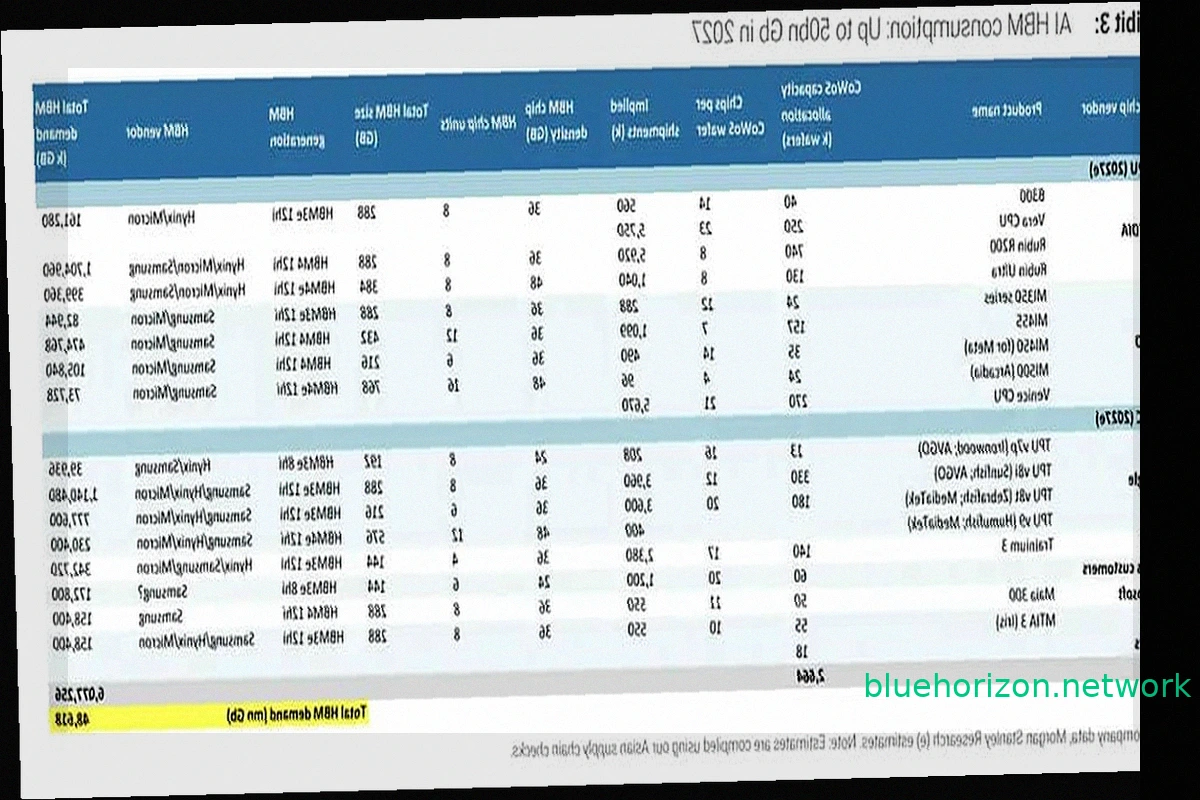
NVIDIA, Google, and AMD Poised to Control 85% of HBM Memory Demand by 2027
The "you'll own nothing and be happy" meme is finding a parallel in hardware, specifically memory. NVIDIA, Google, and AMD are set to command 85.4% of the global High Bandwidth Memory (HBM) demand by 2027, according to Morgan Stanley estimates. These three buyers will largely dictate the pace
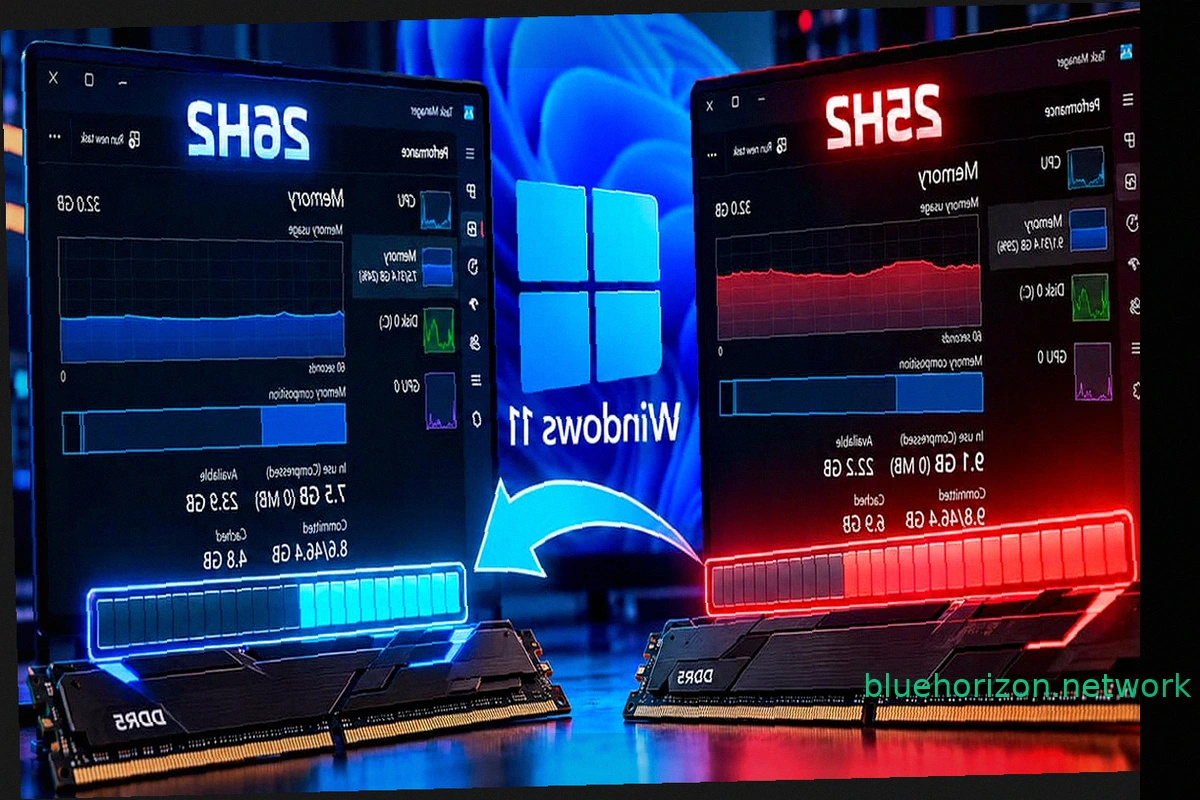
Windows 11 26H2 Reduces RAM Consumption by Up to 2 GB, But 8 GB Machines Still Struggle
Windows 11 26H2 is rolling out optimizations for RAM management. Some users report a noticeable decrease in RAM usage after installing this update, with certain systems showing a reduction of up to 2 GB compared to Windows 11 25H2 upon startup. However, initial findings suggest this improvemen

RTX 5090 fails with DLSS 5 after 48 hours for Chinese streamer
NVIDIA's RTX series introduced Tensor Cores, enabling technologies like DLSS. Early DLSS versions offered a noticeable drop in image quality compared to native resolution. DLSS 2 brought significant improvements, and DLSS 3 achieved parity or even superiority over native rendering. DLSS 4 cont