Microsoft to Utilize TPM Module for Verifying Legal Windows Usage and KMS Activations
Microsoft is preparing to strengthen its Windows activation system by incorporating the Trusted Platform Module (TPM). The TPM, a crucial 'chip' also mandated for Windows 11 and next-generation multiplayer games, will be employed to detect users with illegitimate Windows licenses on their PCs. Specifically, Microsoft will use the cryptographic certification provided by this component to verify that Key Management Service (KMS) servers used by companies and organizations are running on legitimate, identified, and apparently tamper-free hardware.
This measure is inevitably viewed as an anti-piracy move because KMS also serves as the foundation for numerous tools that activate Windows without a license by simulating a connection to an organization. By linking the activation server to credentials stored in the TPM, Microsoft aims to make it significantly more difficult to clone, falsify, or emulate legitimate KMS infrastructure through software. However, this change does not imply that the TPM will individually inspect every PC, nor that Microsoft will eliminate all pirated Windows copies overnight. At least, not for now.
Microsoft Turns TPM into the Identity Certificate for KMS Servers
KMS is the system commonly used by companies, administrations, and other organizations to activate large quantities of Windows devices. Instead of connecting each computer directly to Microsoft's activation servers, these entities install an internal KMS server that receives requests from devices on their network and validates their volume licenses. This greatly simplifies managing hundreds or thousands of machines but also makes the central server a particularly sensitive component.
The current issue is that the model heavily relies on Windows trusting the KMS server software. Illegal activators, such as KSMpico, exploit this design precisely to run fake servers, clone valid configurations, or emulate their responses locally. This leads the computer to believe it is communicating with a company's license server and accepts an activation that, in reality, does not correspond to any license purchased by the user.
To close this loophole, Microsoft is introducing KMS Hardware-Secured, which will require the server to prove its identity through a TPM-backed certification. The host will send cryptographic evidence linked to its hardware, and these credentials will also be used to verify if the platform has been tampered with. Only after successfully passing this validation will it be able to handle requests and activate the organization's Windows devices, thus shifting trust from a purely software-based check to a physical root of trust.
Windows Server 2025 Will Begin Notifying Users in August About TPM Certification
Windows will not suddenly notify you that you are using an illegally activated version. For example, starting in August 2026, Windows Server 2025 will begin displaying messages. These messages will indicate whether a system is prepared to function as a hardware-secured KMS server. Administrators will be able to check this status using the slmgr /dlv command, and incompatibilities will also be logged as warnings within the Key Management Service logs. During this initial phase, these will be preparation notices only and will not block activations.
TPM certification will become mandatory with the next LTSC version of Windows Server, although Microsoft has not yet officially specified which version this will be or its release date. Organizations will need to ensure their servers have an accessible, correctly enabled TPM compatible with key certification. In some cases, adjusting firmware settings will suffice, but older installations or certain virtual machines might require platform changes or even hardware upgrades.
For home users with a standard Windows 10 or Windows 11 license, the change will not have direct consequences, for now. Microsoft is not announcing a new TPM check for every PC to determine if its copy is legitimate, but rather an authentication system for enterprise KMS servers. This measure may sideline numerous activators that rely on fake KMS servers, but it will not necessarily affect other piracy methods that do not use this infrastructure. Therefore, it represents a significant blow against one of the classic avenues of illegal activation, but not the definitive end of Windows piracy.
Fresh materials — Technology News

Google Wins AI Overviews Legal Battle Against Publishers
Google secured a significant court victory in the United States against publishers accusing the company of using their content to power AI Overviews. The core of the lawsuits was that these AI-generated summaries reduce website traffic. Federal Judge Amit P. Mehta of the District Court of Colu

Germany Launches Gaming-Focused Electricity Tariff with Consumption Rewards
German energy provider SWK Energie has introduced an unusual market segment for electricity: gamers. The company is promoting "meinGAMING," an electricity tariff designed for households with high energy consumption, specifically targeting gamers with powerful computers, streamers, and users wit

RuneScape 4 Announced: A New MMORPG Built on Unreal Engine
Jagex revealed RuneScape 4 (RS4) at RuneFest 2026. This new MMORPG, currently a working title, will be the fourth generation in the RuneScape franchise. The significant technological shift for this installment is its development on the Unreal Engine. While the specific version isn't confirmed, it
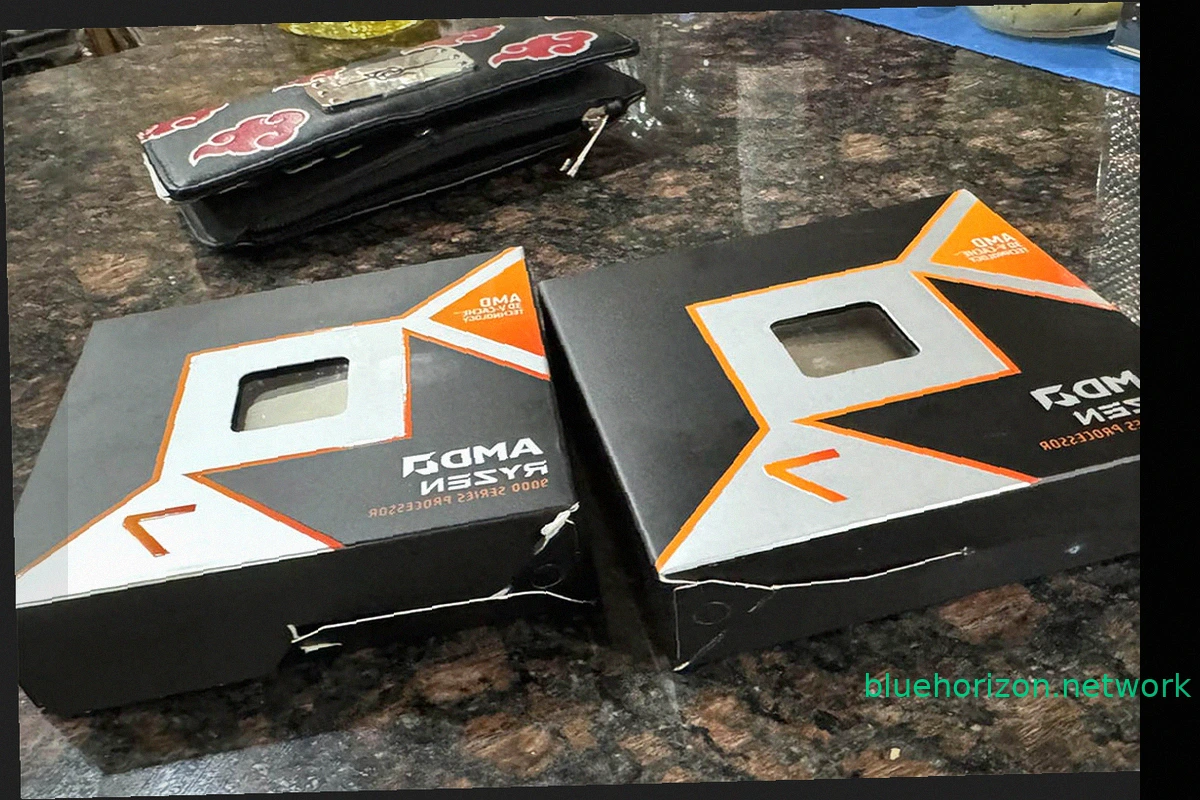
Ryzen 9850X3D Order Mix-Up: User Receives Intel Core i3-3220s Instead
AMD's gaming dominance, solidified by the Ryzen 7 7800X3D and its successor the 9800X3D, left Intel without comparable options. The subsequent release of the slightly faster Ryzen 9850X3D further cemented this lead. These processors are highly sought after by gamers. However, a recent Amazon o
Google Pixel Devices Hit by Nightmare Bug: September Update Locks Out Some Users
Updating your phone should be a simple process: install, restart, and continue. But imagine completing the update, entering your usual unlock pattern, and the phone not even letting you finish it. Your photos and messages remain, but you're locked out. This is the predicament some Google Pixel
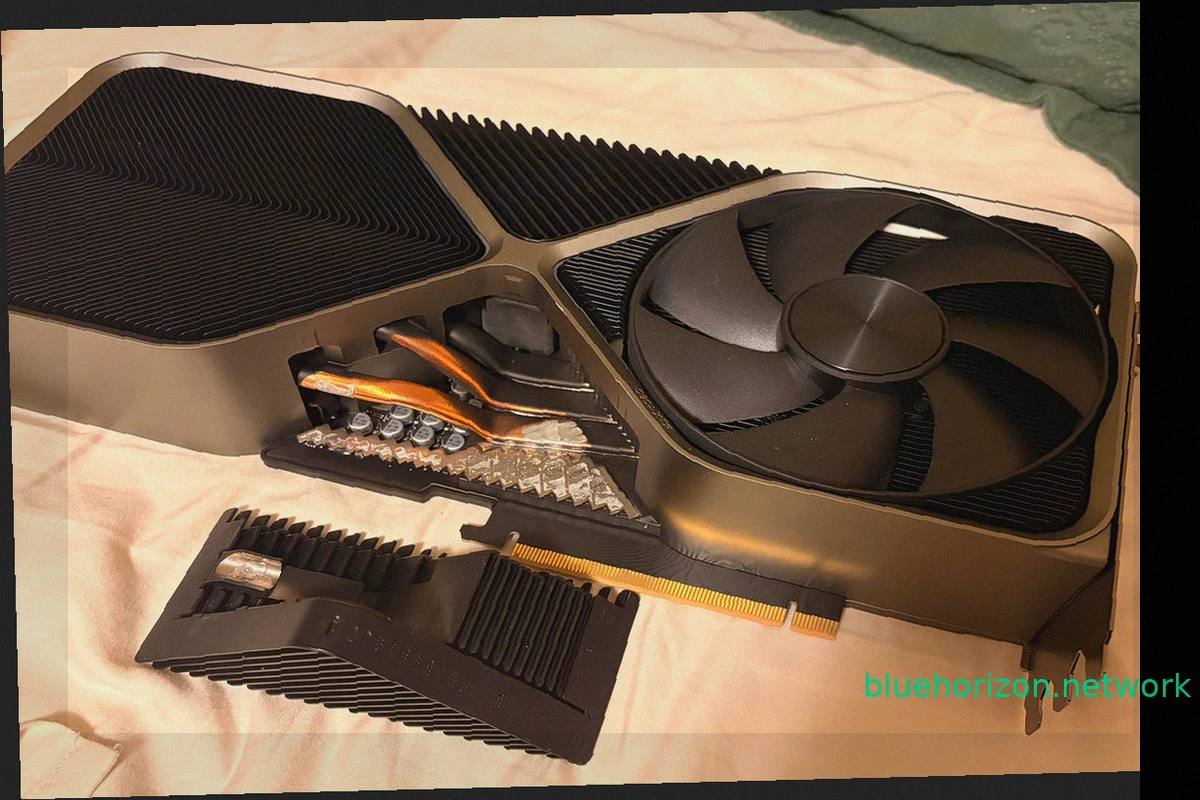
NVIDIA GeForce RTX 4090 Founders Edition Loses Part of Its Heatsink After Three Years
A NVIDIA GeForce RTX 4090 Founders Edition has presented an unusual problem, not with its power connector, but with its heatsink. This incident is unique, as a portion of the graphics card's massive heatsink literally detached while its owner was moving the computer. This wasn't a decorative c