MIT’s Portable Projector: Instant Design Canvas with Invisible Ink
Imagine being able to instantly transform the appearance of your clothes, furniture, or even entire walls, much like you'd update your phone's wallpaper.
This vision is becoming a reality thanks to researchers at MIT, who have developed a system called ChromoLCD. This portable device is capable of "printing" high-resolution designs onto various everyday items, utilizing light and a unique invisible ink.
Created within MIT's Computer Science and Artificial Intelligence Laboratory (CSAIL), ChromoLCD operates with the simplicity of a stamp. Users can upload an image, position the device on their chosen surface, and it seamlessly applies the desired design without requiring complex setup or intricate modeling.
How ChromoLCD Utilizes Light to Redesign Physical Objects
ChromoLCD's core innovation lies in its combination of LCD technology and LED illumination. The process begins by mapping an image in monochrome, followed by the application of ultraviolet light to activate a photochromic dye present on the surface. Subsequently, red, green, and blue light are layered to introduce full color and intricate details.

This innovative method allows ChromoLCD to project high-resolution graphics onto a variety of surfaces, including apparel, furnishings, and whiteboards. Given the relatively low cost of its components, researchers suggest that even enthusiasts could potentially replicate the system.
The development team comprises MIT researchers Yunyi Zhu, Qingyuan Li, and Stefanie Mueller, who are actively investigating the broader applications and potential of this concept.
The Transformative Potential for Personalization
ChromoLCD's primary benefit is its unparalleled flexibility. It frees users from being tied to a single design, enabling them to change visuals at will. This capability has the potential to revolutionize sectors such as fashion and home decor, fields where custom personalization traditionally demands significant time, expense, and labor.

Researchers are already investigating methods to scale ChromoLCD for larger applications, such as entire walls, potentially through a roller-based design. Furthermore, they are exploring how robotic systems could integrate this technology for dynamic graphic displays or visual communication.
MIT's development of ChromoLCD is a progression from prior systems like PortaChrome and PhotoChromeleon, all sharing the goal of making the physical environment more adaptable. Currently, users are required to upload or create their own designs, but this interaction method is expected to evolve.
Driven by advancements in artificial intelligence, researchers envision a future where users can simply articulate their desired design, and AI will instantaneously generate a print-ready visual.
Fresh materials — Technology News

Google Pixel Devices Hit by Nightmare Bug: September Update Locks Out Some Users
Updating your phone should be a simple process: install, restart, and continue. But imagine completing the update, entering your usual unlock pattern, and the phone not even letting you finish it. Your photos and messages remain, but you're locked out. This is the predicament some Google Pixel
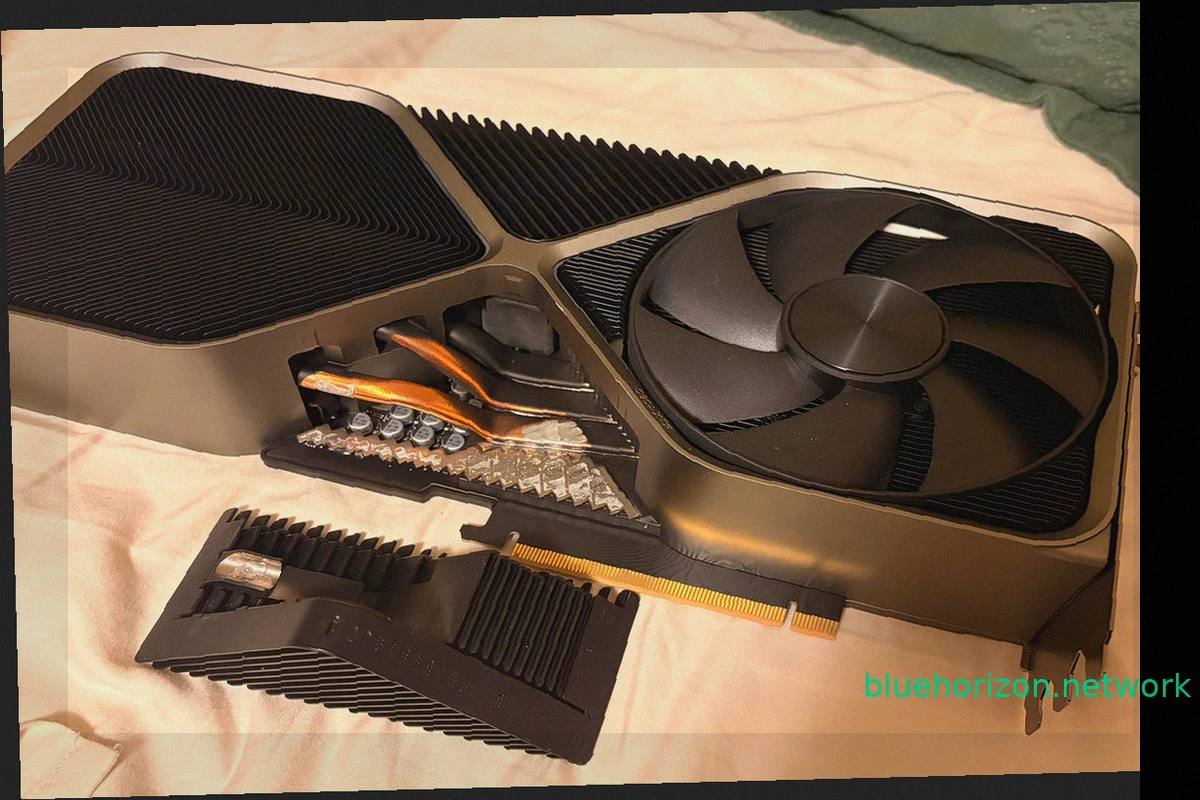
NVIDIA GeForce RTX 4090 Founders Edition Loses Part of Its Heatsink After Three Years
A NVIDIA GeForce RTX 4090 Founders Edition has presented an unusual problem, not with its power connector, but with its heatsink. This incident is unique, as a portion of the graphics card's massive heatsink literally detached while its owner was moving the computer. This wasn't a decorative c

Russian Missiles Strike Infrastructure of 1337x, Second Largest Torrent Tracker, Hitting Piracy
Russian missile attacks have damaged infrastructure belonging to popular torrent trackers like 1337x. Between September 23 and 27, 2026, Russia conducted strikes targeting data centers and communication facilities in Kyiv. These attacks temporarily disrupted internet access for approximately 1
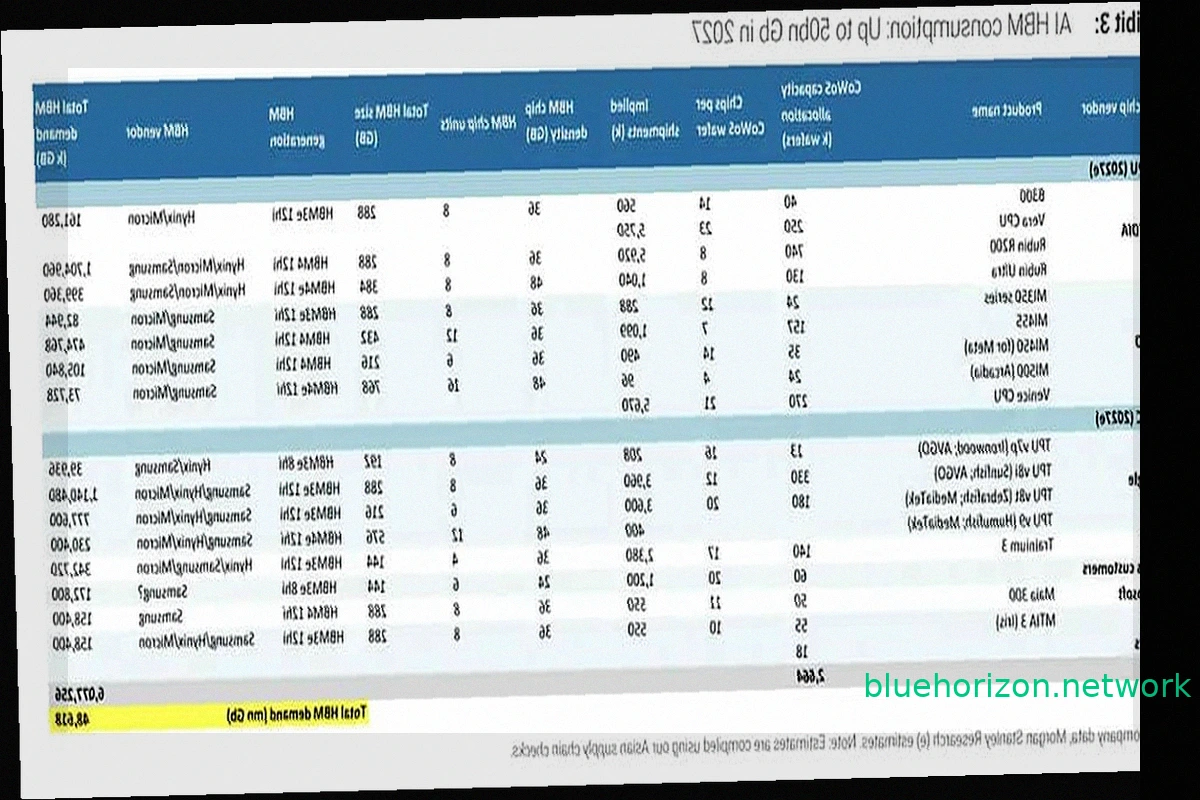
NVIDIA, Google, and AMD Poised to Control 85% of HBM Memory Demand by 2027
The "you'll own nothing and be happy" meme is finding a parallel in hardware, specifically memory. NVIDIA, Google, and AMD are set to command 85.4% of the global High Bandwidth Memory (HBM) demand by 2027, according to Morgan Stanley estimates. These three buyers will largely dictate the pace
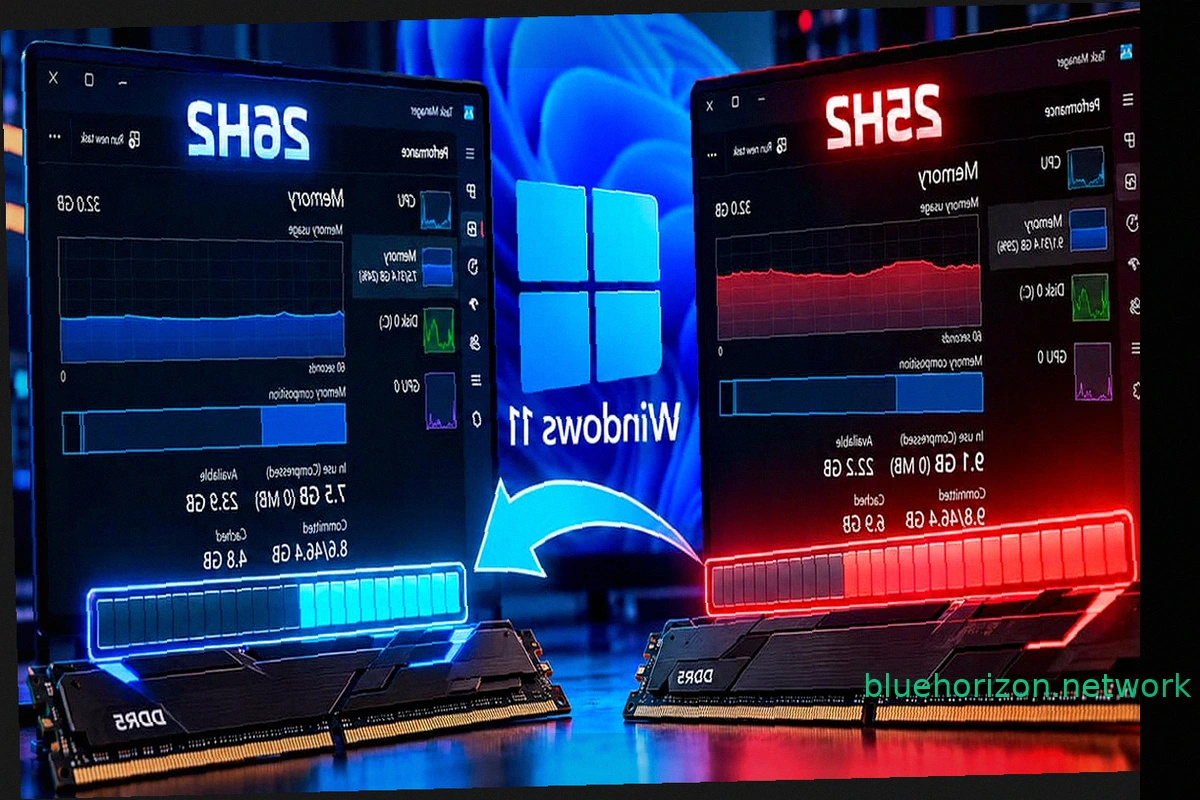
Windows 11 26H2 Reduces RAM Consumption by Up to 2 GB, But 8 GB Machines Still Struggle
Windows 11 26H2 is rolling out optimizations for RAM management. Some users report a noticeable decrease in RAM usage after installing this update, with certain systems showing a reduction of up to 2 GB compared to Windows 11 25H2 upon startup. However, initial findings suggest this improvemen

RTX 5090 fails with DLSS 5 after 48 hours for Chinese streamer
NVIDIA's RTX series introduced Tensor Cores, enabling technologies like DLSS. Early DLSS versions offered a noticeable drop in image quality compared to native resolution. DLSS 2 brought significant improvements, and DLSS 3 achieved parity or even superiority over native rendering. DLSS 4 cont