Motherboard Price Hikes Expected From ASUS, GIGABYTE, and MSI in Coming Weeks
Major motherboard manufacturers ASUS, GIGABYTE, and MSI are reportedly preparing for price increases on their motherboards in the coming weeks. According to industry sources, these adjustments are anticipated to take effect within the third quarter of 2024. Chinese media outlets suggest that these three companies are already communicating or implementing these price changes with their distributors throughout August. While no official public announcements have been made by the companies themselves, it is widely expected that all motherboard manufacturers will eventually follow suit.
The primary driver behind these anticipated price hikes is the significant increase in the cost of Printed Circuit Boards (PCBs), a fundamental component in motherboard manufacturing. Estimates from the industry indicate that PCB costs could have risen by as much as 50% during 2024. This surge is compounded by rising prices for copper, surface-mount device (SMD) capacitors, power components, and various controller chips. With declining sales volumes, manufacturers will have fewer units to spread these increased costs across, further squeezing their profit margins.
Manufacturing a Motherboard is Significantly More Expensive; Users Will Bear the Cost
The PCB is a critical element of any motherboard, housing layers of copper, electrical traces, and connections that link the processor, RAM, chipset, and other controllers. High-end motherboards feature particularly intricate designs with multiple layers, thicker PCBs, and greater amounts of copper to support high-speed interfaces, robust power delivery systems, overclocking capabilities, and high-frequency DDR5 memory.
Essential materials such as epoxy resin, fiberglass, and copper foil have become more expensive in recent months. Reports from Reuters indicated that the prices of certain PCBs increased by up to 40% in April 2024 alone, while the price of copper foil has risen by as much as 30% since the beginning of the year. Furthermore, the booming demand for AI servers is consuming materials and production capacity that were previously allocated to consumer electronics.
MSI is said to have been among the first to signal a "widespread and considerable price increase" planned for August. ASUS has also reportedly confirmed internally the commencement of its new pricing policy this month. GIGABYTE is said to be implementing a tariff update for its regional distributors starting immediately. However, it is currently impossible to determine the exact average price increase for a motherboard.
Sales are Lower Than Ever, Yet Prices Are Set to Rise
The upcoming price increase for motherboards comes at a particularly challenging time for the custom PC market. Forecasts suggest that ASUS could see its motherboard sales drop from approximately 15 million units in 2025 to around 10 million in 2026. GIGABYTE is projected to decline from 11.5 million to about 8 to 8.5 million units. MSI's shipments are expected to decrease from 11 million to approximately 8.4 million. ASRock, though not explicitly mentioned in this latest round of adjustments, is also anticipated to experience a fall in shipments from 4.3 million to 2.7 million units.
Despite record-low motherboard sales, prices are not expected to decrease. The personal computing sector is increasingly becoming a luxury niche, and counterintuitively, prices are predicted to continue their upward trajectory. This upcoming motherboard price hike adds to the already increased costs of CPUs, RAM, SSDs, and graphics cards. While it's acknowledged that this trend doesn't encourage PC upgrades, the market conditions are such that even with significant investment, users may not see substantial performance gains. Intel is awaiting the LGA1851 socket with expected advancements from Nova Lake CPUs, while AMD is focusing on numerous AM5 processor variants that offer marginal performance improvements. The GPU market is experiencing a similar pattern. If users are expected to pay premium prices for PCs, the value proposition needs to be justified.
Initially, these price increases are expected to be most visible in Asia. In other markets like Europe and North America, the price adjustments may take several months to manifest. This delay is attributed to the time it takes for existing stock to be depleted before new inventory, reflecting the increased production costs, begins to arrive.
Source: El Chapuzas Informático
Fresh materials — Technology News

Google Pixel Devices Hit by Nightmare Bug: September Update Locks Out Some Users
Updating your phone should be a simple process: install, restart, and continue. But imagine completing the update, entering your usual unlock pattern, and the phone not even letting you finish it. Your photos and messages remain, but you're locked out. This is the predicament some Google Pixel
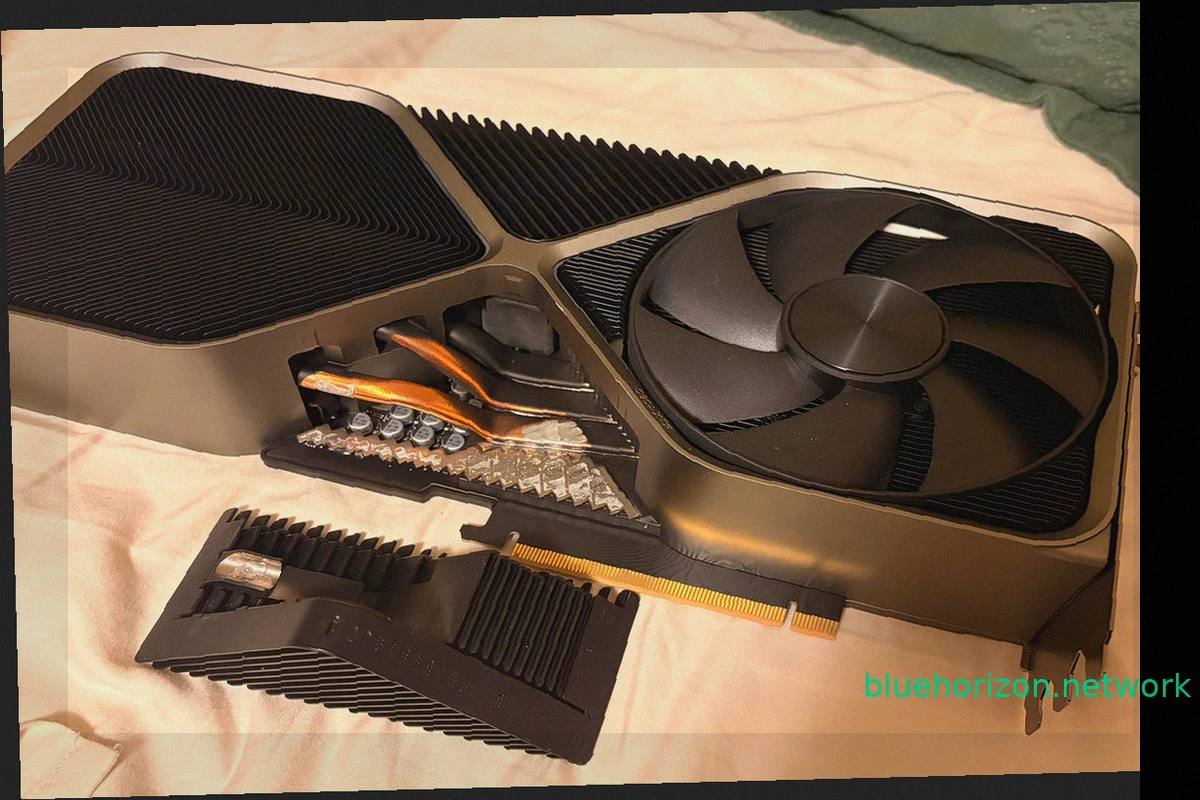
NVIDIA GeForce RTX 4090 Founders Edition Loses Part of Its Heatsink After Three Years
A NVIDIA GeForce RTX 4090 Founders Edition has presented an unusual problem, not with its power connector, but with its heatsink. This incident is unique, as a portion of the graphics card's massive heatsink literally detached while its owner was moving the computer. This wasn't a decorative c

Russian Missiles Strike Infrastructure of 1337x, Second Largest Torrent Tracker, Hitting Piracy
Russian missile attacks have damaged infrastructure belonging to popular torrent trackers like 1337x. Between September 23 and 27, 2026, Russia conducted strikes targeting data centers and communication facilities in Kyiv. These attacks temporarily disrupted internet access for approximately 1
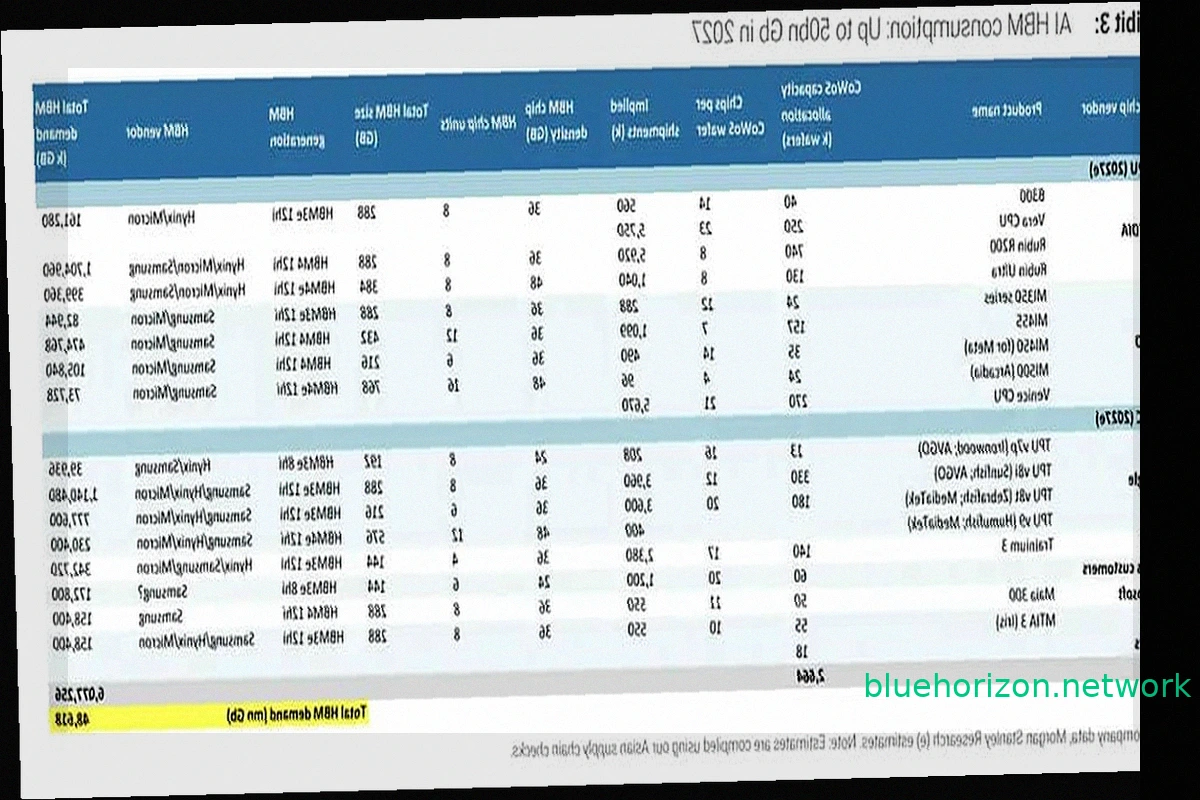
NVIDIA, Google, and AMD Poised to Control 85% of HBM Memory Demand by 2027
The "you'll own nothing and be happy" meme is finding a parallel in hardware, specifically memory. NVIDIA, Google, and AMD are set to command 85.4% of the global High Bandwidth Memory (HBM) demand by 2027, according to Morgan Stanley estimates. These three buyers will largely dictate the pace
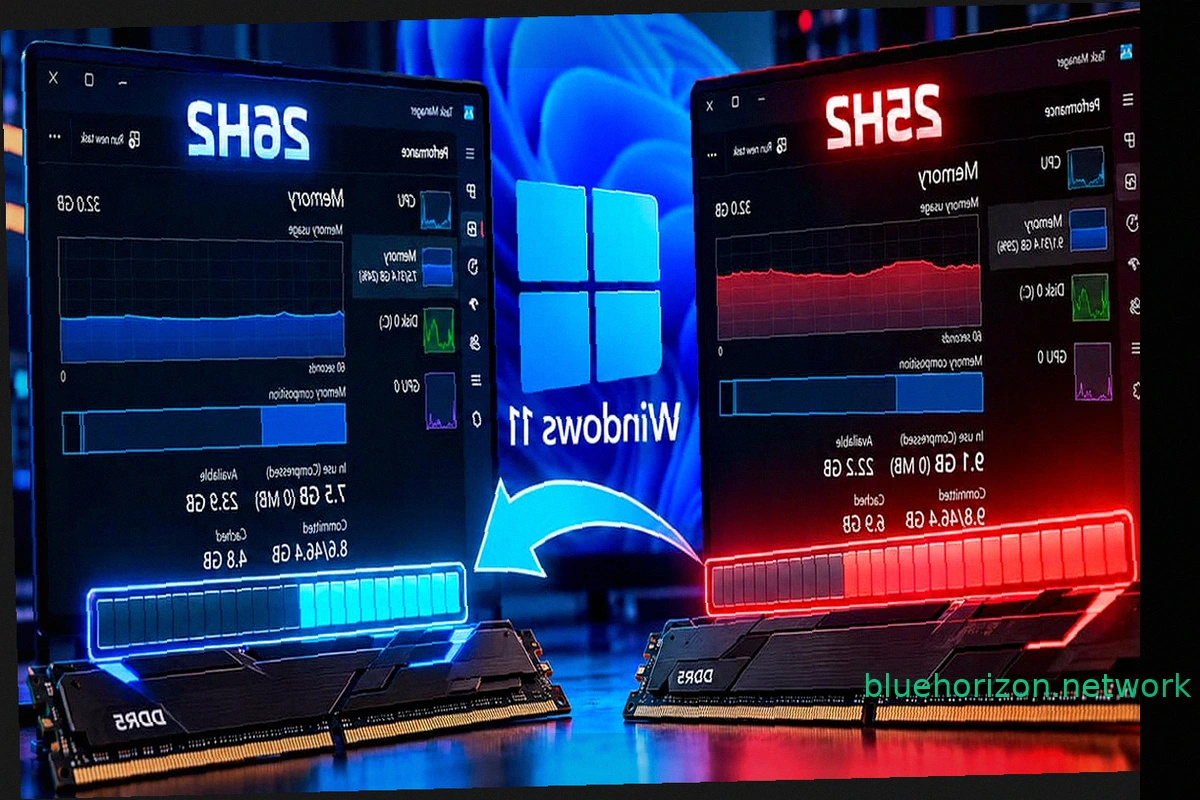
Windows 11 26H2 Reduces RAM Consumption by Up to 2 GB, But 8 GB Machines Still Struggle
Windows 11 26H2 is rolling out optimizations for RAM management. Some users report a noticeable decrease in RAM usage after installing this update, with certain systems showing a reduction of up to 2 GB compared to Windows 11 25H2 upon startup. However, initial findings suggest this improvemen

RTX 5090 fails with DLSS 5 after 48 hours for Chinese streamer
NVIDIA's RTX series introduced Tensor Cores, enabling technologies like DLSS. Early DLSS versions offered a noticeable drop in image quality compared to native resolution. DLSS 2 brought significant improvements, and DLSS 3 achieved parity or even superiority over native rendering. DLSS 4 cont