MSI MEG MAESTRO 900R: The Brand's Flagship Chassis is One of the Most Beastly Ever Made, Priced at 699 Euros
We are thrilled to present a review of the MSI MEG MAESTRO 900R, a chassis that is truly brutal in every sense. This new flagship from MSI is a gigantic tower with a highly unique design, combining aluminum with triple panoramic glass and a multitude of details that make it stand out. Let
We are thrilled to present a review of the MSI MEG MAESTRO 900R, a chassis that is truly brutal in every sense. This new flagship from MSI is a gigantic tower with a highly unique design, combining aluminum with triple panoramic glass and a multitude of details that make it stand out.
Let's delve into the specifics of the MSI MEG MAESTRO 900R without further delay. The chassis is a full tower with a high-end aluminum frame, featuring precise CNC machining with laser engravings and double polishing. It boasts triple panoramic tempered glass panels that offer a 75-degree viewing angle. The motherboard tray is removable and can be oriented in four directions, allowing for versatile build configurations.
Measuring an impressive 695 x 379 x 671 mm (height, width, depth), this chassis weighs a substantial 33 kg, making it one of the largest and heaviest we've encountered. It supports a wide range of motherboard sizes, including E-ATX, ATX, micro-ATX, and mini-ITX.
Expansion options are plentiful with 8 + 3 expansion slots, and it notably includes a PCI Express 5.0 riser cable for vertical GPU mounting without compromising performance. Connectivity is exceptional, featuring 1 x USB-C Gen2x2 (20 Gbps), 4 x USB 3.2 Gen2 (10 Gbps), 4 x USB 3.2 Gen1 (5 Gbps), and a 3.5 mm TRRS jack for audio and microphone.
Cooling potential is immense, with support for up to 14 fans: 4 x 120 mm or 3 x 140/160 mm on the top, 6 x 120 mm on the side, and 4 x 120 mm or 3 x 140/160 mm on the bottom (three 160 mm ARGB fans are included). For liquid cooling enthusiasts, it supports radiators up to 420 mm at the top and bottom, and up to 360 mm on the side.
Storage solutions are equally generous, accommodating up to 9 x 2.5-inch drives and up to 5 x 3.5-inch drives. It has ample clearance for CPU coolers up to 170 mm, GPUs up to 440 mm in length, and ATX power supplies up to 200 mm in depth.
The exterior design is a true work of art. The precision-machined aluminum panels, laser-etched and double-polished, are a testament to its premium build. The triple panoramic glass not only covers the main side but also extends to the front and rear, offering an unobstructed view of your components. MSI has cleverly designed the connectivity panel to be repositionable, allowing you to choose which side serves as the primary interface, ideal for left-sided desk placement.
The top and bottom panels are crafted from thick aluminum. The top panel features a striking golden mesh, though its coverage is somewhat limited. An ARGB LED strip adds a touch of flair. The bottom panel is simpler, with eight rubber feet for stable placement. The secondary side panel is made of thick steel with unique mesh patterns and includes a magnetic dust filter.
Internally, the MSI MEG MAESTRO 900R presents a unique layout. The most distinctive feature is the removable motherboard tray, which can be rotated to four different positions, offering unparalleled mounting flexibility. This design, combined with the vertical GPU support and cable management covers, ensures a clean and organized build, even with the most complex setups.
The chassis's capacity for cooling is exceptional. The side panels can house up to six 120 mm fans or a 360 mm radiator, with the option to pivot the fan bracket for direct GPU cooling. The bottom features three pre-installed 160 mm ARGB fans, which can be swapped for other configurations or a 420/360 mm radiator. The top also supports up to four 120 mm or three 140/160 mm fans, along with a 420/360 mm radiator.
Cable management is effortless thanks to the generous space behind the motherboard tray. This area is also where you'll find space for the ATX power supply, up to 9 x 2.5-inch drives, and up to 5 x 3.5-inch drives. A PWM fan and ARGB controller is included, which is essential given the sheer number of fans this chassis can accommodate.
Is the MSI MEG MAESTRO 900R Worth It?
The MSI MEG MAESTRO 900R is not for the faint of heart, or those with limited space. Its sheer size and weight demand dedicated room and careful consideration for placement. However, for those who can accommodate it, the rewards are immense. Its aesthetic appeal is undeniable, exuding premium quality and elegance. The triple panoramic glass provides a stunning showcase for your hardware, begging for a custom liquid cooling loop and high-end components.
The chassis supports GPUs up to 440 mm, ensuring compatibility with virtually any graphics card on the market. It's designed to house flagship motherboards and the most exclusive GPUs, truly embodying the pinnacle of PC building.
Availability and Price
The MSI MEG MAESTRO 900R is available for 699 euros. While the price point is high, it reflects the premium materials, unique design, and extensive features offered. For those seeking an unparalleled display for their high-performance PC, this chassis is a serious contender.
Key Advantages:
- Exceptional design with high-quality materials and premium finishes.
- Unique triple panoramic glass design.
- Flexible motherboard tray orientation and choice of primary side panel.
- Infinite capacity for high-performance systems.
- Supports GPUs up to 440 mm in length.
- Includes PCIe 5.0 riser cable for vertical GPU mounting.
- Supports two 420/360 mm radiators and one 360 mm radiator.
- Capacity for 14 fans, with three 160 mm ARGB fans included.
- Unbeatable USB connectivity.
- Abundant storage bays.
- Excellent cable management with ample space and hidden routing.
Negative Aspects:
- High price point, not suitable for all budgets.
Other Aspects:
- Weighs 33 kg and is massive.
- Supports ATX power supplies up to 200 mm in depth.
The MSI MEG MAESTRO 900R receives our Gold Award for its exceptional design and features.
Fresh materials — Technology News

Google Pixel Devices Hit by Nightmare Bug: September Update Locks Out Some Users
Updating your phone should be a simple process: install, restart, and continue. But imagine completing the update, entering your usual unlock pattern, and the phone not even letting you finish it. Your photos and messages remain, but you're locked out. This is the predicament some Google Pixel
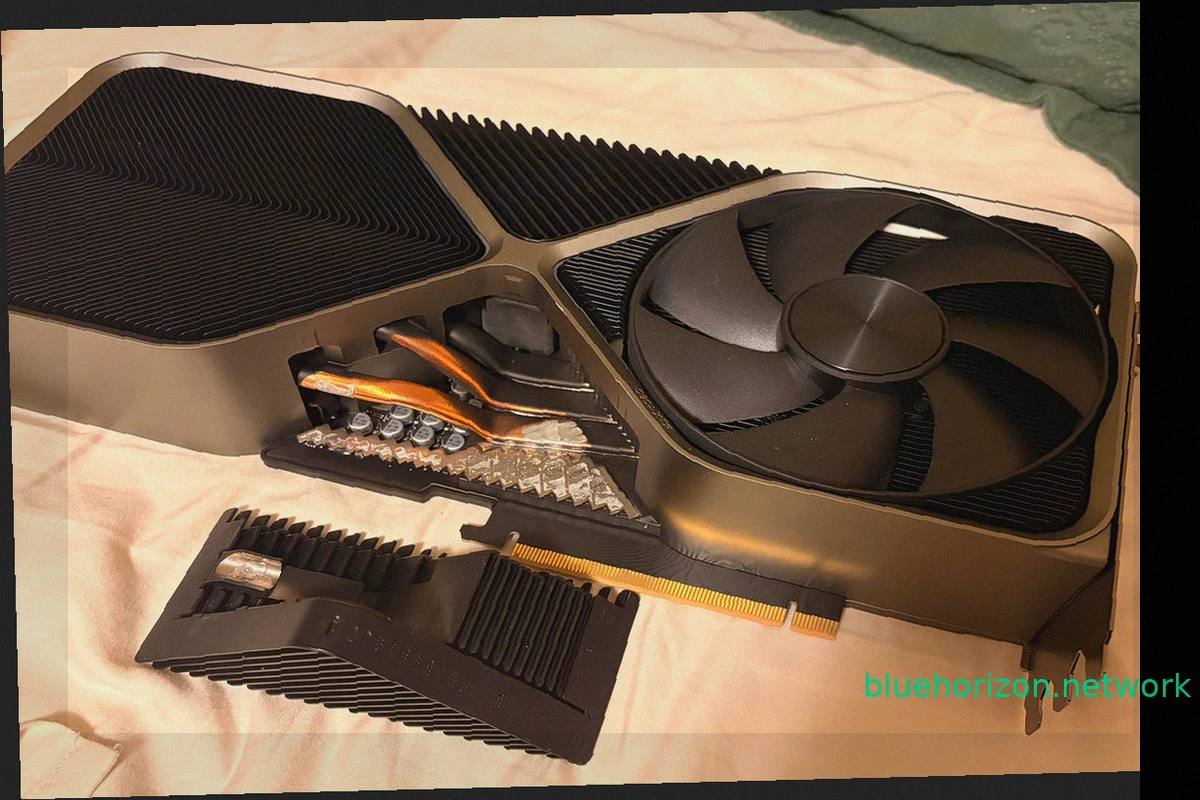
NVIDIA GeForce RTX 4090 Founders Edition Loses Part of Its Heatsink After Three Years
A NVIDIA GeForce RTX 4090 Founders Edition has presented an unusual problem, not with its power connector, but with its heatsink. This incident is unique, as a portion of the graphics card's massive heatsink literally detached while its owner was moving the computer. This wasn't a decorative c

Russian Missiles Strike Infrastructure of 1337x, Second Largest Torrent Tracker, Hitting Piracy
Russian missile attacks have damaged infrastructure belonging to popular torrent trackers like 1337x. Between September 23 and 27, 2026, Russia conducted strikes targeting data centers and communication facilities in Kyiv. These attacks temporarily disrupted internet access for approximately 1
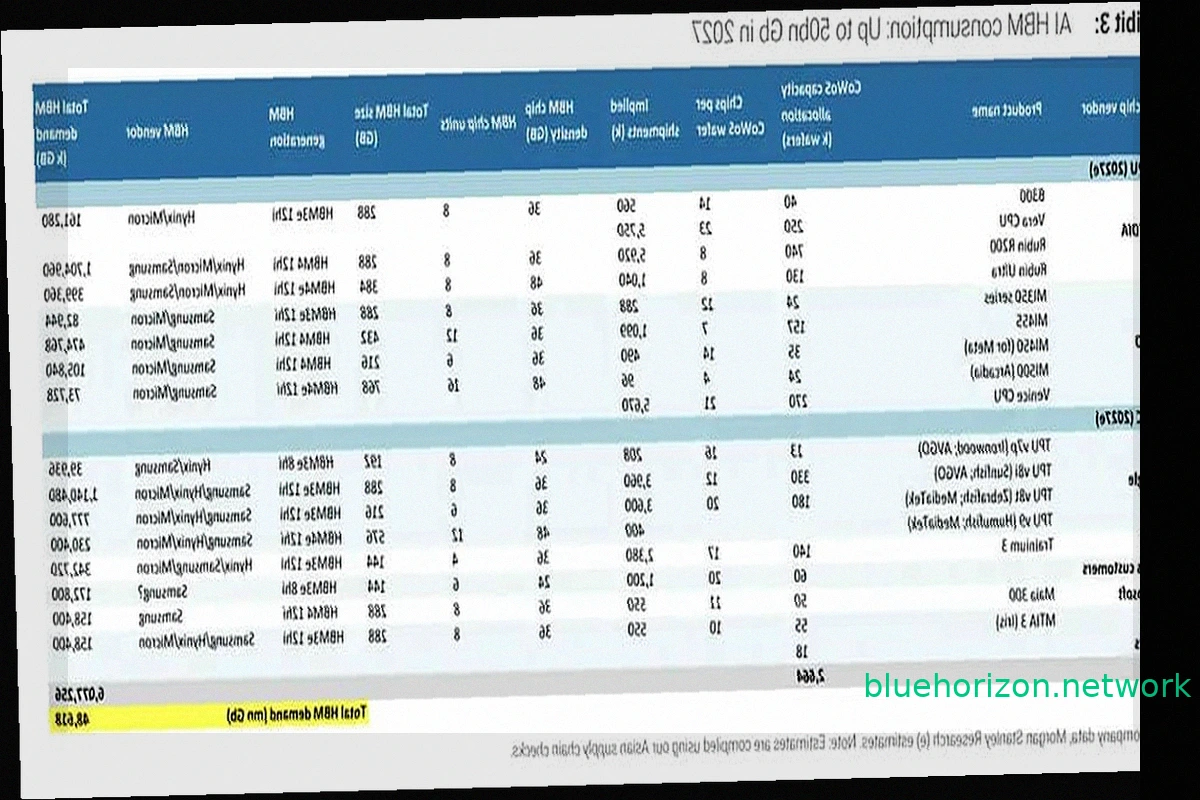
NVIDIA, Google, and AMD Poised to Control 85% of HBM Memory Demand by 2027
The "you'll own nothing and be happy" meme is finding a parallel in hardware, specifically memory. NVIDIA, Google, and AMD are set to command 85.4% of the global High Bandwidth Memory (HBM) demand by 2027, according to Morgan Stanley estimates. These three buyers will largely dictate the pace
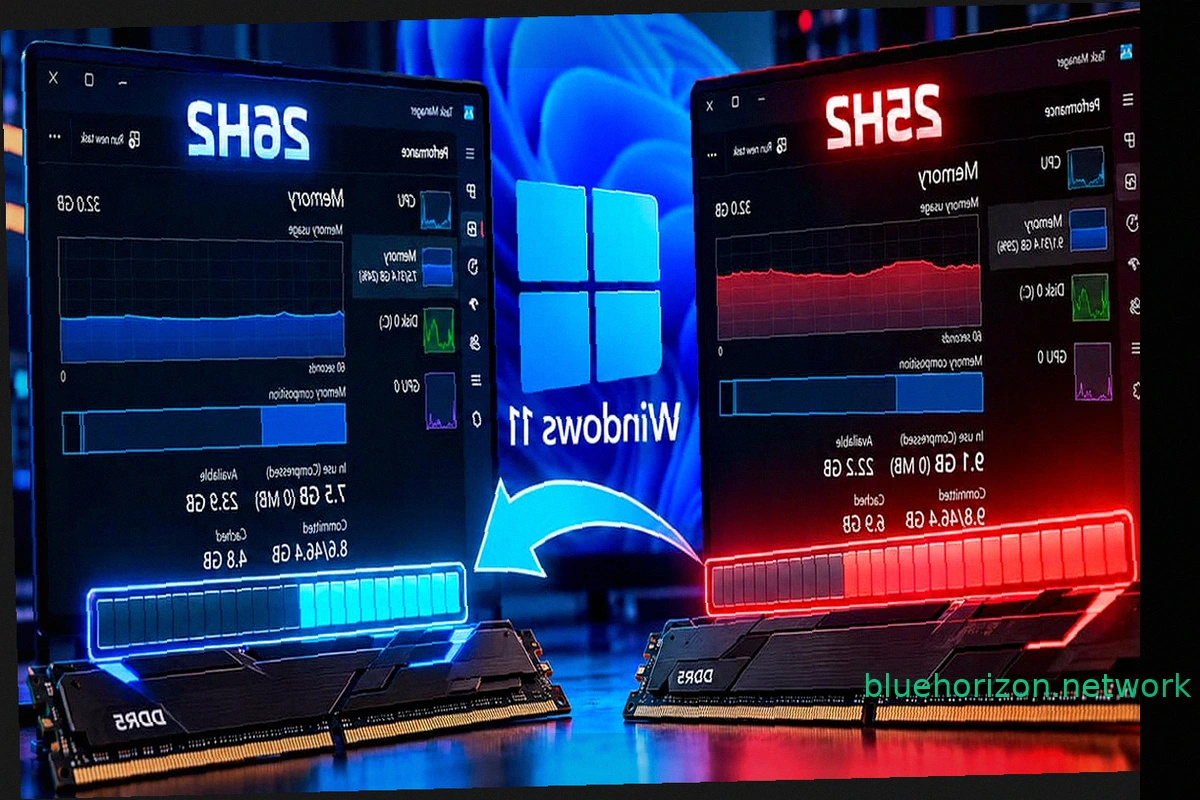
Windows 11 26H2 Reduces RAM Consumption by Up to 2 GB, But 8 GB Machines Still Struggle
Windows 11 26H2 is rolling out optimizations for RAM management. Some users report a noticeable decrease in RAM usage after installing this update, with certain systems showing a reduction of up to 2 GB compared to Windows 11 25H2 upon startup. However, initial findings suggest this improvemen

RTX 5090 fails with DLSS 5 after 48 hours for Chinese streamer
NVIDIA's RTX series introduced Tensor Cores, enabling technologies like DLSS. Early DLSS versions offered a noticeable drop in image quality compared to native resolution. DLSS 2 brought significant improvements, and DLSS 3 achieved parity or even superiority over native rendering. DLSS 4 cont