NVIDIA and OpenAI Propose AI Tokens as a New Universal Basic Income, Replacing Money and Cryptocurrencies in a Jobless World
Artificial intelligence is not only reshaping how we work and interact, but it's also beginning to fundamentally alter how that work is compensated. NVIDIA and OpenAI are seriously suggesting that instead of traditional money, we might eventually be paid in "AI tokens," which represent access to and capacity for using artificial intelligence. This isn't mere theory; it's a concept that has been discussed before and is now emerging as a reality in professional circles, pointing towards a future where traditional employment, fiat currency, and cryptocurrencies could be superseded.
What if, instead of money, we receive access to computational power to generate value? This is another idea championed by Jensen Huang and Sam Altman, considering that traditional currencies are losing value and cryptocurrencies haven't achieved widespread adoption. The question then becomes: what if companies start paying in these tokens?
NVIDIA and OpenAI Envision AI Tokens as the Successor to Money
The core of this idea is surprisingly simple, and while it might seem futuristic or even dystopian today, it's already being implemented. To clarify the concept: "tokens" are the fundamental unit of operation for any Artificial Intelligence model; every interaction, query, or content generation consumes these tokens.
Currently, the use of these tokens is managed like a service cost, similar to electricity or water, or even a barter system. However, Huang and Altman propose a radical shift, viewing them not merely as an expense, but as a form of currency.
Indeed, in the tech sector, this trend is already observable: salary negotiations often include the allocation of AI capacity. Logically, greater access to AI can translate into increased productivity, efficiency, and competitiveness. In this context, AI tokens begin to take on the nature of an asset rather than a simple cost.
AI Tokens as Universal Basic Income for a Jobless Future?
For the general population, the proposal becomes even more relevant. Altman suggests a form of Universal Basic Income, but instead of money, it would consist of access to Artificial Intelligence. Each individual would receive an allotment of computational capacity that they could use, sell, or transfer, providing them with direct tools for value creation.
This vision aligns with current economic trends marked by growing national debt, inflation, and the devaluation of fiat money. In this scenario, data centers transcend their original function to become "token factories," where energy and hardware are transformed into tangible economic capacity. NVIDIA, with its GPUs and LPUs, and OpenAI, which monetizes their usage, are positioned at the epicenter of this new system, suggesting an emerging banking role for big tech companies.
However, this proposition is not without its challenges. The energy consumption and infrastructure investment are colossal, and long-term sustainability remains uncertain. The most significant obstacle is public acceptance that computational capacity should replace money as the pillar of the economic system. This could, ultimately, be driven by governments, compelling companies to adopt this model and rendering traditional money and cryptocurrencies obsolete.
AI has already redefined work; now it seeks to transform how that work is remunerated. This radical economic model would once again position major U.S. tech companies in a globally dominant role. If the dollar has been the reference currency, AI tokens could become the new universal substitute for all money.
Fresh materials — Technology News
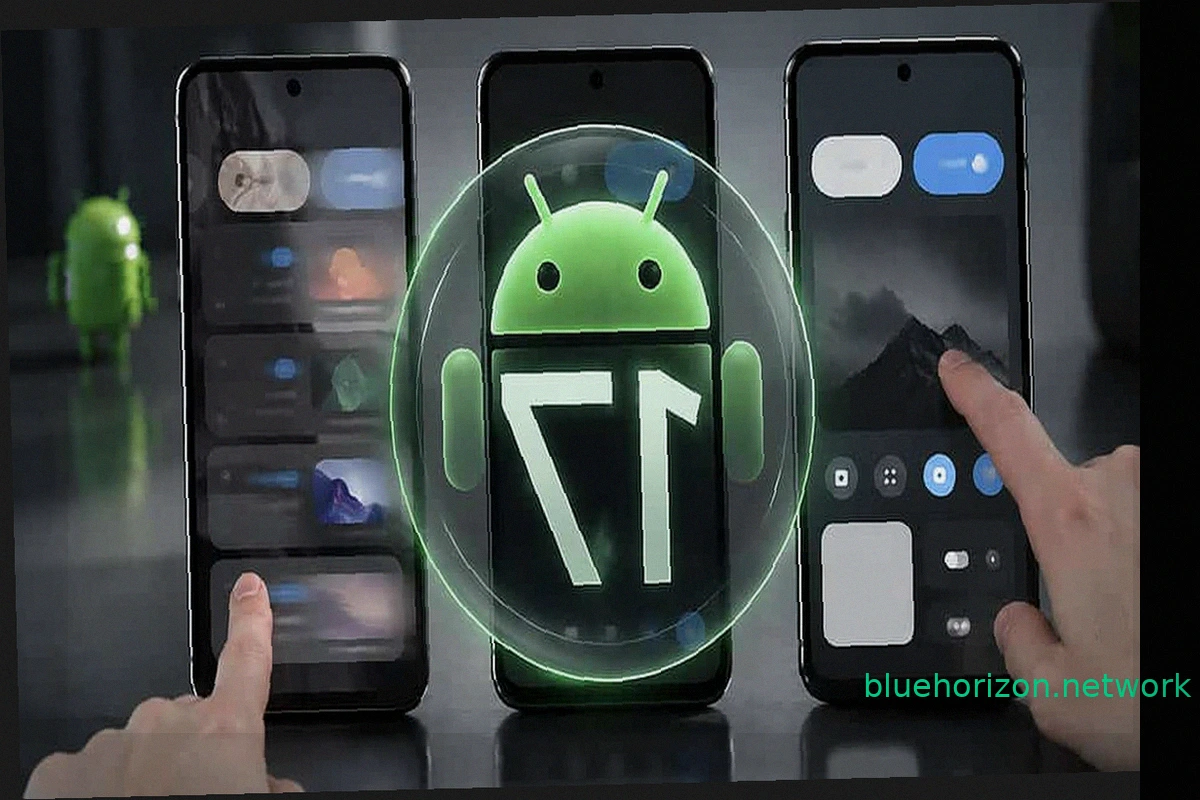
Google Pixel Devices Hit by Nightmare Bug: September Update Locks Out Some Users
Updating your phone should be a simple process: install, restart, and continue. But imagine completing the update, entering your usual unlock pattern, and the phone not even letting you finish it. Your photos and messages remain, but you're locked out. This is the predicament some Google Pixel
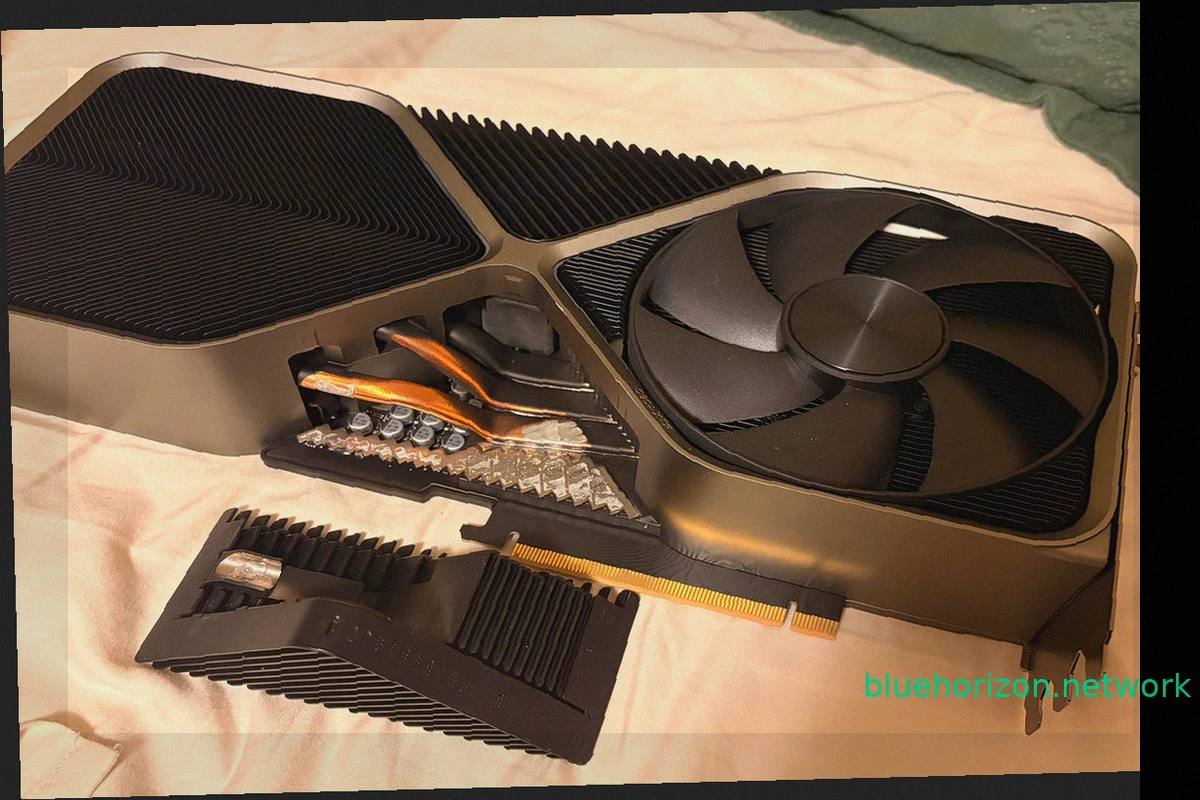
NVIDIA GeForce RTX 4090 Founders Edition Loses Part of Its Heatsink After Three Years
A NVIDIA GeForce RTX 4090 Founders Edition has presented an unusual problem, not with its power connector, but with its heatsink. This incident is unique, as a portion of the graphics card's massive heatsink literally detached while its owner was moving the computer. This wasn't a decorative c

Russian Missiles Strike Infrastructure of 1337x, Second Largest Torrent Tracker, Hitting Piracy
Russian missile attacks have damaged infrastructure belonging to popular torrent trackers like 1337x. Between September 23 and 27, 2026, Russia conducted strikes targeting data centers and communication facilities in Kyiv. These attacks temporarily disrupted internet access for approximately 1
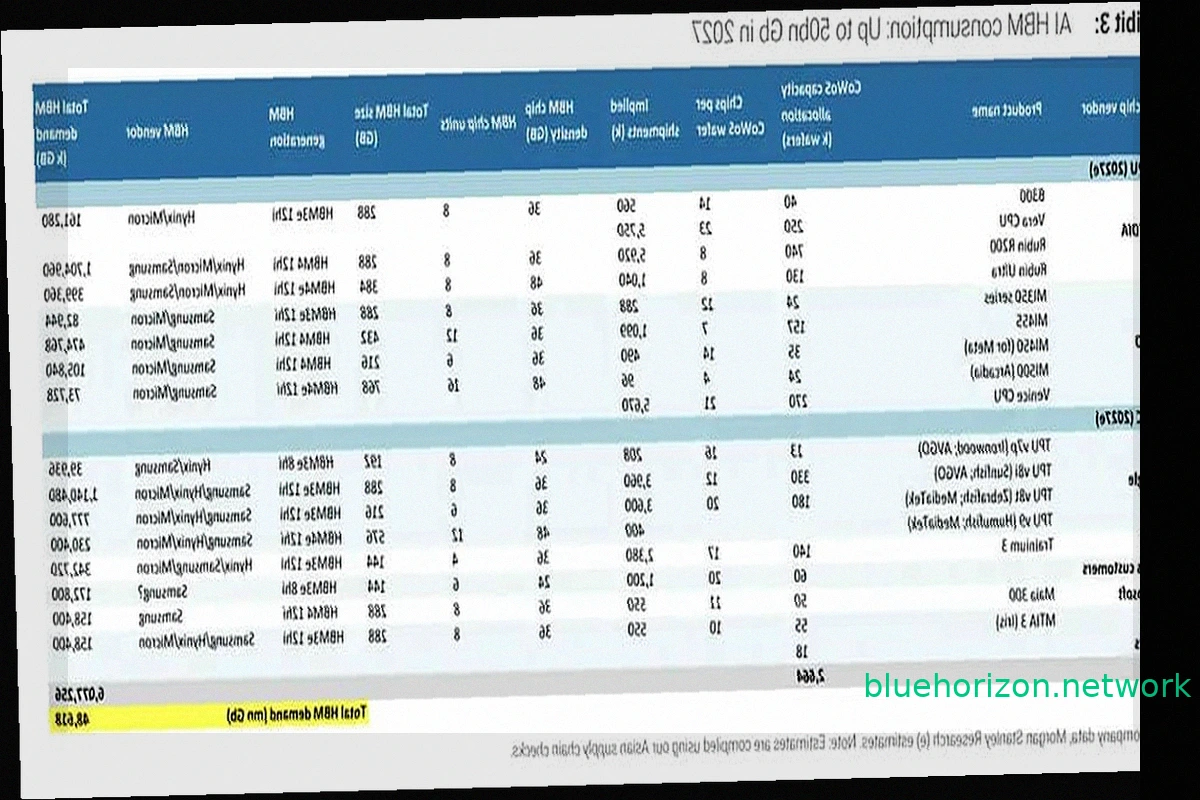
NVIDIA, Google, and AMD Poised to Control 85% of HBM Memory Demand by 2027
The "you'll own nothing and be happy" meme is finding a parallel in hardware, specifically memory. NVIDIA, Google, and AMD are set to command 85.4% of the global High Bandwidth Memory (HBM) demand by 2027, according to Morgan Stanley estimates. These three buyers will largely dictate the pace
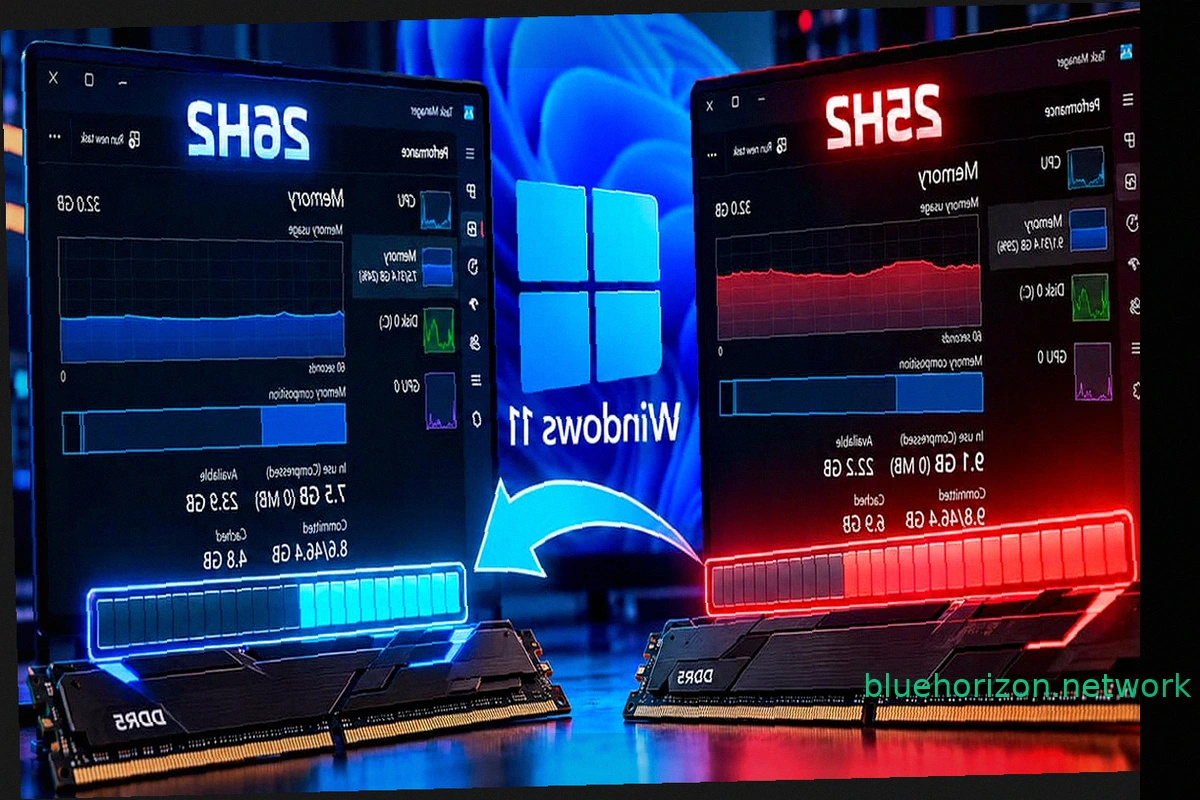
Windows 11 26H2 Reduces RAM Consumption by Up to 2 GB, But 8 GB Machines Still Struggle
Windows 11 26H2 is rolling out optimizations for RAM management. Some users report a noticeable decrease in RAM usage after installing this update, with certain systems showing a reduction of up to 2 GB compared to Windows 11 25H2 upon startup. However, initial findings suggest this improvemen

RTX 5090 fails with DLSS 5 after 48 hours for Chinese streamer
NVIDIA's RTX series introduced Tensor Cores, enabling technologies like DLSS. Early DLSS versions offered a noticeable drop in image quality compared to native resolution. DLSS 2 brought significant improvements, and DLSS 3 achieved parity or even superiority over native rendering. DLSS 4 cont