NVIDIA brings RTX NTC technology to Windows 11 Arm ahead of RTX Spark chip launch
NVIDIA is gearing up for the release of its RTX Spark chips on the Windows 11 platform for ARM architecture. The latest advancement involves the release of the SDK for its RTX Neural Texture Compression (RTX NTC) technology, which now includes official compatibility with Windows ARM64. Previously, this technology could only be compiled for Windows x64 and Linux x64. This update allows developers to begin adapting their engines, tools, and content pipelines for the upcoming RTX Spark devices.
RTX Neural Texture Compression employs a small neural network to collectively compress various textures that constitute a 3D material. Instead of storing color maps, normal maps, roughness, metallicness, ambient occlusion, or opacity separately, NTC can group up to 16 channels into a single compressed package. The neural network then reconstructs the texels during game loading or directly when rendering the scene. This results in reduced file sizes, decreased data traffic, and, depending on the mode used, lower graphics memory consumption. This technology is crucial at a time when RAM, SSD storage, and GPU VRAM are facing reductions.
NVIDIA brings neural texture compression to Windows ARM64
The new build guide specifically mentions NVIDIA RTX Spark as an example of compatible Windows ARM64 devices. To work with this architecture, developers need to install Visual Studio 2022 with C++ build tools for ARM64, use the preview version of CUDA Toolkit 13.4 for Windows ARM64, and have an NVIDIA driver from branch R616 or newer. The project can be compiled using Visual Studio's ARM64 generator or with Ninja from the ARM64 native tools.
In this initial implementation, DirectX 12, Vulkan APIs, and CUDA-accelerated compression are functional. This means developers can test both the generation of RTX NTC files and the reconstruction of textures using the integrated GPU on the future platform. NVIDIA has also enabled Cooperative Vector on compatible paths, a technology that allows the small neural network to run from shaders, leveraging the GPU's matrix acceleration. According to the SDK documentation, this path can offer two to four times higher inference performance on Ada Lovelace and Blackwell architectures compared to optimized implementations that do not use these extensions.
However, compatibility is still clearly in its preliminary stages. NVIDIA DLSS and OptiX technologies are not yet available on Windows ARM64 and are automatically disabled during compilation. Additionally, the DirectX 12 path based on LinAlg, previously known as Cooperative Vector, relies on a preview version of the DirectX 12 Agility SDK, requires Windows developer mode to be enabled, and, according to NVIDIA, should not yet be used in commercial products. The DirectX 12 paths without Cooperative Vector and Vulkan implementations can be used without this restriction.
RTX NTC is a perfect technology for laptops facing memory cutbacks
The main advantage of RTX NTC is that it can significantly reduce the storage space occupied by high-resolution textures. NVIDIA claims this technology can offer up to an eight-fold improvement in VRAM usage compared to traditional block compression. Most importantly, it achieves this while maintaining similar visual quality. In the example provided in the SDK, a 2K texture set comprising albedo, normals, roughness, metallicness, and ambient occlusion occupies 32 MB uncompressed and 12 MB using BCn formats. With RTX NTC, the texture package can be reduced to approximately 2.5 MB.
This type of technology is vital at a time when any form of memory has become scarce and quite expensive. The most benefited GPUs will be low to mid-range models. However, the NVIDIA RTX Spark will see a notable advantage. While the GPU is expected to be powerful, likely surpassing a GeForce RTX 5060, its weakness in the current situation lies in its unified memory. This means the system's own RAM is shared as VRAM for the GPU.
If a manufacturer opts for a conservative memory configuration, such as 24 GB of RAM, this could translate to 16 GB for the system and 8 GB for the GPU. A technology like this will significantly help prevent the graphics performance from being bottlenecked by insufficient memory. 16 GB would be limited for the combined system and GPU needs. Conversely, 32 GB would further increase the cost of a device already expected to be expensive due to the RTX Spark chip.
Fresh materials — Technology News

Google Pixel Devices Hit by Nightmare Bug: September Update Locks Out Some Users
Updating your phone should be a simple process: install, restart, and continue. But imagine completing the update, entering your usual unlock pattern, and the phone not even letting you finish it. Your photos and messages remain, but you're locked out. This is the predicament some Google Pixel
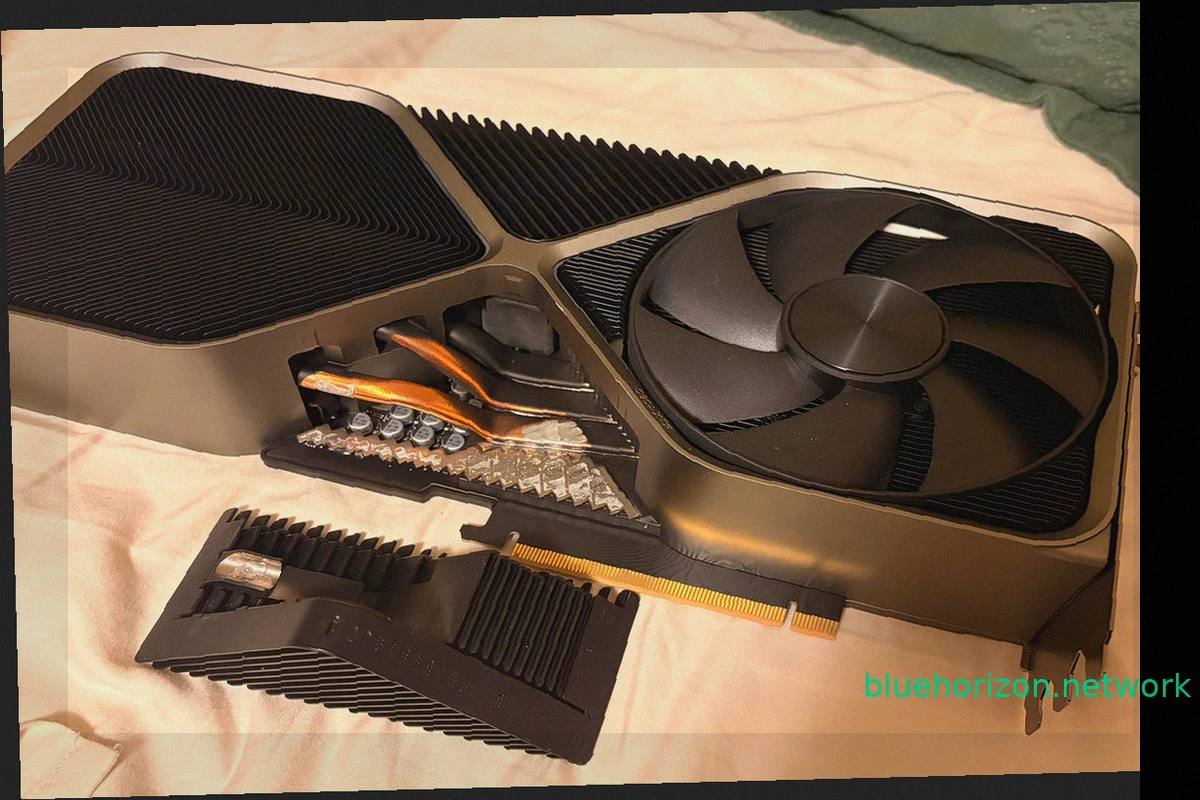
NVIDIA GeForce RTX 4090 Founders Edition Loses Part of Its Heatsink After Three Years
A NVIDIA GeForce RTX 4090 Founders Edition has presented an unusual problem, not with its power connector, but with its heatsink. This incident is unique, as a portion of the graphics card's massive heatsink literally detached while its owner was moving the computer. This wasn't a decorative c

Russian Missiles Strike Infrastructure of 1337x, Second Largest Torrent Tracker, Hitting Piracy
Russian missile attacks have damaged infrastructure belonging to popular torrent trackers like 1337x. Between September 23 and 27, 2026, Russia conducted strikes targeting data centers and communication facilities in Kyiv. These attacks temporarily disrupted internet access for approximately 1
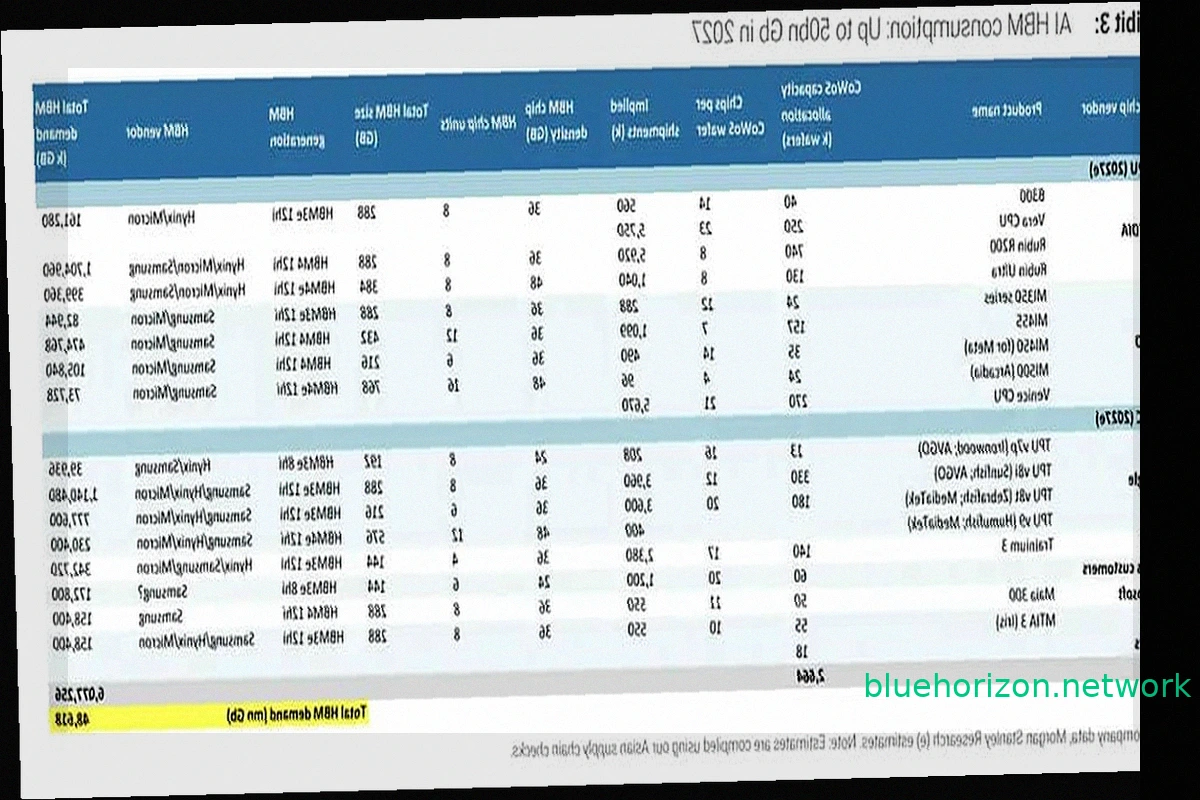
NVIDIA, Google, and AMD Poised to Control 85% of HBM Memory Demand by 2027
The "you'll own nothing and be happy" meme is finding a parallel in hardware, specifically memory. NVIDIA, Google, and AMD are set to command 85.4% of the global High Bandwidth Memory (HBM) demand by 2027, according to Morgan Stanley estimates. These three buyers will largely dictate the pace
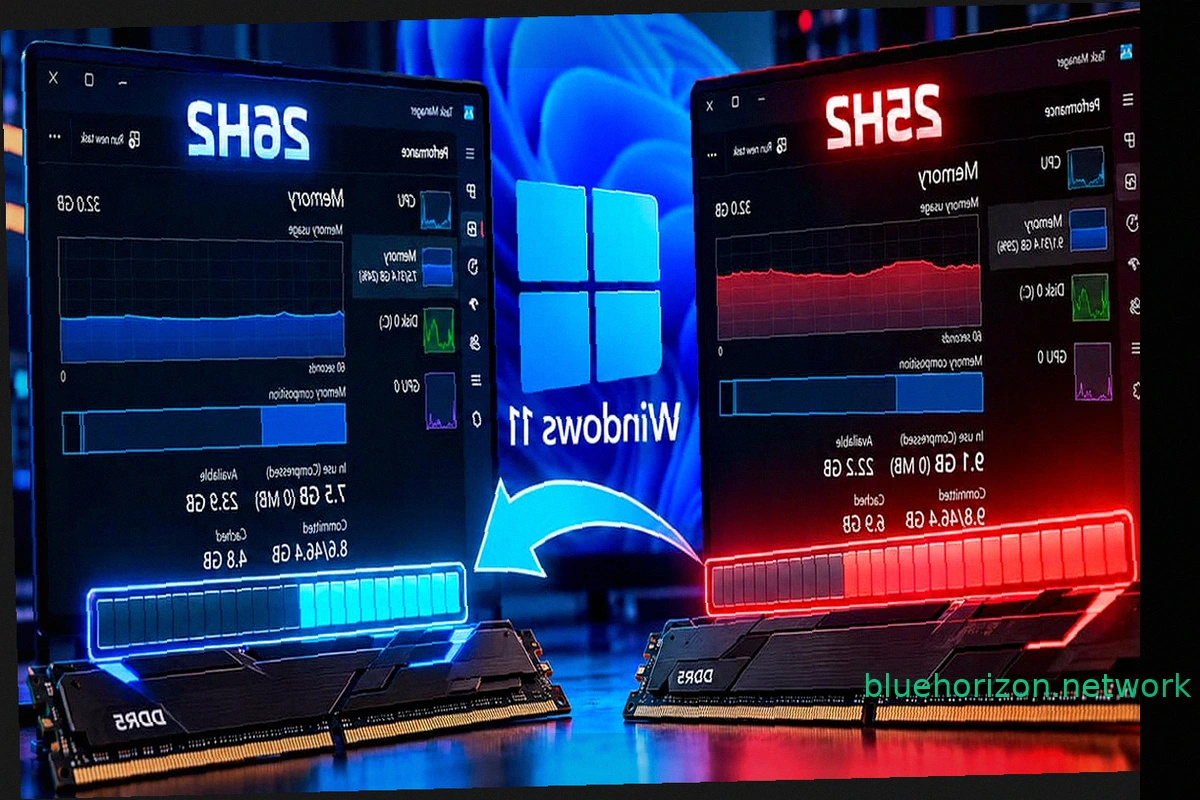
Windows 11 26H2 Reduces RAM Consumption by Up to 2 GB, But 8 GB Machines Still Struggle
Windows 11 26H2 is rolling out optimizations for RAM management. Some users report a noticeable decrease in RAM usage after installing this update, with certain systems showing a reduction of up to 2 GB compared to Windows 11 25H2 upon startup. However, initial findings suggest this improvemen

RTX 5090 fails with DLSS 5 after 48 hours for Chinese streamer
NVIDIA's RTX series introduced Tensor Cores, enabling technologies like DLSS. Early DLSS versions offered a noticeable drop in image quality compared to native resolution. DLSS 2 brought significant improvements, and DLSS 3 achieved parity or even superiority over native rendering. DLSS 4 cont