NVIDIA DLSS 4.5 Dynamic Multi Frame Generation: Launching March 31
NVIDIA has confirmed that its highly anticipated DLSS 4.5 Dynamic Multi Frame Generation technology will debut on March 31, slightly ahead of initial expectations that pointed to April. Announced at a recent CES, this innovation represents a significant leap in graphics performance optimizatio
NVIDIA has confirmed that its highly anticipated DLSS 4.5 Dynamic Multi Frame Generation technology will debut on March 31, slightly ahead of initial expectations that pointed to April. Announced at a recent CES, this innovation represents a significant leap in graphics performance optimization.
DLSS 4.5 not only introduces dynamic frame generation but also the 6X Multi Frame Generation mode, which allows for the creation of up to five additional AI-generated frames for every one rendered by the GPU. The key to the Dynamic version lies in its ability to intelligently adjust the number of AI-generated frames in real-time, adapting to scene load and monitor refresh rate to maintain optimal fluidity.

NVIDIA DLSS 4.5 Dynamic Multi Frame Generation Set for End of March Debut
As an evolution of DLSS 4, presented at CES 2025, DLSS 4.5 incorporates a second-generation Transformer for Super Resolution and this new dynamic frame generation system, specifically designed for the GeForce RTX 50 series. The implementation of DLSS 4.5 has been divided into two phases: the Super Resolution component is already available for all GeForce RTX cards via the NVIDIA App, supporting over 400 games. On the other hand, Dynamic Multi Frame Generation and the 6X mode, aimed at RTX 50 GPUs, are part of this spring rollout, with over 250 games and applications ready to benefit from these enhancements.
NVIDIA's goal with DLSS 4.5 is clear: to enable immersive gaming experiences with Path Tracing in 4K at high refresh rates, especially on 240Hz or higher OLED monitors, where achieving maximum visual quality with high resolution and fluidity would be impossible without these technologies.
How the New Technology Works
DLSS 4.5 is built upon a three-layer architecture:
- Second-Generation Transformer for Super Resolution: This advanced model utilizes five times more computational power than the original and has been trained with a much larger dataset. By working directly in linear space, it enhances lighting, fine details, temporal stability, and minimizes artifacts such as ghosting or aliasing in complex scenes.
- Improved Frame Generation Model: This layer refines frame pacing, the visual quality of generated frames, and the treatment of user interface elements (HUD, static menus) by integrating additional data from the game engine. The 6X mode, for instance, allows for the generation of up to five additional frames for every one traditionally rendered.
- Dynamic Multi Frame Generation: The most prominent innovation. Instead of a fixed multiplier, the system real-time monitors the difference between current performance and the target monitor refresh rate. When scene load increases, it automatically boosts the number of AI-generated frames to maintain fluidity. When the load decreases, it reduces the multiplier to avoid unnecessary frame generation, thus intelligently optimizing performance.
Fresh materials — Technology News

Google Pixel Devices Hit by Nightmare Bug: September Update Locks Out Some Users
Updating your phone should be a simple process: install, restart, and continue. But imagine completing the update, entering your usual unlock pattern, and the phone not even letting you finish it. Your photos and messages remain, but you're locked out. This is the predicament some Google Pixel
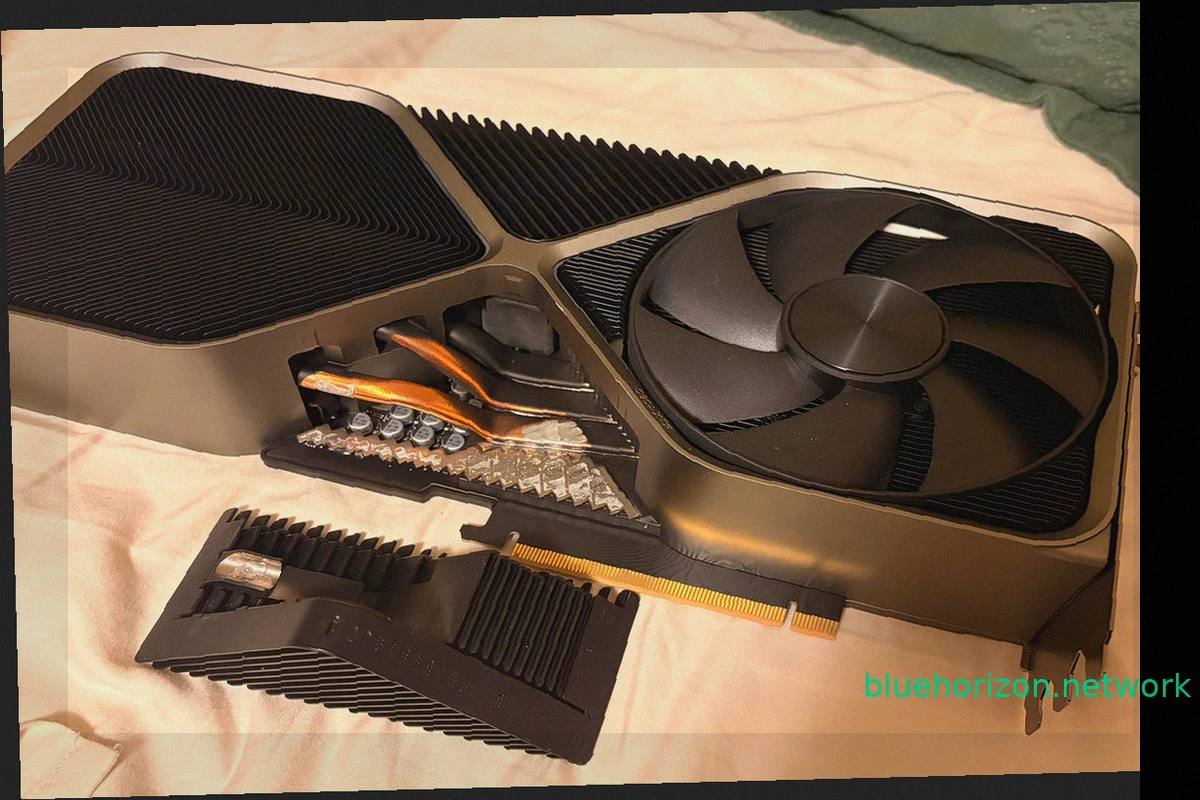
NVIDIA GeForce RTX 4090 Founders Edition Loses Part of Its Heatsink After Three Years
A NVIDIA GeForce RTX 4090 Founders Edition has presented an unusual problem, not with its power connector, but with its heatsink. This incident is unique, as a portion of the graphics card's massive heatsink literally detached while its owner was moving the computer. This wasn't a decorative c

Russian Missiles Strike Infrastructure of 1337x, Second Largest Torrent Tracker, Hitting Piracy
Russian missile attacks have damaged infrastructure belonging to popular torrent trackers like 1337x. Between September 23 and 27, 2026, Russia conducted strikes targeting data centers and communication facilities in Kyiv. These attacks temporarily disrupted internet access for approximately 1
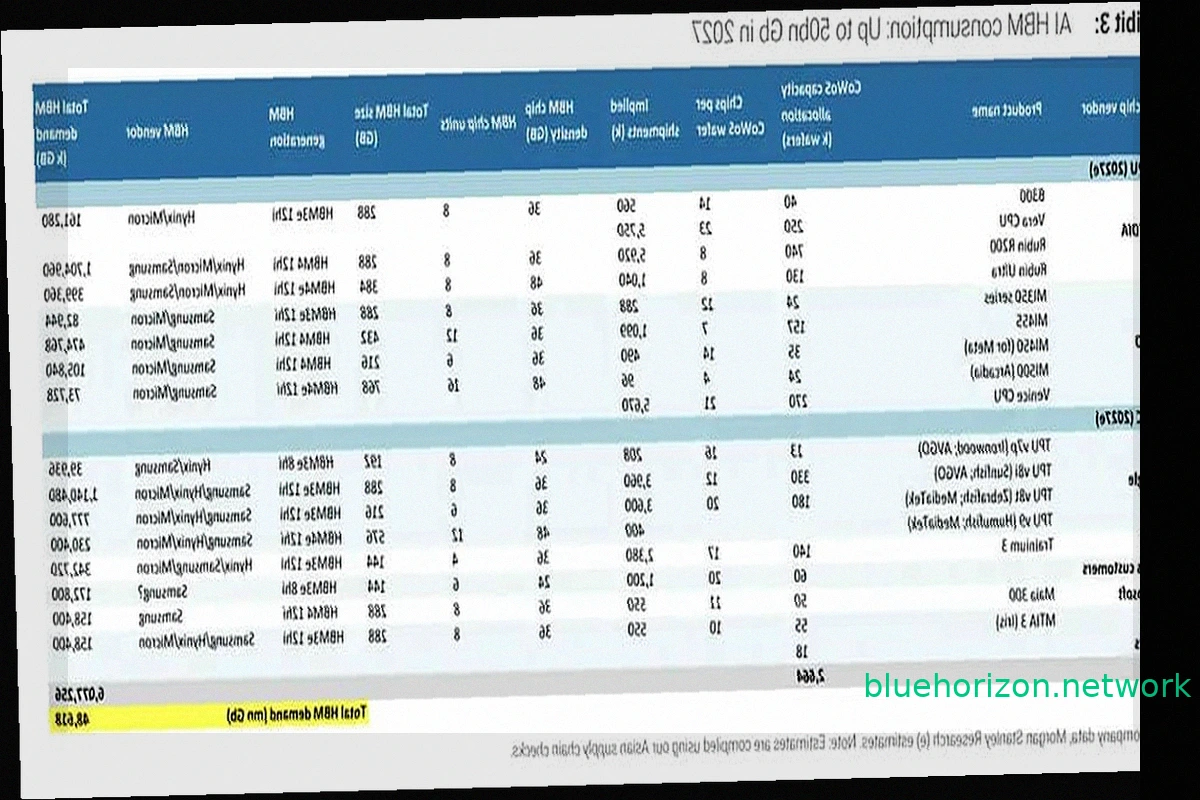
NVIDIA, Google, and AMD Poised to Control 85% of HBM Memory Demand by 2027
The "you'll own nothing and be happy" meme is finding a parallel in hardware, specifically memory. NVIDIA, Google, and AMD are set to command 85.4% of the global High Bandwidth Memory (HBM) demand by 2027, according to Morgan Stanley estimates. These three buyers will largely dictate the pace
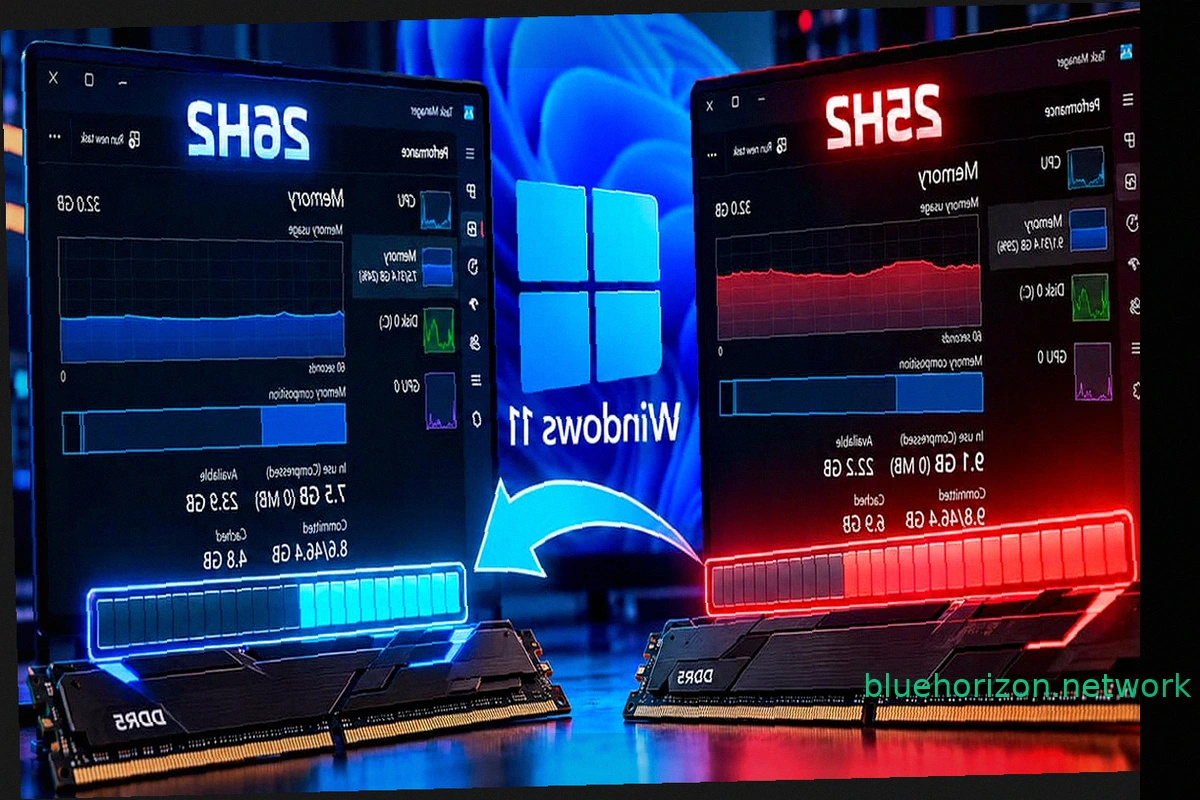
Windows 11 26H2 Reduces RAM Consumption by Up to 2 GB, But 8 GB Machines Still Struggle
Windows 11 26H2 is rolling out optimizations for RAM management. Some users report a noticeable decrease in RAM usage after installing this update, with certain systems showing a reduction of up to 2 GB compared to Windows 11 25H2 upon startup. However, initial findings suggest this improvemen

RTX 5090 fails with DLSS 5 after 48 hours for Chinese streamer
NVIDIA's RTX series introduced Tensor Cores, enabling technologies like DLSS. Early DLSS versions offered a noticeable drop in image quality compared to native resolution. DLSS 2 brought significant improvements, and DLSS 3 achieved parity or even superiority over native rendering. DLSS 4 cont