Player Spent 18 Months in Prison Because Police Misspelled His Skyrim-Inspired Kik Username
A simple omitted underscore (_) was enough for a gamer to spend 18 months in prison despite being entirely innocent. This player, known by the username "fus_ro_dah," was mistaken for "fus__ro_dah," both clearly fans of the game The Elder Scrolls V: Skyrim. Fus_ro_dah is Brandon Klayme, a Canadian gamer who spent 18 months in prison after US authorities confused his Kik account with one used by a man (fus__ro_dah) who had engaged in sexual conversations and shared illegal content with a 12-year-old girl.
The difference between the two digital identities was minimal but unambiguous: the actual suspect used the username "fus__ro_dah," with two underscores after "fus," while Brandon owned the username "fus_ro_dah," with only one. The error was not detected during the investigation or the trial, and despite the accused's devices containing no conversations, images, or evidence of the crime, he was found guilty and imprisoned nonetheless.
Police Requested Kik Data for the Wrong User
The investigation began in Wisconsin in 2018 after the mother of a 12-year-old girl discovered numerous sexually explicit messages on her phone. The correspondent identified himself as "Jay" and used the Kik username "fus__ro_dah." An unmistakable reference to Skyrim's popular "Fus Ro Dah" power. To identify him, authorities requested information associated with that account from the platform, but they incorrectly wrote the username in the request.
Kik responded to the request it had received and provided the data corresponding to "fus_ro_dah," the account with a single underscore. This digital identity belonged to Brandon Klayme, leading the investigation to cross the border and bring Canadian police to his home. Brandon was arrested in February 2020, and his phones, computers, and other devices were searched for evidence related to the case.
However, investigators found no images or conversations exchanged with the minor on his devices. They were also unable to verify Kik activity during the period the crimes were committed, nor prove that his Google account had been used to communicate with the victim. Despite this, the prosecution relied on IP addresses, account information, and other circumstantial evidence to argue that Brandon was the person behind the investigated user. Consequently, this player was eventually sent to prison.
He Was Sentenced to 18 Months in Prison Despite Forensic Evidence Not Matching
After a trial held in April 2023, Brandon Klayme was found guilty of several charges, including child luring and distributing sexual material to a minor. The sentence was 18 months in prison, followed by another 18 months of supervised release. Throughout the entire process, he maintained his innocence and insisted he had no connection to the victim or the investigated conversations.
The error only came to light in 2026, when his lawyers began preparing an appeal and tried to understand why the forensic evidence did not support the prosecution. Upon reviewing the original documentation, they discovered that the request sent to Kik contained a single underscore, whereas the real suspect's username had two. The discrepancy had gone unnoticed by the police, the prosecution, the defense, and the judge who issued the conviction.
The Nova Scotia Court of Appeal finally overturned the conviction on July 23, 2026. It clearly stated that Brandon was not being acquitted due to a technicality or a simple lack of evidence. He was declared factually innocent and should never have been charged. The ruling also noted that if the police had consulted the correct username from the outset, the investigation would likely have led to another man named Jay whose IP address was located in California. While Klayme lost 18 months of freedom and several years trying to clear his name, the real culprit was never apprehended in this investigation. Hopefully, Brandon will receive a substantial sum of money for those 18 months in prison when there wasn't a single piece of evidence to incriminate him.
Fresh materials — Technology News
Google Pixel Devices Hit by Nightmare Bug: September Update Locks Out Some Users
Updating your phone should be a simple process: install, restart, and continue. But imagine completing the update, entering your usual unlock pattern, and the phone not even letting you finish it. Your photos and messages remain, but you're locked out. This is the predicament some Google Pixel
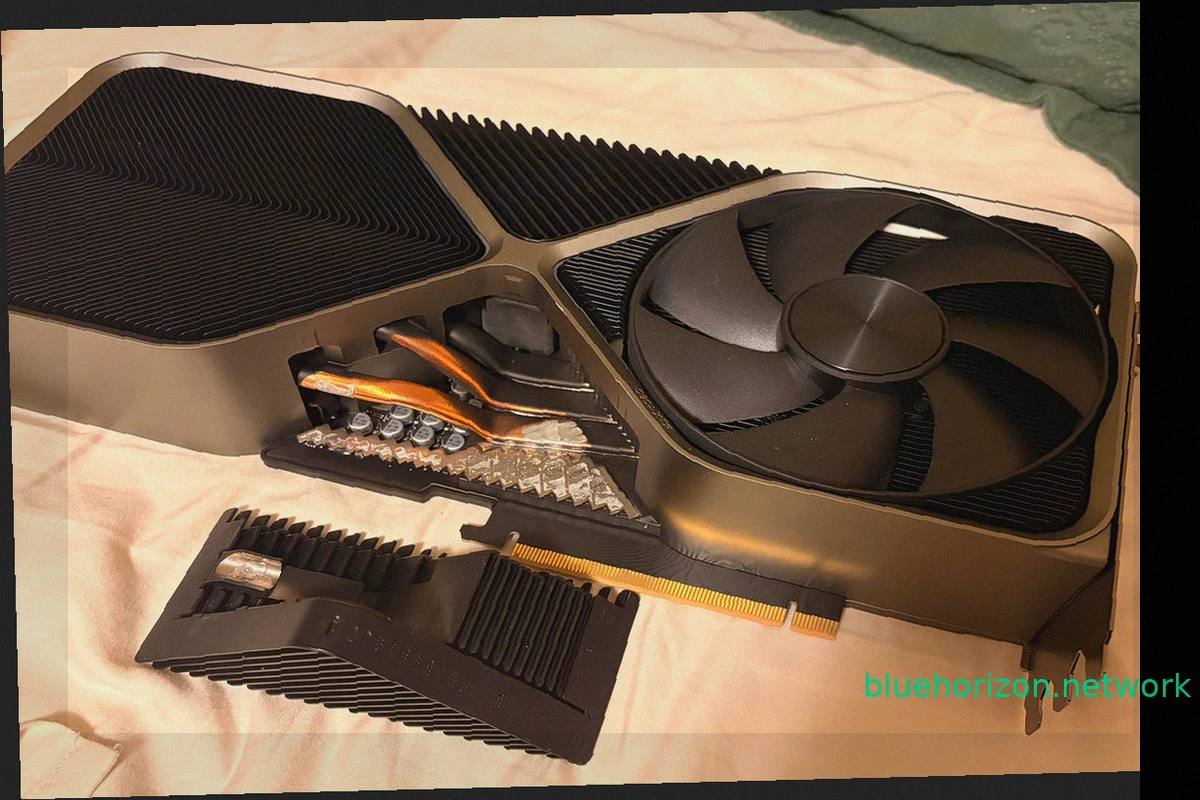
NVIDIA GeForce RTX 4090 Founders Edition Loses Part of Its Heatsink After Three Years
A NVIDIA GeForce RTX 4090 Founders Edition has presented an unusual problem, not with its power connector, but with its heatsink. This incident is unique, as a portion of the graphics card's massive heatsink literally detached while its owner was moving the computer. This wasn't a decorative c

Russian Missiles Strike Infrastructure of 1337x, Second Largest Torrent Tracker, Hitting Piracy
Russian missile attacks have damaged infrastructure belonging to popular torrent trackers like 1337x. Between September 23 and 27, 2026, Russia conducted strikes targeting data centers and communication facilities in Kyiv. These attacks temporarily disrupted internet access for approximately 1
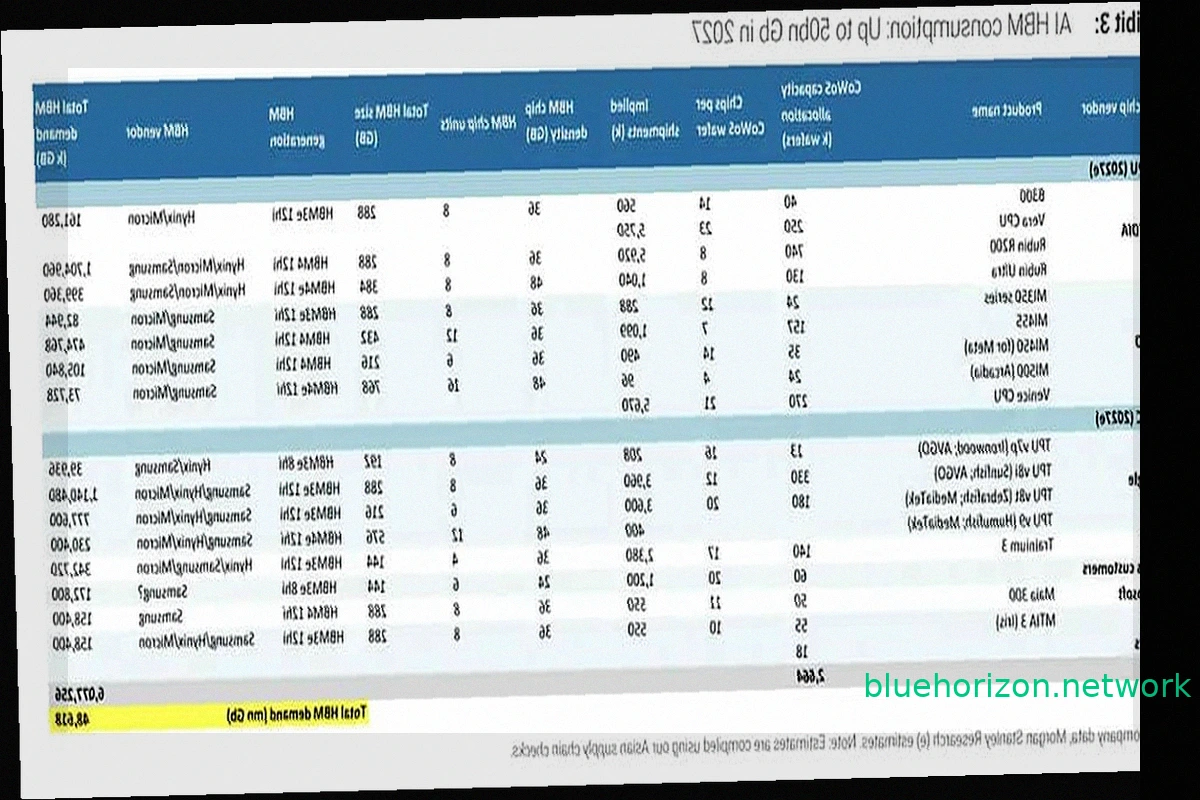
NVIDIA, Google, and AMD Poised to Control 85% of HBM Memory Demand by 2027
The "you'll own nothing and be happy" meme is finding a parallel in hardware, specifically memory. NVIDIA, Google, and AMD are set to command 85.4% of the global High Bandwidth Memory (HBM) demand by 2027, according to Morgan Stanley estimates. These three buyers will largely dictate the pace

Windows 11 26H2 Reduces RAM Consumption by Up to 2 GB, But 8 GB Machines Still Struggle
Windows 11 26H2 is rolling out optimizations for RAM management. Some users report a noticeable decrease in RAM usage after installing this update, with certain systems showing a reduction of up to 2 GB compared to Windows 11 25H2 upon startup. However, initial findings suggest this improvemen

RTX 5090 fails with DLSS 5 after 48 hours for Chinese streamer
NVIDIA's RTX series introduced Tensor Cores, enabling technologies like DLSS. Early DLSS versions offered a noticeable drop in image quality compared to native resolution. DLSS 2 brought significant improvements, and DLSS 3 achieved parity or even superiority over native rendering. DLSS 4 cont