Rumored iPhone Fold Could Launch in September with a Starting Price of 2,399 Euros
Recent leaks have provided the first clues regarding the potential price of the iPhone Fold. This will be Apple's inaugural foldable device, expected to make its debut in September this year. That month promises to be quite busy for the company, as in addition to the Fold, new iPhone 18 models, updated Mac computers, an OLED MacBook Pro, new iPad models, and even new AirPods are anticipated.
The latest reports suggest that the starting price for the iPhone Fold in the United States would be around $1,999. This leak not only details prices for the U.S. but also for China, and even indicates that the smartphone might be available in three different variants based on its storage capacity.
iPhone Fold Expected to Start at $1,999 with 256 GB Internal Storage
The highly anticipated foldable iPhone, known as the iPhone Fold, is presented as a hybrid offering that aims to combine the functionalities of an iPhone with those of an iPad. Its launch price in the United States is estimated at $1,999, specifically for the 256 GB storage model. In China, the same device would reach 15,999 yuan, equivalent to about $2,300. Furthermore, the 512 GB version is rumored to cost around $2,600 after conversion, and the 1 TB variant, about $2,900.
It is well-known that Apple does not apply a direct currency conversion when setting prices between different regions. By comparing the prices of the iPhone 17 Pro in China and the U.S., it's estimated that the foldable device could cost $1,999, $2,199, and $2,399 in the United States for its different configurations. This implies that while still a high-cost product, it might not be as exorbitant as a simple yuan conversion would suggest. Using the prices of the iPhone 17 and iPhone Air in Spain as a reference compared to the United States, the iPhone Fold could launch in Spain or Europe with approximate prices of 2,399 euros (for the 256 GB model), 2,659 euros (for the 512 GB model), and 2,899 euros (for the 1 TB model).
The high price of the iPhone Fold also reflects Apple's ambitions. At that cost, the device will not directly compete with Samsung's foldable models. Instead, Apple seems to be positioning the iPhone Fold as a niche product, conceived as an iPad alternative integrated into an iPhone-like format. For this reason, Apple already anticipates that sales volume will be limited to 'a few million units.' This would represent less than 5% of total annual iPhone sales, which aligns with a cautious, high-end launch strategy: limited production, premium pricing, and a focus on a specific market segment.
Possible Specifications of the First Foldable iPhone
Beyond the price, the iPhone Fold is expected to feature an Apple A20 Pro chip, complemented by 12 GB of LPDDR5X RAM. This significant increase in RAM is directly linked to the advanced artificial intelligence capabilities that future iPhones will offer, thanks to Apple's agreement with Google to integrate its Gemini AI model. Gemini is anticipated to power various functions, from image editing tools to the virtual assistant Siri. This move highlights that Apple, having entered the AI development race late, has been compelled to form an alliance with one of the market leaders in this field.
A crucial aspect is that the foldable panel will be manufactured by Samsung Display, which is set to be the exclusive supplier of screens for the iPhone Fold. According to available information, the device will feature a dual-screen design: an external 5.5-inch OLED panel, and when unfolded like a book, an internal 7.8-inch OLED panel. Regarding thickness, it is considered remarkably light for a foldable device, ranging from 4.5 to 4.8 mm when open and between 9 and 9.5 mm when closed. For photography, it is expected to include a dual rear camera setup.
Finally, a potential marketing strategy from Apple could be to launch the iPhone Fold under the name iPhone Ultra. This much more powerful name would be used to identify the company's most technologically advanced device. Does this justify a starting price of 2,399 euros? Probably not, but when asked which iPhone you own, you can always proudly answer that it's the Ultra, the most expensive model.
Fresh materials — Technology News
Google Pixel Devices Hit by Nightmare Bug: September Update Locks Out Some Users
Updating your phone should be a simple process: install, restart, and continue. But imagine completing the update, entering your usual unlock pattern, and the phone not even letting you finish it. Your photos and messages remain, but you're locked out. This is the predicament some Google Pixel
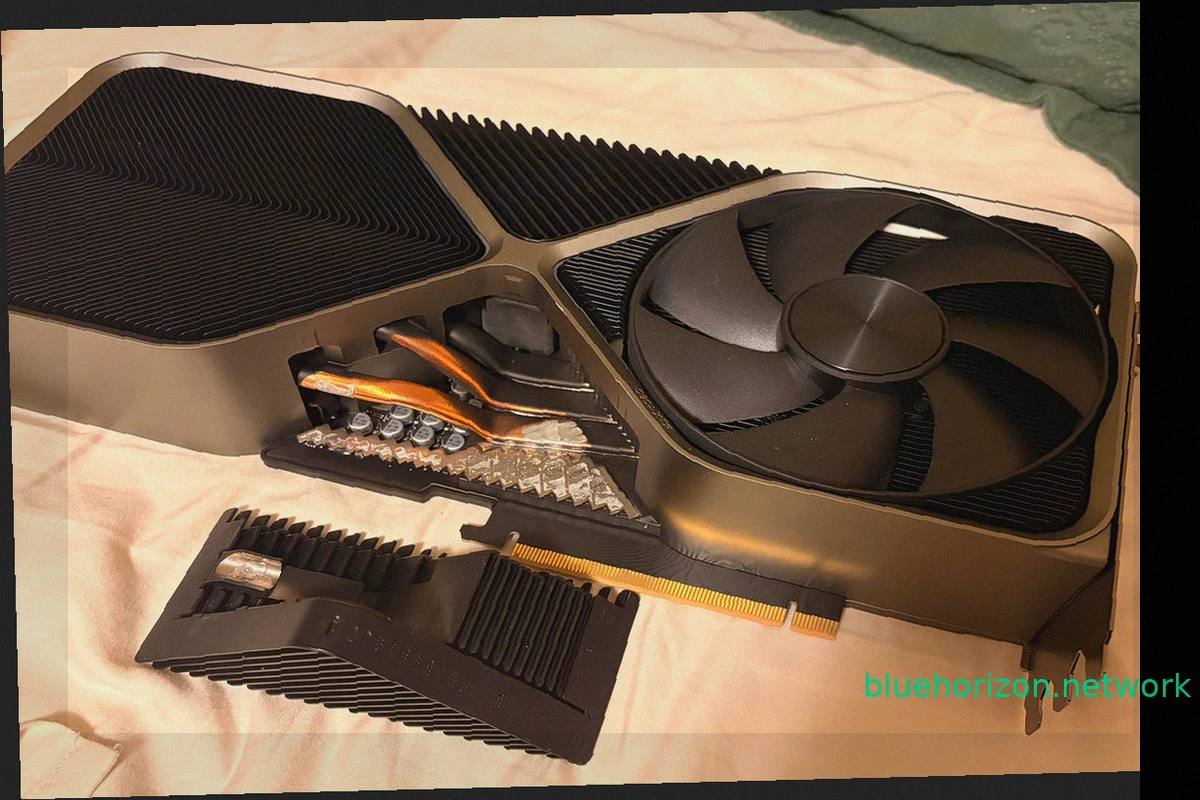
NVIDIA GeForce RTX 4090 Founders Edition Loses Part of Its Heatsink After Three Years
A NVIDIA GeForce RTX 4090 Founders Edition has presented an unusual problem, not with its power connector, but with its heatsink. This incident is unique, as a portion of the graphics card's massive heatsink literally detached while its owner was moving the computer. This wasn't a decorative c

Russian Missiles Strike Infrastructure of 1337x, Second Largest Torrent Tracker, Hitting Piracy
Russian missile attacks have damaged infrastructure belonging to popular torrent trackers like 1337x. Between September 23 and 27, 2026, Russia conducted strikes targeting data centers and communication facilities in Kyiv. These attacks temporarily disrupted internet access for approximately 1
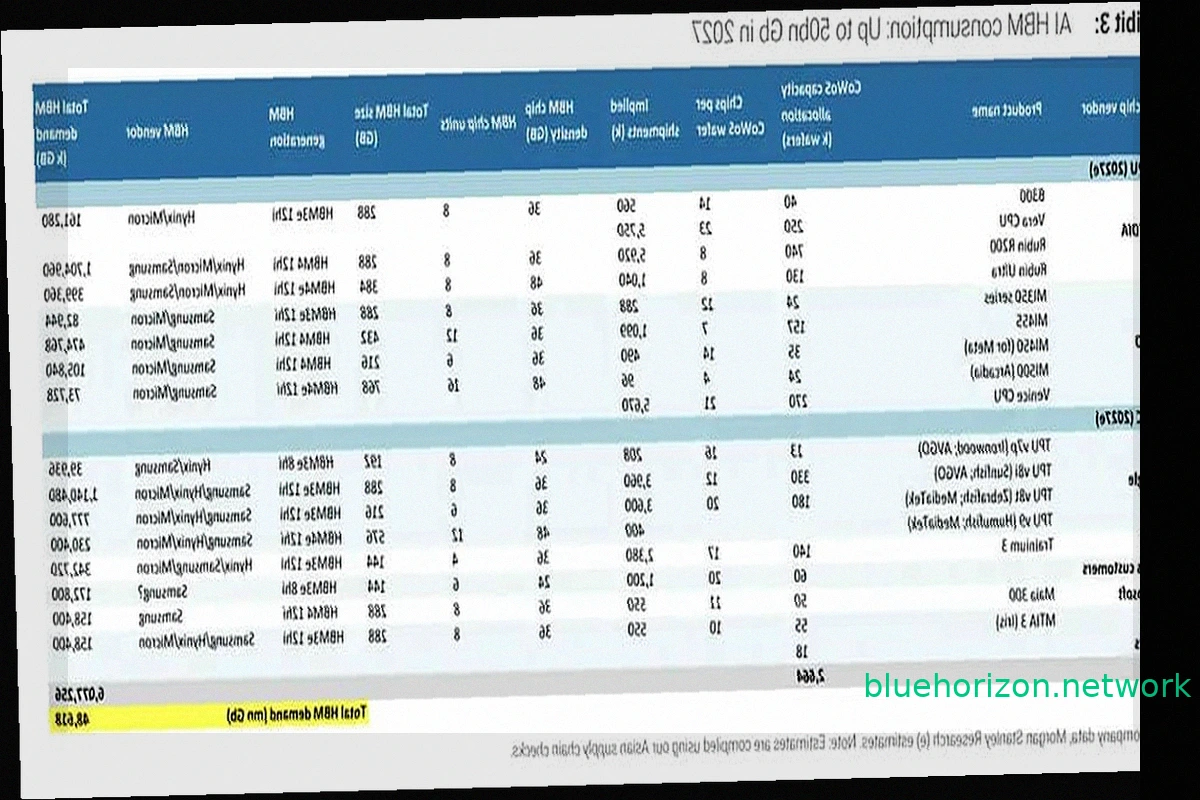
NVIDIA, Google, and AMD Poised to Control 85% of HBM Memory Demand by 2027
The "you'll own nothing and be happy" meme is finding a parallel in hardware, specifically memory. NVIDIA, Google, and AMD are set to command 85.4% of the global High Bandwidth Memory (HBM) demand by 2027, according to Morgan Stanley estimates. These three buyers will largely dictate the pace
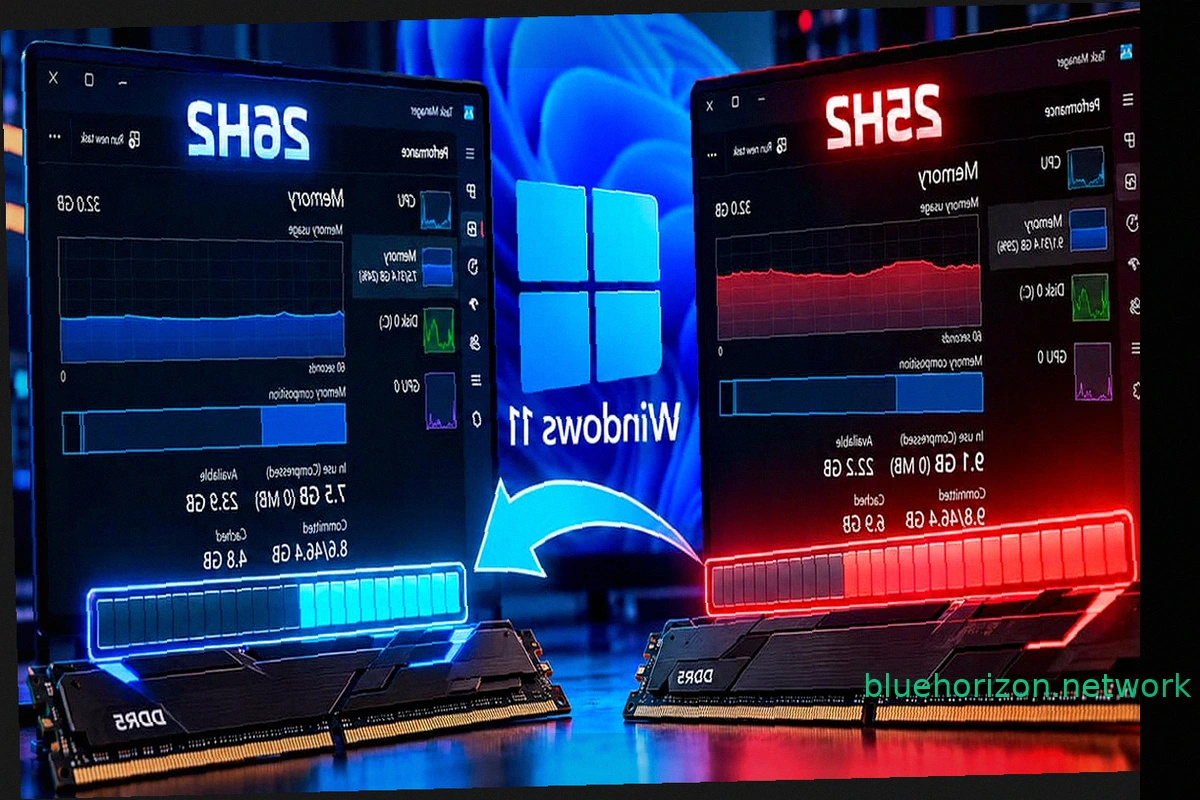
Windows 11 26H2 Reduces RAM Consumption by Up to 2 GB, But 8 GB Machines Still Struggle
Windows 11 26H2 is rolling out optimizations for RAM management. Some users report a noticeable decrease in RAM usage after installing this update, with certain systems showing a reduction of up to 2 GB compared to Windows 11 25H2 upon startup. However, initial findings suggest this improvemen

RTX 5090 fails with DLSS 5 after 48 hours for Chinese streamer
NVIDIA's RTX series introduced Tensor Cores, enabling technologies like DLSS. Early DLSS versions offered a noticeable drop in image quality compared to native resolution. DLSS 2 brought significant improvements, and DLSS 3 achieved parity or even superiority over native rendering. DLSS 4 cont