Samsung Plans Another DRAM Price Doubling in Q2 2026, Signaling Broader Tech Cost Increases
The industry's predictions of rising memory costs are indeed materializing. Samsung, a leading memory manufacturer, is reportedly planning to double its DRAM memory prices again during the second quarter of 2026. This follows a similar price doubling already implemented in the first quarter of the year. Historically, when Samsung adjusts prices, competitors like SK Hynix and Micron tend to follow suit.
This unwelcome news extends to NAND Flash memory, which is also expected to see significant price increases. Throughout 2026, SSD prices are projected to rise considerably, with the trend continuing towards the end of the year. This will have a notable impact on various sectors, including SSDs, laptops, desktop computers, and smartphones, as all these devices rely on both NAND storage (either soldered or as SSDs) and RAM. The combined effect of these price hikes will be even more pronounced for consumers. Industry insights suggest that manufacturers are increasingly prioritizing more profitable AI-related businesses, leading to reduced DRAM availability and, consequently, higher prices.
Samsung Implements Consecutive Price Doublings
Reports indicate that Samsung initially doubled DRAM prices in the current quarter (Q1 2026) and plans to do so again in Q2. This implies not just a 200% increase, but a cumulative price level that could be nearly four times the original starting price in a short period. These are described as "brutal" price increases for DRAM. NAND memory is also accelerating its price hikes, meaning that if consumers need storage, current SSDs, which are already more expensive, will become significantly costlier as 2027 approaches.
For consumers, the practical consequence is clear: the rising costs of DRAM and SSDs could lead to an overall increase of up to 17% in PC prices throughout 2026. Further forecasts suggest that by 2028, it might be impossible to find any new computer priced below 500 euros or dollars, and affordable gaming PCs could disappear entirely. The smartphone industry is also expected to experience a significant drop in sales and a slowdown in the launch of models featuring high RAM and storage capacities. This trend is already exemplified by products like the recently introduced MacBook Neo, a lower-cost Apple laptop, which comes with 8GB of RAM and a 256GB or 512GB SSD.
Top Five NAND Memory Suppliers Saw Nearly 25% Revenue Growth Last Quarter
Market analyst TrendForce recently reported that the five largest NAND memory suppliers collectively increased their quarterly revenues by 23.8% in Q4 2025. All eyes are now on the close of Q1 2026, which is anticipated to set a new revenue record, primarily driven by robust demand for AI infrastructure and the numerous price increases implemented for this memory over recent months. Contractual NAND memory prices for consumer SSDs are projected to rise by up to 60% in Q1 2026, while enterprise SSD memory could see increases of up to 58%.
Furthermore, the overall context points to a structural imbalance between supply and demand, rather than just a temporary fluctuation. IDC explained in December 2025 that the booming demand for HBM memory for AI, server DRAM, and other premium AI products is effectively absorbing almost all the production capacity of major memory manufacturers. While DRAM supply is expected to increase by 16% and NAND supply by 17% in 2026 compared to 2025, this growth is insufficient to alter the short-term outlook. Current forecasts suggest that the earliest we might begin to overcome these scarcity issues is around 2028.
According to ChinaFlashMarket, 1Tb TLC NAND wafers saw a 25% price increase in February 2026 alone. Phison, a company that manufactures SSD controllers and designs/produces SSDs, has also tightened its payment terms due to sudden increases in memory costs. It has reportedly demanded shorter payment periods from its key clients, with some companies even requiring upfront payments to secure their supply.
Fresh materials — Technology News
Google Pixel Devices Hit by Nightmare Bug: September Update Locks Out Some Users
Updating your phone should be a simple process: install, restart, and continue. But imagine completing the update, entering your usual unlock pattern, and the phone not even letting you finish it. Your photos and messages remain, but you're locked out. This is the predicament some Google Pixel
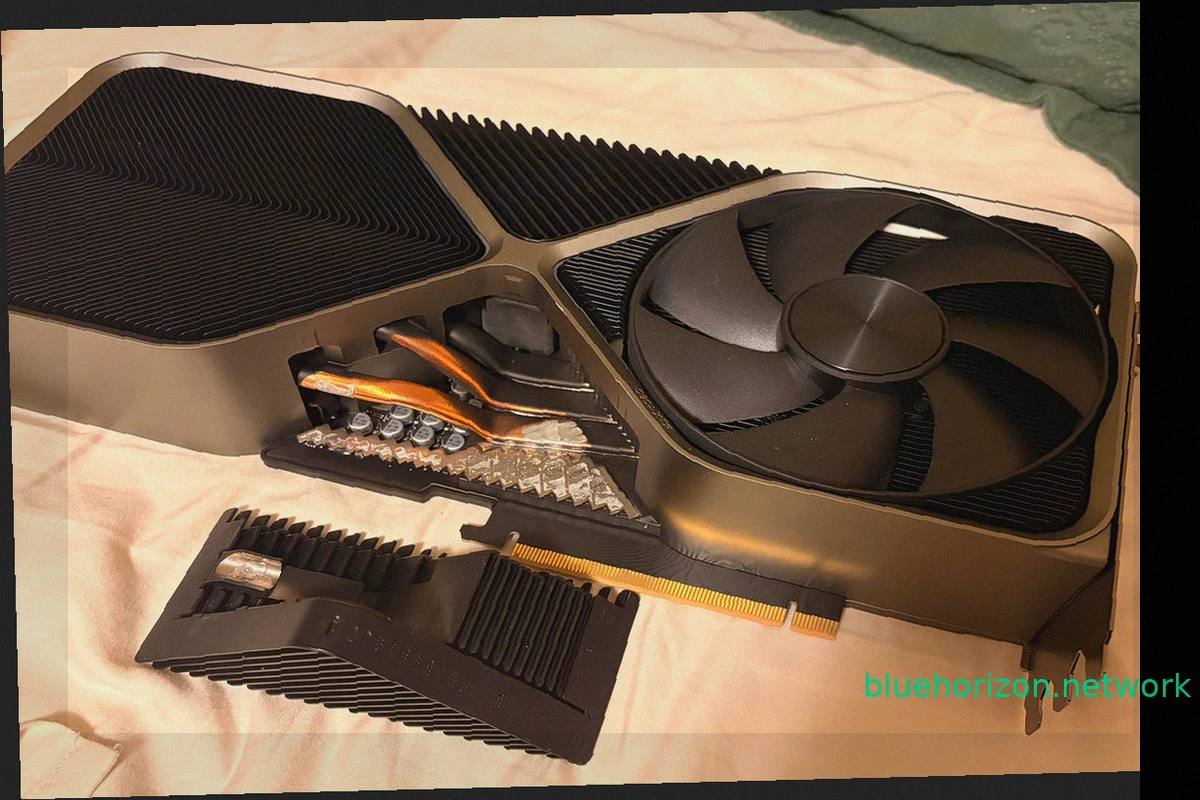
NVIDIA GeForce RTX 4090 Founders Edition Loses Part of Its Heatsink After Three Years
A NVIDIA GeForce RTX 4090 Founders Edition has presented an unusual problem, not with its power connector, but with its heatsink. This incident is unique, as a portion of the graphics card's massive heatsink literally detached while its owner was moving the computer. This wasn't a decorative c

Russian Missiles Strike Infrastructure of 1337x, Second Largest Torrent Tracker, Hitting Piracy
Russian missile attacks have damaged infrastructure belonging to popular torrent trackers like 1337x. Between September 23 and 27, 2026, Russia conducted strikes targeting data centers and communication facilities in Kyiv. These attacks temporarily disrupted internet access for approximately 1
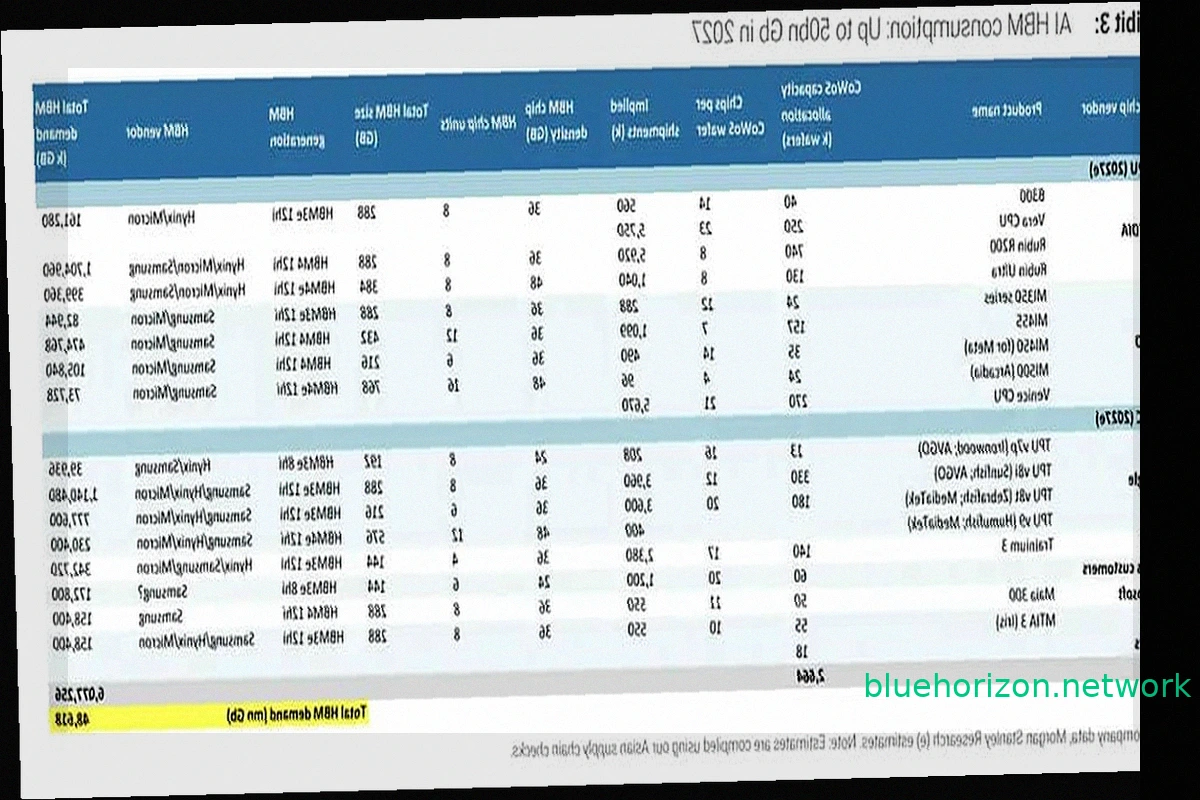
NVIDIA, Google, and AMD Poised to Control 85% of HBM Memory Demand by 2027
The "you'll own nothing and be happy" meme is finding a parallel in hardware, specifically memory. NVIDIA, Google, and AMD are set to command 85.4% of the global High Bandwidth Memory (HBM) demand by 2027, according to Morgan Stanley estimates. These three buyers will largely dictate the pace
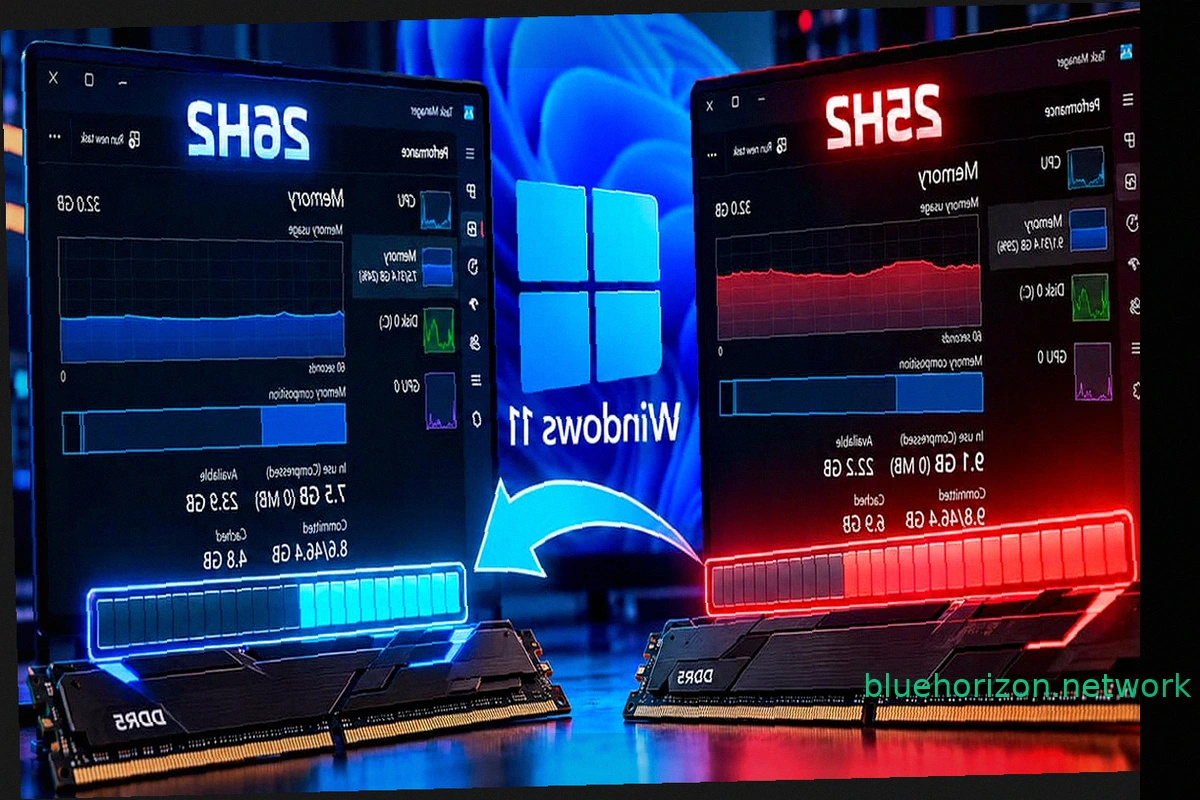
Windows 11 26H2 Reduces RAM Consumption by Up to 2 GB, But 8 GB Machines Still Struggle
Windows 11 26H2 is rolling out optimizations for RAM management. Some users report a noticeable decrease in RAM usage after installing this update, with certain systems showing a reduction of up to 2 GB compared to Windows 11 25H2 upon startup. However, initial findings suggest this improvemen
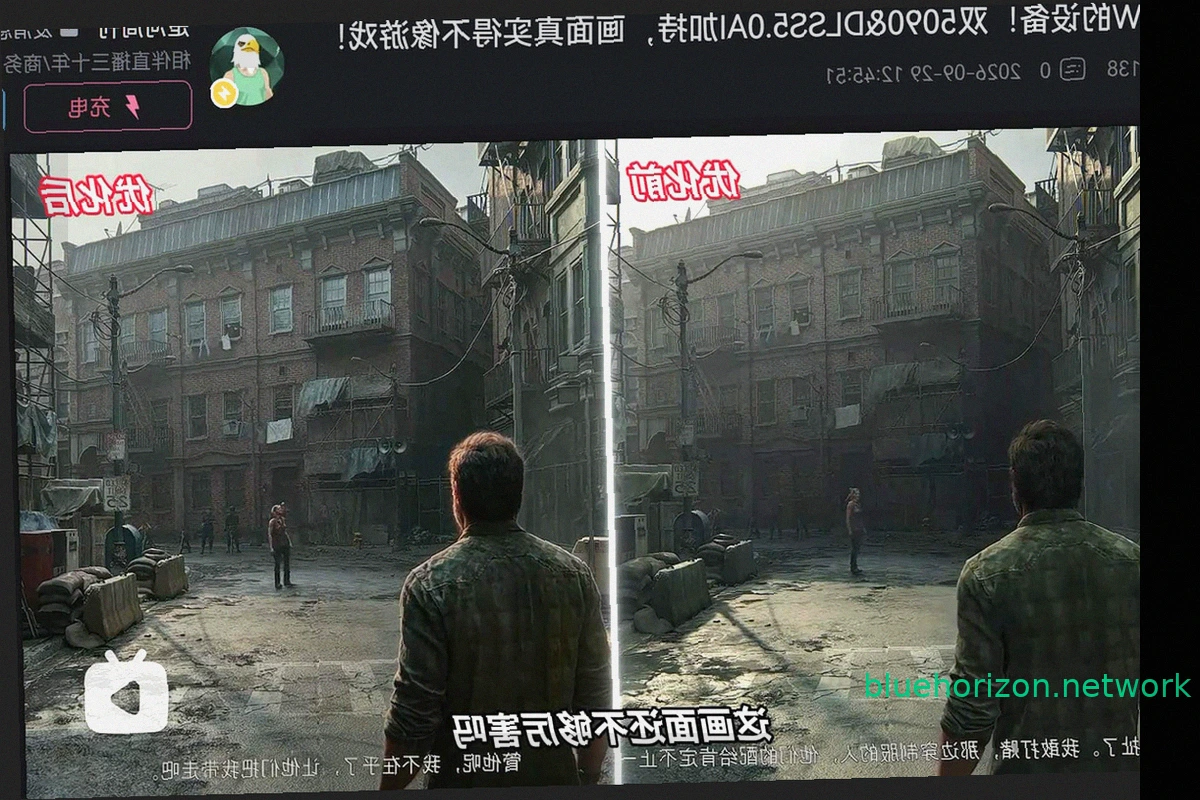
RTX 5090 fails with DLSS 5 after 48 hours for Chinese streamer
NVIDIA's RTX series introduced Tensor Cores, enabling technologies like DLSS. Early DLSS versions offered a noticeable drop in image quality compared to native resolution. DLSS 2 brought significant improvements, and DLSS 3 achieved parity or even superiority over native rendering. DLSS 4 cont