Samsung Wins Lawsuit Against TCL in Germany Over Misleading QLED TV Advertising
Samsung has achieved a significant legal victory in Germany against TCL concerning its QLED televisions. This dispute represents more than just a brand rivalry. The Munich I Regional Court, Germany's largest and most prominent, found that TCL Germany misleadingly promoted several of its televisions as QLED. The company failed to demonstrate that these models genuinely incorporated the quantum dot technology required to warrant the QLED designation.
Representing Samsung, Pinsent Masons, one of the world's top 100 law firms, announced that TCL is now prohibited from using the "QLED" label for the contested television models and has been ordered to rectify its false claims. The core issue wasn't merely the presence of quantum dots, but rather that consumers expected to receive the commercial promise associated with QLED televisions. Samsung's primary motivation for the lawsuit was to address TCL's perceived bad faith, deceptive advertising, and unfair competition.
TCL Used QLED as a Marketing Term, But Its TVs Lacked the Technology
The court itself acknowledged that the QLED label served as an effective marketing tool. However, it noted that there is no singular, strict technical standard for the term. Consequently, a consumer legitimately purchasing a QLED television expects it to utilize quantum dot technology in a real and significant way to enhance color reproduction. This makes the ruling highly significant: while it doesn't establish a universal definition of QLED globally, it sets a clear standard in Germany for reasonable consumer expectations.
The ruling specifically impacts six series of televisions, identified as C655, C508, QM8B, QLED870, and C69B. It is now definitively established that TCL can no longer market these contested televisions as QLED in Germany. Furthermore, the company is required to correct its previous claims regarding the use of QLED technology in its televisions.
This judicial victory strengthens Samsung's position, as it has successfully transformed a commercial dispute into a valuable precedent for future regulatory and legal battles. Pinsent Masons confirms that similar proceedings are already underway in South Korea and the United States. Additionally, class-action lawsuits have been filed in states like California and New York, making similar allegations regarding QLED televisions. While the German ruling does not automatically dictate the outcome of these cases, it provides Samsung with a more robust legal foundation to continue its efforts outside of Europe.
OLED, QLED, Mini-LED, QNED, RGB Mini-LED... Marketing Labels for Image Enhancements
Indeed, all manufacturers frequently employ, and often overuse, catchy names to market image enhancements. While some of these improvements are genuinely significant, others are far more debatable. This particular case suggests that, at least in a German court, merely incorporating a token amount of a technology or a minor variant is insufficient to claim a premium label if it misleads consumers into believing they are purchasing a superior product.
For TCL, this represents a significant reputational and commercial blow in Germany and across Europe. For the broader industry, it serves as a warning that technical marketing claims are increasingly subject to judicial scrutiny. Samsung, widely recognized for its QLED technology televisions, considered this lawsuit against TCL vital, especially given that TCL was falsely marketing QLED TVs at a lower price point than Samsung, which directly impacted the Korean company's sales.
Fresh materials — Technology News
Google Wins AI Overviews Legal Battle Against Publishers
Google secured a significant court victory in the United States against publishers accusing the company of using their content to power AI Overviews. The core of the lawsuits was that these AI-generated summaries reduce website traffic. Federal Judge Amit P. Mehta of the District Court of Colu
Germany Launches Gaming-Focused Electricity Tariff with Consumption Rewards
German energy provider SWK Energie has introduced an unusual market segment for electricity: gamers. The company is promoting "meinGAMING," an electricity tariff designed for households with high energy consumption, specifically targeting gamers with powerful computers, streamers, and users wit
RuneScape 4 Announced: A New MMORPG Built on Unreal Engine
Jagex revealed RuneScape 4 (RS4) at RuneFest 2026. This new MMORPG, currently a working title, will be the fourth generation in the RuneScape franchise. The significant technological shift for this installment is its development on the Unreal Engine. While the specific version isn't confirmed, it
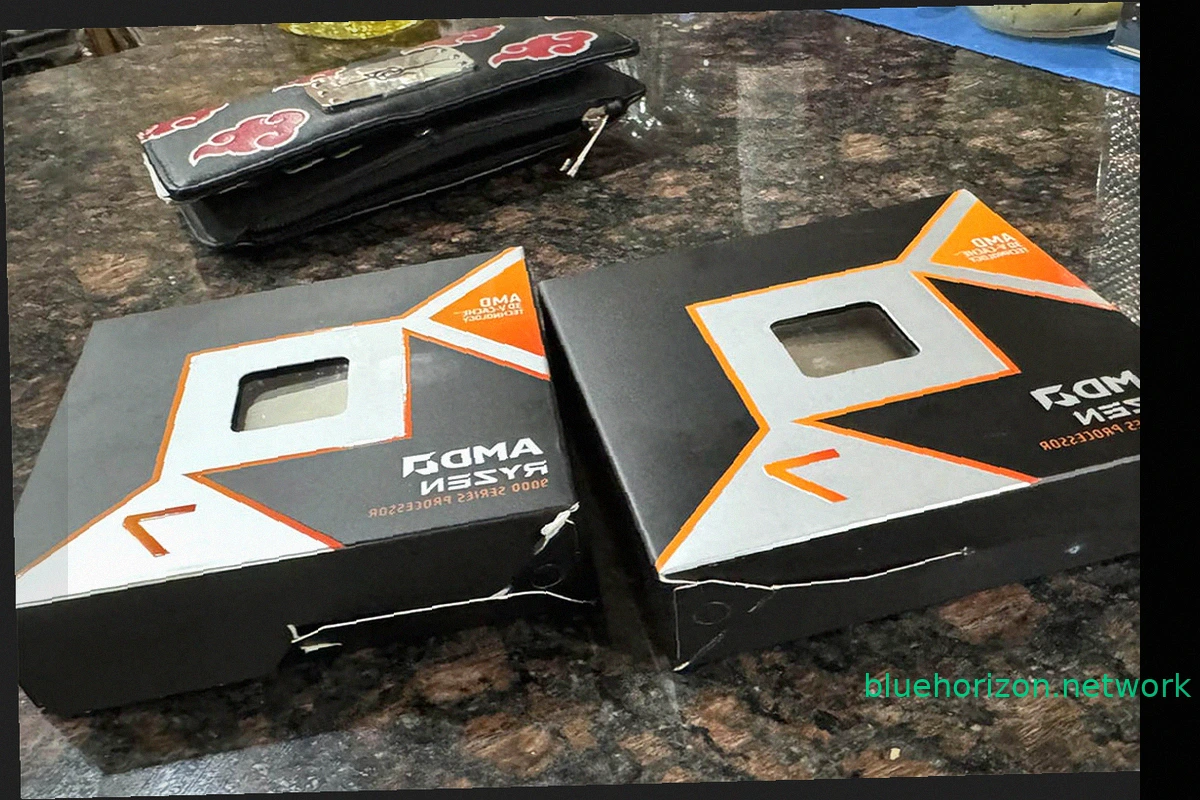
Ryzen 9850X3D Order Mix-Up: User Receives Intel Core i3-3220s Instead
AMD's gaming dominance, solidified by the Ryzen 7 7800X3D and its successor the 9800X3D, left Intel without comparable options. The subsequent release of the slightly faster Ryzen 9850X3D further cemented this lead. These processors are highly sought after by gamers. However, a recent Amazon o
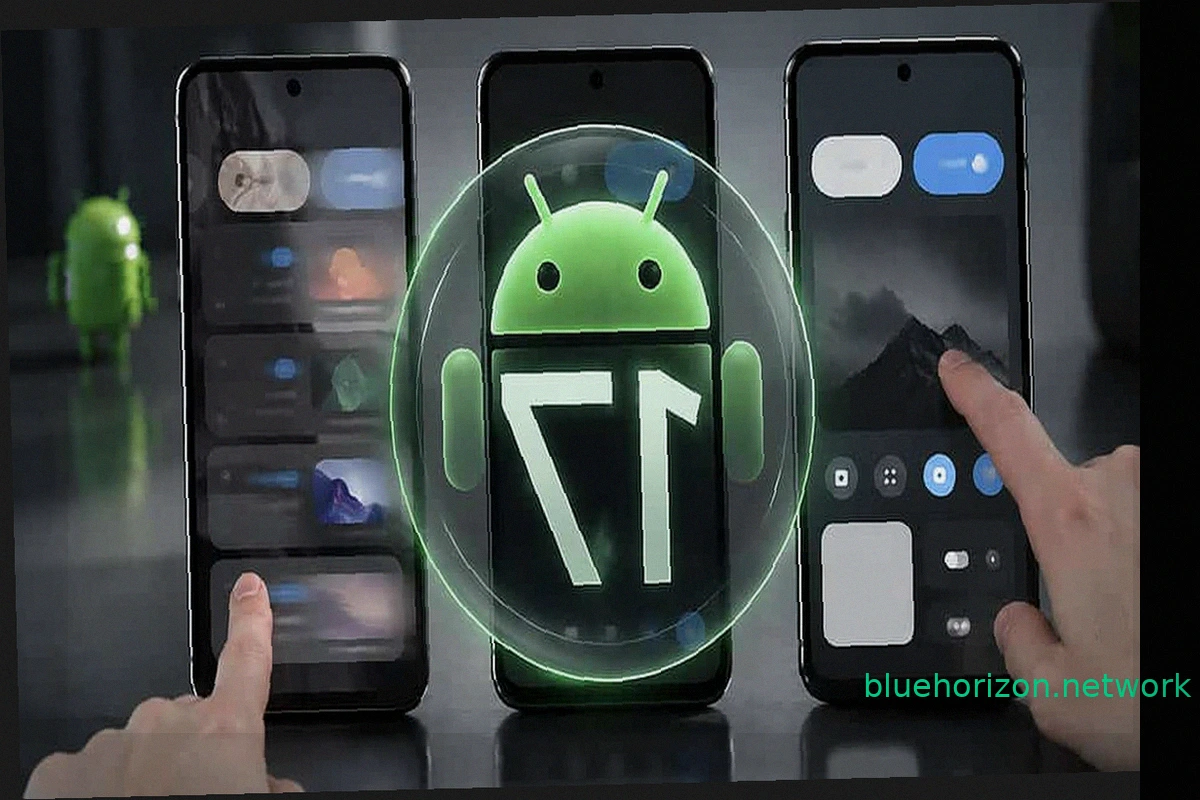
Google Pixel Devices Hit by Nightmare Bug: September Update Locks Out Some Users
Updating your phone should be a simple process: install, restart, and continue. But imagine completing the update, entering your usual unlock pattern, and the phone not even letting you finish it. Your photos and messages remain, but you're locked out. This is the predicament some Google Pixel
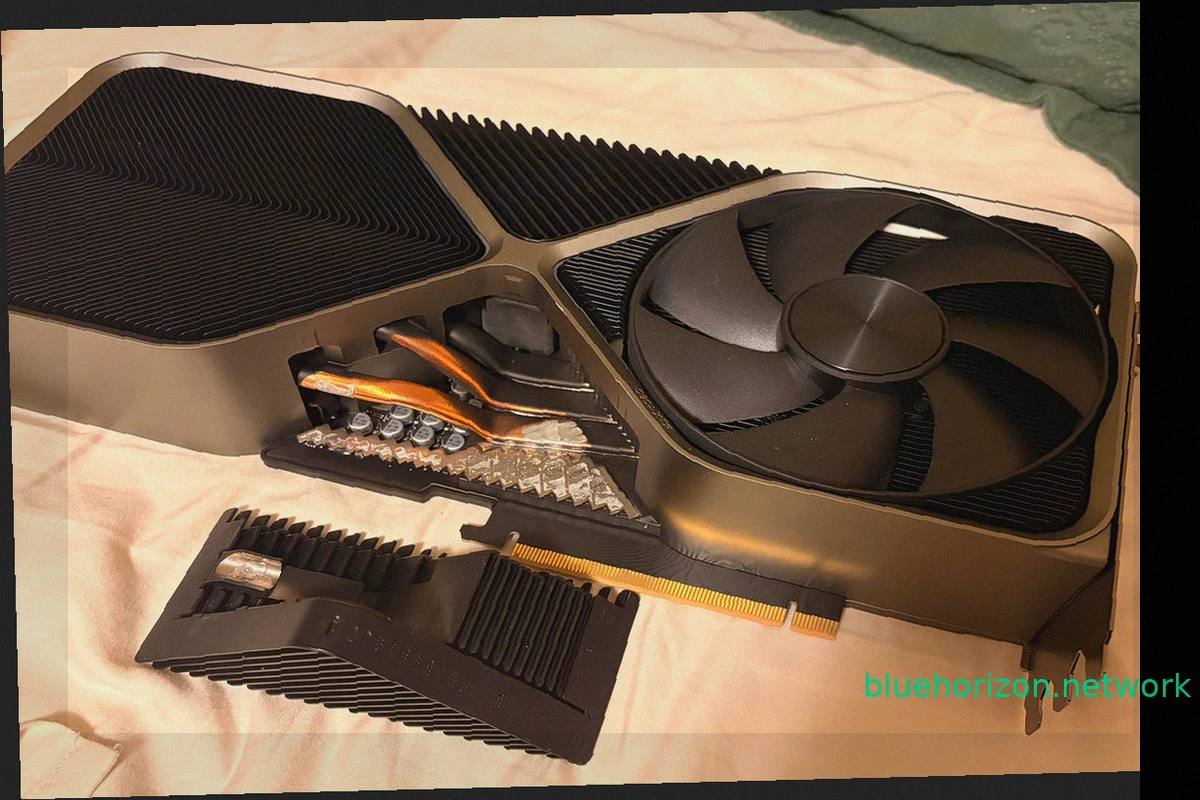
NVIDIA GeForce RTX 4090 Founders Edition Loses Part of Its Heatsink After Three Years
A NVIDIA GeForce RTX 4090 Founders Edition has presented an unusual problem, not with its power connector, but with its heatsink. This incident is unique, as a portion of the graphics card's massive heatsink literally detached while its owner was moving the computer. This wasn't a decorative c