Samsung y Western Digital Duplican Drásticamente los Precios de SSD en Corea: 1 TB por 350 Euros
En Corea del Sur, Samsung y Western Digital (WD) han aplicado un aumento drástico, duplicando los precios de sus unidades SSD para el mercado de consumo. Este incremento repentino ha transformado los SSD en un componente inasequible en Corea, incluso para equipos de gama media.
Según los informes, se han observado aumentos significativos. Por ejemplo, un SSD WD Black SN850X de 1 TB ahora se vende por aproximadamente 600.000 wones (unos 350 euros o 400 dólares). Los modelos de mayor capacidad son proporcionalmente más caros. Samsung también implementó subidas de precios similares, generando preocupación en la industria y entre los consumidores, especialmente en un momento en que los precios de la memoria RAM DDR5 están bajando, mientras que las CPUs y los SSDs experimentan el efecto contrario.
Samsung y WD bajo escrutinio por la duplicación de precios de SSD
Ambas compañías, Samsung y Western Digital (a través de su filial SanDisk), son fabricantes líderes de chips de memoria NAND. Es notable que sean precisamente los productores de la materia prima quienes estén implementando estos aumentos drásticos. Esto es particularmente "curioso" dado que ellos producen la memoria a coste, lo que les otorga un margen de beneficio considerablemente mayor en comparación con las empresas que les compran los chips para fabricar sus propios SSD.
Los ejemplos más notables incluyen un SSD WD de 8 TB, que ahora cuesta 4,5 millones de wones (aproximadamente 2.600 euros o 3.000 dólares), casi el doble de su precio en España (unos 1.360 euros). Asimismo, el Samsung 990 Pro de 1 TB se ha encarecido hasta los 470.000 wones (270 euros), mientras que en España se vendía por 190 euros, aunque Samsung España ya lo ha ajustado a 328 euros en su sitio web. El modelo Samsung 9100 Pro de 8 TB se acerca a los 2.300 euros en Corea, frente a los 1.400 euros en España.
Esta situación va más allá de un evento local, reflejando una crisis global en el mercado de la memoria NAND. TrendForce ya había advertido sobre una posible duplicación de los precios de los SSD. Fabricantes como Samsung están redirigiendo la producción hacia segmentos más lucrativos, como la memoria para servidores, IA y SSD empresariales. Se estima que los precios contractuales de la memoria NAND Flash aumentaron agresivamente entre un 55-60% en el primer trimestre de 2026 y se prevé un alza del 70-75% en el trimestre actual. Además, se anticipa que los SSD para portátiles podrían experimentar un aumento superior al 70% este trimestre.
Samsung and Western Digital Drastically Double SSD Prices in Korea: 1 TB for 350 Euros
In South Korea, Samsung and Western Digital (WD) have implemented a drastic increase, doubling the prices of their SSD storage units for the consumer market. This sudden surge has made SSDs an unaffordable component in Korea, even for mid-range computers.
According to reports, significant increases have been observed. For instance, a 1 TB WD Black SN850X SSD now sells for approximately 600,000 won (about 350 euros or 400 dollars). Higher capacity models are proportionally more expensive. Samsung also implemented similar price hikes, causing concern among the industry and consumers, especially at a time when DDR5 RAM prices are decreasing, while CPUs and SSDs are experiencing the opposite effect.
Samsung and WD Under Scrutiny After Doubling SSD Prices
Both companies, Samsung and Western Digital (through its subsidiary SanDisk), are leading manufacturers of NAND memory chips. It is noteworthy that it is precisely the producers of the raw material who are implementing these drastic increases. This is particularly 'curious' given that they produce memory at cost, which gives them a significantly higher profit margin compared to companies that buy chips from them to manufacture their own SSDs.
The most notable examples include an 8 TB WD SSD, which now costs 4.5 million won (approximately 2,600 euros or 3,000 dollars), nearly double its price in Spain (around 1,360 euros). Similarly, the 1 TB Samsung 990 Pro SSD has increased to 470,000 won (270 euros), whereas in Spain it was sold for 190 euros, although Samsung Spain has already adjusted it to 328 euros on its website. The 8 TB Samsung 9100 Pro model is nearing 2,300 euros in Korea, compared to 1,400 euros in Spain.
This situation goes beyond a local event, reflecting a global crisis in the NAND memory market. TrendForce had already warned about a potential doubling of SSD prices. Manufacturers like Samsung are redirecting production towards more lucrative segments, such as server memory, AI, and enterprise SSDs. It is estimated that NAND Flash contractual prices aggressively increased by 55-60% in Q1 2026, and a rise of 70-75% is expected in the current quarter. Furthermore, it is anticipated that SSDs for laptops could see an increase of over 70% this quarter.
Fresh materials — Technology News

Google Pixel Devices Hit by Nightmare Bug: September Update Locks Out Some Users
Updating your phone should be a simple process: install, restart, and continue. But imagine completing the update, entering your usual unlock pattern, and the phone not even letting you finish it. Your photos and messages remain, but you're locked out. This is the predicament some Google Pixel
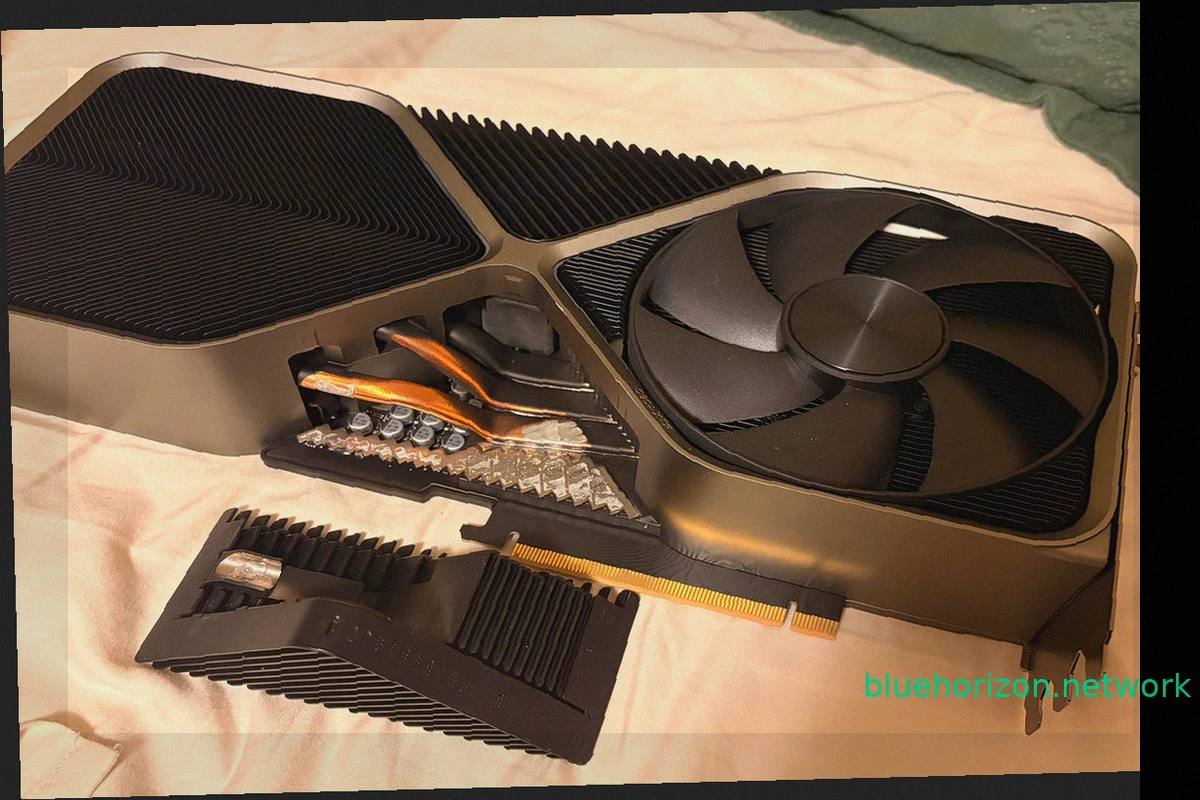
NVIDIA GeForce RTX 4090 Founders Edition Loses Part of Its Heatsink After Three Years
A NVIDIA GeForce RTX 4090 Founders Edition has presented an unusual problem, not with its power connector, but with its heatsink. This incident is unique, as a portion of the graphics card's massive heatsink literally detached while its owner was moving the computer. This wasn't a decorative c

Russian Missiles Strike Infrastructure of 1337x, Second Largest Torrent Tracker, Hitting Piracy
Russian missile attacks have damaged infrastructure belonging to popular torrent trackers like 1337x. Between September 23 and 27, 2026, Russia conducted strikes targeting data centers and communication facilities in Kyiv. These attacks temporarily disrupted internet access for approximately 1
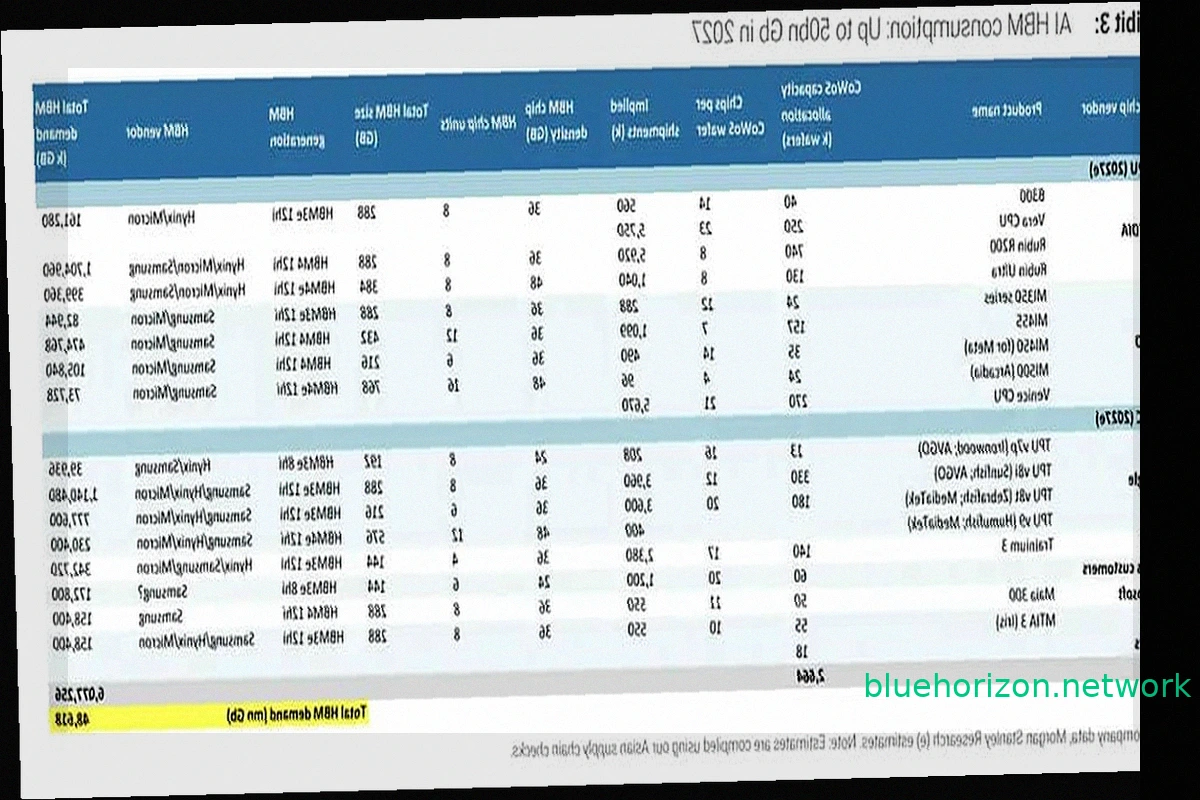
NVIDIA, Google, and AMD Poised to Control 85% of HBM Memory Demand by 2027
The "you'll own nothing and be happy" meme is finding a parallel in hardware, specifically memory. NVIDIA, Google, and AMD are set to command 85.4% of the global High Bandwidth Memory (HBM) demand by 2027, according to Morgan Stanley estimates. These three buyers will largely dictate the pace
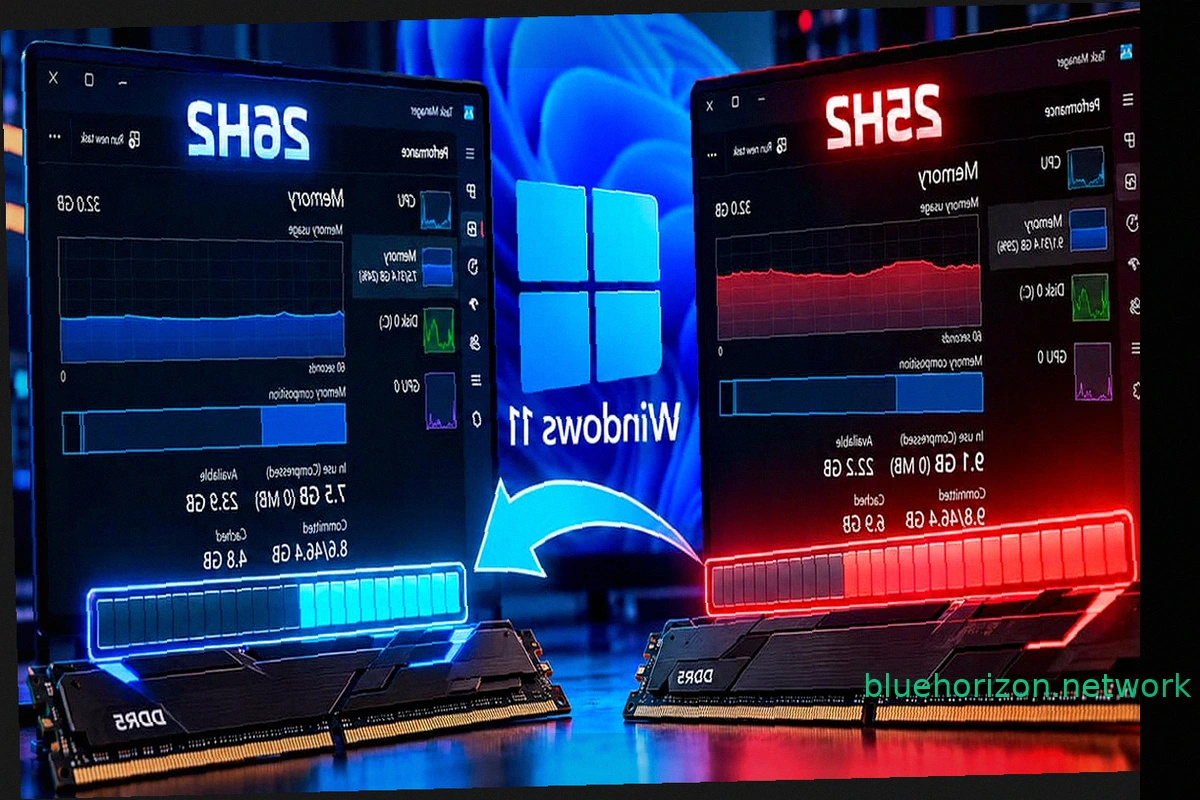
Windows 11 26H2 Reduces RAM Consumption by Up to 2 GB, But 8 GB Machines Still Struggle
Windows 11 26H2 is rolling out optimizations for RAM management. Some users report a noticeable decrease in RAM usage after installing this update, with certain systems showing a reduction of up to 2 GB compared to Windows 11 25H2 upon startup. However, initial findings suggest this improvemen
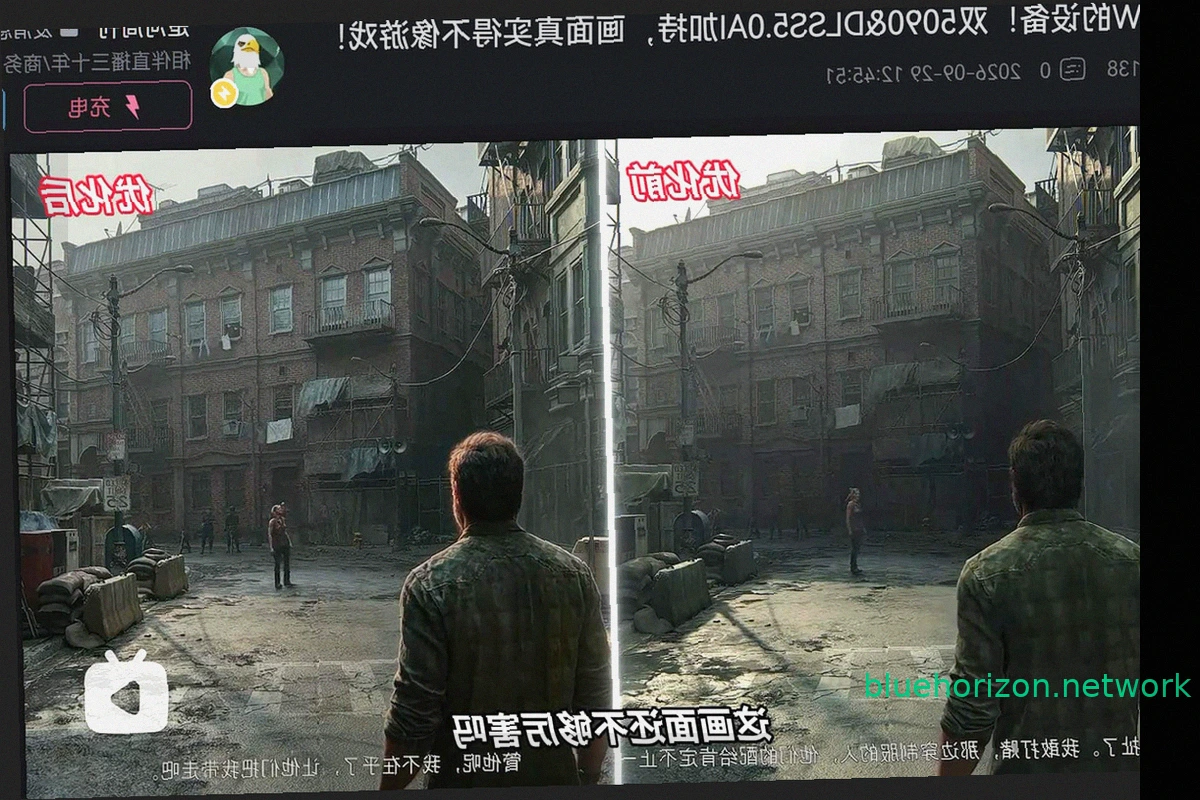
RTX 5090 fails with DLSS 5 after 48 hours for Chinese streamer
NVIDIA's RTX series introduced Tensor Cores, enabling technologies like DLSS. Early DLSS versions offered a noticeable drop in image quality compared to native resolution. DLSS 2 brought significant improvements, and DLSS 3 achieved parity or even superiority over native rendering. DLSS 4 cont